
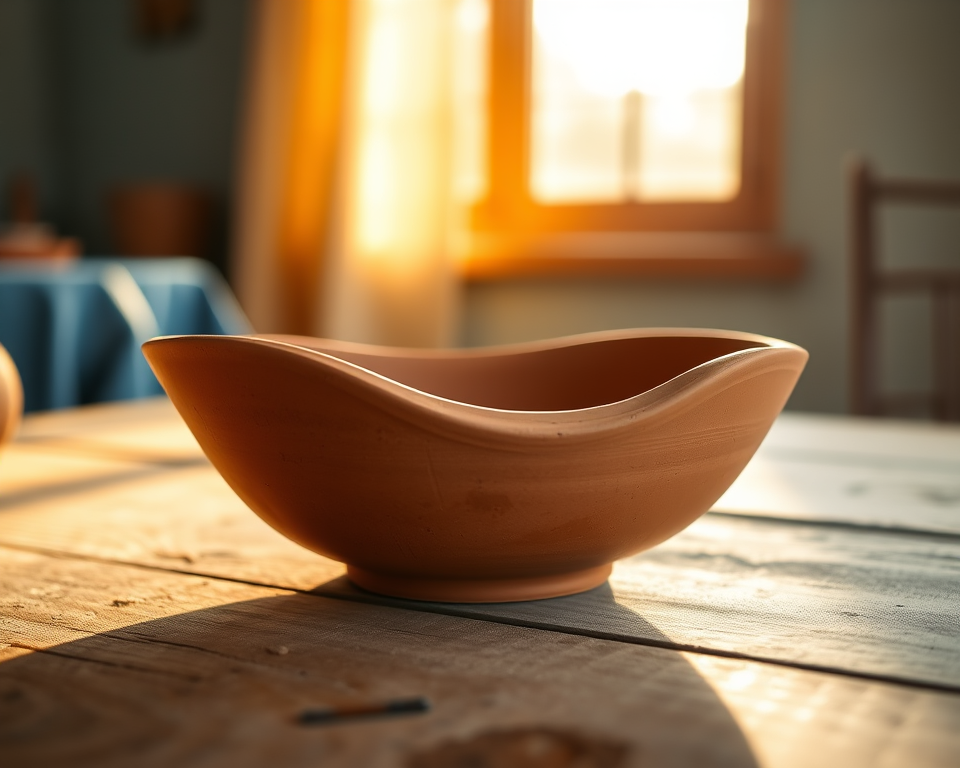
Let’s talk pottery clay, shall we? If you’re here, you’re probably trying to figure out where to snag the best clay for your next creative project, and I feel you! Clay is one of those vital materials that can really make or break your pottery experience. So, whether you’re reaching for that beginner-friendly option or you’re a pro looking for premium supplies, buckle up because I’m here to walk you through everything you need to know about buying pottery clay.
Table of Contents
- 1 Key Takeaways
- 2 Where to Buy Pottery Clay
- 3 Types of Pottery Clay and Their Uses
- 4 Pricing and Cost Considerations for Pottery Clay
- 5 Reviews and Comparisons of Popular Pottery Clay Brands
- 6 Tips for Selecting the Right Pottery Clay
- 7 Frequently Asked Questions
- 7.1 What is the difference between earthenware, stoneware, and porcelain clay?
- 7.2 How do I determine the right moisture content for pottery clay?
- 7.3 Can I mix different types of clay for my pottery projects?
- 7.4 What are the best practices for storing pottery clay?
- 7.5 How does firing temperature affect the clay’s final properties?
- 7.6 What are some beginner-friendly techniques for working with pottery clay?
- 7.7 Can I use pottery clay for sculpting and other non-pottery projects?
- 7.8 How do I safely dispose of leftover pottery clay?
- 7.9 What tools should I consider investing in when starting pottery?
- 7.10 Are there any common mistakes to avoid when buying pottery clay?
Key Takeaways
- You can find pottery clay from both local and online retailers, each with its own pros and cons.
- Knowing the different types of clay and their properties will help you select the right option for your project.
- Be sure to consider costs and compare prices to get the best offers, especially if you’re working on a budget.
- Reviews of popular clay brands can guide you toward the right purchase, saving you time and money.
- Learning common mistakes when buying clay can prevent buyer’s remorse and enhance your crafting experience.
Where to Buy Pottery Clay
Finding the right place to buy pottery clay can feel like searching for a needle in a haystack. So, where do you even start? It might depend on whether you’re a fan of online shopping or prefer strolling through local stores. Here’s the lowdown on both options.
Best Online Retailers for Pottery Clay
Shopping online has its perks, especially for busy bees like you and me. You can compare a whole range of options with just a few clicks. Plus, many online pottery suppliers offer home delivery, which is super convenient. A couple of standout e-commerce stores come to mind:
Amazon: They’ve got a diverse collection of pottery clay in every price range. From Sculpey III polymer clay priced at around $8 for a 2-ounce pack, to quality stoneware clay, which can range closer to $20 for a 25-pound box. Their customer reviews can give you an insightful glimpse; you can navigate through them to find out what others loved or hated.
Blick Art Materials: This site is a haven for artists. Their Amaco Clay is a popular choice, with 25-pound bags landing around $17.95. They even have free shipping on orders over $49, making it a fabulous way to stock up on essentials.
Clay-King: A specialized pottery supply site that really caters to potters at all levels. They often run promotions on bulk clay purchases, which can be a fantastic budget-friendly option.
Local Stores Offering Pottery Clay
While online shopping is great, there’s something magical about slipping into a local pottery supply store. You can feel the textures, ask questions, and sometimes even get expert advice. Here are some places you might consider checking out:
Michaels: One of the most prominent craft stores. They carry a range of pottery supplies, including air-dry clay that’s just perfect if you’re looking to skip the kiln. Prices start as low as $6 for a 2-pound block!
Local Pottery Studios: Many pottery studios sell clay directly to the public. It’s a great way to support local artists. Examples include Community Clay in Atlanta, which sells high-quality stoneware clay. The prices can vary based on the day and type of clay, but locals often rave about their quality!
Art Supply Stores: Check out your neighborhood’s local art shops, as they typically stock various types of clay. Plus, the staff there often knows their stuff and can help point you toward exactly what you need for your project.
Types of Pottery Clay and Their Uses
Now, onto the exciting stuff—choosing the right clay! With so many types out there, it’s essential to know how each performs. Whether you’re sculpting or throwing on a wheel, the right clay can make all the difference.
Air-Dry Clay vs. Pottery Clay
If you’re just starting, you might be faced with the age-old question: should I go for air-dry clay or traditional pottery clay? Here’s a quick rundown of the differences.
Air-dry clay is perfect if you want to minimize the hassle. It dries without needing a kiln, making it very beginner-friendly. Brands like Das and Crayola offer air-dry options, typically around $10 for a 2-pound pack. However, while air-dry clay is easy to use, it has limitations in durability and finish compared to traditional pottery clay, which you can fire in a kiln. That’s where the real craftsmanship lies.
Pottery clay, such as stoneware or earthenware, requires firing but results in much sturdier pieces. My personal favorite? Laguna Clay’s stoneware, which costs about $20 for a 25-pound box. It’s versatile and can be used for various techniques, so you can really let your creativity run wild.
“Choosing the right type of clay can be just as important as the project you want to tackle. Know what suits your needs best!”
Understanding Clay Properties for Pottery Projects
Let’s break it down a bit further—why do different clays matter? Each type comes with unique properties like firing temperature, workability, and shrinkage. If you’re not careful, you might end up with cracks and flaws. Here’s a quick table to help simplify things:
| Clay Type | Firing Temperature | Characteristics | Ideal Uses |
|---|---|---|---|
| Earthenware | Low (1830°F) | Porous, not very strong, easy to work with | Casual pottery, beginner work |
| Stoneware | Mid (2150°F) | Durable, less porous, great for functional items | Mugs, plates, sculptures |
| Porcelain | High (2300°F) | Very fine, smooth texture, often white | Fine art, delicate items |
Knowing these properties helps you select the right clay for your project. If you’re like me, you’ll appreciate the reliability that comes with stoneware when crafting functional pieces like mugs or bowls.
Pricing and Cost Considerations for Pottery Clay
Okay, let’s talk moolah. When you say “pottery,” some folks might think it could break the bank. But here’s the good news: you can find plenty of budget-friendly options if you know where to look.
Budget-Friendly Options for Hobbyists
If you’re just dipping your toes into pottery, why not try cheap options at first? Air-dry clay is often less pricey and doesn’t require all the fuss of firing. You can usually score a couple of pounds for around $10.
Local craft stores often have sales as well. Keep an eye out for promotions, especially during back-to-school and holiday seasons. You might also consider buying in bulk. For instance, ordering a 50-pound box from a seller like Clay-King can sometimes yield discounts.
Premium Clay for Professional Potters
On the flip side, if you’re more experienced, investing in quality clay pays off. Brands like AMACO offer high-quality stoneware, typically around $30 for a 25-pound box, and they’re well worth it for serious projects. Spending a bit more means you’re getting superior durability and finish.
It’s all about knowing how much you’re willing to invest in your craft based on your level and desires.
“You can enjoy quality pottery clay at various price points, but it’s critical to match costs with your project’s goals.”
Reviews and Comparisons of Popular Pottery Clay Brands
Beware, my pottery-loving friends! Without digging into reviews, you might end up with a clay that doesn’t meet your needs. Luckily, there are plenty of resources out there that can help you sift through the noise.
Detailed Clay Brand Reviews
First up, check out Reddit or dedicated pottery forums. They’re gold mines for firsthand accounts from people just like you! Many users rave about the workability of Laguna‘s stoneware and the vivid hues of Amaco underglazes.
For example, users often mention how Sculpey polymer clay holds details incredibly well, making it a go-to for sculpture enthusiasts. Meanwhile, Crayola air-dry clay is praised for its fun colors and non-toxic properties, making it great for kids.
Comparison of Features and Prices
Cost can vary widely based on where you shop and what you buy. To help illustrate this a bit better, here’s a snapshot of what some popular clays offer:
| Brand | Clay Type | Price (Approx.) | Unique Features |
|---|---|---|---|
| Sculpey | Polymer Clay | $8 for 2 oz. | Easily sculptable, available in many colors |
| Amaco | Stoneware | $20 for 25 lbs. | Ideal for functional pieces, vibrant glazes |
| Das | Air-dry Clay | $10 for 2 lbs. | Quick-drying, non-toxic, great for kids’ projects |
| Crayola | Air-dry Clay | $7 for 2 lbs. | Affordable for beginner projects, fun to use |
Keep price in mind, but don’t just choose based on that. Sometimes the cheapest option isn’t the best, especially if you’re looking for durability or a specific finish.
Tips for Selecting the Right Pottery Clay
With so many options out there, it might feel overwhelming. I’ve been there, too, and I get it! Here are some expert tips to help you make the right choice.
Matching Clay Types with Projects
Think about what you want to create. If you’re after delicate details, porcelain might be your best bet. If you’re crafting functional pottery, go for stoneware, which can handle everyday use without cracking.
Make sure you’ve got the right tools for the job, too. Some types of clay need special implements to shape effectively. Don’t hesitate to ask questions at local supply stores—they love helping people make the right choices!
Common Mistakes When Buying Clay
Now let’s avoid those painful pitfalls. Here’s a quick list to keep in mind:
- Ignoring Reviews: Skipping reviews can lead to disappointment.
- Not Considering Firing Needs: Ensure you have access to a kiln if you choose firing clay.
- Buying Too Much Clay: Starting small is smart to see if a particular clay suits your style.
“Being equipped with the right knowledge can turn your adventure into a crafting success story. Learning from others is key!”
If you keep these tips in mind, your pottery journey will be smoother than a freshly rolled slab of clay.
Frequently Asked Questions
What is the difference between earthenware, stoneware, and porcelain clay?
Earthenware is a porous and low-fired clay, ideal for beginners and decorative pots. Stoneware is denser, fired at higher temperatures, and is durable, making it suitable for functional pieces like dinnerware. Porcelain, known for its fine texture and strength, is also fired at high temperatures, but requires more skill to work with due to its low plasticity.
How do I determine the right moisture content for pottery clay?
The ideal moisture content for pottery clay varies with your project, but generally, it should be moist enough to shape easily without crumbling. A common guide is that it should feel damp but not sticky when molded. Experimenting with small amounts can help you find the perfect balance for your working style.
Can I mix different types of clay for my pottery projects?
Yes, you can mix different types of clay, but be cautious with the firing temperatures and shrinkage rates of each type. Different clays may react unpredictably during firing, leading to cracks or breakage. Always perform tests first to identify compatibility.
What are the best practices for storing pottery clay?
To store pottery clay effectively, keep it in an airtight container to prevent it from drying out. If the clay is still usable, wrapping it in plastic wrap and placing it in a sealed bag or container works well. For open bags, store them in a cool, dry place away from direct sunlight.
How does firing temperature affect the clay’s final properties?
Firing temperature greatly influences the durability, color, and finish of the clay. Higher temperatures generally lead to less porous, stronger clay, while lower temperatures may result in a more vibrant color but a weaker structure. Always check the specifications for your clay type to understand its firing requirements.
What are some beginner-friendly techniques for working with pottery clay?
Beginners should start with simple techniques like pinch pots, coil building, or slab construction. These methods allow for easier manipulation of the clay while developing basic skills. Consider following online tutorials or taking a beginner’s workshop for hands-on guidance.
Can I use pottery clay for sculpting and other non-pottery projects?
Absolutely! Pottery clay is versatile and can be used for sculpting, making decorative items, or even creating art pieces. However, ensure the clay you choose is appropriate for non-functional art, especially if the final piece won’t be fired or used with food.
How do I safely dispose of leftover pottery clay?
To safely dispose of leftover pottery clay, let it dry out completely, turning it into dust. This can often be composted or mixed with soil. Alternatively, check for local art studios or community centers that may accept leftover clay for reuse in projects.
What tools should I consider investing in when starting pottery?
Essential tools for beginners include a pottery wheel (if you plan to throw), trimming tools, a rib, a sponge, and a variety of sculpting tools. As you progress, consider adding specialized tools like needle tools and extruders based on your techniques and preferences.
Are there any common mistakes to avoid when buying pottery clay?
Yes, common mistakes include purchasing clay based solely on price without considering project needs, overlooking the clay’s firing range, or failing to test clay characteristics before use. Researching and understanding your requirements can help avoid these pitfalls.
