
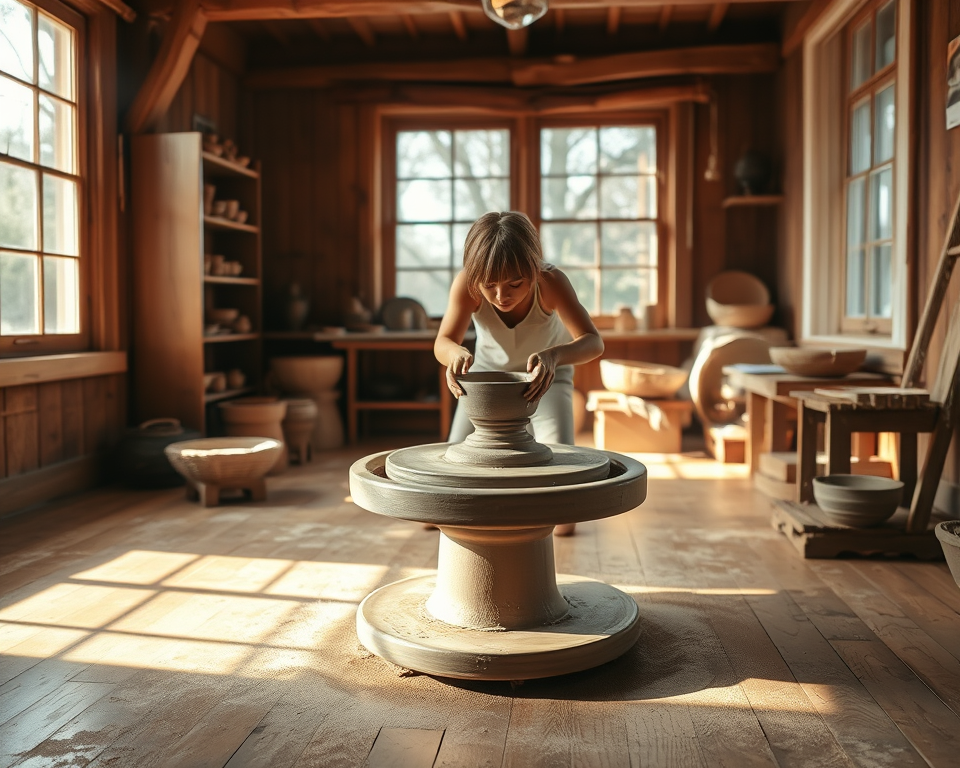
Pottery is one of those magical art forms that can transform a lump of clay into a breathtaking piece of art. I remember my first time at the pottery wheel, feeling that familiar mixture of excitement and anxiety. If you’re like me, you’re probably wondering where to start. The tools? The clay? It seems overwhelming at first. But don’t worry, I’m here to walk you through everything you’ll need to succeed in your pottery journey!
Key Takeaways:
- Start with the basics: a pottery wheel and some clay; you don’t need a ton of stuff to begin.
- Safety comes first! Make sure you have the right protective gear.
- Choosing the right clay type can make a huge difference in your projects.
- Don’t break the bank; there are budget-friendly options for your pottery needs.
- Check out local pottery classes; they can provide you with hands-on experience and valuable insights.
Table of Contents
- 1 Essential Pottery Tools
- 2 Types of Clay for Pottery
- 3 Additional Pottery Supplies
- 4 Pottery Resources for Beginners
- 5 Budget-Friendly Options for Pottery
- 6 Conclusion
- 7 Frequently Asked Questions
- 7.1 What is the difference between stoneware, earthenware, and porcelain ceramics?
- 7.2 How do I maintain my pottery wheel?
- 7.3 Can I use any type of clay in any kiln?
- 7.4 What should I wear for safety when working with pottery?
- 7.5 How do I choose the right glaze for my pottery project?
- 7.6 What’s the best way to store pottery tools?
- 7.7 How much does a beginner pottery setup cost?
- 7.8 Are pottery classes suitable for all skill levels?
- 7.9 How can I minimize clay shrinkage during pottery making?
- 7.10 Is it safe to work with glazes at home?
Essential Pottery Tools
Let’s kick this off with the essentials. You don’t need a whole pottery studio right out of the gate. Just a handful of tools will do to get your hands dirty and create some beautiful works!
Pottery Wheel
First up, the pottery wheel. This is the heart of your pottery setup. You have two main options here: electric wheels, which are super versatile and popular, or manual wheels that require a bit more muscle but can be just as enjoyable.
What’s my pick? The Wheeled Pottery Wheel by Sculptor is a great starter electric wheel. It’s affordable (around $300-$400), user-friendly, and does a fantastic job centering clay. The Shimpo VL-Lite is another solid choice for those sinking their teeth deeper into pottery. These electric wheels can run you about $700 or so but are worth it for the long haul.
Here’s a brief comparison:
| Product Name | Type | Price Range | Weight Capacity | Features |
|---|---|---|---|---|
| Sculptor Pottery Wheel | Electric | $300-$400 | 25 lbs | Adjustable height, sturdy base |
| Shimpo VL-Lite | Electric | $700 | 100 lbs | Portable, quiet operation |
Make sure to consider how much space you have for your pottery wheel. Trust me; you don’t want to end up with a wheel that’s just too bulky for your workspace!
Kiln
Next up is a kiln. This is where the magic really happens. Firing your pottery solidifies your work and gives it that beautiful finish. If you’re just starting, an electric kiln is the way to go! I’ve found the Paragon GL18 to be incredibly reliable—it’s priced around $650, which is actually pretty decent for home use.
When you look for a kiln, think about firing temperature requirements for the type of clay you’re using. Most beginner clays like stoneware and earthenware don’t need super high firing, so around 1,900°F is usually sufficient.
Also, safety is critical. Be sure to read all guidelines for installation and operation. Position your kiln away from flammable materials, and ensure adequate ventilation.
Hand Tools
Alright, let’s talk hand tools! Even if you’ve got your wheel and kiln, the right hand tools can really take your pottery to the next level. Here’s what I recommend having on hand:
- Potter’s rib: Great for shaping and smoothing your pieces.
- Needle tool: Perfect for cutting and detailing. I love using it for trimming pieces or marking my work.
- Looping tool: Ideal for removing clay and adding texture.
- Sponge: Useful for smoothing out and cleaning up your work.
- Trimming tools: These are essential for those intricate finishing details.
If you’re looking for a solid starter kit, try the 3-Piece Pottery Tool Set from Amaco. It usually retails for about $30 and covers the basics beautifully.
Safety Gear
I can’t stress enough how important it is to gear up for safety! Pottery can get messy and poses certain hazards, especially when you’re working with a kiln and glazes. Here’s a quick checklist of what you’ll need:
- Dust mask: Protect your lungs from the fine particles that fly around while mixing clay.
- Gloves: Depending on the glazes and clays you use, some materials can irritate your skin.
- Safety goggles: Protect those peepers! You never know when a piece might go rogue (or when you might accidentally splatter glaze).
By preparing and gearing up, you’ll enjoy your creative time even more, without worrying about safety concerns!
Types of Clay for Pottery
So, now that you’ve got your tools squared away, let’s dive into clay. The type you choose can really change the experience and final product.
Selecting the Right Clay
For beginners, I recommend starting with either earthenware or stoneware. Earthenware is great for practice because it’s inexpensive and easy to work with. You can find a 25-pound bag of Amaco’s earthenware clay for around $15—definitely budget-friendly!
Stoneware clay, on the other hand, is a bit pricier (often about $25 for the same 25-pound bag), but it’s much more durable once fired. If you plan on creating pieces that will see more use, consider investing in stoneware.
Here’s a quick breakdown of common clay types:
| Clay Type | Firing Temperature | Characteristics | Best Use |
|---|---|---|---|
| Earthenware | ~1,830°F | Soft, porous, can be glazed easily | Decorative pieces, pottery |
| Stoneware | ~2,190°F | Strong, dense, not very porous | Functional pots, dishware |
| Porcelain | ~2,400°F | Very fine, smooth, fragile | Fine art, detailed works |
Remember, choosing the right clay can mean the difference between a successful piece and a not-so-successful one. Don’t hesitate to experiment; it’s all part of the learning!
Additional Pottery Supplies
With the basics covered, let’s look at other supplies that can add some flair to your creations.
Glazing Supplies
Now, glazing can be an absolute game-changer in your pottery practice. The right glaze can elevate a simple mug into a work of art. Here’s what you need in your glaze toolkit:
- Glazes: Start with a few basic glazes, available at most craft stores. I recommend the AMACO Pottery Glaze line for beginners; it’s easy to apply and results are lovely.
- Pottery brushes: You’ll need these to apply glazes smoothly. Get a couple of different sizes for various applications.
- Kiln wash: This protective layer on your kiln shelves keeps your work from sticking during firings.
Cost Breakdown
You might be thinking, “How much am I getting myself into?” So, let’s break it down a bit. Here’s an estimated cost breakdown for a starter pottery kit:
| Item | Estimated Cost |
|---|---|
| Pottery Wheel | $300-$700 |
| Kiln | $600-$1,500 |
| Hand Tools Set | $30 |
| Clay (25 lbs) | $15-$25 |
| Glazes | $10 per pint |
| Safety Gear | $25 |
All in all, you’re looking at an initial investment of around $1,000 to $2,500, depending on how deep you want to dive! But remember, you can scale back based on your budget. Pottery can be done on a budget, so don’t stress; enjoy the process!
Pottery Resources for Beginners
To really nail your pottery game, consider tapping into local resources. Pottery classes can make a huge difference, especially if you’re just starting out.
Finding Pottery Classes
There’s nothing like learning from an experienced instructor. Local community colleges or art centers often offer pottery classes. You can even find workshops at nearby craft stores. Here are a few tips for finding the right class:
- Search online: Use terms like “pottery classes near me” to see what pops up in your area.
- Ask around: Local craft shops or art schools can also recommend great options.
- Try social media: Check out Facebook groups dedicated to pottery; you’ll find recommendations and even local events.
Not only will you gain valuable insights and hands-on experience, but you’ll also connect with fellow pottery enthusiasts. How awesome is that?
Budget-Friendly Options for Pottery
Sure, pottery can get pricey if you’re not careful. But there are loads of ways to keep costs down while still enjoying your new hobby.
Affordable Pottery Tools
DIY is your friend when it comes to budget pottery. You can create several tools from everyday items. For instance:
- Use a screwdriver instead of a trimming tool—it works great!
- Old credit cards or gift cards can be repurposed as potter’s ribs.
- For sponges and cloths, simply hit up the dollar store to save some cash.
Plus, keep an eye on deals. Websites like Discount School Supply and even Amazon often have sales on pottery supplies.
Cost-Effective Pottery
If you’re on a tight budget, consider purchasing second-hand or checking out local swap meets. Sites like Craigslist or Facebook Marketplace can lead to great finds—I snagged my first kiln that way!
Conclusion
Your pottery journey is just beginning, and I can’t tell you how exciting it is! With the right tools, clay, and community, you’ll find yourself creating beautifully unique works. Whether you’re sculpting a simple bowl or perfecting a mug, each piece is an experience worth diving into.
Now roll up those sleeves and get started! The pottery world is waiting.
Frequently Asked Questions
What is the difference between stoneware, earthenware, and porcelain ceramics?
The main differences lie in the clay composition and firing temperature. Stoneware is durable and fired at high temperatures, making it less porous. Earthenware is fired at lower temperatures, making it more porous and suitable for decorative pieces. Porcelain is a fine clay known for its strength and translucence, fired at very high temperatures.
How do I maintain my pottery wheel?
Regular maintenance includes cleaning the wheel after each use, checking for loose parts, and ensuring the motor runs smoothly. Lubricate the bearings according to the manufacturer’s guidelines and inspect the clay splash pan for cracks or buildup. Proper care extends your wheel’s life and improves its performance.
Can I use any type of clay in any kiln?
No, you must select clay compatible with the firing temperature of your kiln. Stoneware and porcelain are suitable for high-fire kilns, while earthenware is typically fired at lower temperatures. Using inappropriate clay can result in cracking or complete failure during the firing process.
What should I wear for safety when working with pottery?
When working with pottery, wear a dust mask to avoid inhaling clay dust, gloves to protect your hands from sharp tools, and safety goggles to safeguard your eyes from splashes. Additionally, ensure your workspace is well-ventilated to reduce inhalation risks from glaze materials.
How do I choose the right glaze for my pottery project?
Selecting the right glaze depends on the desired finish and functionality. Consider the type of clay you’re using, the firing temperature, and whether you want a glossy or matte finish. Always test your glaze on a small sample before applying it to your final piece.
What’s the best way to store pottery tools?
Store your pottery tools in a dry, organized space, preferably in a dedicated toolbox or storage solution. Keep hand tools separated to prevent damage, and consider labeling your storage areas. Proper storage prevents wear and helps you maintain your tools in good condition for future projects.
How much does a beginner pottery setup cost?
A beginner pottery setup can cost anywhere from $300 to over $1,000, depending on the quality of tools and equipment chosen. Expect to spend on a pottery wheel, basic hand tools, clay, and a kiln. Researching budget-friendly options and purchasing used equipment can help reduce initial costs.
Are pottery classes suitable for all skill levels?
Yes, many pottery classes cater to various skill levels, from complete beginners to advanced potters. Look for beginner-friendly classes that emphasize hands-on experience. Check local community centers and studios for programs that match your skill level and learning pace.
How can I minimize clay shrinkage during pottery making?
To minimize shrinkage, ensure that your clay has the right moisture content during shaping and avoid overworking it. Use a consistent drying process, allowing pieces to dry slowly and evenly. Experiment with different clay types to find one that suits your needs with less shrinkage.
Is it safe to work with glazes at home?
While many commercial glazes are safe for home use, it’s essential to follow safety guidelines. Always read labels for toxic materials, use gloves and masks during application, and ensure your workspace is well-ventilated. Research safe handling practices to minimize health risks associated with glaze materials.
