
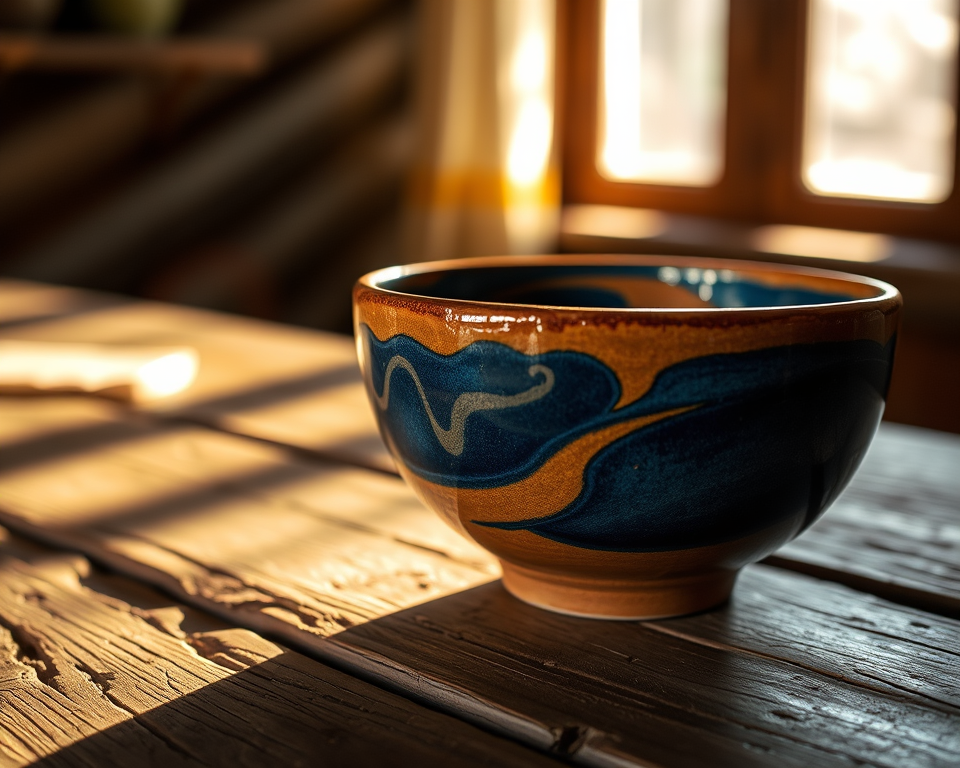
Ever look at a beautifully crafted pottery piece and wonder how it all began? There’s something magical about pottery that transcends time, connecting us to our ancestors in ways we might not even realize. I mean, think about it: we’re all part of this grand tapestry of human history, and pottery is one of those timeless threads that weaves us all together.
When I first started exploring the history of ceramics, I was blown away by how much depth and cultural significance this craft holds. If you’re eager to understand the roots of pottery and just how it evolved, you’re in the right spot. We’re going to unravel the tangled tale of pottery, from its ancient origins to its contemporary trends, and honestly, it’s going to be a trip worth taking.
Table of Contents
- 1 Key Takeaways
- 2 The Historical Significance of Pottery
- 3 Origins of Pottery
- 4 Key Developments in Pottery Techniques
- 5 Cultural Connections and Traditions
- 6 Notable Pottery Cultures
- 7 Archaeological Discoveries Related to Pottery
- 8 Case Studies of Significant Pottery Artifacts
- 9 Evolution of Pottery Over Time
- 10 Future Trends in Pottery and Ceramics
- 11 Resources for Further Exploration
- 12 Interactive Pottery Timeline and Profiles
- 13 Frequently Asked Questions
- 13.1 What materials were commonly used in the creation of ancient pottery?
- 13.2 How did early civilizations influence pottery techniques?
- 13.3 What were the primary uses of pottery in ancient societies?
- 13.4 Can you explain the significance of pottery in indigenous cultures?
- 13.5 What role does pottery play in modern archaeological studies?
- 13.6 How has pottery evolved with modern technology?
- 13.7 What are some challenges faced in pottery restoration?
- 13.8 How do pottery festivals contribute to cultural identity?
- 13.9 What are key factors influencing contemporary pottery trends?
- 13.10 Where can I find more resources to learn about pottery techniques?
Key Takeaways
- Pottery dates back to the Neolithic period, showcasing the creativity and resourcefulness of early humans.
- Different regions developed unique pottery styles that reflect their culture and environment, such as Chinese ceramics and Greek pottery.
- Modern techniques, including eco-friendly materials and 3D printing, are shaping pottery’s future.
- Pottery isn’t just art; it’s a reflection of social identities and cultural connections that have evolved over millennia.
The Historical Significance of Pottery
Let’s kick things off with why pottery matters so much in our shared history. Pottery isn’t just about making cute bowls or vases—it’s about artifacts that tell the stories of ancient civilizations. These ceramic creations serve as tangible links to the past, and their cultural significance is immense.
Picture this: archaeologists people digging through dirt layers and coming across ancient pottery artifacts. It’s like finding pieces of a puzzle that reveal how our ancestors lived, worked, and connected to their world. Between cooking vessels, storage pots, and ceremonial wares, these pieces reflect both historical context and human creativity.
Here’s something to chew on—pottery is one of the oldest crafts known to humanity. It’s believed the first actual pottery artifacts emerged around 29,000 BC. That’s right: we’re talking Neolithic times when the concept of creating with clay was a spark of genius!
“Pottery is not just clay fired in a kiln. It’s a testament to human innovation and a mirror to societal evolution.”
Origins of Pottery
So where did it all begin? The origins of pottery are rooted deep in the earth and evolve from the needs of early humans. Upon stumbling upon clay and realizing its malleability, ancient people kicked off a transformative journey. In those days, pottery produced items served practical purposes—think cooking, storage, and even ceremony.
The advent of pottery can be traced back to various regions around the world:
| Region | Notable Features | Approx. Date |
|---|---|---|
| East Asia | Initial use of stone sickles and clay for pots | c. 18,000 BC |
| Middle East | Development of fired pottery with intricate designs | c. 8000 BC |
| Europe | Use of coiling methods in the creation of pottery | c. 5500 BC |
| Africa | Utility pieces with functional designs and patterns | c. 5000 BC |
These pieces give us insight into the lives of early civilizations—what they ate, how they stored resources, and the rituals they practiced. Isn’t it incredible to think how something as simple as clay can tell us so much?
Key Developments in Pottery Techniques
Alright, let’s talk pots and pans! The journey of pottery techniques has been nothing short of fascinating. From early firing methods to the introduction of intricate glazing techniques, the evolution of pottery is filled with ingenuity.
At first, people were probably experimenting with clay, figuring out how to mold it into functional shapes. As time marched on, the methods improved. By the third millennium BC, we started seeing the introduction of pottery wheels—game-changers, really. Instead of shaping with hands alone, potters could create symmetrical and ornate pieces with relative ease.
Here’s a fun fact: ancient cultures developed firing techniques that varied significantly. For instance, Japanese Raku pottery uses a unique process involving rapid cooling after high-heat firing, resulting in stunning, unpredictable colors and textures. In contrast, Mediterranean pottery often focused on durability and elaborate designs, showcasing trade influences from neighboring regions.
Here are a few pivotal innovations in pottery:
- Firing Techniques: Different kilns, like the updraft kiln and downdraft kiln, have been used to achieve varied effects.
- Glazing Methods: Applying liquids made from minerals and paints added depth and beauty to pottery, turning functional items into true works of art.
- Pottery Wheels: Invented independently in various cultures, this tool expanded the possibilities for forms and shapes.
The interplay of technology and traditional crafting techniques paints a vivid picture of how art and utility collided throughout history. Each advancement represents a connection to our past as societies thrived and exchanged ideas.
Cultural Connections and Traditions
Pottery is nothing without its cultural ties! Every piece tells a story, and each culture has woven its unique narrative into its pottery styles. From indigenous practices to pottery rituals, we see how these creations express cultural identities. Take, for example, the traditional pottery made by Native American communities. Each tribe has distinctive designs tied to their history, environment, and beliefs, with functional pieces often adorned with symbolism reflecting their worldview.
Pottery has also been a means of cultural exchange. Imagine traders traveling from one region to another, bringing their skills and designs along with them. Over time, these interactions shaped local traditions and made pottery even more flavorful.
“Pottery is a living tradition, continuously evolving as communities innovate while keeping ties to their ancestors.”
Notable Pottery Cultures
When we look at significant pottery cultures, we can get an even deeper understanding of their importance. Each culture carries its marks like fingerprints, leaving behind valuable legacies that offer a glimpse into their societies. Let’s quickly stroll through a few standout pottery cultures.
Chinese Ceramics: With a legacy dating back to over 20,000 years, Chinese pottery is renowned for its beauty and craftsmanship. From delicate porcelain made during the Tang dynasty to the colorful Ming vases, these pieces reflect China’s evolution in art and culture.
Greek Pottery: Looks like the ancient Greeks were making waves well before the modern era! Their pottery often featured stunning depictions of mythology and daily life, telling captivating stories on their amphorae and kraters.
Mesoamerican Art: Pottery in ancient Mesoamerican cultures, like the Aztecs and Mayans, infuses intricate designs and vibrant colors. These pieces were often ceremonial or used in rituals, reflecting their significance in daily and spiritual life.
Analyzing these distinctive pottery styles, it’s clear that they’re more than mere objects of decoration. They’re cross-cultural influences that reveal much about trade, society, and artistic expression.
Archaeological Discoveries Related to Pottery
Let’s switch gears and dig into some archaeological discoveries of pottery that really stand out! Each excavation unearths new findings, adding layers to our understanding of ancient civilizations. Through analysis of ancient ceramics, we can piece together the history, technology, and social practices of these cultures.
Pottery plays a crucial role in archaeology—it serves as a tool for dating sites, unlocking insights into the daily lives of people. For example, certain pottery styles and techniques can indicate the time period a site was occupied. This is where the intersection of pottery and archaeology truly shines!
Here’s a little breakdown of how pottery informs archaeology:
| Archaeological Finding | Significance |
|---|---|
| Ancient Cooking Pots | Reveal dietary practices |
| Storage Jars | Indicate trade and storage habits |
| Ceremonial Vessels | Highlight cultural and ritualistic uses |
The best part? Preservation techniques also play a role. A well-kept pottery piece can survive thousands of years, so understanding how they were made and the materials used is critical. This knowledge helps archaeologists interpret the context behind each piece and its connection to the lives of ancient people.
“Pottery is the unsung hero of archaeology, providing tangible links to our shared human experience across time.”
Case Studies of Significant Pottery Artifacts
Now, let’s get personal with some famous pottery pieces that have transcended time. These cultural artifacts have made their mark in art history and should be celebrated for their craftsmanship.
Take the mesmerizing pieces from Kintsugi, a Japanese art form that embraces the philosophy of beauty in brokenness. Instead of discarding broken pottery, artisans repair it with lacquer mixed with gold, silver, or platinum. The result? Stunning works of art that highlight imperfections, inviting observers to reflect on resilience.
Another noteworthy artifact is the Tomb of the Diver from Paestum, Italy. This unique piece not only demonstrates the technical prowess of ancient Greek potters but also features lively frescoes that give us insight into ancient social life and beliefs.
To make things a bit easier for you, I’ve put together a quick table of significant artifacts and their historical context:
| Artifact | Culture | Significance |
|---|---|---|
| Kintsugi Pottery | Japanese | Philosophy of beauty in imperfection |
| Greek Red-Figure Vase | Greek | Depictions of mythology and daily life |
| Moche Portrait Vessels | Moche (Peru) | Showcases the wealth and status via intricate designs |
By studying these renowned artifacts, we glean deeper insights into the societies that created them. This information is vital for contextualizing the role of pottery within different cultures.
Evolution of Pottery Over Time
Time to chat about how pottery has evolved! As the world around us changes, so does the craft of pottery. Today’s modern pottery movements meld traditional methods with cutting-edge techniques, resulting in some wildly innovative pieces. Just picture eco-friendly materials and 3D printing reshaping the landscape!
Many contemporary ceramicists dive into sustainability, experimenting with reclaimed materials and non-toxic glazes. Brands like Rookwood Pottery and Heath Ceramics incorporate environmentally conscious practices to create pieces that don’t compromise on aesthetics or functionality. It’s all about creating without leaving a heavy footprint on the planet!
Let’s look at a few trends shaping pottery today:
Technological Advancements: The introduction of tools like 3D printers allows potters to experiment and create intricate designs that were unimaginable before.
Art Movements: Many potters are influenced by minimalism or abstract art, leading to pieces that blur the lines between functionality and pure art.
Community Workshops: A resurgence in pottery classes and community spaces connects people back to this ancient craft, preserving its traditions while pushing creative boundaries.
By acknowledging the past while embracing modernity, pottery continues to thrive. It evolves with society, reflecting our changing values and technologies.
Future Trends in Pottery and Ceramics
Alright, let’s peek into the crystal ball for a sec! What’s next for pottery and ceramics in our fast-paced world? As we look ahead, there are a few trends that really stand out.
One exciting area is eco-friendly materials. With a growing awareness of environmental impact, potters are increasingly experimenting with sustainable practices—think clay sourced responsibly and glazes made from natural materials. Brands are adapting to the call for green products, so it’s becoming easier for us all to incorporate eco-conscious choices into our lives.
Another interesting development is the integration of art movements within pottery. Pottery’s adaptability opens doors for artists to experiment with styles and techniques, infusing fresh ideas while honoring traditional practices. Local communities are also stepping up, offering workshops where people can connect with pottery and explore their creativity.
And let’s not forget technology! 3D printing is changing the game, allowing artists to experiment with complex designs and push boundaries that seem purely futuristic. Imagine walking into a gallery filled with unique pieces, each one a testament to the blend of technology and human creativity.
“Pottery is a canvas for innovation, reflecting our evolving values and lifestyles while keeping us grounded in history.”
Resources for Further Exploration
If you’re as intrigued as I am about pottery and ceramics, you’re probably itching to learn more! There’s a treasure trove of resources out there just waiting for you to dig in.
Books: Check out “The Potter’s Handbook” for a comprehensive look at techniques, and “Ceramics: A Potter’s Handbook” for a modern take on the craft.
Online Courses: Platforms like Skillshare and Udemy have tons of pottery courses, from beginner to advanced techniques. You can learn at your own pace with instructors passionate about pottery!
Local Workshops: Look for community courses or workshops in your area. It’s a fantastic way to get hands-on experience while connecting with fellow pottery lovers.
By diving into these resources, you not only expand your knowledge but also participate in the glory of pottery, preserving a piece of our shared heritage.
Interactive Pottery Timeline and Profiles
For those visual learners out there, an interactive pottery timeline could really be your thing! Fortunately, numerous websites offer timelines that showcase key milestones in pottery history, highlighting influential potters and cultures along the way.
Imagine scrolling through a visually rich timeline, clicking on different eras to learn more. You might explore patterns, shapes, and styles that developed over centuries. Many creators also profile pottery heritage sites where you can take virtual tours, giving you an inside look at how pottery impacts various cultures.
It’s like embarking on an online adventure through time, celebrating the connection between cultures and pottery while deepening your understanding of human creativity. You don’t want to miss out on this opportunity!
By diving into these materials and exploring interactive elements, you’ll gain the insights and tools needed to appreciate this beautiful art form. The rich history of pottery beckons us to keep connecting with our past, all while creating our stories through clay—one piece at a time.
Frequently Asked Questions
What materials were commonly used in the creation of ancient pottery?
Ancient pottery was primarily made from clay, which was abundant and malleable. Other materials like sand, fine stones, and organic additives were often mixed into the clay to enhance its strength and texture. In some cultures, glazes made from natural minerals were also used for decoration.
How did early civilizations influence pottery techniques?
Early civilizations, such as those in Mesopotamia and the Indus Valley, contributed significantly to pottery methods through innovations in firing and glazing processes. Techniques such as the potter’s wheel, introduced in ancient Mesopotamia, allowed for greater uniformity and complexity in pottery shapes, influencing regions worldwide.
What were the primary uses of pottery in ancient societies?
Pottery served various essential functions in ancient societies, including storage for grains, cooking vessels, and ceremonial items. It played a central role in daily life and rituals, reflecting the cultural values and lifestyles of the people who created it.
Can you explain the significance of pottery in indigenous cultures?
Pottery in indigenous cultures often holds deep cultural and spiritual significance. It serves as a medium for storytelling and preserving traditions, with specific designs and styles reflecting community identity and heritage. Techniques and motifs are often passed down through generations, embodying cultural memory.
What role does pottery play in modern archaeological studies?
In archaeology, pottery is used as a vital tool to understand ancient civilizations. Its resilience allows for dating through styles and techniques, revealing trade routes and cultural influences. Pottery fragments help researchers reconstruct social structures and daily life in historical contexts.
How has pottery evolved with modern technology?
Modern advancements, including computer-aided design (CAD) and 3D printing, have transformed pottery-making, allowing artists to experiment with new shapes and patterns. While traditional techniques remain valued, technology helps in expanding creative possibilities while incorporating sustainable practices.
What are some challenges faced in pottery restoration?
Restoring pottery artifacts can be challenging due to issues such as loss of original materials, chemical deterioration, and the need for stabilization. Restorers often face decisions about how much to clean or reconstruct an artifact, balancing preservation with the original aesthetic.
How do pottery festivals contribute to cultural identity?
Pottery festivals serve as vibrant expressions of cultural heritage, bringing communities together to celebrate craftsmanship. These events promote traditional techniques, educate visitors, and often include demonstrations that help preserve potting skills and foster community pride and identity.
What are key factors influencing contemporary pottery trends?
Contemporary pottery trends are influenced by sustainability and eco-friendly practices, as artists seek to use recyclable materials and minimize waste. Globalization also plays a role, as international styles and techniques blend, resulting in innovative, diverse pottery that reflects a global community.
Where can I find more resources to learn about pottery techniques?
Numerous resources are available, including online courses, pottery workshops, and academic journals. Local art centers often offer classes, while community pottery groups provide hands-on experience. Joining pottery forums and following ceramic art communities online can also enhance your learning journey.
