
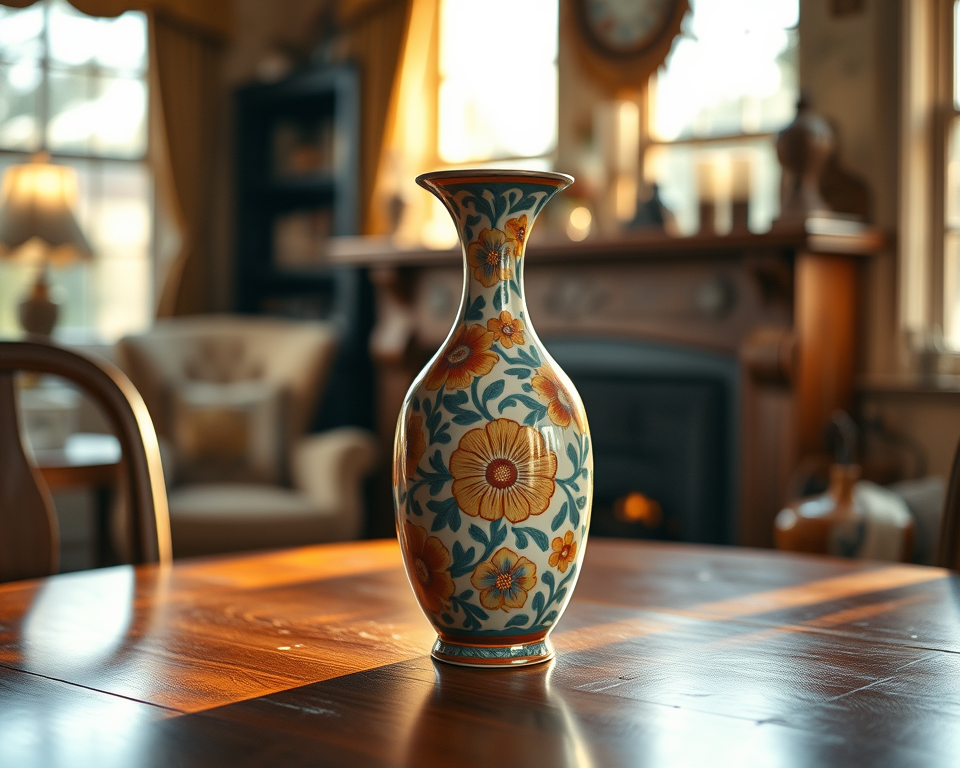
When I first stumbled upon Poole Pottery, I was taken aback not just by its vivid colors and captivating designs but by the rich history interwoven into every piece. Imagine holding a plate that has been part of a family’s dinner tradition for generations or a vase that once adorned the shelves of an elegant British home. The allure of vintage ceramics goes well beyond mere decoration; it taps into nostalgia, craftsmanship, and artistry. Whether you’re just beginning your pottery adventure or you’re a seasoned collector, this post is for you. I’ll take you through the fascinating story of Poole Pottery, giving you insights that’ll have you running to your nearest shop or online marketplace.
Table of Contents
- 1 Key Takeaways
- 2 History of Poole Pottery
- 3 Notable Styles and Patterns
- 4 Collecting Poole Pottery
- 5 Photography and Collection Highlights
- 6 Influence and Modern Relevance
- 7 Frequently Asked Questions
- 7.1 What is the historical significance of Poole Pottery in British pottery history?
- 7.2 How did the World Wars influence Poole Pottery’s production and style?
- 7.3 Can you explain the common methods used in early Poole Pottery production?
- 7.4 How can I identify authentic Poole Pottery pieces?
- 7.5 What are some of the most collectible patterns of Poole Pottery?
- 7.6 What are the current market trends for collecting Poole Pottery?
- 7.7 What photography techniques can enhance the presentation of Poole Pottery in collections?
- 7.8 How does Poole Pottery influence modern ceramics?
- 7.9 What advice do you have for new collectors of Poole Pottery?
- 7.10 How can I take care of and preserve my Poole Pottery collection?
Key Takeaways
- Poole Pottery has a profound history influenced by many cultural and artistic movements.
- Recognizing authentic Poole Pottery can elevate your collecting experience.
- Gathering tips for evaluating the value of pieces can save you money and help grow your collection.
- Engaging with the pottery community enhances the joy of collecting through shared experiences.
History of Poole Pottery
The Origins of Poole Pottery
Way back in 1873, Alfred and Charles F. Poole decided to set up a modest pottery workshop in Poole, Dorset. I mean, can you imagine the excitement they must have felt? Starting something fresh, right at the heart of the British ceramics scene! They began with basic stoneware and quickly developed their skills, introducing decorative ceramics that caught the eyes of the public. Early designs were rooted in functionality, but as they gained traction, their artistic flair started to take precedence, setting the groundwork for what we now appreciate as Poole Pottery.
I discovered that the initial production methods weren’t overly intricate. They relied on simple techniques that had roots in the local community’s traditions. Some people refer to this as the foundational period of British pottery. And let me tell you, knowing this background makes me appreciate each piece that much more!
Evolution Through the Decades
Jump forward to the 20th century, and we see Poole Pottery adapting and evolving. We’ve got two World Wars that stirred up everything. Like many businesses during tough times, they faced challenges—supply shortages, labor issues, you name it. Yet, out of these difficulties arose innovation. Techniques were modernized, and designs began to reflect the changing tides of society.
In the swinging sixties, they embraced color and abstract art. For me, it’s a testament to resilience: a pottery brand that not only survived but thrived through challenges. These decades saw the introduction of eye-catching patterns and brighter hues, setting Poole Pottery apart from other ceramics.
| Year | Key Event |
|---|---|
| 1873 | Founding of Poole Pottery |
| 1913-1918 | WWI influences, innovation |
| 1945 | Shift to decorative ceramics |
| 1960s | Emergence of abstract designs |
Isn’t it fascinating? Each era brings a new character, like personalities shaping a family tree. Poole Pottery became synonymous with creativity, blending traditional techniques with modern flair.
Notable Styles and Patterns
Recognizing Poole Pottery Styles
Now, let’s talk about the kaleidoscope of designs! Poole Pottery has a variety of standout styles, and each one is steeped in history. If you’ve ever marveled at the Blue Mountain pattern, you’re not alone. It’s one of the most recognized designs, featuring vibrant blues and earthy greens. I recall the first time I saw it—I felt like I had just stumbled onto a piece of art that spoke to my soul!
Authenticity is key. You’ll want to look for certain features when identifying Poole Pottery: the quality of the craftsmanship, the colors used, and the distinct patterns. Beginners often find it challenging, but once you familiarize yourself with the characteristics, you’ll feel like a pro.
Characteristics of Popular Patterns
One of my all-time favorites is the Twintone pattern, a marriage of two colors that gives each piece a distinct personality. The shades harmonize beautifully—perfect for making a statement on any dining table. There’s also the eye-catching Dorset Blue color palette that captures the lush landscapes of its namesake, leaving no room for doubt about its British roots. I can just picture it in a quaint country home!
These patterns aren’t just pretty faces; they hold cultural significance as well. They reflect trends of their times, illustrating how art and culture influence the world around us. Knowing the story behind each piece really elevates the experience, don’t you think?
Collecting Poole Pottery
Tips for New Collectors
For all you newcomers to the Poole Pottery scene, here are some pivotal tips. First, familiarize yourself with reliable sources: always cross-reference information about pottery techniques, styles, and age. It pays off, trust me! You’ll often find beginner-friendly resources online or at local libraries.
Next, engage with the community. There are countless forums and social media groups dedicated to collectors. You never know when you might score that hidden gem! It’s a great way to connect and learn from experienced collectors who’ve had their shares of triumphs and losses.
Evaluating Poole Pottery Value
Wondering how to gauge a piece’s value? Dive into the prices trending in online marketplaces. You can find a wealth of resources out there! From eBay listings to specialized antique shops, it’s eye-opening to see what specific pieces fetch.
The rarity of a piece plays a significant role, too. Some designs were produced in limited quantities, making them more valuable than others. It’s like finding that golden ticket in a sea of chocolate bars—that thrill is real!
Here’s a table of some popular Poole Pottery pieces and their estimated current values:
| Piece | Estimated Value |
|---|---|
| Blue Mountain Plate | $80 – $150 |
| Twintone Vase | $120 – $200 |
| Abstract Design Bowl | $100 – $250 |
| Classic Dorset Blue Dish | $75 – $125 |
Keep your eyes peeled; treasures are just waiting to be found!
Photography and Collection Highlights
Tips for Capturing Poole Pottery
Once you’ve got your collection, how do you show it off? Photography! Trust me, capturing your beautiful ceramics doesn’t need to be complicated. Lighting is everything—natural sunlight works wonders. I love using soft morning light for that dreamy effect, highlighting the vibrant colors and intricate craftsmanship.
When styling your shots, try different angles. Get close-ups to emphasize the fine details. No one can resist a beautifully captured image of pottery that tells its story!
Notable Collector Stories
One of my favorite parts about pottery collecting is hearing others’ stories. Recently, I chatted with a collector named Sarah who got her start by inheriting her grandmother’s vintage Poole Pottery collection. Hearing Sarah’s memories of family gatherings centered around those beautiful pieces brought tears to my eyes. It’s inspiring how ceramics can intertwine with personal history.
Engaging with fellow enthusiasts opens doors to being in a community where everyone shares similar passions. The connections are priceless—finding not just items, but also friendships and experiences.
Influence and Modern Relevance
The Legacy of Poole Pottery in Modern Ceramics
Poole Pottery may have its roots deep in history, but its influence doesn’t stop there. Take a look around today’s ceramics world, and you’ll see hints of Poole’s styles cropping up in modern artworks. This continuation of tradition is what connects the past with the present.
Many contemporary artists draw inspiration from historical designs, integrating traditional crafting methods into modern aesthetics. The connection to heritage resonates well with many young artists today, creating a beautiful balance between past and present.
Collectors Today: Insights and Trends
The landscape of collecting is evolving. With online marketplaces booming, more and more people are getting into pottery collecting. Auctions and dedicated websites offer a plethora of resources—from price guides to tips for navigating the marketplace effectively.
Most collectors nowadays value sustainability, leading them toward more eco-friendly purchasing options. I’ve noticed that many new pieces strive to marry tradition and sustainability. It’s great to see this modern sensibility harmonizing with historical techniques, making ceramics even more appealing!
I’ve shared this journey with you, but remember: while facts and figures are vital, it’s the stories and shared experiences that enrich the pottery community. Each piece you come across holds a narrative—from its creator to the hands that have cherished it. Happy collecting, my friend!
Frequently Asked Questions
What is the historical significance of Poole Pottery in British pottery history?
Poole Pottery has played a crucial role in British pottery history, particularly in the 20th century. Founded by Alfred and Charles F. Poole in 1873, it contributed to the evolution of decorative ceramics, introducing innovative techniques and designs that reflected changing artistic trends and societal values.
How did the World Wars influence Poole Pottery’s production and style?
The World Wars impacted Poole Pottery significantly, as materials were limited and resources were redirected. During these periods, the company adapted by focusing on simpler designs and functionality, leading to a shift in style that would later influence the post-war aesthetic, emphasizing practicality alongside artistry.
Can you explain the common methods used in early Poole Pottery production?
Early production methods at Poole Pottery involved traditional techniques such as hand-thrown pottery, slip casting, and hand-painting. This craftsmanship, rooted in local Dorset traditions, combined artistic vision with functional design, establishing Poole as a reputable name in ceramics.
How can I identify authentic Poole Pottery pieces?
To identify authentic Poole Pottery, look for the backstamp, which typically includes “Poole” and sometimes a pattern name. Authentic pieces often display unique designs, vibrant colors, and quality craftsmanship. Research specific patterns and year ranges for better accuracy.
What are some of the most collectible patterns of Poole Pottery?
Some of the most collectible patterns include the Blue Mountain pattern and Twintone colors. These designs not only showcase the artistic innovation of Poole Pottery but also carry cultural significance, often appealing to collectors for their unique aesthetic and historical value.
What are the current market trends for collecting Poole Pottery?
Current market trends indicate a growing interest in vintage ceramics, including Poole Pottery. Collectors are increasingly seeking unique, high-quality pieces, resulting in steady value appreciation for well-preserved items. Online marketplaces have also broadened access to collectors globally.
What photography techniques can enhance the presentation of Poole Pottery in collections?
To enhance photography of Poole Pottery, use natural lighting to minimize glare, utilize a neutral background that emphasizes the piece, and capture images from various angles to showcase intricate details. Consider macro lenses for close-ups that highlight craftsmanship.
How does Poole Pottery influence modern ceramics?
Poole Pottery has impacted modern ceramics through its innovative use of color, form, and technique. Many contemporary artists draw inspiration from its legacy, integrating historical methods into present-day practices, resulting in a fusion of traditional craftsmanship and modern aesthetics.
What advice do you have for new collectors of Poole Pottery?
New collectors should start by researching common patterns and values, connect with local collectors or online communities for shared insights, and visit pottery exhibitions to gain experiential knowledge. Attending auctions can also provide learning opportunities around pricing and provenance.
How can I take care of and preserve my Poole Pottery collection?
To preserve your Poole Pottery, keep pieces in a stable environment away from direct sunlight and extreme temperatures. Use gentle cleaning methods, such as soft cloths and mild soap, ensuring not to damage painted surfaces. Regularly inspect for chips or cracks to maintain their value and beauty.
