
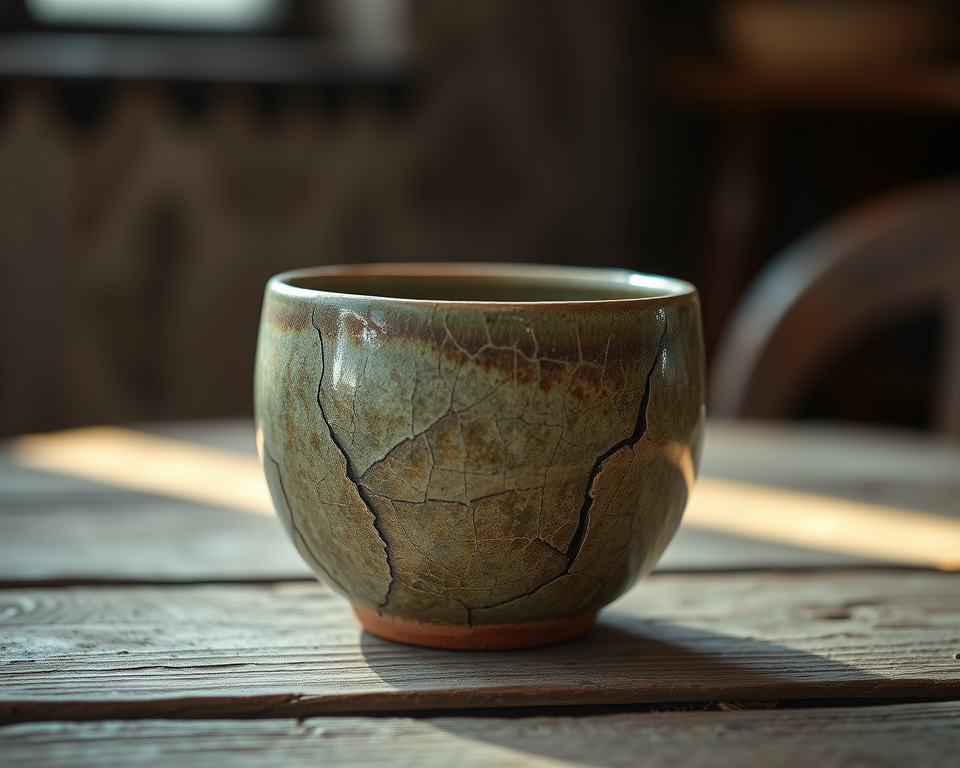
Ah, the age-old battle with pottery cracking! If you’re like me, you’ve poured your heart and soul into those delicate creations, only to be met with the dreaded sight of cracks running like highways across your masterpiece. I know firsthand how frustrating this can be—each crack feels like a personal failure. But don’t worry; I’m here to share the wisdom I’ve gathered over the years. This isn’t just about feeling defeated; it’s about arming ourselves with knowledge so we can turn those cracked pots into stories of triumph!
Table of Contents
- 1 Key Takeaways
- 2 Understanding the Causes of Pottery Cracking
- 3 Practical Tips for Preventing Pottery Cracks
- 4 Troubleshooting Common Pottery Cracking Issues
- 5 Frequently Asked Questions
- 5.1 What types of clay are best for pottery?
- 5.2 How can I tell if my clay is of good quality?
- 5.3 What environmental factors affect the drying process of pottery?
- 5.4 Can glaze application contribute to cracking in pottery?
- 5.5 What are some common ceramic adhesives used for pottery repairs?
- 5.6 How do I assess the severity of cracks in my pottery?
- 5.7 What should I do if my pottery cracks during drying?
- 5.8 How can joining pottery communities help with problem-solving?
- 5.9 What is the significance of documenting my pottery process?
- 5.10 Are there specific tools I need for pottery repair?
Key Takeaways
- Invest in quality clay: Low-quality clay can lead to all sorts of disasters. Trust me; it’s worth the extra bucks!
- Slow down the drying process: Rapid drying can spell doom for your pottery. Make sure to take your time with it!
- Pay attention to firing temperatures: That kiln of yours isn’t just a fancy oven; the right temperatures are crucial for success.
- Avoid thermal shock: Sudden temperature changes can take your pottery from hero to zero. Handle with care!
- Manage shrinkage: Understanding how clay shrinks and expands is key to keeping your pieces intact.
Understanding the Causes of Pottery Cracking
Let’s kick things off by identifying the primary reasons our beloved pottery might be cracking. Cracking isn’t just a simple flaw; it’s a clue, a breadcrumb leading us back to the root of the problem. Once we know what we’re dealing with, we can tackle these issues head-on!
Poor Clay Quality
So, first up: poor clay quality. I’ve made this mistake more times than I can count. You might think you’re saving a few bucks by picking the cheapest clay option, but trust me, the pain of dealing with cracks is not worth the pennies saved. Low-quality clay often contains impurities or inconsistent particles that can lead to all kinds of pottery flaws.
When I finally invested in high-quality clay, like Laguna Clay’s B-Mix 5 (about $20 for a 25 lb bag), I was blown away by the difference. This clay is versatile and, most importantly, it has fantastic firing compatibility. No more ugly surprises when I opened the kiln!
Rapid Drying
Now, let’s talk about drying. When I first got into pottery, I had no idea that my enthusiastic crafting was leading to rapid drying. I would leave my pieces out on the table and forget them for hours. It’s a recipe for disaster, my friends! Rapid moisture loss stresses the pottery, leading to cracks before it even sees the kiln.
To combat this, I’ve found that controlled drying techniques, such as wrapping my pieces in plastic or using a drying chamber, works wonders. You might want to invest in a nice drying rack designed for pottery—like the AMACO Pottery Drying Rack. It’s worth every penny ($70), and it helps create a stable environment for your creations.
Inadequate Firing Temperature
The kiln is where the magic happens, right? But let’s not forget that firing temperatures matter! If you’re like me, you may have turned up the kiln without considering the consequences. If your pottery isn’t reaching the adequate temperature during firing, it can lead to underfiring, which weakens your work and, you guessed it, causes cracks.
I now swear by using a programmable kiln like the Paragon SC-2. It’s around $500, and it lets you set precise temperature schedules. Trust me; having control over the firing process turns the kiln from a black box to a trustworthy partner in creation.
Thermal Shock
Next up is thermal shock. It sounds dramatic, doesn’t it? But the reality is that sudden temperature changes can put your pottery under immense stress. I had a friend who dunked her hot piece into cold water straight out of the kiln—guess what happened? Cracks everywhere!
To avoid this, I always make sure to cool my ceramics gradually. You can also invest in thermal shock-resistant clay like Stoneware, which is designed to handle those temperature fluctuations. It’s more expensive, but your pottery deserves the best, right?
Shrinkage Issues
Finally, we can’t overlook shrinkage issues. If you didn’t know, clay shrinks as it dries and fires, and sometimes it shrinks too much or unevenly, which can lead to cracks. This was a tough pill for me to swallow, as I always wanted to create intricate designs, but I had to learn to factor in shrinkage rates during my crafting process.
Recommended resources like “Understanding Pottery Shrinkage” by Richard Aerni are invaluable. Plus, I swear by keeping a log of my clay’s shrinkage rates and behaviors—it’s a game changer for predicting how my finished pieces will turn out!
Practical Tips for Preventing Pottery Cracks
Now that we’ve pinpointed the culprits of cracks in our pottery, it’s time to dive into preventing them—not through guesswork, but actual strategies.
Selecting the Right Clay
First thing’s first: always select the right clay. This is crucial for ensuring your work holds up beautifully. When in doubt, something like Amaco’s Raku clay will make sure you don’t rush the process. Testing different clay compositions can help you decide which one suits your style and techniques.
Something I like to do is read reviews from other potters or even participate in local pottery community workshops to get firsthand advice on what works!
Controlled Drying Techniques
Next, let’s revisit the drying process. Remember, patience is key! Instead of leaving your creations out like I did, wrap them in plastic or move them to a humid area to slow moisture loss.
One cool trick I learned from experienced potters is to use a damp sponge inside a sealed plastic container with your pottery. It creates a mini-humid environment, allowing for a gradual drying process. Simple but effective!
| Issue | Solution | Estimated Cost |
|---|---|---|
| Rapid Drying | Damp sponge in a sealed container | Free (using what you have) |
| Poor Clay Quality | Invest in high-quality clay | $20-$500 |
| Inadequate Firing | Use a programmable kiln | $500 |
| Thermal Shock | Gradual cooling techniques | Free |
| Shrinkage Issues | Keep a log of shrinkage rates | Free |
Adjusting Firing Practices
You can’t forget about firing practices. I learned the hard way that firing my pots too quickly led to quite a few shattered dreams (and pots). Adjust your kiln settings to ensure a gradual increase in temperature, allowing your pottery to adjust without feeling overwhelmed.
Also, make sure to load your kiln properly—space is essential for airflow. This simple step can make a world of difference.
Using Proper Glazing Techniques
Glazing is where the real magic happens, and it can also cause crazing or cracking if done wrong. I used to slap on glaze like I was icing a cake, but what I was really doing was setting myself up for failure. The thickness matters; I always aim for a smooth, even coat—no more than a 1/16 inch thick.
Try experimenting with different types of glazes—in my experience, the Clear Gloss Glaze by Mayco has never failed me. Typically about $20 per pint, it’s durable and brings out the color in your clay beautifully.
Regular Pottery Maintenance
After you’ve mastered the crafting process, don’t forget about regular maintenance! A checked pot is a happy pot. Make it a habit to examine your pottery regularly for any early signs of cracks. If you see something, address it right away.
I’m personally a fan of creating a potter’s toolkit with repair supplies, including ceramic adhesive and some leather tools for smoothing over any minor cracks. You can buy these supplies for roughly $50 and they’ll last you ages.
Troubleshooting Common Pottery Cracking Issues
Alright, let’s talk about troubleshooting if things go awry. Even the best potters face issues—it’s part of the game. But knowing how to diagnose and react can save you time, damage, and frustration.
Diagnosing the Problem
When you first spot cracks, don’t panic. Instead, assess the damage carefully. I take a close look at the cracks and consider several factors:
- Did I rush through drying?
- Is this a result of poor-quality clay?
- Were there sudden temperature changes?
A few basic tools, like a magnifying glass or a simple inspection tool, can help you analyze the cracks more closely. Document your findings, as this can help you establish patterns.
Repairing Cracks in Pottery
If you find cracks, don’t lose hope! There are several methods to repair them—everything from using epoxy adhesives to fill small cracks to more advanced techniques for larger breaks.
One tip I often share is to use a high-quality adhesive like Aleene’s Original Tacky Glue for minor cracks. It’s less than $10 and works wonders for small repairs. For bigger damages, consider investing in a pot repair kit that includes epoxy specifically designed for ceramics.
Learning from Failures
Every crumbled project taught me something valuable. Keep a journal detailing what went right and what went wrong with each piece. This will not only help you track your progress but also become a resource I often refer back to for assuring similar mistakes don’t happen twice.
Seeking Expert Advice
Never underestimate the power of community! Joining a pottery group, whether online or locally, can greatly enhance your learning experience. I chat regularly with other potters through forums like Pottery Heads or local workshops to share tips and tricks.
This isn’t just a hobby; it’s a passion. These exchanges can mean the difference between a cracked piece and a showstopper!
Documenting Your Experiences
Lastly, I always advocate documenting your pottery journey. Whether it’s keeping a photography log of your pieces or jotting down your experiences in a notebook, this practice will help you learn over time.
There are great apps like “Pottery Tracker” that let you record your successes and failures right on your phone. Plus, revisiting those moments can inspire future projects and spark ideas for your next creations.
Remember, every crack tells a story. The next time you see one on your pottery, don’t think of it as a flaw—think of it as a lesson waiting to be learned.
Frequently Asked Questions
What types of clay are best for pottery?
Different types of clay serve various purposes in pottery. Stoneware clay is durable and ideal for functional items, while porcelain is known for its fine quality and translucence, making it perfect for delicate pieces. Earthenware is more porous and commonly used for decorative items. Choose clay that aligns with your project goals.
How can I tell if my clay is of good quality?
Good quality clay should have a consistent texture without lumps or impurities. When kneaded, it should feel soft and pliable without cracking. Also, consider the manufacturer’s reputation and reviews, as these can provide insight into the clay’s reliability and suitability for different pottery techniques.
What environmental factors affect the drying process of pottery?
Humidity, temperature, and air circulation play significant roles in the drying process. High humidity can slow down drying, while low humidity can cause rapid moisture loss, leading to cracks. A well-ventilated area with a consistent temperature is ideal for controlled drying.
Can glaze application contribute to cracking in pottery?
Yes, improper glaze application can lead to cracking. If glaze is applied too thickly, it can apply uneven stress during firing, resulting in cracks. It’s crucial to follow recommended thickness guidelines and ensure the glaze is compatible with the clay body to avoid these issues.
What are some common ceramic adhesives used for pottery repairs?
Some effective ceramic adhesives include epoxy, super glue, and specialized pottery adhesives. When selecting an adhesive, consider its durability, curing time, and whether it withstands moisture. Always test the adhesive on a small area first to ensure compatibility with your pottery.
How do I assess the severity of cracks in my pottery?
To assess cracks, visually inspect the piece for length and depth. Surface cracks that don’t penetrate deeply may be less serious than those that compromise structural integrity. You can gently press around the crack; if it flexes or sounds hollow, it likely requires repair before use.
What should I do if my pottery cracks during drying?
If cracks appear during the drying phase, assess their severity. For minor cracks, you might be able to fill them with a slip made from your clay. However, if they are extensive, it’s best to halt the process, repair the cracks, and allow it to dry more slowly in a controlled environment.
How can joining pottery communities help with problem-solving?
Joining pottery communities or forums enables potters to share experiences, ask questions, and gain insights from those who have encountered similar challenges. This support network can provide practical advice on specific issues, fostering skill improvement through shared knowledge and techniques.
What is the significance of documenting my pottery process?
Keeping a journal of your pottery process allows you to track techniques, materials used, and outcomes. This practice helps identify patterns or recurring issues, facilitating easier troubleshooting and refinement of your skills. Regular documentation also encourages reflection on personal growth as a potter.
Are there specific tools I need for pottery repair?
Essential tools for pottery repair include a fine brush for applying adhesive, a small scraper for cleaning cracks, and possibly pins or clamps to hold pieces together while the adhesive sets. A heat source may also be useful for curing certain types of adhesive faster.
