
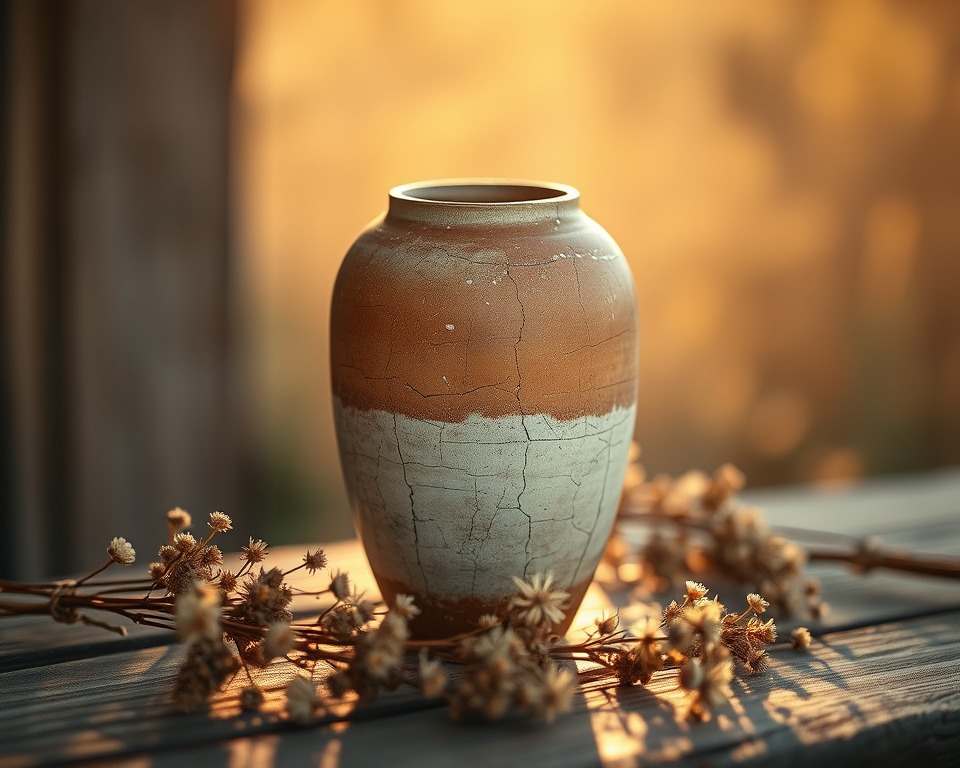
When it comes to pottery, there’s just something about that weathered look that speaks to the soul, right? You know, the kind that makes you feel like you’re holding a piece of history in your hands. If you’ve ever longed for that vintage vibe in your pottery but didn’t know where to start, you’re in luck! Today, I’m sharing some super cool methods to age your pottery, whether you want it to reflect the elegant touches of time-tested artistry or you’re just looking to add a little rustic charm to your décor. Let’s get those creative juices flowing!
Table of Contents
- 1 Key Takeaways
- 2 Methods for Aging Pottery
- 3 Step-by-Step Instructions for Aging Pottery
- 4 Safety Precautions When Aging Pottery
- 5 Frequently Asked Questions
- 5.1 ### What are some effective methods for natural aging of pottery?
- 5.2 How can I successfully achieve a faux aging effect quickly?
- 5.3 Can you recommend specific materials for artificial aging techniques?
- 5.4 What are some common mistakes to avoid when aging pottery?
- 5.5 How should I safely handle chemicals used for aging pottery?
- 5.6 What are some DIY tips for beginners interested in aging pottery?
- 5.7 Is it possible to reverse the aging process, and how can it be done?
- 5.8 Can natural aging techniques damage my pottery?
- 5.9 Are there specific safety precautions to take while using paints for aging pottery?
- 5.10 What are some inspiring project ideas for aged pottery?
Key Takeaways
- Aging pottery can be done through natural or artificial methods, each giving a different aesthetic.
- Key materials are essential for achieving the vintage effect; invest in quality supplies like earth pigments and chemical agents.
- Visual examples and user experiences are crucial; they inspire and guide your aging projects.
- Safety first! Don’t forget about essential gear when handling chemicals and materials.
- Avoid common mistakes by following this step-by-step guide, ensuring you won’t get frustrated along the way.
Methods for Aging Pottery
You might be wondering, “What’s the best way to get that aged look?” Let’s break it down into two main categories: natural aging techniques and artificial aging techniques. Each has its pros and cons, depending on the vibe you’re going for and the time you want to dedicate.
Natural Aging Techniques
First up, natural aging. Think sun, wind, and good ol’ Mother Nature doing her thing. Outdoor elements work wonders to age pottery organically. If you’re up for a bit of experimentation, here are some methods to consider:
Sun Exposure: Simply leave your pottery out in the sun for a week or two. This slow weathering process can create subtle fading and give that authentic vintage charm. A great tip here is to flip the pieces occasionally to ensure even exposure!
Rain and Wind: Placing your pottery outdoors, where it can be exposed to rain and wind, can enhance that aged effect over time. The elements will naturally chip and wear pottery, creating a unique look that’s impossible to replicate.
Soil Aging: Burrowing your pottery into enriched soil can give it an earthy appearance. Depending on the soil mixture, it may create textures or patinas as the minerals seep into the pottery.
It’s this connection to nature that can allow your piece to truly embody the story of its surroundings. As you experiment, keep in mind to document the changes. You’ll be amazed at the subtleties that emerge through exposure!
Artificial Aging Techniques
If you’re looking for a more immediate transformation, artificial aging techniques can work wonders. Synthetic materials and creative methods can replicate those weathered textures you want. Here’s how to achieve that quickly:
Paint Aging: A strategic application of acrylic or chalk paint can mimic the look of aged pottery. Try lightly brushing a base color, followed by a darker shade to create depth. For example, a burnt sienna can give a lovely terracotta appearance.
Chemical Aging: There are products out there designed specifically for creating a distressed finish. I’ve had great luck with products like Rust-Oleum’s Stone Spray, which provides a textured surface that looks organic and earthy. It runs about $15 at your local craft store. Not to mention, Jolie Paint in “Aged Gray” has a beautiful finish that really brings out the vintage look, easily adding to your project for around $34 per quart.
Distressing Techniques: Use sandpaper or even a metal brush to wear down edges and areas of your pottery. Gently sanding the corners can create that lovely “been around for ages” look! Just be sure to start with a light touch; you can always go deeper if needed.
With these artificial methods, the beauty lies in the details. Remember to layer your approaches — a little paint here, a bit of sanding there, and suddenly, you’ll be holding a priceless-looking piece!
Step-by-Step Instructions for Aging Pottery
Let’s get into the details, shall we? Here’s a step-by-step guide to aging your pottery effectively. Don’t worry; I’ll keep it easy-peasy.
Materials Needed for Aging Pottery
Before we launch into the project, gather all your materials. Trust me, having everything in one place makes everything smoother. Here’s a quick checklist of what you’ll need:
| Material | Purpose | Cost (Approx.) |
|---|---|---|
| Acrylic or chalk paint | For artificial aging | $10 – $35 |
| Sandpaper/metal brush | Distressing edges | $5 |
| Rust-Oleum Stone Spray | Textured finish | $15 |
| Jolie Paint | Base color for painting | $34/quart |
| Natural soil | For natural aging | Free |
| Clear sealant | To protect your finish | $8 – $20 |
| Protective gear (masks, goggles) | Safety first | $5 – $30 |
Make sure to choose paints and finishes that resonate with your style. This is where your personal touch comes into play.
Best Materials for Natural Aging
When you’re going the natural route, sticking to organic materials doesn’t just help age your pottery; it also contributes to a more sustainable approach. Here are some fantastic materials:
Earth Pigments: These are natural colorants obtained from the earth that give a rich, organic look. You can find some for about $8-$15 per ounce through art supply stores.
Eco-Friendly Sealants: A natural shellac or beeswax sealant can not only protect your work but also add that natural feel. They tend to be a bit pricier, around $25-$35, but worth it for that old-world appeal.
Organic Soils: You can use compost or nutrient-rich soil to age your pottery in a natural way. Free and easy to access, just remember to keep an eye on your pieces while they’re outdoors!
These natural products don’t just enhance the look—they tell a story about your relationship with art and nature.
Best Materials for Artificial Aging
For those who prefer to use synthetic materials to get that aged look quickly, here’s what I recommend:
Chalk Paints: A favorite among many DIY enthusiasts! These paints adhere beautifully to pottery and create a chalky finish reminiscent of vintage items. The Annie Sloan Chalk Paint starts at $32 and is a fantastic investment.
Chemical Aging Solutions: Check out American Paint Company’s Tough Coat. It’s a great combination of durability and that aged-looking finish, priced around $24.
Textured Additives: Products like FolkArt Home Decor Chalk can add a lovely vintage patina as well! Usually around $8 for a bottle, it’s an affordable option to provide depth.
With the right materials, artificial aging can be both exciting and rewarding. You will notice how different finishes produce varied results—experimenting is part of the fun!
Visual Examples of Aged Pottery
Visual components are essential in pottery aging. They inspire and guide our creative processes. It helps to see before-and-after images to get a feel for what you can achieve.
Sometimes, I find myself scrolling through Pinterest or pottery community forums, where fellow enthusiasts showcase their aged masterpieces! It gives me all the feels, and I can assure you it’ll spark your creativity.
Here are some pointers for gathering visual inspiration:
- Search for before-and-after images of various aged pottery projects.
- Join pottery forums; these spaces often contain a treasure trove of user-generated content that showcases real-life experiences.
- Create an inspiration board—collate images you love!
This process not only sharpens your vision but also brings forth a sense of community that can be incredibly motivating.
Inspiring Projects and User Experiences
There’s nothing like hearing from fellow pottery lovers, right? Their experiences can be exceptionally beneficial, especially for those of us who might run into the occasional hiccup along the way. One of my favorite potters shared how using coffee grounds mixed with chalk paint created a lovely textured look. Who would’ve thought?
In a recent online forum, a user expressed how layering different textures transformed their piece into an heirloom! It got them thinking outside the box—sometimes, it’s about exploring ideas and fine-tuning techniques that lead to fantastic results.
If you decide to jump into this pottery aging adventure, don’t hesitate to document your progress! Share photos and stories; the pottery community thrives on inspiration and positive feedback.
Common Mistakes and How to Avoid Them
We’ve all been there, haven’t we? Starting a project with excitement only to realize there was a major misstep. Here are a few common mistakes in aging pottery—and how to sidestep them:
Skipping the Testing Phase: Always test a small area or an extra piece of pottery first before applying techniques to your final project. This way, you’ll avoid any unpleasant surprises!
Not Using Protective Gear: Safety first! Many people may overlook protective gear, but trust me, it’s essential, especially when working with chemicals or messy materials.
Overdoing It: Sometimes, less is more. Going overboard with paint or distressing methods can lead to an artificial look rather than the vintage charm we’re after.
From personal experience, thinking things through and pacing yourself during projects can save you from frustrating mishaps later. Don’t rush the process!
Safety Precautions When Aging Pottery
Working with various materials can be a blast, but let’s not forget about safety. There’s nothing worse than a fun creative day turning into something hazardous.
Essential Safety Gear
Here’s a breakdown of the essential safety items to keep nearby while you’re busy crafting:
Protective Masks: Whether you’re sanding or using paint that has a strong scent, wearing a mask is crucial. It protects you from inhaling harmful chemicals.
Safety Goggles: A must-have when using anything that might splatter. Your eyes are precious—protect them!
Gloves: Latex or nitrile gloves can keep your hands safe from chemicals and make cleanup much easier.
My mom always said, “An ounce of prevention is worth a pound of cure,” and that’s so true here. Investing a few bucks in safety gear is worth it when you consider the fun you’ll have with peace of mind.
Handling Materials Safely
Once you have your safety gear on, it’s only a matter of handling the materials correctly. Here are some tips to keep in mind:
Read Labels: Always check safety instructions for any paint or chemicals you’re using. Different products will have different handling requirements.
Proper Storage: Store raw materials as per guidelines, keeping hazardous chemicals away from children and pets.
Workspace Organization: Maintain a clear workspace to avoid dangerous spills and accidents while you’re working on your project.
Emphasizing safe habits makes the creative experience more enjoyable. That way, your only focus will be on creating beautiful aged pottery that tells a story.
With these methods, materials, experiences, and safety tips, you’re well on your way to bringing that vintage pottery look into your home. Whether through outdoor elements or innovative finishes, your journey into aging pottery will be packed with creativity and excitement!
Frequently Asked Questions
### What are some effective methods for natural aging of pottery?
Natural aging of pottery can be achieved through exposure to environmental elements like sunlight, water, and wind. Techniques include displaying pieces outdoors for extended periods or utilizing natural materials such as earth pigments and biodegradable products to enhance the authentic look of vintage pottery.
How can I successfully achieve a faux aging effect quickly?
To create a faux aging effect, try using artificial additives like aging solutions, paints, or chemical agents that mimic the look of aged pottery. Utilize techniques such as dry brushing, sponging, or applying a patina to achieve a weathered appearance without the lengthy process of natural aging.
Can you recommend specific materials for artificial aging techniques?
For artificial aging, consider using paints like acrylic or chalk paint, as well as aging simulators available in arts and crafts stores. Chemical solutions designed for weathering can also be effective, such as vinegar or saline mixtures, which can create a rusted or aged finish on your pottery.
What are some common mistakes to avoid when aging pottery?
Common mistakes include overdoing the aging process by applying too much product, not prepping the pottery surface adequately, or using incompatible materials that can cause peeling or damage. Always test methods on a small area before applying them to the entire piece.
How should I safely handle chemicals used for aging pottery?
Always wear protective gear such as gloves and masks when handling chemicals. Work in a well-ventilated area and read safety data sheets for all materials used. Ensure proper storage for chemicals to avoid accidents with children or pets.
What are some DIY tips for beginners interested in aging pottery?
Beginners should start with simple techniques, such as distressing with sandpaper or using a stain for minor weathering effects. Experiment with different aging solutions on less valuable pieces before applying them to cherished items to build confidence and skill.
Is it possible to reverse the aging process, and how can it be done?
Reversing the aging process on pottery can be challenging, but it may be possible using cleaning agents or restoration techniques like sanding or repainting. However, this can alter the original character of the pottery, so it is advisable to proceed with caution.
Can natural aging techniques damage my pottery?
While natural aging techniques are generally safe, prolonged exposure to harsh environmental conditions can potentially weaken or degrade pottery over time. It’s essential to monitor your pottery’s condition and bring inside or protect items as needed.
Are there specific safety precautions to take while using paints for aging pottery?
When using paints, ensure you are in a well-ventilated space to avoid inhaling fumes, and use water-based paints to minimize hazardous exposure. Always follow manufacturer guidelines for the safe use and disposal of painting materials.
What are some inspiring project ideas for aged pottery?
Consider creating themed displays using aged pottery in your home decor, or using aged pieces in outdoor gardens. Projects can include crafting plant pots or decorative bowls that feature a weathered look, enhancing both aesthetic appeal and functionality.
