
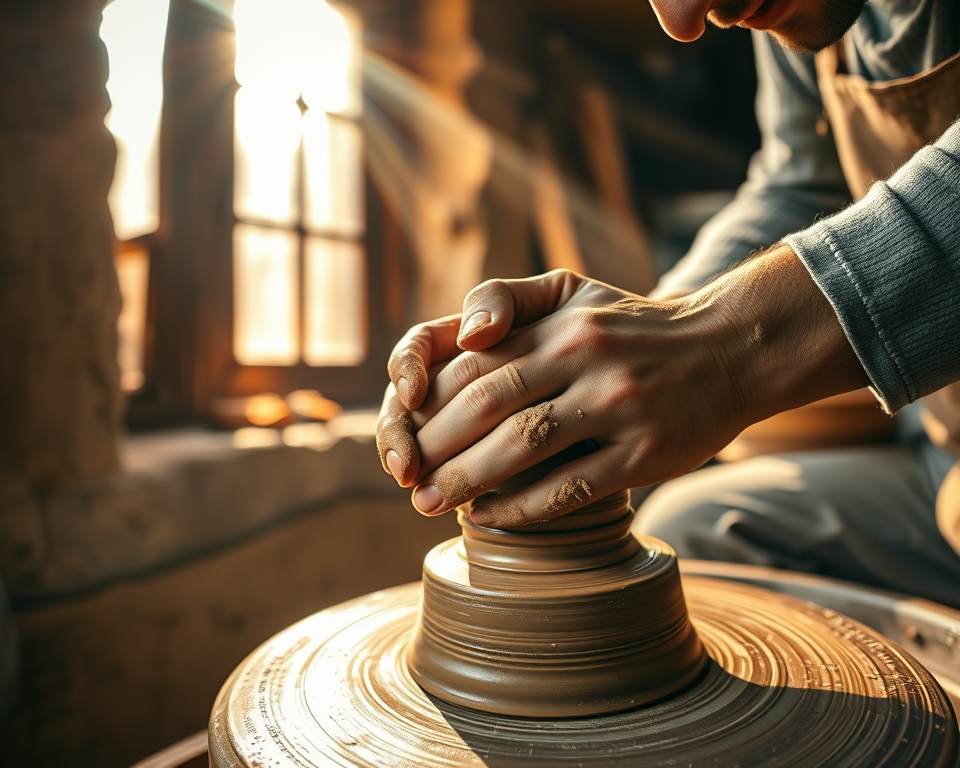
Pottery has this amazing way of drawing us in, doesn’t it? Just picture it: your hands covered in clay, a wheel spinning, and the chance to shape something beautiful from raw materials. I remember my first time trying out pottery—oh boy, what a mix of excitement and terror! But here’s the thing: getting started is way easier than you might think, and I’m here to share all those juicy insights so you can jump right in.
Table of Contents
- 1 Key Takeaways
- 2 Understanding Pottery as a Hobby
- 3 Getting Started with Pottery
- 4 Overcoming Pottery Challenges
- 5 Frequently Asked Questions
- 5.1 What types of clay should I use as a beginner in pottery?
- 5.2 How do I choose the right pottery wheel for my needs?
- 5.3 What are some common hand-building techniques in pottery?
- 5.4 How can I effectively troubleshoot common pottery mistakes?
- 5.5 What should I know about firing pottery successfully?
- 5.6 Are there costs associated with joining a pottery class or studio?
- 5.7 How can I find inspiration for my pottery projects?
- 5.8 What should I include in my pottery starter kit?
- 5.9 How do I maintain motivation while learning pottery?
- 5.10 What online resources are available for learning pottery techniques?
Key Takeaways
- Pottery is not just a creative outlet; it’s a wonderful form of therapy that helps alleviate stress.
- You don’t need a ton of fancy gear to start; a few essential tools will do the trick.
- Simple projects like pinch pots and coil pots are perfect for beginners looking to get their hands dirty.
- Check out local classes or online resources for support—there’s a whole community out there waiting for you!
- Don’t worry too much about perfection; the journey is just as valuable as the final product.
Understanding Pottery as a Hobby
What is Pottery?
Let’s break this down. Pottery is all about creating something functional or artistic out of clay. Think of it as clay art at its finest! You’ve got different styles and techniques, from hand-building to using a pottery wheel. There’s a rich history behind ceramics that extends back thousands of years! It’s fascinating to think that we’re engaging with an art form that’s been around since ancient civilizations.
When I first learned about pottery, I felt empowered by the idea that I could take this unassuming material and, with some creativity and patience, turn it into something incredible. Your base materials include earthenware, stoneware, and even more specialized clays. Each type has its unique properties, and just like any art, understanding your medium is key to unlocking your creative potential.
Benefits of Pottery
Alright, here’s the kicker—pottery isn’t just about creating objects. It has profound benefits for your mental and emotional health. Seriously! When I’m elbow-deep in clay, the world around me fades away. It becomes my form of meditation. The hands-on nature of pottery promotes mindfulness, grounding you in the moment and taking your mind off the daily grind.
The therapeutic benefits are one of the reasons people flock to this hobby—improved focus and a boost in creativity are just the cherries on top. And let’s be honest; there’s nothing quite like the joy of seeing a piece you created come to life.
Getting Started with Pottery
Essential Tools and Materials
Okay, let’s talk tools. One of the most exciting parts about pottery is that you don’t need to break the bank to begin your journey. Start small with a few essentials that any novice should have:
– Pottery Wheel: A decent starter is the MudTools M300, which is super user-friendly. You can find it for around $500.
– Basic Clay Tools: This often includes a needle tool, wire cutter, and sponge. I love the Sculpey Polymer Clay Tool Set, usually priced under $20.
– Kiln: For beginners, consider an electric kiln like the Skutt KM-614. It’s compact and can cost upwards of $1,200, but think of it as an investment in your creative future.
Here’s a quick table to summarize some must-have pottery supplies:
| Item | Suggested Product | Price Range |
|---|---|---|
| Pottery Wheel | MudTools M300 | $500 |
| Basic Clay Tools | Sculpey Polymer Clay Set | $15-$20 |
| Electric Kiln | Skutt KM-614 | $1,200+ |
| Clay (Stoneware) | Laguna Clay Stoneware | $15 per 25 lbs |
| Glazes | Amaco Potter’s Choice Glazes | $10 per jar |
Step-by-Step Beginner Projects
So, you’ve got your tools, and now what? Let’s get creative! I highly recommend starting with some simple projects, as they’ll build your skills and keep you motivated.
Have you heard of pinch pots? They’re beginner-friendly and perfect for learning about shaping and manipulating the clay. Just grab a lump of clay, squat it down, thumb a hole into it, and mold it! If you want something a bit more advanced, try coil pots. You’ll learn a lot about forming and connecting pieces.
- Pinch Pots: Begin with a ball of clay, push your thumb into the center, and pinch it to create the walls. Easy-peasy, right?
- Coil Pots: Roll out snakes of clay and stack them up to form a pot. Just remember to slip and score for a good bond!
- Slab Building: Use a rolling pin to create flat pieces and assemble them into shapes. This can be so much fun with designing boxes or plates!
Learning Pottery Techniques
Once you’ve caught the pottery bug, the sky’s the limit! You’ll want to educate yourself about various pottery techniques. Consider throwing clay on a pottery wheel, which truly brings your inner artist to life.
I’ve had great luck with online resources like YouTube, where channels like The Pottery Heads offer fantastic tutorials for throwing clay that’ll have you spinning in no time. You can also look for local pottery classes at studios near you—there’s just something about hands-on instruction that makes all the difference!
Finding Local Classes and Resources
Speaking of local classes, a quick internet search can connect you with some fantastic pottery studios right in your area. Websites like Meetup or Eventbrite are perfect for finding pottery workshops, events, and community engagement opportunities to get involved with. Trust me, joining these classes not only helps you learn faster but also allows you to bond with fellow pottery enthusiasts.
If you’re leaning toward self-guided learning, there are loads of online resources that offer pottery tutorials, video lessons, and even forums where you can ask questions. Websites like Skillshare or the Pottery Subreddit can be incredibly helpful. No one should feel lost on this creative journey!
Overcoming Pottery Challenges
As with any new hobby, challenges will pop up. One of the most common struggles is dealing with clay cracking or glazing issues—believe me, I’ve been there!
Here are some troubleshooting tips for overcoming those pesky beginner pottery issues:
– Cracking Clay: Make sure your clay isn’t drying out too quickly. Cover it with a damp cloth when not in use.
– Glazing Problems: Begin with a clear glaze; it’s forgiving! Practice even application to ensure smooth finishes.
– Uneven Surfaces: Remember to keep your hands steady while forming, and if you have bumps, don’t hesitate to smooth them out with water.
Most importantly, don’t be discouraged. Every artist was once a beginner! Getting past these bumps in the road is part of the learning experience.
Budgeting for Your Pottery Hobby
Now, let’s chat about budgeting. Pottery can be as affordable as you make it. Many new potters worry about expenses, but there are ways to save depending on your level of commitment.
If you’re just dabbling, purchase smaller quantities of clay and basic tools at local craft shops or check out thrift stores for second-hand supplies. It’s totally possible to get started for under $100 if you watch for deals. Just remember, a solid investment in quality tools can pay dividends in your work later on.
| Item | Budget Option | Price Range |
|---|---|---|
| Clay | Local craft store clay | $10 per 25 lbs |
| Tools | DIY tools | $5-$30 |
| Starter Class | Local crafts workshops | $50-$100 |
Staying Motivated and Inspired
Finally, let’s keep the creative juices flowing! Finding inspiration consistently can be hard; that’s why community is essential. Attend local pottery exhibits or join pottery meet-ups. There’s nothing like seeing what others create to fuel your own passion.
When I’m feeling stuck, I hop onto social platforms and check out Instagram or Pinterest for fresh ideas. I follow creators who inspire me and often save images of pieces I’d love to try. Joining a pottery community can keep you accountable too, pushing you to share your progress and celebrate wins together.
The goal here is to enjoy the process, whether you’re molding a masterpiece or a glorified paperweight. My mantra is: if you’re not having fun, what’s the point?
There you have it! Everything you need is right at your fingertips. Remember, art is all about the journey. Enjoy the messy, creative process that pottery brings, because at the end of the day, it’s about expression and connection. I can’t wait to see what you’ll create!
Frequently Asked Questions
What types of clay should I use as a beginner in pottery?
As a beginner, it’s best to start with earthenware or stoneware clay. Earthenware is soft and easy to work with, making it perfect for hand-building projects. Stoneware, while more durable, can be slightly more challenging to throw on a pottery wheel but yields excellent results after firing.
How do I choose the right pottery wheel for my needs?
When selecting a pottery wheel, consider the wheel’s power, size, and type. Electric wheels are user-friendly for beginners, while kick wheels offer full-body engagement. Look for a model that fits your workspace and budget, and check for features like a responsive pedal and stable construction.
What are some common hand-building techniques in pottery?
Common hand-building techniques include pinch pots, coil building, and slab construction. Pinch pots involve shaping clay by pinching, coil pots are made by stacking rolled coils, and slab construction uses flat sheets of clay to create forms. Each technique offers unique opportunities for creativity.
How can I effectively troubleshoot common pottery mistakes?
To troubleshoot issues like clay cracking or glazing problems, first identify the source. Cracking can result from uneven drying or too much water. For glazing issues, ensure a clean surface and apply evenly. Experimentation and patience are key—document your processes to refine your techniques over time.
What should I know about firing pottery successfully?
Firing pottery requires understanding your kiln type and the appropriate temperature settings for your clay and glaze. Bisque firing is initially done to make the clay durable before glazing. Always conduct a test fire to gauge any variables before committing to a full firing.
Are there costs associated with joining a pottery class or studio?
Yes, joining a pottery class or studio often comes with costs like tuition fees, material charges, and access to studio time. However, many studios offer membership options, which may provide more cost-effective access to supplies and facilities. Research different studios to find one that fits your budget and provides the resources you need.
How can I find inspiration for my pottery projects?
Inspiration can be found in many places, such as nature, art museums, or online platforms like Pinterest and Instagram. Attending pottery exhibitions or community workshops can also spark creative ideas. Keep a sketchbook to jot down concepts and visuals that inspire you as you progress in your work.
What should I include in my pottery starter kit?
A basic pottery starter kit should include essential items like a pottery wheel (if applicable), various clay types, hand tools (like a needle tool and rib), glazing brushes, and a variety of glazes. Consider adding additional tools as you progress, such as a clay extruder and texture rollers.
How do I maintain motivation while learning pottery?
To maintain motivation, set small, achievable goals and celebrate your progress. Connect with fellow pottery enthusiasts through classes or online forums, and seek feedback on your work. Regularly experiment with new techniques or styles to keep your practice fresh and engaging.
What online resources are available for learning pottery techniques?
Numerous online resources are available, including YouTube channels featuring pottery tutorials, pottery-focused blogs sharing techniques and tips, and online courses from established artists. Many forums and community groups also provide a platform for sharing experiences and advice, enhancing your learning process.
