
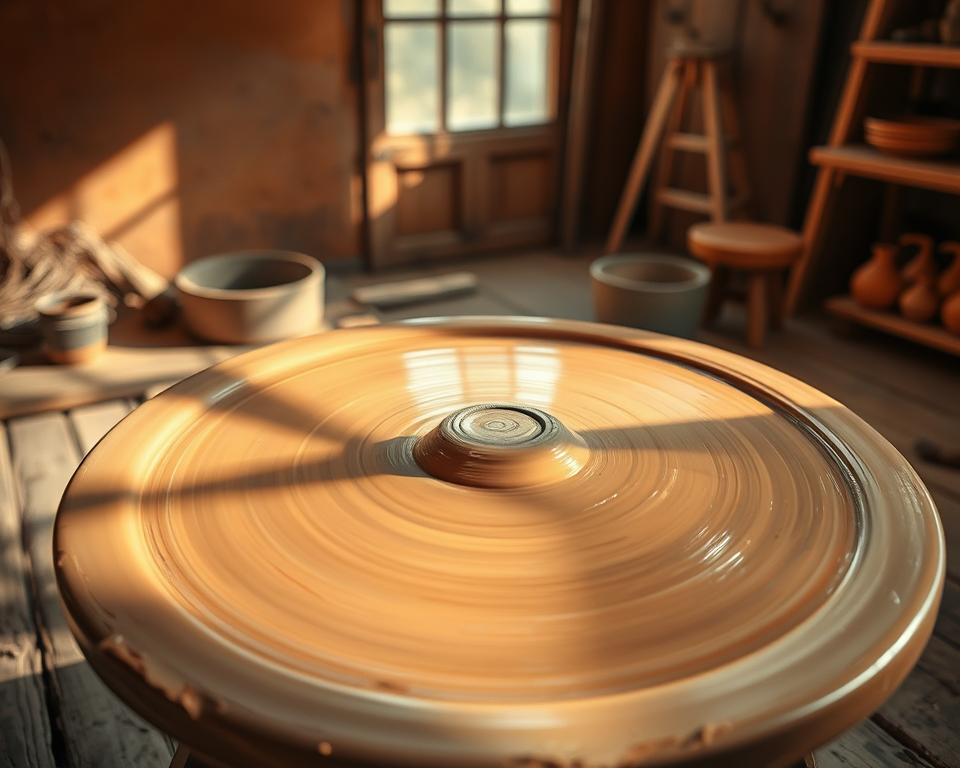
Have you ever felt the thrill of shaping a lump of clay into something beautiful? I know I have—there’s something nearly magical about it. But, before you get swept away in that creative whirlwind, there’s a crucial step you can’t overlook: firing your pottery. Let’s chat about why this process isn’t just important; it’s a total game changer for your creative endeavors. So grab your favorite cup of coffee, and let’s get rolling!
Table of Contents
- 1 Key Takeaways
- 2 Understanding Pottery Firing
- 3 Benefits of Firing Pottery
- 4 Types of Firing Methods in Pottery
- 5 Safety Tips for Pottery Firing
- 6 Unique Cultural Perspectives on Pottery Firing
- 7 Frequently Asked Questions
- 7.1 What is the role of temperature control in the pottery firing process?
- 7.2 How do different clay types affect the firing process?
- 7.3 What safety precautions should I take when operating a kiln?
- 7.4 What aesthetic qualities can be achieved through different firing methods?
- 7.5 Can I use alternative firing techniques sustainably?
- 7.6 What are the common drawbacks of using air-dried clay?
- 7.7 How does firing affect the structural integrity of pottery?
- 7.8 What is bisque firing, and why is it important?
- 7.9 Are there specific firing techniques for glazes?
Key Takeaways
- Firing is essential for transforming your creation from soft clay into a durable piece of art.
- Not firing your pottery can lead to serious issues like crumbling or losing functionality.
- There are various firing methods to explore, each with unique benefits and artistic results.
- Safety practices during firing can never be overstated—proper gear and precautions keep your creative space safe.
- Embracing different cultural perspectives on pottery firing can inspire and inform your own practices.
Understanding Pottery Firing
What is Pottery Firing?
So, what exactly is pottery firing? Simply put, firing is the process of taking your moist clay creation and heating it up in a kiln to a high temperature, which hardens the clay into a robust and functional piece of pottery. This transformation is crucial; at elevated temperatures, chemical reactions occur that strengthen the clay, giving it durability and versatility.
Now, if you’ve ever played around with air-dried clay, you might be thinking, “Can’t I just let it dry on its own?” Here’s the kicker: while air-dry clay can hold its shape, it never achieves the same structural integrity as fired clay. Think of unfired pottery as a delicate ice sculpture— beautiful but highly susceptible to damage.
How Does Pottery Firing Work?
The mechanics of firing involve a heating cycle that can sound pretty complicated, but let’s break it down. When you fire clay, it goes through multiple stages, starting from room temperature and ending at several hundred degrees Fahrenheit (depending on what you’re aiming for).
Here’s a simplified look at the firing cycle:
Drying Phase: First things first! The pottery needs to dry out completely. This could take several days depending on the climate and thickness of the piece.
Pyrolysis Phase: Next, we get into the nitrogen aspect and any organic materials inside the clay will burn off. This can kick off at around 400-800°F (200-430°C).
Sintering Phase: As the temperature continues to rise (up to 2,500°F for stoneware!), particles in the clay bond together, creating a solid mass.
Cooling Phase: Finally, we can’t forget the cooling period where you have to take it easy. Rapid cooling can lead to cracks, so let your piece cool down slowly.
All of this is happening in your trusty kiln—whether it’s electric, gas, or wood-fired. The dome-shaped beauties like the Laguna Clay Quickfire Electric Kiln are perfect for beginners, often priced around $700. This beauty can reach temperatures up to 2,350°F to handle most materials.
Benefits of Firing Pottery
Let’s dig into why firing your pottery is the difference between a lovely creation and an object that can withstand your morning coffee ritual.
First off, fired pottery is just more durable. It can survive bumps, drops, and regular use without falling apart. Imagine making a cute plant pot that withstands no only the weight of dirt and a plant but also my clumsiness when watering it! The durability means you can actually use your creations in your home, from dinnerware to decor.
And let’s not forget the visual appeal. Fired pottery can be glazed, opened up, and made even more stunning! Glazes can transform your pieces from plain to extraordinary, providing glossy finishes or vibrant colors. If you’ve ever seen a shiny, colorful glaze—like the popular Amaco Satin Glazes—you know how it can take a piece from nice to WOW.
Also, think about this—when you fire pottery, you’re enabling it to be functional. An unglazed and unfired pot might be pretty, but it won’t hold water or support cooking! So, if you’re looking to create functional pottery, firing is non-negotiable!
So, what happens if you skip the firing stage? Well, I hate to break it to you, but you could end up with a piece that crumbles under pressure—literally! Pieces can be prone to cracking, breaking, and cause a full-blown disaster in your cupholder.
What Happens If You Don’t Fire Pottery?
Not firing your pottery? Here’s what could go down:
- Air-dried issues: The first problem is that your merely air-dried clay can’t handle moisture. Leave it outside during a rainstorm? You’ll find a puddle of clay mush.
- Functionality: You won’t be whipping up that beautiful coffee mug or a nice serving platter without a solid structure behind it.
- Pottery integrity: An air-dried creation can fall apart with the slightest touch, making your creative efforts feel futile.
Here’s a quick comparison to visualize the difference:
| Feature | Fired Pottery | Unfired Pottery |
|---|---|---|
| Stability | Strong and durable | Fragile and breakable |
| Moisture resistance | Waterproof once glazed | Absorbs moisture |
| Usability | Functional for daily use | Decorative only |
| Aesthetic quality | Can be glazed and painted | Limited color options |
It’s clear; if you’ve put in the artistry to shape, the last thing you want is for that piece to literally crumble away when you bring it home.
Types of Firing Methods in Pottery
Pottery firing isn’t a one-size-fits-all affair. There are various methods, each had its own flair and opportunities. A few of the traditional and contemporary methods you might encounter include:
Electric Firing: This is probably the most common method for many potters. Electric kilns are user-friendly and can be programmed for different firing cycles. Brands like Evenheat offer models like the Studio 22 that retail for around $1,200—perfect for home studios.
Gas Firing: This method employs natural gas or propane to fire the pottery. Gas-fired kilns can yield some stellar results, especially for achieving those rich colors and subtle variations in tone. The cost can vary, typically around $1,500 and up depending on size and features.
Raku Firing: Raku is an exciting and quick process that often emphasizes unique effects and finishes. The pottery is taken out of the kiln while it’s still glowing hot, then placed in combustible materials which create dramatic and unpredictable effects on the glaze. This method is widely loved for its unpredictable results and aesthetic.
Wood Firing: If you’re feeling adventurous and want to embrace the old-school vibe, wood firing might be your jam. This technique takes a bit of know-how, as you’ll need to manage a wood fire over an extended period—think 24 hours or more! It’s also quite eco-friendly if you use sustainably sourced wood.
Exploring Alternative Firing Techniques
For those who may not have access to a traditional kiln, fear not! There are alternatives out there that can fit your creative toolbox. Here are a few I think are really interesting:
Low-Fire Methods: These involve firing at lower temperatures, often around 1850°F, achieving vibrant colors with glazes that can’t withstand higher temps. This is a great way for beginners to get creative.
Natural Firing: Some potters have leaned into using the great outdoors, utilizing natural resources like earth, sunlight, and fire for a more sustainable approach. This definitely adds an earthy, unique touch to the pottery!
Solar Firing: A new method gaining traction involves using sunlight to focus on warming clay. While it’s still being refined, this eco-friendly method reflects a growing interest in sustainable pottery.
Alternative Pottery Techniques: Hand-building techniques like coil or slab constructions don’t always require firing to be successful. However, if you’re keen on centering the beauty of fired pots at home, you can’t skip the kiln!
With these various methods, the key is to choose what aligns with your artistic tendencies and the look you want for your pieces!
Safety Tips for Pottery Firing
Let’s pivot to something imperative: safety. Firing pottery can be exciting, but we need to remember to keep safety at the forefront.
Kiln Safety should never be overlooked. Here are some crucial reminders:
Protective Gear: Always wear kiln gloves and safety glasses. Trust me, the few bucks you spend on these can save you from burns or bursts.
Ventilation: Ensure your kiln area is well-ventilated. A fancy electric kiln can still produce fumes that need to escape.
Hazard Awareness: Familiarize yourself with your kiln’s safety features and the guidelines that come with it. If you ever feel unsure, make it a practice to consult the manual.
Here’s a quick rundown of essential safety gear and practices for firing pottery:
| Safety Gear/Practice | Purpose |
|---|---|
| Kiln gloves | To protect hands from burns |
| Eye protection | Keeps your peepers safe from debris |
| Ventilation systems | Prevents fume buildup |
By prioritizing safety, you ensure that your creative space remains a place of inspiration—a sanctuary for art without the worry of accidents.
Unique Cultural Perspectives on Pottery Firing
One of the coolest aspects of pottery firing is how diverse the practices can be. Pottery has shaped cultures and traditions for centuries, so it’s always been a means of community narrative and artistry across the globe.
Think about traditional Japanese raku pottery. This age-old technique has significant cultural importance, manifesting in a rush of creativity and unpredictability that reflects the Japanese aesthetic of imperfection. There’s something quite mesmerizing about how every raku piece holds a story, a uniqueness forged in the firing process.
Meanwhile, indigenous practices in places like Africa can feature communal firing spaces, which often serve as a focal point of the community. The social aspects—of gathering together, sharing traditions, storytelling—are as essential as the pottery itself.
Exploring these cultural practices around pottery firing can deepen your understanding of your craft, and who knows? You might find inspiration that influences your work!
Personal Stories from Potters About Firing
I’ve met some fascinating people on this pottery journey, and their stories add a whole new layer to the art. For instance, a potter I chatted with shared her first raku experience. She described how, as she pulled her piece from the kiln, the unanticipated blushing hues across the pottery made her heart race.
Every artist has those pivotal moments—those times when firing shapes their understanding of the medium and propels them into new creative territories. From initial mistakes that teach valuable lessons to triumphs where everything aligns perfectly, it’s these narratives that keep our community strong and vibrant.
One potter influenced by traditional methods recounted her journey traveling abroad to learn from master artisans. Their dedication to firing age-old techniques inspired her; she returned home to apply what she learned, infusing it with modern touches.
It’s this blend of tradition and innovation that keeps pottery making so thrilling!
| Potter’s Name | Inspirational Moment | Key Takeaway |
|---|---|---|
| Sarah Thompson | First raku piece revealed stunning colors | Embrace unpredictability in art |
| Ben Liu | Trained under a master potter in Japan | Fusing tradition with modern techniques |
| Emma Rodriguez | Shared community firing in Argentina | Community can define craft |
These personal accounts remind us that every creation has a story woven into it—a uniqueness shaped by the firing process that is as much about community and culture as technique.
With every piece we fire, we add our narrative—a radiant thread in the broader tapestry of potters past and present.
Frequently Asked Questions
What is the role of temperature control in the pottery firing process?
Temperature control is crucial in pottery firing because it affects the clay’s transformation and the final properties of the ceramic. Different clay types and glazes require specific temperature ranges to achieve optimal results. By carefully managing the temperature throughout the firing cycle, potters can ensure even heating, prevent cracking, and achieve desired glaze finishes.
How do different clay types affect the firing process?
Different clays have unique compositions and firing temperatures, impacting their behavior during firing. Earthenware, stoneware, and porcelain each require specific firing techniques and temperatures. Understanding clay types helps potters select appropriate firing methods and anticipate changes in texture, color, and strength post-firing.
What safety precautions should I take when operating a kiln?
When operating a kiln, always wear protective gear such as gloves and safety glasses. Ensure proper ventilation to avoid inhaling harmful gases and maintain a safe distance from the kiln. Familiarize yourself with emergency procedures, and regularly inspect your kiln and equipment for potential hazards to prevent accidents.
What aesthetic qualities can be achieved through different firing methods?
Firing methods like raku, wood firing, or pit firing can create unique aesthetic qualities. Raku adds a dramatic, crackled finish, while wood firing produces natural ash glazes with varied textures. Exploring different techniques allows potters to experiment with colors, surface effects, and the overall look of their pieces.
Can I use alternative firing techniques sustainably?
Yes, alternative firing techniques such as solar firing or natural firing can be more eco-friendly. These methods often rely on renewable resources and might minimize energy consumption. Exploring sustainable options helps potters reduce their environmental impact while still achieving beautiful, functional pottery.
What are the common drawbacks of using air-dried clay?
Air-dried clay is susceptible to moisture, vulnerability to breakage, and lack of durability compared to fired clay. It may not withstand regular use or contact with water, making it unsuitable for functional pottery items. If you want to create lasting pieces, firing your pottery is essential.
How does firing affect the structural integrity of pottery?
Firing significantly enhances the structural integrity of pottery by transforming the clay particles, making them durable and strong. The high temperatures cause physical and chemical changes, resulting in a finished product that can withstand everyday use and environmental factors, unlike unfired pottery.
What is bisque firing, and why is it important?
Bisque firing is the initial firing of pottery, which transforms raw clay into a hard, porous material. This process makes the ceramic easier to handle and prepares it for glazing. Without bisque firing, clay pieces may not be structurally sound enough to endure subsequent glazing and final firing stages.
Are there specific firing techniques for glazes?
Yes, certain firing techniques enhance glaze bonding and appearance. Techniques like high-fire or low-fire glazing require different kiln temperatures and atmospheres. Understanding these methods allows potters to choose the right approach to achieve the desired gloss, texture, and color in their glaze finishes.
