
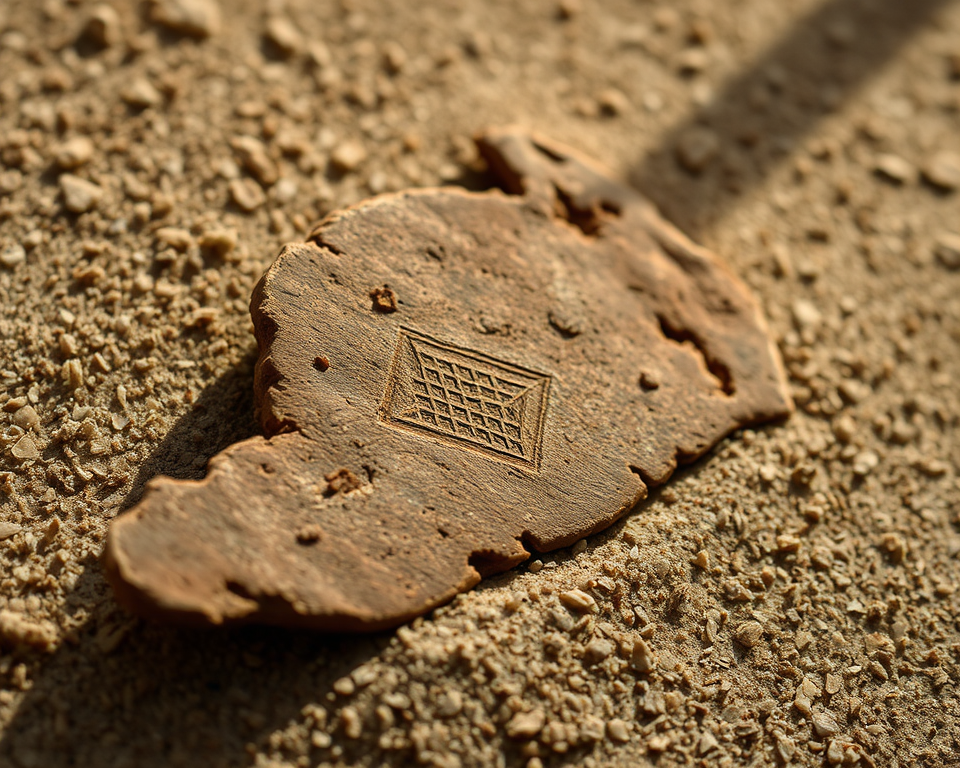
Ever wandered through a museum and felt that tingle of connection with the past? Imagine holding a fragment of something that once told a story—like a forgotten piece of pottery. That’s where pottery sherds come into play. These small shards of ceramic are not just random pieces of clay but portals to ancient cultures, rich histories, and the everyday lives of people from long ago. Let’s dig deeper and see what treasures share their tales through these little remnants.
Table of Contents
- 1 Key Takeaways
- 2 Understanding Pottery Sherds
- 3 Types of Pottery Sherds and Their Significance
- 4 Contemporary Relevance and Applications of Pottery Sherds
- 5 Frequently Asked Questions
- 5.1 What are the different methods used to date pottery sherds?
- 5.2 How can I distinguish between different types of pottery sherds?
- 5.3 Why are pottery sherds important for understanding ancient cultures?
- 5.4 What role does pottery fragment analysis play in archaeology?
- 5.5 Are there specific archaeological sites known for significant pottery sherd finds?
- 5.6 What is the significance of decorative versus utilitarian pottery?
- 5.7 How can pottery sherds be used in modern educational applications?
- 5.8 What are the challenges faced in analyzing pottery sherds?
- 5.9 How can individuals engage with pottery sherds outside of academic settings?
Key Takeaways
- Pottery sherds are invaluable pieces of history that help us understand ancient cultures and societies.
- From decorative pottery to utilitarian pieces, different types of pottery shards tell us about the significance and uses of ceramics in various cultures.
- Analyzing pottery sherds through various techniques provides insights into dating, material composition, and cultural narratives.
- Pottery sherds remain relevant today, influencing modern archaeological practices and heritage studies.
Understanding Pottery Sherds
Definition and Characteristics of Pottery Sherds
So, first off, what exactly are pottery sherds? Simply put, they’re broken pieces of pottery. Easy enough, right? But they’re more than that; they represent parts of historical ceramics, those clay artifacts that have withstood the test of time. Each sherd carries weight, both physically and metaphorically, and can tell us about the culture from which it originated.
When examining pottery sherds, you’ll find a variety of characteristics. Here’s what to keep an eye out for:
- Texture: Some might have a smooth finish like glass, while others may feel rough, showcasing the artistry and techniques of potters from thousands of years ago.
- Color: The hues of the pottery can tell us about the materials used and the firing techniques. A deep orange might hint at terracotta, while a shiny black could indicate specific firing processes.
- Decoration: Some sherds are adorned with glazes or painted designs that hold symbolic meanings or represent the aesthetic values of the time.
In the end, recognizing these characteristics is essential for archaeologists and historians alike. It’s like building a puzzle one piece at a time, each sherd contributing to a larger narrative of human history.
Importance in Archaeology
Pottery sherds play a monumental role in archaeology. They’re not just debris; they’re cultural treasures. These remnants can speak volumes about social structures, lifestyles, and trade practices. For instance, if archaeologists discover a large assemblage of pottery sherds from a excavation site, they can deduce not only the types of activities that occurred there but also how the people interacted with their environment.
Here’s why pottery sherds are so important in the archaeological world:
Cultural Heritage: They give us a window into the lives and customs of ancient peoples. Their presence in a site can point to trade routes, local craftsmanship, and even spiritual practices.
Historical Context: Researchers often utilize pottery finds to understand significant historical events, societal changes, and cultural adaptations.
Artifact Analysis: Through scientific analysis, such as petrographic studies, we can pinpoint the source of the clay and understand how far goods were traded.
“In archaeology, pottery sherds serve as the fundamental building blocks that help us piece together the complexities of ancient civilizations.”
Types of Pottery Sherds and Their Significance
Examples from Archaeological Sites
Now that we’ve established just how vital these little pieces of history can be, let’s explore the different types of pottery sherds and what they reveal about ancient cultures.
Decorative Pottery: Think of ornate bowls used in rituals or special occasions. These sherds can be embellished with intricate designs, offering insights into the aesthetic preferences and social practices of the time.
Utilitarian Ceramics: On the flip side, we have everyday dishes, jars, and cooking pots. The commonality of these sherds tells us about daily life. Were they made for storage? Cooking? Feasting?
Specialized Pieces: Some sherds belong to specific types of pottery, like amphorae used for transporting goods, which can reveal trade networks and economic practices.
Consider this table showcasing some notable findings from archaeological sites in the U.S. that highlight the importance of pottery sherds.
| Site Name | Location | Pottery Type | Significance | Year Discovered |
|---|---|---|---|---|
| Cahokia Mounds | Illinois | Mississippian pottery | Indicates advanced agricultural practices | 1960 |
| Mesa Verde | Colorado | Ancestral Puebloan | Reflects communal living and social organization | 1906 |
| Chaco Canyon | New Mexico | Brown Ware | Offers insights into regional trade and economy | 1896 |
Analyzing Pottery Sherds: Methods and Techniques
So, how do archaeologists analyze these incredible artifacts? There’s a punch of methods, each revealing its own secrets. For a start, there’s visual analysis, where experts look at the physical attributes of sherds—texture, decorations, and firing defects can all tell a story.
Next up is petrographic analysis, where they slice the pottery thin and look at it under a microscope. This reveals the minerals and impurities in the clay, giving us clues about where the pottery was made.
Then, there’s scientific dating methods—like thermoluminescence dating which helps determine when the pottery was last heated. It’s like putting a timestamp on the artifact’s life.
In practical terms, these analyses can lead to exciting discoveries that redefine our understanding of cultural interactions. Archaeologists might find out that two entirely different cultures influenced each other’s pottery styles due to trade, altering the narrative we thought we knew.
“Through pottery analysis, we can draw lines between ancient communities, illustrating how they influenced one another like threads in a grand tapestry of history.”
Insights into Cultural Heritage
Let’s shift gears and consider the cultural implications of pottery sherds. They’re not just remnants but vital pieces of cultural identity. The stories embedded in these fragments can connect communities to their pasts. From social practices to rituals, pottery has been a vehicle for storytelling.
Take, for instance, a community that treasures its traditional pottery-making techniques. Each piece isn’t just useful; it’s a family legacy, an aspect of heritage passed down through generations. When pottery sherds are discovered in archaeological sites, they often lead to broader discussions about identity, heritage, and the continuity of cultural practices.
Incorporating pottery studies in education can enhance cultural understanding. Schools could hold workshops exploring local pottery techniques, helping students appreciate their cultural heritage while connecting it to larger archaeological narratives.
Contemporary Relevance and Applications of Pottery Sherds
Linking Past with Present: The Narrative of Pottery Sherds
Now, I know what you’re thinking: what do these ancient shards mean for us today? Well, here’s the scoop. Pottery sherds are still incredibly relevant in contemporary archaeology and education. They provide the groundwork for modern academic exploration and community engagement.
In current research, archaeologists examine how ancient practices influence contemporary artisan pottery. It’s fascinating to see how techniques from hundreds of years ago are being revived today. Many artisans strive to replicate historical pottery styles, maintaining cultural continuity while also creating new artwork.
Moreover, pottery sherd analysis has become a significant tool in heritage studies. By understanding past pottery-making techniques and styles, communities can reconnect with their roots, fostering pride and cultural revitalization. Local history is brought to life as people engage with the remnants of their ancestors.
In educational contexts, archaeologists are utilizing pottery sherds in innovative ways. Schools and museums are hosting interactive exhibitions where students can analyze real sherds, combining hands-on learning with cultural storytelling. This enriching experience not only educates students about archaeology but also fosters a sense of historical connection.
“When we analyze pottery sherds, we’re not just studying clay; we are exploring the heartbeat of ancient cultures, their stories, and their legacy, still alive in modern practices.”
Conclusion
As we unwind through this fragile fabric of history, one thing becomes abundantly clear—pottery sherds are more than mere artifacts. They are the whispers of ancient civilizations urging us to hear their stories, to understand their lives, and to connect with a past that continues to shape us today. By exploring pottery sherds, we embark on an engaging journey through time, unraveling the rich tapestry of human experience.
Frequently Asked Questions
What are the different methods used to date pottery sherds?
Dating pottery sherds involves techniques such as radiocarbon dating, thermoluminescence, and dendrochronology. Each method has its pros and cons, with radiocarbon dating being ideal for organic materials, while thermoluminescence can date the last time the clay was heated.
How can I distinguish between different types of pottery sherds?
To distinguish pottery sherds, look at features such as color, texture, and decoration. Decorative sherds may have intricate designs, while utilitarian sherds are often more simple and functional. Comparing these characteristics can help you identify the pottery type.
Why are pottery sherds important for understanding ancient cultures?
Pottery sherds serve as crucial evidence of daily life, trade practices, and cultural traditions in ancient societies. They provide insights into technological advancements, resource use, and social structures, allowing archaeologists to piece together the narratives of past civilizations.
What role does pottery fragment analysis play in archaeology?
Pottery fragment analysis involves examining the composition, texture, and manufacturing techniques of sherds. This analysis helps archaeologists deduce information about the pottery’s origin, purpose, and the cultural practices of the people who created them.
Are there specific archaeological sites known for significant pottery sherd finds?
Yes, sites like Çatalhöyük in Turkey, Mesa Verde in the United States, and various locations in Ancient Greece are famous for remarkable pottery discoveries. These sites provide rich contexts in which to study pottery, revealing much about the cultures that inhabited them.
What is the significance of decorative versus utilitarian pottery?
Decorative pottery often reflects artistic expression and status, while utilitarian pottery represents everyday use and functionality. Both categories provide important insights into societal values, trade, and technology within ancient communities.
How can pottery sherds be used in modern educational applications?
Pottery sherds can be used in educational settings to teach students about archaeology, history, and cultural heritage. These artifacts serve as tangible links to the past, allowing for experiential learning opportunities in museums, classrooms, and archaeological fieldwork.
What are the challenges faced in analyzing pottery sherds?
Challenges in analyzing pottery sherds include reconstructing fragments, identifying manufacturing techniques, and interpreting findings within a broader historical context. The degradation of some materials over time can complicate analysis, making accuracy a significant concern.
How can individuals engage with pottery sherds outside of academic settings?
Individuals can participate in local archaeological digs, workshops, and museum programs focused on pottery and ceramics. Additionally, engaging with online communities and resources can enhance appreciation and understanding of pottery sherds.
