
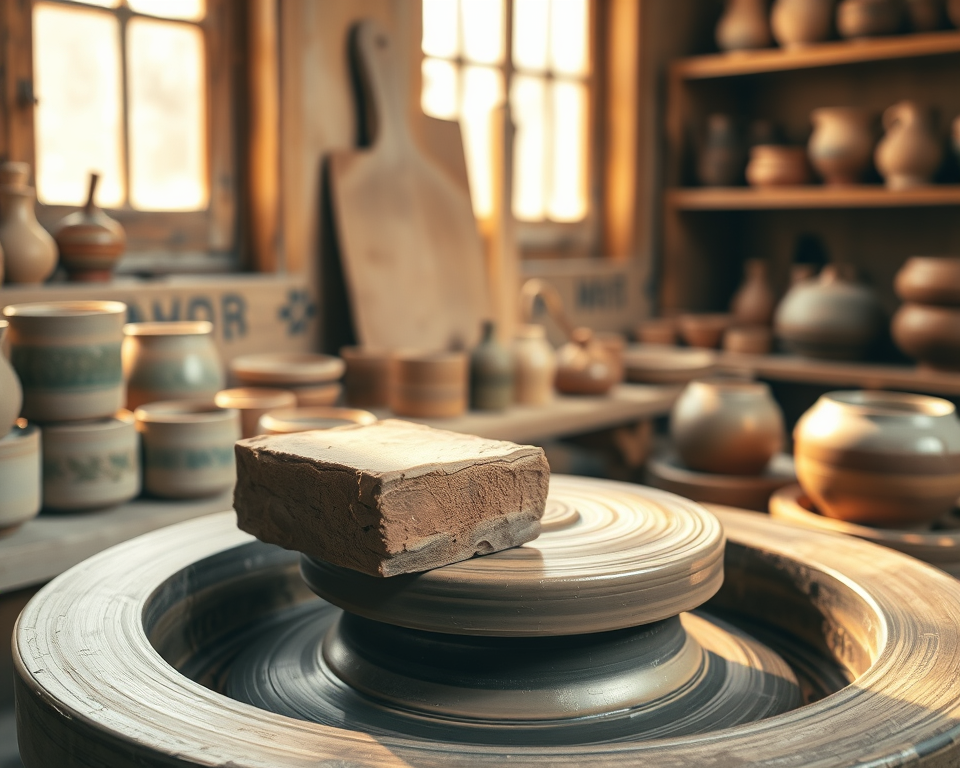
Starting a pottery journey is like opening a door to a world of creativity and expression. The thought of molding clay into beautiful forms is exciting and, let’s be real, a bit intimidating. If you’ve ever daydreamed about crafting your own unique pieces, you’re in the right spot! I’m here to share what you need to kick off this amazing adventure, making sure you feel confident every step of the way.
Table of Contents
- 1 Key Takeaways
- 2 Materials Needed to Start Pottery
- 3 Basic Pottery Techniques
- 4 Tips and Tricks for Beginners
- 5 Budgeting for Your Pottery Journey
- 6 Frequently Asked Questions
- 6.1 What types of clay are best for beginners in pottery?
- 6.2 How can I choose the right pottery tools for my needs?
- 6.3 What safety precautions should I take when working with pottery materials?
- 6.4 How do I properly finish and fire my pottery pieces?
- 6.5 What should I do if my pottery cracks during drying or firing?
- 6.6 Are there any recommended resources for finding pottery classes in my area?
- 6.7 Is it necessary to invest in a kiln for beginner pottery?
- 6.8 How can I effectively budget for my pottery supplies and tools?
- 6.9 Can I make pottery without a pottery wheel?
- 6.10 What common errors should beginners avoid when starting with pottery?
Key Takeaways
- Finding the Right Clay: Start with beginner-friendly options like earthenware or stoneware to get your hands dirty without breaking the bank.
- Must-Have Tools: Invest in essential pottery tools like the Amaco Pottery Tool Set to elevate your creations from the get-go.
- Master Basic Techniques: Focus on hand-building methods for your first projects; they’re super fun and incredibly rewarding.
- Budgeting is Key: Get the best bang for your buck with affordable pottery supplies, so you can enjoy your craft without overspending.
- Join a Community: Don’t forget to connect with local pottery groups or online forums—they’re a goldmine of support and inspiration!
Materials Needed to Start Pottery
Alright, let’s jump right in! One of the first things you’ll need to figure out is what materials you actually need to get started with pottery. Trust me, having the right supplies makes a huge difference.
Clay Types for Beginners
The world of clay can get pretty overwhelming, but I promise it’s not as scary as it sounds. For beginners, your best bets are earthenware or stoneware. Earthenware is super accessible, affordable, and easy to work with. Plus, it fires at lower temperatures, making it perfect for novice potters. Don’t be surprised if you get a little addicted once you feel that soft clay in your hands!
Here’s a quick comparison table of some beginner-friendly clay types to help you out:
| Clay Type | Firing Temperature (°F) | Characteristics | Price Range |
|---|---|---|---|
| Earthenware | 1830 – 2100 | Great for beginners, typically red or brown | $10 – $20 per 25 lbs |
| Stoneware | 2100 – 2350 | Durable and suitable for functional ware | $15 – $25 per 25 lbs |
| Porcelain | 2200 – 2400 | Smooth, fine texture, a bit tricky for newbies | $20 – $30 per 25 lbs |
I often use the Laguna Clay B-Mix, which retails around $18 for 25 lbs and is a fantastic choice for anyone just starting out.
Essential Pottery Tools
Now, let’s talk tools. You can’t start your pottery journey without the right “weapons.” Here are some essentials you should have in your toolkit:
Potter’s Wheel: If you’re feeling adventurous and want to try your hand at wheel throwing, consider the Brent CXC Pottery Wheel. It’s a bit pricier at around $700, but it offers excellent stability and control.
Basic Tool Set: Grab the Amaco Pottery Tool Set (usually about $15). It comes with all the essentials like rib tools, loop tools, and a needle tool to get you started on shaping your clay.
Sponge and Water Container: Keeping your clay moist while you work is crucial. A simple sponge and a container of water (or spray bottle) will do the trick.
Fettling Knife: This handy tool, which you can find at most craft stores for about $5, is essential for trimming and refining your pieces.
Rolling Pin: Necessary for those hand-building techniques; you can find one for around $10.
Additional Supplies You Might Need
Besides the basics, you’ll want to think about some additional supplies that can really enhance your pottery experience. Here’s a list of items you might want to consider as you start:
Glazes: If you wanna add a splash of color to your pottery, glazes are the way to go. I recommend trying Amaco Velvet Underglazes that range from $8 to $12 per pint. They’re vibrant and easy to use!
Kiln: This is a bigger investment and may not be necessary right away, but if you’re going to work with clay long-term, make sure to look into options for kilns (like the Paragon TnF-23 for about $1,200).
Work Surface: A sturdy work table can make a huge difference. I use a simple heavy-duty table—nothing fancy, but it works like a charm. Mess it up with clay? No worries; it cleans easy.
Basic Pottery Techniques
Once you’ve gathered your materials and tools, it’s all about technique. And believe me, it’s way more fun than it sounds!
Hand-Building Techniques
Let’s ease into some hand-building techniques. This style allows you to get hands-on without worrying about a pottery wheel at first—which can be a bit tricky. Here are some popular methods to try:
Pinch Pots: This is where most of us start. Grab a ball of clay, pinch it into shape, and watch your small creations come to life! It’s straightforward and super rewarding.
Coil Pots: Grab long ropes of clay and stack them to build up your pot. This technique lets your creativity run wild, giving you the power to shape unique forms.
Slab Construction: Roll out flat slabs of clay to create geometric forms. It’s like playing with building blocks but with clay—let your inner architect shine!
Using the Pottery Wheel
Okay, now we’re getting into the fun stuff—using the pottery wheel! It’s thrilling and a bit intimidating at first.
Getting started is all about practice. Here’s a quick rundown of how to begin wheel throwing:
Centering the Clay: This is a skill you’ll develop over time. Start by throwing a ball of clay on the wheel and applying equal pressure from both hands to center it. Give it a good spin—it should feel like it’s in a dance with you.
Opening Up the Clay: Once centered, use your fingers to push down gently in the center to create a cavity. Voila! Your future bowl or cup awaits.
Pulling Up the Walls: As the wheel spins, use your hands to pull up the clay, shaping it into your desired form. It’s like sculpting but way more dynamic!
Check out some tutorials on YouTube for visual guidance; it makes a world of difference, and you can even get tips from seasoned potters.
Tips and Tricks for Beginners
Now that you have your materials, tools, and techniques down, let’s sprinkle in some insider tips to make your pottery journey smooth sailing.
Overcoming Challenges in Pottery
Don’t get discouraged if you encounter bumps along the way. Pottery doesn’t always go as planned, and that’s totally normal! Here’s how to tackle some common challenges:
Clay Too Dry? Just mist it with a spray bottle filled with water and work it back into shape.
Uneven Walls: Take a breath and be mindful. When pulling, use gentle pressure and keep practicing—practice makes perfect!
Cracking: This usually stems from drying too quickly. Cover your work with plastic wrap or damp cloth while it dries to prevent that from happening.
Common Pottery Mistakes to Avoid
Not Wedge Your Clay: Always wedge your clay to remove air bubbles before you start working. This step is crucial for preventing cracks while firing!
Overworking the Clay: Clay is forgiving, but too much moisture or handling can cause it to loose integrity.
Forgetting to Clean Tools: Clean up as you go! This prevents unwanted residue and keeps your workspace enjoyable.
Finding Community and Resources
Pottery can feel a bit isolated at times, but it doesn’t have to be! Joining a community of fellow pottery enthusiasts can help you overcome challenges and celebrate your wins.
Pottery Classes: Check out local community centers or art studios that offer pottery classes. Hands-on experience can be invaluable.
Online Forums: Sites like Reddit or pottery forums can connect you with experienced potters who are eager to share their wisdom.
Social Media: Join Instagram or Facebook groups dedicated to pottery. Here, you can post your work, get feedback, and find inspiration. Trust me, seeing others’ work will motivate you to keep trying!
Budgeting for Your Pottery Journey
Now, let’s talk about one of the most important aspects of starting any new hobby: budgeting. Pottery can be resource-intensive, but it’s possible to have fun without emptying your wallet.
Estimating Initial Costs
Here’s a rough breakdown of what you might spend to get started:
| Item | Estimated Cost |
|---|---|
| Beginner Clay (25 lbs) | $10 – $20 |
| Basic Pottery Tool Set | $15 |
| Potter’s Wheel (optional) | $700 – $1,200 (or rent) |
| Kiln (later on) | $1,200 – $3,000 |
| Glazes (3 pints) | $24 – $36 |
| Additional Supplies | $20 – $40 |
Starting costs can range between $100 – $1,500 (depending on whether you invest in a wheel and kiln upfront).
Long-term Investment in Pottery
As your skills grow, you might find yourself wanting to upgrade your tools. Just remember to consider quality over quantity. It’s better to invest in a fewer high-quality items than a pile of cheap tools.
For instance, you could upgrade to the Skutt Kiln down the line, known for its reliability (prices around $1,600+). It’s worth it if you plan on making pottery seriously!
Finding ways to manage costs also helps. Consider:
- Buying in bulk with friends.
- Taking advantage of sales or second-hand equipment listed online.
Creating beautiful pottery can be much more affordable than you think!
Throughout this process, keep in mind that pottery is a journey—not a race. Enjoy every moment of the process, even the messy bits, because that’s where the magic happens. You’re not just making art; you’re creating experiences, memories, and a deeper connection with your craft.
Frequently Asked Questions
What types of clay are best for beginners in pottery?
For beginners, earthenware is often recommended due to its affordability and ease of use. Stoneware offers greater durability, while porcelain requires more skill but produces beautiful results. Start with earthenware to practice basic techniques before advancing to more complex clay types.
How can I choose the right pottery tools for my needs?
When selecting pottery tools, consider what techniques you’ll be using. A basic toolkit for beginners should include a wire cutter, sponge, needle tool, and rib. As you progress, you might want to invest in additional tools tailored to specific techniques, such as trimming tools for wheel throwing or specialized sculpting tools for hand-building.
What safety precautions should I take when working with pottery materials?
Always wear a mask and work in a well-ventilated space when handling dry clay and glazes to avoid inhaling dust particles. Use gloves when working with certain glazes and materials, and consider safety goggles when using tools that may generate flying debris.
How do I properly finish and fire my pottery pieces?
Finishing involves smoothing out the surfaces of your pottery and applying glazes if desired. After glazing, pieces should be bisque-fired first, which strengthens the clay. Follow this with a glaze fire at a higher temperature to melt the glaze, giving your pottery a final finish.
What should I do if my pottery cracks during drying or firing?
Cracking can often be remedied by adjusting your drying techniques. Always dry pieces slowly and evenly. If cracking occurs during firing, it may be due to uneven thickness or trapped air. Learning proper construction and troubleshooting techniques can help mitigate these issues.
Are there any recommended resources for finding pottery classes in my area?
You can find pottery classes through local community colleges, art centers, or pottery studios. Websites like Meetup and local Facebook groups can also connect you with pottery enthusiasts. Online platforms like Skillshare or Udemy offer virtual classes for those unable to attend in person.
Is it necessary to invest in a kiln for beginner pottery?
While having access to a kiln is ideal, it isn’t necessary for beginners. Many local studios offer kiln services or pottery workshops that include firing. This allows you to focus on your skills without the significant upfront expense of purchasing a kiln.
How can I effectively budget for my pottery supplies and tools?
Start by listing essential items and exploring both new and second-hand options to save money. Look for local swaps or promotions at craft stores. Additionally, consider purchasing a basic kit that often offers good value for beginners, allowing you to gradually add to your supplies as you advance.
Can I make pottery without a pottery wheel?
Absolutely! Many pottery techniques, such as hand-building, coiling, or slab construction, do not require a wheel. Hand-building offers creative freedom and allows you to develop a unique style without the complexities of wheel throwing.
What common errors should beginners avoid when starting with pottery?
Common mistakes include rushing through drying processes, not paying attention to wall thickness, and overlooking the importance of wedging clay properly. Taking the time to learn about these basics can significantly enhance the quality of your work and reduce frustration.
