
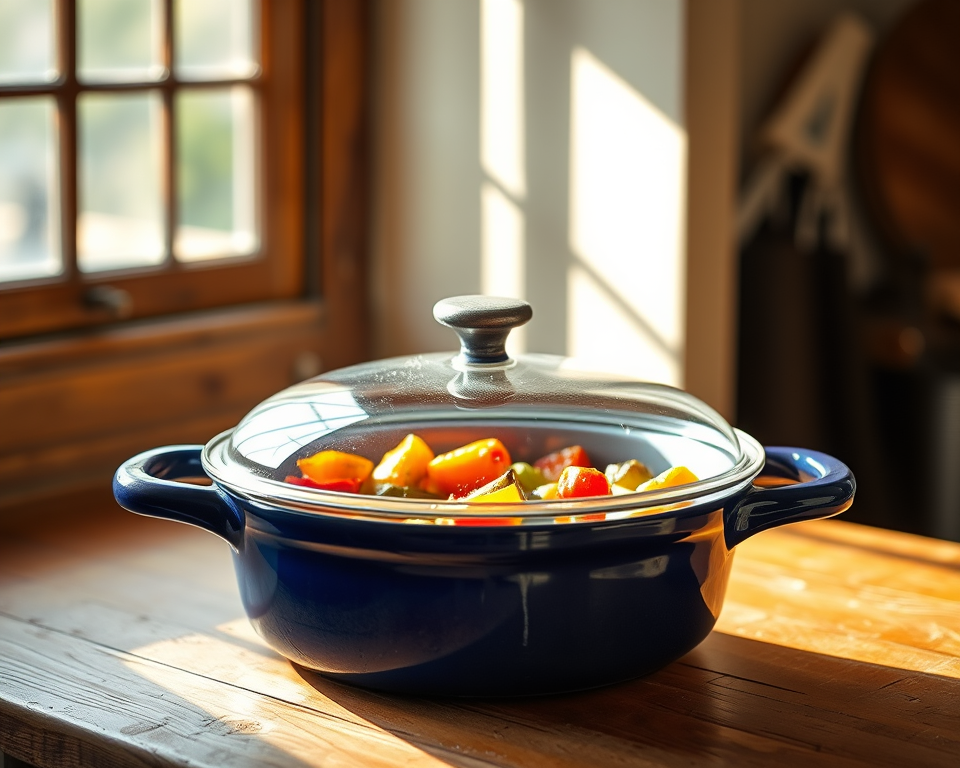
When it comes to cooking, we all want to make sure we’re doing it the right way, especially when we’re talking about our beloved pottery. I mean, nothing feels better than pulling a beautiful casserole from the oven, housed in that stunning stoneware dish, right? But wait—can we safely toss that piece of pottery in the oven without risking it cracking into a million pieces, or worse, leaching harmful chemicals into our food? I can almost hear the apprehension in your voice!
Let’s explore the ins and outs of using pottery in the oven, so you can ditch those worries and focus on whipping up comforting meals for family and friends. With the right information, you can make the most out of your oven-safe pottery while keeping your cooking experiences safe and enjoyable!
Table of Contents
- 1 Key Takeaways
- 2 Types of Pottery Material Suitable for Oven Use
- 3 Temperature Guidelines for Using Pottery in the Oven
- 4 Care Instructions for Oven-Safe Pottery
- 5 Addressing Common User Frustrations About Pottery Safety
- 6 Alternatives to Pottery for Oven Use
- 7 Frequently Asked Questions
- 7.1 What is the difference between stoneware and earthenware in terms of oven safety?
- 7.2 Are all ceramic materials oven-safe?
- 7.3 How can I tell if my pottery is microwave safe as well?
- 7.4 Can pottery withstand sudden temperature changes?
- 7.5 What should I do if my pottery shows signs of cracking or damage?
- 7.6 Are there specific brands of pottery known for being oven-safe?
- 7.7 How should I store my oven-safe pottery to prevent damage?
- 7.8 What are some common pitfalls when using pottery in the oven?
- 7.9 Can I use pottery for broiling in the oven?
- 7.10 What are the best cleaning practices for oven-safe pottery?
Key Takeaways
- Not all pottery is created equal; you need to know which types are oven-safe.
- Pay attention to temperature limits; excessive heat can cause damage.
- Proper care and handling can extend the life of your pottery.
- Stay informed about alternatives if you’re unsure about your pottery’s safety.
Types of Pottery Material Suitable for Oven Use
So, let’s get down to brass tacks. What’s the deal with different pottery types? Not all of them are created for the heat of the oven, but thankfully, some fabulous pieces are perfectly suited for the task.
Understanding Different Pottery Types
When we’re talking about oven-safe pottery, we usually mean ceramic, stoneware, and porcelain. Here’s a quick rundown of what you need to know:
Ceramic Cookware: This is generally safe for oven use, but be wary of any decorative glazes that might not hold up to high temperatures. Brands like Pampered Chef offer durable options. Their stoneware pieces are truly versatile and often come with a promise of oven safety.
Stoneware: Now, here’s a superstar! Stoneware is your best friend in the oven. It’s thick and retains heat beautifully, making it great for baking. Brands such as Le Creuset and CorningWare are famous for their stoneware baking dishes, often priced around $40-$80 depending on the size.
Porcelain: While porcelain is typically oven-safe, always check the manufacturer’s guidelines. I once had a stunning porcelain dish that was eye-catching but wasn’t meant for high heat. Keep an eye out for the “oven-safe” label!
Let’s face it; if you want reliable baking without a meltdown of your favorite pottery, stick to these materials.
Identifying Oven-Safe Pottery
Here’s where things might get a bit tricky. With so many options out there, how can you tell if your pottery will survive the oven?
Look for Labels: Many brands will specify whether their cookware is oven-safe. Keep an eye out for labels or markings. You might also find a sticker that indicates temperature limits, which we’ll dive into later!
Manufacturer Recommendations: Always refer to the product’s care instructions. Most reputable manufacturers like Pyrex and Anchor Hocking provide clear guidelines on their websites.
Check the Construction: If it feels heavy and durable, that’s usually a great sign! Lightweight and flimsy pottery isn’t made for the oven.
Here’s a quick checklist on how to identify if your pottery is safe for the oven:
| Pottery Type | Oven-Safe? | Notes |
|---|---|---|
| Stoneware | Yes | Excellent heat retention |
| Ceramic | Mostly | Verify the glaze; avoid decorative types |
| Porcelain | Sometimes | Check for oven-safe labels |
| Earthenware | Usually not | Often not recommended for high heat |
Temperature Guidelines for Using Pottery in the Oven
Okay, so you’ve got your oven-safe pottery ready to shine, but wait—what’s the magic number?
Recommended Temperature Limits
Here’s where we need to pay a bit more attention. Many oven-safe pottery can handle temperatures around 350°F to 500°F, depending on the material. Here’s a more specific breakdown:
Stoneware: Typically safe up to about 500°F. Perfect for high-heat roasting!
Ceramic Cookware: This can vary widely, but generally it’s good up to 400°F. Always check—some ceramics can be sensitive.
Porcelain: Usually okay at around 375°F. This is where reading the label becomes crucial!
“If you’re ever unsure, lower the heat rather than risking a broken dish. It’s better to be safe than sorry!”
Special Considerations for Different Pottery Types
What about those special items that might just want to come out of the oven? Here’s what to keep in mind:
Avoid Thermal Shock: Pottery is sensitive to rapid temperature changes. Never take a cold dish directly from the fridge and slap it in a hot oven—this can cause it to crack. Instead, allow it to acclimate at room temperature for a bit.
Be Mindful of Direct Flame: Even though your pottery is oven-safe, it might not be suitable for stovetop heat or direct flame cooking. That’s a hard pass!
Grill & Broiler Caution: If you’re using your pottery on a grill or in a broiler, make sure it’s specifically rated for those conditions. The heat source can differ dramatically.
Following these temperature guidelines along with proper handling habits will keep your pottery looking fabulous and performing like a pro!
Care Instructions for Oven-Safe Pottery
Now, let’s talk care and feeding of that gorgeous pottery you’ve been using.
Best Practices for Using Pottery in the Oven
First and foremost, don’t skip the preheating! Just like you’d wait for your oven to heat to avoid uneven cooking, your pottery needs that gradual heat increase too.
Routine Checks: Before every use, inspect your pottery for cracks, chips, or other damages. Even small blemishes can become larger issues under high temperature!
Temperature Adjustments: If a recipe calls for a rapid temperature increase or decrease, remember to adjust in steps. Your pottery will thank you for it.
Use Appropriate Utensils: When handling hot dishes, use proper oven mitts and utensils to avoid accidents. Of course, leave that right out of the oven for as long as possible!
“Taking care of your pottery means it’ll take care of you in return!”
Long-term Care for Pottery Cookware
Doing the dishes is part of the deal, but let’s make sure your cleanup routine isn’t damaging that stunning cookware.
Cleaning Tips: Avoid abrasive cleaners or steel wool that can scratch your beautiful pottery. Stick with a gentle sponge and a mild detergent.
Preservation Techniques: Store your pottery stacked with a layer of paper towels in between each piece. This prevents scratching and chipping.
Routine Maintenance: Every so often, check your pottery for any signs of wear. Early detection can prevent major issues down the line.
As they say, an ounce of prevention is worth a pound of cure.
Addressing Common User Frustrations About Pottery Safety
Let’s hit pause and speak to the elephant in the room—user frustrations surrounding pottery safety!
Clearing Up Pottery Usage Misconceptions
Some folks think all pottery is created equal, while others fear their beloved dish is just a ticking time bomb. But let’s set the record straight!
Myth: All Pottery Can Go in the Oven: Nope! Only those labeled “oven-safe” should. Break out the magnifying glass when in doubt.
Myth: You Can’t Bake with Decorative Dishes: Some decorative pottery can be oven-safe, so don’t ditch those antique treasures without checking!
“Just because it looks cute doesn’t mean it can handle the heat—always check first!”
- Myth: Ceramic is Fragile: While ceramics can be delicate, many modern pieces are built tough for the oven. Brands like Emile Henry and Le Creuset have perfected their stoneware work!
User Experiences and Recommendations
Ever had a cooking flop because you didn’t check your pottery first? Yeah, I get that. It stings when you’re left with shattered dreams or, in this case, shattered pottery. Some users shared their trials:
Sandra from California: “I learned the hard way that decorative pottery is not what you want for baking. Now, I stick to stoneware!”
Mike in New York: “I bought a gorgeous porcelain dish that looked perfect, but only after I got it home did I realize it wasn’t oven-safe! What a bummer!”
User experiences highlight the importance of buying from reputable brands and doing a little research first.
Alternatives to Pottery for Oven Use
If you’re feeling uncertain about your pottery, never fear! There are other options that can also be fabulous in the oven.
Evaluating Other Cookware Options
Let’s look at some alternatives that can hold their own in the oven.
Glass Cookware: Brands like Pyrex are incredibly versatile and can generally withstand higher temperatures than some ceramics.
Metal Bakeware: Stainless steel pans or aluminum baking sheets are solid choices that won’t let the heat down. Plus, they’re typically less pricey—often under $30!
Silicone Bakeware: Great for non-stick baking, silicone can handle temperatures up to around 500°F but can be a little wobbly when moving around.
Here’s a quick comparison of bakeware options:
| Type | Oven-Safe? | Price Range | Pros |
|---|---|---|---|
| Glass | Yes | $10 – $60 | Non-reactive, durable |
| Metal | Yes | $5 – $30 | Lightweight, cost-effective |
| Silicone | Yes | $10 – $25 | Flexible, non-stick |
Benefits of Using Glass and Metal Cookware
Why consider these materials, you ask? They distribute heat evenly and are usually more forgiving when it comes to temperature changes.
Heat Distribution: Glass and metal retain heat well, helping you avoid those awkward cold spots.
Durability: Many metal pans are less prone to breaking than pottery, so they tend to last longer and withstand the test of time.
Versatility: You can use glass and metal for more than just baking; they’re often what we reach for on the stovetop too!
Embracing a variety of cookware can give you the freedom to cook up a storm—without worry!
Ultimately, knowing how to safely use and maintain your pottery can lead to delightful meals and cherished memories. It’s all about being informed, cautious, and a bit adventurous in the kitchen. So, grab that stunning stoneware, preheat that oven, and let’s get to baking!
Frequently Asked Questions
What is the difference between stoneware and earthenware in terms of oven safety?
Stoneware is denser and typically more resistant to thermal shock compared to earthenware, which is more porous and may crack under high temperatures. For best results, always check the manufacturer’s guidelines for each type to ensure safe baking practices.
Are all ceramic materials oven-safe?
Not all ceramics are designed for oven use. Porcelain, for example, can be more fragile under extreme heat compared to stoneware. Always look for labels that specify “oven-safe” or check manufacturers’ recommendations to ensure safety.
How can I tell if my pottery is microwave safe as well?
Microwave safety often differs from oven safety. A pottery piece might be oven-safe but not microwave-safe due to its material composition. Look for specific labels indicating microwave safety or consult the manufacturer’s instructions for clarification.
Can pottery withstand sudden temperature changes?
Pottery can be sensitive to thermal shock. To minimize the risk of cracking, avoid placing hot pottery directly into cold water or transferring it from a hot oven to a cold surface. Gradual temperature changes are crucial for maintaining the integrity of pottery.
What should I do if my pottery shows signs of cracking or damage?
If you notice cracks or chips in your pottery, it’s best to refrain from using it in the oven. Damaged pottery can break further under high heat and may pose safety hazards. Consider replacing it or, for minor chips, consult a specialist for repair options.
Are there specific brands of pottery known for being oven-safe?
While many high-quality brands manufacture oven-safe pottery, some trusted options include Le Creuset, Emile Henry, and Corningware. However, it’s essential to verify the oven safety of each piece, as not all products from these brands may be suitable for oven use.
How should I store my oven-safe pottery to prevent damage?
Store pottery in a way that prevents them from clashing against one another, which can lead to chips or cracks. Using separators, such as cloth or paper, can help preserve their quality and should be kept in a stable, temperature-controlled environment.
What are some common pitfalls when using pottery in the oven?
Common mistakes include preheating the oven while the pottery is inside, quickly transferring from cold to hot environments, and exceeding the recommended temperature limits. To avoid these pitfalls, always follow safe cooking practices and manufacturer guidelines.
Can I use pottery for broiling in the oven?
Not all pottery is suitable for broiling due to the intense direct heat involved. It’s crucial to check the pottery’s specifications; many cookware pieces are not designed for broiler temperatures and may warp or crack. Always consult the manufacturer’s guidelines.
What are the best cleaning practices for oven-safe pottery?
To maintain the longevity of your oven-safe pottery, allow it to cool before washing, and avoid abrasive scrubbers. Use warm soapy water and a soft sponge for cleaning. Ensure thorough drying and avoid soaking damaged pieces to prevent further deterioration.
