
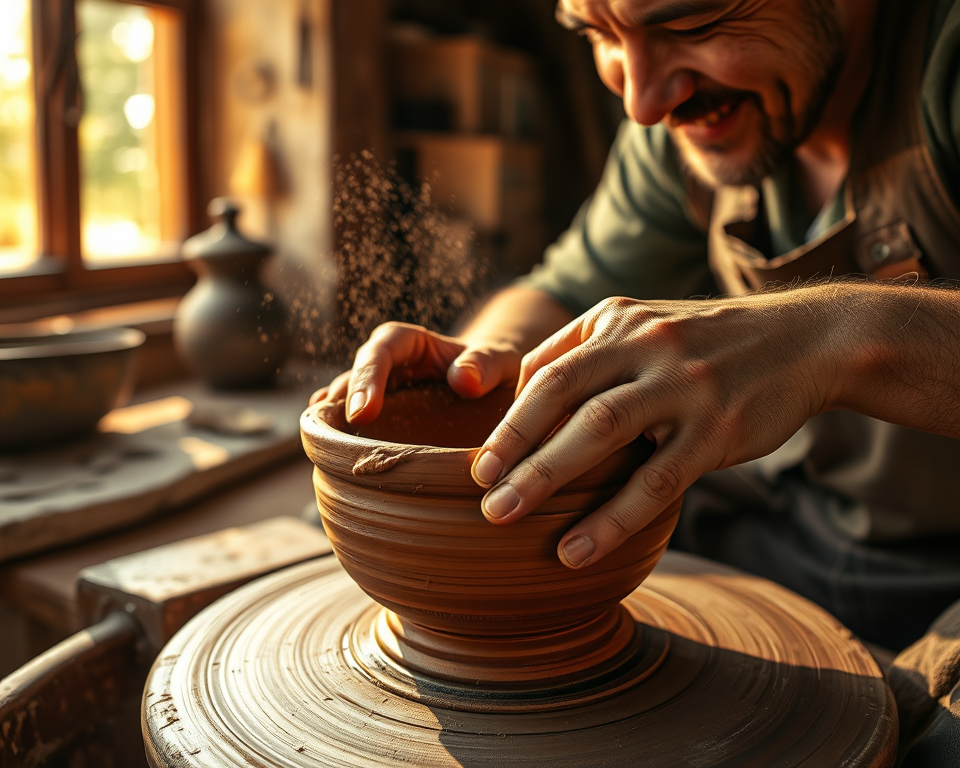
Hey there, pottery lovers! Have you ever thought about how vital pottery is to our history? It’s one of those elements that ties us directly back to our ancient ancestors; the people who roamed the earth with clay in their hands and creativity in their hearts. Whether you’re just curious about when pottery first popped up or are a seasoned ceramicist wanting to delve deeper into its historical significance, you’re in the right place. This journey is going to take us through the origins, techniques, cultures, and the incredible evolution of pottery.
Table of Contents
- 1 Key Takeaways
- 2 The Origins of Pottery
- 3 The First Pottery Techniques
- 4 Pottery and Human Evolution
- 5 Key Milestones in the Timeline of Pottery
- 6 Archaeological Sites of Importance
- 7 The Spread of Pottery Across Cultures
- 8 The Significance of Pottery in Ancient Societies
- 9 Pottery as a Cultural Symbol
- 10 The Role of Pottery in Daily Life
- 11 Examples of Early Pottery Cultures
- 12 Evolution of Pottery Techniques Through the Ages
- 13 Visual Timeline of Pottery Development
- 14 Frequently Asked Questions
- 14.1 What materials were historically used to create pottery?
- 14.2 How did ancient civilizations fire their pottery?
- 14.3 What are some lesser-known pottery techniques from ancient cultures?
- 14.4 How did pottery impact trade in ancient civilizations?
- 14.5 What role did pottery play in religious or ceremonial practices?
- 14.6 Can you explain the significance of pottery in understanding human evolution?
- 14.7 Were there variations in pottery styles based on geographical location?
- 14.8 How did the invention of the potter’s wheel change pottery making?
- 14.9 What contemporary practices are derived from ancient pottery techniques?
Key Takeaways
- Pottery is more than just art; it’s a window into human evolution and societal development.
- From its early hand-built techniques to the use of potter’s wheels, pottery craftsmanship reflects cultural values and technological advancements.
- Understanding the significance of pottery across ancient civilizations will deepen your appreciation for this timeless craft.
- Visual timelines enrich your learning experience and help you grasp the evolution of ceramic techniques.
- Engagement through both practical and social aspects of pottery helps foster a community of enthusiasts.
The Origins of Pottery
Let’s kick this journey off by talking about the origins of pottery. Think about it: here we are, talking to each other in modern times, but long before us, some very clever humans were figuring out how to shape clay and bake it. Pottery likely began around 29,000 BCE with the creation of simple clay figurines, but the first ceramics that served practical purposes, like cooking and storage, started to emerge around 18,000 BCE in places like East Asia, particularly China. Can you imagine the thrill of that moment—picking up a lump of clay and deciding to mold it into something useful?
Pottery artifacts from these times reveal that our ancestors experimented with natural materials to create functional pieces. By 10,000 BCE, there was significant advancement. Fast forward to around 6,000 BCE, and we see established pottery traditions across ancient civilizations in the Near East. The techniques were rudimentary but innovative for their times—hand-built pottery emerged from various tribal communities as a necessity before pottery wheels were invented.
“Every piece of pottery tells a story, a unique narrative rooted in the culture and time it was created.”
The First Pottery Techniques
So, how did they actually make these early pieces? The first pottery techniques were predominantly hand-built. Imagine crafty hands kneading the clay, using coiling methods to create shapes, or employing pinch pots for smaller creations. These techniques were all about practicality, and they’ve laid the groundwork for so much of what we see in modern pottery.
One standout method is the coiling technique—a ton of fun! It’s like making a clay snake and stacking them to form your pot. Although these primitive forms lacked the smoothness of contemporary ceramics, they held a charm that only handmade items possess. Over time, people started experimenting with decorative techniques, adding slip—a liquid mixture of clay and water—for designs, and using cold-working techniques to refine their work.
The firing process was another groundbreaking leap. Early potters often used open fires, but as they honed their skills, they began developing kilns to achieve higher temperatures, which transformed the clay into a durable ceramic body. Imagine the excitement of that first solid pottery piece—they must have felt like they hit the jackpot!
Pottery and Human Evolution
Now, let’s chat about the bigger picture: how pottery connects to our human evolution. Think about it—crafting pottery links back to our cognitive and social development. Pottery wasn’t just a functional tool; it was also a symbol of cultural identity and pride. As communities began forming, pottery styles evolved, highlighting not only personal creativity but also collective values and shared skills.
There’s something kind of poetic about the role of pottery in social structures. It gave rise to specialized craftsmen, leading to organized trade. The desire for unique pottery pieces encouraged interaction between different cultures. This trade laid the foundation for further advancements in ceramics and a sharing of techniques that continues to this day.
“Pottery is a reflection of human ingenuity, illustrating our creativity and ability to adapt.”
Key Milestones in the Timeline of Pottery
Buckle up because we’re cruising through time to explore the impressive timeline of pottery. Below is a glimpse of some of the key milestones that honestly shaped the course of ceramic history.
| Year (approx.) | Milestone |
|---|---|
| 29,000 BCE | Creation of the Venus of Dolní Věstonice figurine. |
| 18,000 BCE | Beginnings of functional pottery in East Asia. |
| 10,000 BCE | Development of the earliest pottery vessels. |
| 6,000 BCE | The establishment of pottery in the Near East. |
| 4,000 BCE | Invention of the potter’s wheel in Mesopotamia. |
| 2,000 BCE | Significant pottery styles emerge in ancient China. |
As you can see, pottery evolved dramatically over the millennia. The invention of the potter’s wheel around 4,000 BCE in Mesopotamia was a game-changer. It allowed artisans to create more symmetrical and intricate designs, reflecting not just functionality but also artistic expression. Pottery wasn’t just about utility—it turned into a canvas on which civilizations portrayed their ideals and lifestyles.
Archaeological Sites of Importance
Let’s go on a virtual tour of some significant archaeological sites that have helped us piece together the fascinating history of pottery. These locations are more than just remnants of the past; they’re the very foundations of our understanding of early ceramics.
- Çatalhöyük, Turkey: This Neolithic site is one of the oldest known human settlements. Craftsmen here showcased intricate pottery techniques that reveal communal life.
- Jomon Period, Japan: The Jomon people were some of the earliest potters, creating beautiful, ornamental pottery that reflected their surroundings.
- Harappan Civilization, Indus Valley: Known for its remarkable baked clay bricks and sophisticated urban planning, this civilization also produced well-crafted pottery that showcased both practical and artistic designs.
These sites are a treasure trove of pottery artifacts! Their archaeological significance not only illuminates the evolution of ceramic techniques but also underscores the cultural heritage associated with pottery across various civilizations.
The Spread of Pottery Across Cultures
The story of pottery doesn’t stop with individual civilizations; its impact ripples across cultures. As trade routes developed, so did the exchange of ideas about pottery. Think about how indigenous ceramics from Native American tribes to Asian dynasties demonstrate a melding of styles and techniques.
Take the Mayan civilization, for instance; their pottery was stunningly decorative and served both domestic functions and ceremonial purposes. Similarly, African pottery traditions have shown incredible diversity, with functional pieces often adorned with intricate designs. The cross-cultural interactions fostered a rich tapestry of pottery styles that we see represented around the globe today.
Cultural diversity in pottery is fascinating. It’s heartwarming to think about how the exchange of ideas and techniques enriched communities! By understanding these intertwining pottery traditions, we can better appreciate not only the craft itself but also the emotional connection that comes with it—the sense of identity and belonging.
The Significance of Pottery in Ancient Societies
If you think about ancient societies, pottery was at the center of daily life. It wasn’t just a tool for cooking or storage; it was part of the sociocultural fabric that connected people. Functional ceramics played roles in ceremonies, rituals, and even in the expression of status within communities.
In ancient Egypt, pottery was often used for burial purposes, showcasing the belief systems of the time. The craftsmanship involved in creating these pieces was emblematic of the effort to honor the dead. These aspects show how pottery reflects utilitarian aspects while being woven into the emotional and ritualistic dimensions of life.
As I mentioned earlier, pottery transcended its basic purpose. It served as a medium for storytelling through decoration and form, creating a rich narrative about the people who made and used it. Pottery was the canvas upon which ancient societies painted their lives—a truly remarkable legacy!
Pottery as a Cultural Symbol
Now, let’s explore how pottery acts as a cultural symbol. Each piece carries a whisper of the history and traditions of its place of origin. From the bold colors of Mexican ceramics to the delicate craftsmanship seen in Chinese porcelain, pottery has always been more than just practical objects—it’s a form of cultural identity.
These pieces are often intricately inscribed with symbols or images that tell of community narratives, folklore, and religious practices. Whether it’s the rich pottery traditions of the Zuni tribe or the meticulous detail present in Persian ceramics, every artifact connects us to the legacy of the culture that created it.
Here’s a thought: every time an artisan shapes clay, they’re not just creating a vessel. They’re tapping into generations of knowledge and skill, honoring their ancestors, and expressing their cultural identity. How cool is that?
The Role of Pottery in Daily Life
We can’t overlook the role pottery played in daily life during ancient times. From cooking vessels to storage jars, pottery provided practical solutions to everyday needs. It shaped domestic practices, breaking down barriers for women who often took on the craft to support their households.
Ceremonial potteries were also significant. They were adorned with designs that reflected cultural heritage or family stories. Sometimes, these pieces were even used in rituals! The communal practices around pottery-making created friendships and bonds that are timeless, echoing through the ages.
It’s compelling how pottery can both serve practical purposes and be laden with emotional significance. The connection between art and daily life is something we can admire and strive to emulate in our current world.
Examples of Early Pottery Cultures
Let’s shift gears and shine a spotlight on some standout ancient pottery cultures. Each of these civilizations brought something unique and compelling to the table—literally!
Analyzing Mesopotamian Pottery
Mesopotamia is often referred to as the “cradle of civilization,” and its pottery plays a huge role in that reputation. The Sumerians, in particular, were notable for developing advanced pottery techniques, including the use of the potter’s wheel. This innovation led to beautifully painted ceramics, often used in trade and as valuable treasures in both domestic and religious settings.
One of their standout pieces is the famous Warka Vase, which represents one of the earliest known examples of narrative art. It’s stunning how they managed to merge functional ware with artistic ambition. The pots weren’t just vessels; they were statements.
The Influence of Chinese Pottery
Now let’s hop over to ancient China, where pottery holds an esteemed status in cultural history. Chinese ceramics have a long and fascinating past, dating back to Neolithic times. The invention of porcelain during the Tang dynasty was a true marvel that paved the way for future innovations.
The beauty and craftsmanship behind porcelain pieces, like those from the Ming dynasty, are staggering. Here we see art and utility merging seamlessly. The influences of Chinese pottery extend even into contemporary designs, showing just how lasting and impactful these early traditions were.
As we explore these cultures, it’s impressive how pottery represents not just a craft but a deep-rooted connection to identity, community, and artistry.
Evolution of Pottery Techniques Through the Ages
Now that we’ve looked at the rich history of pottery let’s turn our attention to how the techniques have evolved over time. Pottery has grown from simple, rudimentary techniques to highly sophisticated crafting methods that showcase artistic expression.
From Hand-Molding to Modern Techniques
In the ancient world, pottery was often made by hand using coiling or pinch techniques. Fast forward a few millennia, and here we are! Today, the modern pottery industry employs advanced technologies, including mass production methods that keep pace with consumer demands.
However, the artisanal touch still holds a cherished spot in the hearts of many pottery makers. Techniques like throwing clay on a pottery wheel as well as hand-painted finishes remain popular due to their unique aesthetic qualities. Many contemporary artists are reviving ancient processes to keep the spirit of traditional pottery alive. Among favorites in the US, brands like Laguna Clay and Amaco offer high-quality materials for both experienced potters and enthusiasts alike.
Modern Implications of Ancient Pottery
It’s fascinating to consider how ancient pottery has influenced current designs and practices. Modern interpretations of ancient techniques offer us an opportunity to appreciate our heritage. Potters today often blend traditional methods with contemporary design aesthetics, creating pieces that resonate on multiple levels—functional, artistic, and historical.
We see this in the rise of community workshops where artisans invite others to join in crafting. These sessions serve as a way to educate while preserving vital techniques. Isn’t that a cool way to keep the past alive?
Visual Timeline of Pottery Development
If visuals help you learn better, then you’re going to love this next bit. Let’s create a visual timeline to capture the essence of pottery development over the ages. A visual approach not only makes information memorable but also shows the thrilling journey pottery has taken through history.
| Date/Period | Key Development |
|---|---|
| 29,000 BCE | Figurative pottery created in Europe |
| 18,000 BCE | Early functional pottery in East Asia |
| 5,000 BCE | Introduction of glazes |
| 4,000 BCE | Pottery wheel invented in Mesopotamia |
| 2,000 BCE | Porcelain innovations begin in East Asia |
| 1,100 CE | Chinese celadon reaches its pinnacle |
By placing events in context, we can grasp how adjustments in technique and availability of materials have led to the diverse stew of pottery we have today. This timeline serves as a reminder that every technique—from hand-molding to glazing—has a purpose and a place that connects back to the humans who fashioned these items over millennia.
Creating Engaging Visuals for Pottery History
Speaking of engaging experiences, using visuals provides an educational tool that enhances the understanding of pottery’s historical context. If you’re developing your own pottery piece, take a moment to think about how your design carries the weight of history.
In crafting workshops or educational settings, it can be beneficial to include infographics that display key techniques or styles from different cultures, allowing participants to visually connect with the material. This added layer of engagement helps to spark interest and enthusiasm for the craft.
Integrating Art and History with Pottery
As things wind down, I’m reminded that pottery is a beautiful intersection of art and history. Community exhibitions showcasing traditional and contemporary pottery forms have arisen to bring this interplay to life. They create a space for conversation, appreciation, and learning.
Art historians and ceramic artisans alike adopt storytelling through pottery by highlighting the connections among them. Schools and community groups are increasingly offering art projects focusing on pottery, making it accessible for everyone.
This blending of art and culture is a vital trend that fosters creativity without losing sight of its rich history. That’s truly where the magic lies—finding beauty in the past while crafting a future filled with possibilities!
Frequently Asked Questions
What materials were historically used to create pottery?
Early pottery was primarily made from natural clay, which is abundant in the earth. Additives like sand or grog were sometimes mixed in to improve strength and durability. In some cultures, organic materials like straw or ash were added to create unique textures and enhance the pot’s performance during firing.
How did ancient civilizations fire their pottery?
Ancient civilizations typically used open fires or kilns to fire pottery. The firing process involved gradually increasing heat to harden the clay, creating durable vessels. Techniques varied widely: some societies used simple bonfires, while others developed advanced kilns for more controlled temperatures, influencing the final product’s quality and design.
What are some lesser-known pottery techniques from ancient cultures?
In addition to coiling and hand-building, several lesser-known techniques include slip casting, where liquid clay is poured into molds, and sgraffito, a method of scratching through a surface layer to reveal a contrasting color beneath. Additionally, some cultures employed glazing techniques using minerals to create colorful finishes.
How did pottery impact trade in ancient civilizations?
Pottery played a crucial role in trade, serving as both functional goods and valuable commodities. Decorative ceramics often became status symbols, while practical vessels facilitated the storage and transport of food, liquids, and other goods, linking various cultures and economies through shared pottery styles and techniques.
What role did pottery play in religious or ceremonial practices?
Many ancient cultures used pottery for religious and ceremonial purposes. Special vessels often housed offerings, while intricately designed artifacts served as ritual items during religious ceremonies. The styles and forms of pottery produced for such uses frequently reflect the beliefs, customs, and artistic expressions of their respective cultures.
Can you explain the significance of pottery in understanding human evolution?
Pottery serves as a critical lens through which anthropologists understand human evolution. The development of pottery techniques indicates shifts in social structures, as well as advancements in food preparation and storage, which contributed to settled lifestyles. It reveals insights into cultural evolution, technological progress, and human creativity.
Were there variations in pottery styles based on geographical location?
Yes, pottery styles varied significantly depending on geographical locations, influenced by available materials, cultural practices, and environmental factors. For instance, Mesoamerican pottery often features intricate designs and vibrant colors, while coastal cultures developed unique ceramics suited for marine environments, showcasing a rich diversity of artistic expression.
How did the invention of the potter’s wheel change pottery making?
The invention of the potter’s wheel revolutionized pottery making by allowing for faster and more uniform vessel production. It enabled potters to create thinner, more symmetrical pieces and introduced new decorative possibilities. This advancement marked a significant shift in both the functionality and artistry of pottery across civilizations.
What contemporary practices are derived from ancient pottery techniques?
Many contemporary pottery practices draw inspiration from ancient techniques. Modern artisans often blend traditional handcrafting with innovative glazing and firing methods. Additionally, movements that emphasize sustainable practices are reviving ancient materials and techniques, ensuring that the historical significance of pottery is carried forward into today’s artistic expressions.
