
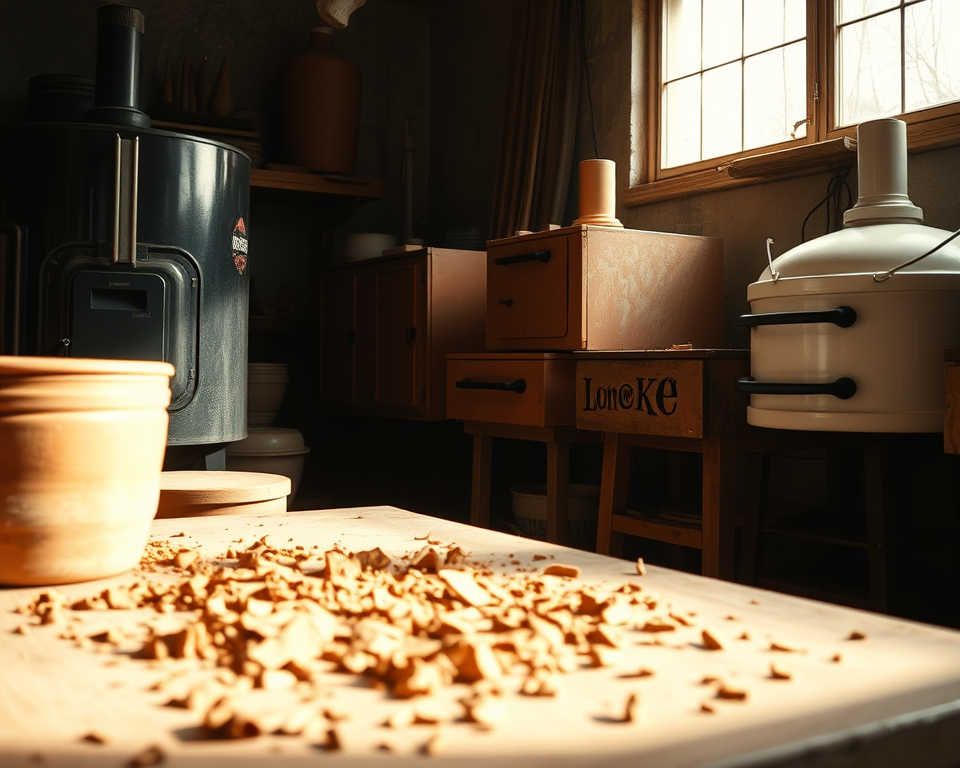
When I first kicked off my pottery journey, I was so eager to get my hands dirty—literally! But I was stumped by one critical element: the pottery oven. Or, more accurately, I was baffled by the staggering variety of options and the costs associated with them. If I could go back in time, I’d tell my younger self, “Get ready for some serious budgeting!” So, whether you’re a newbie like I was or a seasoned potter hunting for that perfect kiln, let’s break down everything you need to know about pottery oven pricing today.
Table of Contents
- 1 Key Takeaways
- 2 Pricing Overview of Pottery Ovens
- 3 Ongoing Costs: Maintenance and Utilities
- 4 Features to Consider When Choosing a Pottery Oven
- 5 Buying Considerations and Resources
- 6 User Experiences and Testimonials
- 7 Insights for Novice and Experienced Potters
- 8 Frequently Asked Questions
- 8.1 What should I look for when buying a used pottery oven?
- 8.2 Are there affordable options for beginners?
- 8.3 How do I maintain a pottery oven?
- 8.4 What are the differences between electric and gas kilns?
- 8.5 Can I use a pottery oven for other purposes?
- 8.6 What energy efficiency features should I consider?
- 8.7 How can I finance a pottery oven purchase?
- 8.8 What are common mistakes new potters make with kilns?
- 8.9 How do I find local pottery oven suppliers?
Key Takeaways
- Pottery oven prices can range widely from $300 for budget models to over $3,000 for professional ones.
- It’s crucial to choose a pottery oven based on your specific needs—are you a hobbyist, a professional artist, or an educational institution?
- Don’t overlook ongoing costs like electricity and maintenance—they can add up quickly.
- Buying used pottery ovens can save you a boatload of cash, but make sure you evaluate their condition first!
- Look for financing options or community grants to ease the upfront burden of purchasing your equipment.
Pricing Overview of Pottery Ovens
Cost Breakdown: New vs. Used Pottery Ovens
When it comes to pottery ovens, you’ll quickly realize the stark contrast in pricing when comparing new versus used options. A brand-new electric kiln can run anywhere from $800 to $3,000 depending on size and features. For instance, take the Skutt KM-1027, which retails around $1,800. It’s a fantastic choice for serious hobbyists with its solid build and superior kiln technology.
On the flip side, if you’re looking to save some cash (and who isn’t?), second-hand pottery ovens can often be found for less than $500 on platforms like Craigslist or Facebook Marketplace. Just be cautious—make sure you evaluate their condition upfront. A refurbished kiln could potentially save you money and still pack a punch in your pottery production.
Here’s a quick comparison in table format for visual reference:
| Type | Price Range | Notable Brands | Specs/Features |
|---|---|---|---|
| New Kilns | $800 – $3,000 | Skutt, L&L, Paragon | Digital controls, programmable settings |
| Used Kilns | $300 – $1,200 | Various | Condition varies, check heating elements |
“Choosing between a new and used kiln can feel like a huge gamble. But often, going refurbished allows you to get something reliable without breaking the bank.”
Major Brands Comparison
Now, let’s turn our attention to the big players in the pottery oven arena. Trust me, not all kilns are created equal when it comes to performance and durability. Here’s a breakdown of some popular brands you might want to consider:
- Skutt: Known for its advanced technology and robust design. Models like the KM series come with digital temperature controls and excellent insulation, perfect for hobbyists and pros alike.
- L&L: These kilns are built like tanks and are famous for their energy efficiency. The L&L E-Series is a go-to for many professionals, priced around $1,500.
- Paragon: Their kilns tend to be aftermarket favorites due to great customer service and a solid warranty. The Paragon FireFly model prices start at around $900.
The reputation of these brands means you’ll be less likely to encounter frustrations common with lower-quality kilns like inconsistent heating or controls that break down.
Ongoing Costs: Maintenance and Utilities
Understanding the upfront cost is only half the battle—you also need to consider ongoing costs. The electricity needed to run a kiln might make your jaw drop. I’d budget at least $20 to $75 a month depending on frequency of use. Energy-efficient models, like the L&L line, could provide long-term savings. Plus, a few minor maintenance tasks each year can keep your kiln running impressively.
Now, about maintenance—don’t skip it! Regular checks can help troubleshoot potential issues and prolong the life of your kiln. Keeping the firing chamber clean, checking kiln bricks, and testing prod settings are all essential tasks.
“Even the best pottery ovens need a little TLC. Invest time in maintenance and you’ll reap the benefits in performance!”
Features to Consider When Choosing a Pottery Oven
Moving along, let’s chat about some radically important features to consider. Selecting the right pottery oven can feel overwhelming—like, what the heck is a ‘digital controller’ anyway? I remember feeling lost at first, but let’s simplify it together!
Specifications Based on Intended Use
Are you a hobbyist making clay mugs on weekends? Or are you a prof selling business-level ceramics? Your needs dictate the specs you should consider. For hobbyists, smaller kilns like the Paragon FireFly or Skutt KM-614—both typically priced under $1,200—offer great options without excess capacity.
For pros or educational institutions, you might want to go for something larger like the Skutt KM-1227, running over $2,500, which can handle bulk firings. Should you need to do specialized work, here’s what to keep in mind:
– Temperature range: Higher temperatures mean more possibilities—this is crucial for materials like stoneware.
– Firing capabilities: Whether you’re into reduction firing or oxidation, knowing your oven’s capabilities goes a long way.
Insights on Essential Features
You also want to consider other nifty features that make your kiln user-friendly:
– Digital controllers: These beauties simplify the firing process, allowing you to program in various cycles.
– Energy efficiency: Heating elements that save energy not only help the environment but also up your savings over time.
– Safety features: Always prioritize models with strong insulation and good ventilation systems to avoid nasty surprises.
Here’s a quick checklist of features that can make or break your pottery experience:
- Digital controls vs. manual controls
- Size and capacity
- Safety measures in place
“Investing in a pottery oven is like adding a new member to your creative team—it should match not only your artistic style, but your frame of reference!”
Buying Considerations and Resources
Where to Buy: Online vs. Physical Stores
Now, let’s talk about where you’ll actually snag your pottery oven. Buying online can be super convenient; websites like Amazon, KilnFormers, and even Home Depot have an extensive selection at your fingertips.
However, there’s something to be said about going into a physical store if you can. Local art supply retailers or pottery studios often have demo units that let you see and even interact with the kiln before purchasing. Plus, shopping local allows you to develop relationships with experts who can offer invaluable advice.
Financing Options for Pottery Ovens
I know, budgeting can be a bummer. But don’t fret! Many organizations offer financing options or even grants aimed at the ceramic arts community. Always search for possibilities, whether through local arts councils or online platforms.
Consider sticking to well-known financing companies that understand the creative industry. You can often find payment plans tailored to artists that allow you to split the total cost into manageable monthly payments. That way, your passion doesn’t have to drain your wallet too harshly.
User Experiences and Testimonials
One of the best ways to ensure you’re making the right choice is learning about other people’s experiences. After all, who better to ask than fellow potters who’ve tangibly felt the impact of their purchases?
Success Stories from Pottery Artists
The online pottery community is full of inspiring stories. I ran across an artist named Sarah who was turned off by higher-end brands but ultimately invested in a Skutt KM-1227 after much deliberation. She noted that transitioning from her small, outdated kiln to this model revolutionized her output. “With the control this kiln gives me, I’ve streamlined my process. I’ve gone from hobbyist to semi-professional in no time!” she said.
Meanwhile, another pottery aficionado, Tom, shared his journey buying a used kiln off eBay. He scored a Paragon DTC-812 after rigorous vetting of the seller, and it’s transformed his workflow—all for half the price of a new one!
Despite the initial scare and the risk involved in purchasing used equipment, both saw a great return on investment thanks to their smart decisions.
User Frustrations with Pottery Oven Purchases
That said, I’d be remiss not to mention the common complaints. Users often express frustrations over unclear specifications or inconsistent customer service from brands. Many felt overwhelmed by the sheer number of options.
If you find yourself in this position, take a step back. Keep a list of what you need before you dive into the sea of choices. Engaging with brands via social media can also yield quicker responses on your burning questions.
Insights for Novice and Experienced Potters
At this point, it’s clear there’s so much to consider—but whether you’re just starting out or looking to upgrade, there’s always something new to learn!
Addressing Beginner Needs in the Pottery Community
For those just starting their pottery journey, beginners’ models like the Duncan EZ Fire make fantastic first ovens, often retailing at around $500. These models offer simple firing sessions and require minimal setup—perfect for those clueless about kiln operations.
Find local workshops or art schools in your area. Often, they offer classes that cover selecting your first kiln and hands-on experience to make those early woes feel less daunting.
Recommendations for Professional Potters
On the flip side, pros could flourish under industrial-strong brands like Skutt or L&L. They commonly provide better temps, uniformity, and efficiency that you won’t find in lower-tier brands. Having something like the Skutt KM-614 not only enhances output but can sometimes land you those more lucrative ceramic projects, solidifying your position in the market.
It’s also worthwhile to make connections within pottery circles. Insight from others can provide invaluable perspectives on what truly stands the test of time.
In the whirlwind that is the pottery world, the importance of your equipment can’t be overstated. Choosing the right oven is essential for honing your craft, maximizing your investment, and, most importantly, helping you create pieces that reflect your artistic vision. The pottering adventure is like a journey, full of twists, turns, and continuously evolving paths. With the right tools, your artistic aspirations can truly take flight.
Frequently Asked Questions
What should I look for when buying a used pottery oven?
When buying a used pottery oven, check for wear and tear, especially on heating elements and insulation. Ask about its firing history, maintenance records, and any previous repairs. Additionally, ensure it meets your specific temperature and capacity needs, and consider whether it has a reliable warranty or return policy.
Are there affordable options for beginners?
Yes, many brands offer budget-friendly entry-level kilns suitable for hobbyists. Look for models labeled as “beginner pottery ovens” or “affordable kilns.” It’s also worth considering second-hand options or refurbished models, which can provide good value without sacrificing functionality.
How do I maintain a pottery oven?
Regular maintenance for a pottery oven includes cleaning the kiln shelves to prevent glaze buildup, inspecting insulation for damage, and checking electrical connections. Following the manufacturer’s guidelines for upkeep will extend the oven’s lifespan and ensure consistent performance.
What are the differences between electric and gas kilns?
Electric kilns are generally user-friendly and suitable for most pottery types, providing precise temperature control. Gas kilns, on the other hand, require more setup and management but can produce unique surface effects in pottery due to their reduction atmosphere. Your choice should align with the artistic effects you wish to achieve.
Can I use a pottery oven for other purposes?
While primarily designed for pottery, many electric kilns can fire glass and some metals. However, using it for non-pottery items can introduce contaminants, impacting the kiln’s next firing and the quality of your work. Always check the manufacturer’s guidelines about multipurpose use.
What energy efficiency features should I consider?
When selecting a pottery oven, look for energy-efficient models with good insulation, programmable controllers, and advanced heating technologies that minimize energy consumption. Efficient models can lead to reduced monthly electricity costs, making them a smart long-term investment.
How can I finance a pottery oven purchase?
Many retailers offer financing options, including payment plans and credit. Additionally, grants or scholarships may be available for ceramic artists through local arts organizations. Research your local resources, as well as online platforms dedicated to supporting artists.
What are common mistakes new potters make with kilns?
New potters often underestimate the importance of proper loading techniques, leading to uneven firing results. It’s also common to overlook the significance of kiln shelf preparation and temperature calibration. Taking a pottery class or reading guides can help new users gain confidence and avoid these pitfalls.
How do I find local pottery oven suppliers?
To find local pottery oven suppliers, search for art supply stores, pottery studios, or specialty equipment retailers in your area. Online searches can help, but visiting physical stores allows you to see the ovens firsthand and consult knowledgeable staff for personalized advice.
