
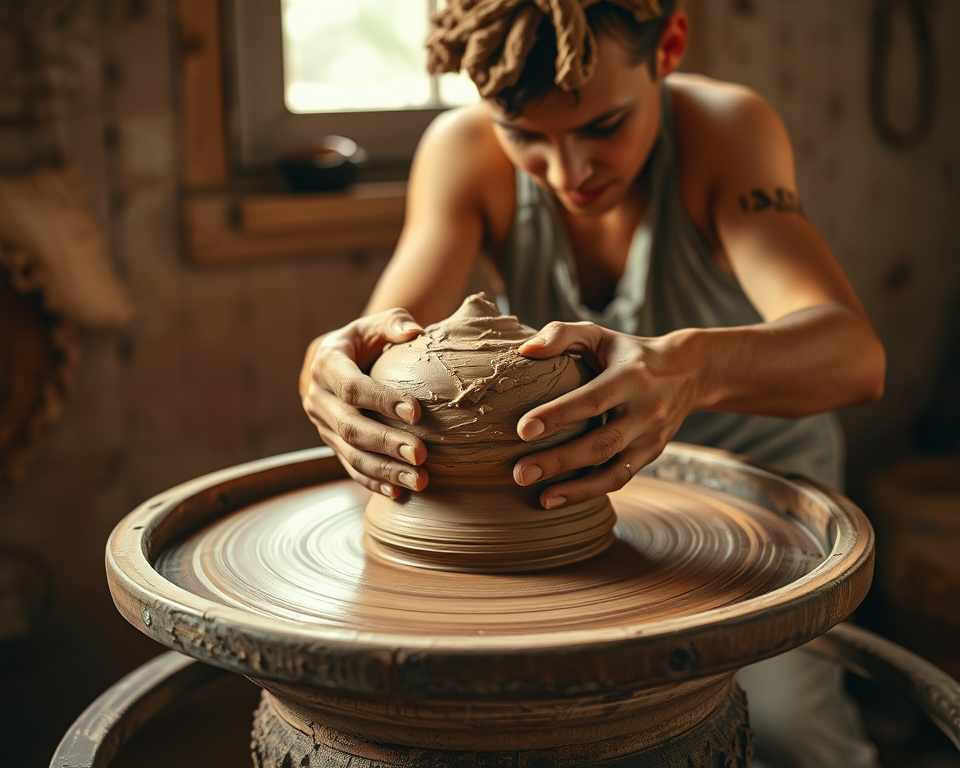
Have you ever watched a potter shape a lump of clay into a beautiful piece of art and thought, “I want to do that!”? Trust me, you’re not alone. Creating pottery is one of those magical experiences where you take something as ordinary as clay and turn it into something extraordinary. But before you jump into throwing bowls and crafting mugs, you need to know how to make that pottery clay yourself. Let’s roll up our sleeves, get messy, and explore the exciting world of pottery clay making!
Table of Contents
- 1 Key Takeaways
- 2 Understanding Pottery Clay
- 3 Ingredients in Making Pottery Clay
- 4 Step-by-Step Process of Making Pottery Clay
- 5 Techniques for Clay Preparation
- 6 Practical Tips for Beginners
- 7 Environmental Considerations in Clay Sourcing
- 8 Frequently Asked Questions
- 8.1 What are the common types of clay used in pottery, and how do they differ?
- 8.2 How do I know which type of clay is right for my pottery project?
- 8.3 What are some effective techniques for preparing clay before use?
- 8.4 What common mistakes should I avoid when making pottery clay?
- 8.5 How can I troubleshoot issues with my clay preparation?
- 8.6 What practical tips can I follow as a beginner in pottery?
- 8.7 How do I ensure environmentally friendly clay sourcing?
- 8.8 What advancements are being made in pottery clay technology?
- 8.9 Where can I find resources for continuing my pottery education?
Key Takeaways
- Understanding the different types of pottery clay is crucial for successful projects.
- Making your own pottery clay involves gathering raw materials and following specific steps.
- Common additives can enhance your clay, improving its texture and workability.
- Learning from the community and sharing experiences makes pottery more enjoyable.
- Environmental considerations are key to sustainable pottery practices.
Understanding Pottery Clay
What Is Pottery Clay?
Alright, let’s start with the basics. Pottery clay, in simple terms, is a natural material composed primarily of fine-grained minerals and water. This combination gives clay its plasticity, allowing it to be shaped into various forms before being fired in a kiln. Throughout history, pottery has played a significant role in human civilization—from functional vessels to decorative art pieces.
Clay features myriad properties, making it perfect for both beginners and seasoned artisans. Whether you’re making a functional dish or a display piece, understanding its significance in pottery will steer your creative journey.
Different Types of Pottery Clay
Now, let’s take a closer look at the different types of pottery clay. Choosing the right clay for your project can elevate your work from average to extraordinary. Here are some common varieties:
Earthenware: This is the classic pottery clay that most beginners use. It’s inexpensive and quite forgiving. Earthenware pieces are typically fired at low temperatures, around 1800°F to 2100°F.
Stoneware: Known for its durability, stoneware is a favorite for functional items that will see regular use. It’s fired at higher temperatures (up to 2400°F), which makes it non-porous and ideal for dinnerware.
Porcelain: This is the high-end clay—fine and smooth, with a beautiful finish. It’s tricky to work with due to its low plasticity and high firing point (over 2400°F), but the results are nothing short of breathtaking.
Raku Clay: Perfect for unique surfaces, raku clay undergoes special firing techniques. The process creates stunning, unpredictable results!
If you’re just starting, I suggest trying earthenware. Not only is it easy to work with, but it also allows for various surface treatments and decorations. Now that we’ve got the basics down, let’s jump into the ingredients involved in making pottery clay.
Ingredients in Making Pottery Clay
Creating your pottery clay isn’t just about slapping some dirt together. You need to know what those ingredients are and how they interact. The most essential components of pottery clay include:
Clay Minerals: These form the backbone of your clay. Common minerals include kaolinite, ball clay, and fire clay. Each type affects the characteristics of your finished product.
Water: This isn’t just for hydration—water triggers the clay’s plasticity, making it workable. Too little, and your clay will be dry and crumbly; too much, and you’ll have a mud puddle.
Additives: This is the fun part! Additives like grog (crushed fired clay) enhance texture and strength. Plasticizers (like calcium bentonite) improve workability, while colorants add flair.
Common Additives and Their Purposes
Understanding additives can help elevate your clay making up several notches. Here are common ones and why you’d want to use them:
Grog: This is the secret sauce to making your clay stronger and helping it with drying out consistently. It’s especially handy when working with larger pieces.
Plasticizers: They give your clay that buttery smooth texture. You want your clay to be pliable, right? These guys help make that happen!
Colors for Clay: Ever think about adding a personal touch? By incorporating oxides or natural pigments, you can add vibrant colors to your clay, creating stunning effects after firing.
When mixing your clay, play around with these additives to see what kind of texture and properties you enjoy best. It may take a bit of trial and error, but the results can be satisfying!
Step-by-Step Process of Making Pottery Clay
Let’s get into the nitty-gritty of how to whip up your own pottery clay from scratch. It’s like cooking! Gather your materials and let’s get started.
Preparing the Raw Materials
First, you need to source your clay. You can either buy ready-made clay from craft stores or go all out and dig for natural clay yourself. Yes, I’m talking about going on a little adventure to find it! If you opt for natural clay, here’s a little tip: ensure it’s clean and devoid of debris.
Once you have your clay, you’ll need to:
Clean the Clay: Remove any impurities. This can involve soaking and kneading to eliminate stones and organic matter.
Screen the Clay: If you’re deep-diving into clay recipes, you might want to screen it through a fine mesh to ensure a uniform texture.
Drying the Clay: If you have raw clay, it might need drying to achieve the right consistency for mixing.
After all this prep, give yourself a pat on the back—you’re off to a great start! Now let’s get to the mixing and shaping part.
Mixing and Shaping the Clay
It’s shaping time! The key to achieving the right consistency is in the mixing.
Knead the clay like you would dough. You’re aiming for a smooth, flexible consistency. Each knead should blend air and moisture evenly, so keep at it until you can roll it into a perfect ball without cracking.
Once kneaded, you can start shaping the clay. The classic methods are hand-building (just you and your hands) or wheel throwing (using a pottery wheel). Grab your tools—like a wooden rib, needle tool, or sponge—to help refine your shapes.
It’s all about personal preference. Some folks enjoy hand building intricate designs, while others find solace in the rhythm of the wheel.
Techniques for Clay Preparation
As you get the hang of things, you might find yourself eager to branch out and explore some techniques for clay preparation. This is where your creative juices can flow! Here are a few popular techniques to consider:
Hand-Building: Start simple! Coiling, pinching, and slab techniques are perfect for beginners and let your imagination run wild.
Wheel Throwing: This can be a super relaxing method once you nail it. Don’t get discouraged if it’s tricky at first! The wobbliness will go away over time.
Texturing Clay: Use everyday objects like leaves, fabrics, or even coins to create unique textures on your pieces.
Making Air-Dry Clay: If you’re not ready to invest in a kiln yet, air-dry clay can be made at home. Just mix flour, salt, and water. Easy peasy!
Common Pitfalls in Clay Making
While creating pottery can be thrilling, there are a few common pitfalls you should be aware of. Trust me, I’ve learned the hard way on many occasions! Here are some mistakes to avoid:
Choosing the Wrong Clay Type: If you’re making functional pottery such as plates, avoid using a delicate type like porcelain, which is more suited for decorative items.
Neglecting Drying Times: If you’re in a rush, it might tempt you to skip proper drying. This can lead to cracked pottery during firing. Be patient!
Not Practicing Enough: Pottery is uniquely challenging. It takes time to develop your skills. Don’t get frustrated—practice makes perfect!
“Success is not the key to happiness. Happiness is the key to success. If you love what you are doing, you will be successful.”
Practical Tips for Beginners
Now that you’ve processed through making your pottery clay, let’s get real. Here are some handy tips for beginners that can set you up for success.
Invest in Quality Tools: It doesn’t have to break the bank. Look for a beginner pottery tool kit like the Sculpey Pottery Tool Set for around $20. You’ll be surprised how much easier it makes things!
Take Your Time: Pottery is a process. Enjoy each stage—whether prepping your clay or shaping it on the wheel—and don’t rush through.
Stay Organized: As you get into the groove, keep your workspace organized. It helps avoid chaos and allows you to focus on your art rather than cleaning up!
Keep Learning: Join pottery communities online or in your local area. Websites like Craftsy or local pottery classes can teach you tons!
Use Proper Safety Practices: When working with chemicals or raw clay, ensure you wear masks and work in ventilated areas. Safety first!
Success Stories from Pottery Enthusiasts
It’s truly inspiring to hear others’ journeys as they dip their toes into the world of pottery. I remember attending a local pottery fair a while back and chatting with an emerging artist named Jenna. She shared how she struggled initially but was now creating gorgeous pieces that sold out in minutes.
Such stories remind us that while the path might be laden with challenges, the joy and connection we foster through pottery are rewarding beyond measure. Getting involved with community workshops and galleries can also spark inspiration and bolster your confidence.
Environmental Considerations in Clay Sourcing
In today’s creative landscape, it’s vital that we also look at the environmental impact. Clay mining can harm ecosystems, where it is extracted without care. As an artist, I always think about how we can source materials responsibly.
To ensure I’m doing my part, I look out for suppliers who follow sustainable practices or, even better, gather my materials ethically. Some brands, like Laguna Clay, focus on eco-friendly sourcing, which is a win-win for our craft and the planet.
The Future of Pottery Clay
As technology advances, so does our approach to pottery. From 3D printing to eco-friendly materials, there’s no telling how the craft will evolve. Innovations such as introducing glass and found materials into clay mixes expand our creative horizons.
Keep an eye on these trends, as they can inspire fresh ideas and help you push the boundaries of traditional pottery practices. Engaging with the pottery community, attending workshops, and following pottery influencers on platforms like Instagram will keep you in the loop and inspire new projects.
For instance, incorporating biodegradable additives into clay compositions is trending, so don’t hesitate to experiment with these if you want to stay ahead of the curve!
“Art is not freedom from discipline, but disciplined freedom.”
Here’s to your journey as you explore the thrilling realm of pottery clay. Make it personal, get inventive, and above all, have fun!
Frequently Asked Questions
What are the common types of clay used in pottery, and how do they differ?
Common types of pottery clay include earthenware, stoneware, porcelain, raku clay, and polymer clay. Each type varies in firing temperature, texture, and end use. Earthenware is porous and low-fired, making it great for decorative pieces, while stoneware is durable and can hold food. Porcelain is known for its fine quality and translucency, while raku clay is typically used for unique fired pieces.
How do I know which type of clay is right for my pottery project?
Choosing the right clay depends on the desired outcome of your project. For beginners, earthenware is often recommended due to its workability and lower firing temperature. If you want more resilient pieces, stoneware is ideal. For fine details and elegant finishes, opt for porcelain. Consider the firing methods and glazes you plan to use when making your selection.
What are some effective techniques for preparing clay before use?
Preparing clay involves several steps: first, wedge your clay to remove air bubbles; then, knead it to achieve a uniform texture. You can also add moisture to improve pliability. Consider filtering out larger particles and contaminants by screening the clay to ensure a smoother working surface for shaping and crafting.
What common mistakes should I avoid when making pottery clay?
Avoid using too much water, as it can weaken the clay and lead to cracks during drying. Ensure you thoroughly mix additives for uniform texture and avoid incorporating foreign materials that could interfere with firing. Additionally, don’t skip the kneading process; it’s essential for achieving the right consistency.
How can I troubleshoot issues with my clay preparation?
If your clay is too dry, add small amounts of water while kneading. For overly wet clay, let it air-dry a bit before working. If cracks appear during drying, check if the thickness is uniform and consider adding a bit of plasticizer to enhance flexibility. Always store unused clay in a sealed container to maintain moisture.
What practical tips can I follow as a beginner in pottery?
Start with simple projects like small bowls or cups to hone your skills. Familiarize yourself with basic tools like a potter’s knife, rib, and sponge for different tasks. Keep a notebook for notes on your techniques and challenges. Joining local pottery workshops can also provide invaluable hands-on experience and guidance.
How do I ensure environmentally friendly clay sourcing?
Choose suppliers who practice sustainable mining and provide organic or recycled clay materials. Look for certifications or endorsements regarding environmental responsibility. Additionally, consider sourcing local clay to reduce transportation emissions and support local artisans, helping contribute positively to the pottery community.
What advancements are being made in pottery clay technology?
Emerging trends in pottery clay technology include the development of biodegradable ceramics and air-dry clays that don’t require a kiln. Innovations in 3D printing are also changing the way pottery is made, allowing for intricate designs and faster production methods, making ceramic art more accessible to a broader audience.
Where can I find resources for continuing my pottery education?
Resources abound, such as online courses on platforms like Skillshare or Udemy, YouTube tutorials, and pottery books available at your local library or bookstore. Many pottery studios offer classes for various skill levels, and engaging in local pottery clubs or forums can provide sharing of experiences and tips from other pottery enthusiasts.
