
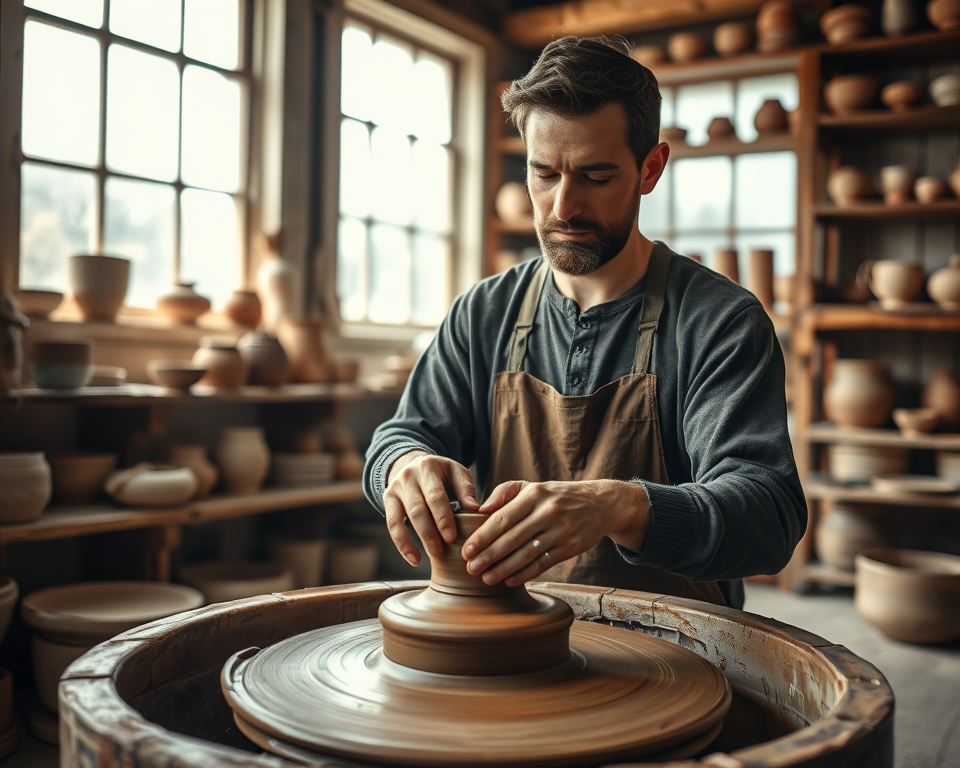
When I first dipped my fingers into clay, I had no idea how potent, expressive, and soothing the art of pottery could be. Picture it: the earthy texture between your palms, the intoxicating scent of wet clay, and the meditative hum of a pottery wheel slowly spinning under your touch. Pottery isn’t just about making things; it’s about expressing who you are through the transformation of a humble lump of clay.
Key Takeaways:
– Pottery provides a significant emotional and therapeutic outlet, helping with stress relief and mindfulness.
– Essential supplies like a pottery wheel, tools, and various clay types are crucial for every beginner.
– Understanding the difference between functional and decorative pottery can enhance your creations and focus your practice.
– Joining local pottery groups or classes can elevate your skills and get you involved in your community.
– Exploring different pottery techniques can result in unique, eye-catching pieces while boosting your confidence.
Table of Contents
- 1 Understanding Pottery Craft
- 2 What Materials Are Used in Pottery?
- 3 Exploring Different Types of Pottery
- 4 Getting Started with Pottery
- 5 Community and Cultural Aspects of Pottery
- 6 Frequently Asked Questions
- 6.1 What is the difference between earthenware, stoneware, and porcelain?
- 6.2 How can I choose the right pottery class for beginners?
- 6.3 What tools are essential for starting pottery?
- 6.4 How long does it typically take to learn pottery?
- 6.5 How does the firing process work in pottery?
- 6.6 Can pottery be used in the microwave and dishwasher?
- 6.7 What are some common mistakes beginners should avoid in pottery?
- 6.8 How does pottery contribute to art therapy and well-being?
- 6.9 What should I look for in pottery supplies?
Understanding Pottery Craft
Before you get down to the nitty-gritty of crafting, let’s unpack what pottery actually is. At its core, pottery is the art of creating functional and decorative objects from clay. This ancient craft has evolved over thousands of years and has roots in cultures around the world—from the rustic earthen pots of early civilizations to the delicate porcelain of Asia.
What amazes me about pottery is its dual nature; it can serve a practical purpose while being an exquisite art form. When I hold a mug that I made, I feel an intimate connection to the past, understanding that countless hands have shaped the very idea of pottery through creativity and cultural significance.
“Pottery is a journey through time and culture, inviting you to express your essence artistically.”
The Significance of Pottery in Art
The value of pottery extends beyond its utilitarian nature. It encapsulates the artistry and craftsmanship passed down through generations. As an artist, each piece you create reflects not just your personal vision but also the artistic heritage of pottery around the world.
Pottery gives us a platform for artistic expression—think about it! You can convey emotion through color, shape, and texture. Whenever I visit a local art exhibit, I’m drawn to pottery, not just for its aesthetic, but for its cultural significance. Each vessel tells a story, a piece of history contained within its structure.
What Materials Are Used in Pottery?
Now, let’s talk about getting your hands dirty—literally! To jumpstart your pottery journey, understanding the materials involved is crucial.
The primary component is, of course, clay. There are several types to choose from, each offering unique characteristics:
| Clay Type | Description | Price Range |
|---|---|---|
| Earthenware | Soft, porous clay that fires at low temperatures; great for beginners. | $0.50 – $1.50 per lb |
| Stoneware | Denser and more durable, suitable for oven and microwave use. | $1.20 – $2.50 per lb |
| Porcelain | Fine, white clay that fires at high temperatures; elegant and translucent. | $2.50 – $5.00 per lb |
| Bisque Clay | Fired once, allowing easier shaping and glazing. Used as a base for final pieces. | $1.00 – $2.00 per lb |
In addition to clay, you’ll need glazing materials to add color and finish to your work. Don’t forget about essential tools like a pottery wheel, wire cutter, and various trimming tools.
Essential Techniques for Beginners
Let’s get to the good stuff—the techniques! Here’s where the magic happens. As a beginner, you’ll find that learning a few key techniques can set a solid foundation for your pottery practice.
Wheel Throwing Basics
Oh, the thrill of wheel throwing! Trust me, it’s one of the most exhilarating things you can do. At first, it might feel daunting but remember that even the pros were once beginners.
When starting, you’ll want to become familiar with your pottery wheel, such as the Brent C potter’s wheel. Priced around $1,495, this machine is perfect for beginners and has a reliable motor for smooth operation. Learning the basics involves understanding how to center the clay on the wheel and shaping pots through cone formation.
“Centering is the heart of wheel throwing; it’s the foundation upon which your pots are built.”
You’ll move through various stages: wetting, applying pressure, and pulling the clay up. It’s like a dance; the wheel spins, the clay responds, and before you know it, you’re shaping bowls, cups, and vases.
Hand-Building Techniques
Hand-building is where I found my creative groove. This method allows you to explore clay without being confined to a wheel. It’s all about grabbing some clay and letting your imagination run wild!
There are a few popular hand-building techniques you can try:
Pinch Pots: Simple yet charming, pinch pots are made by pinching a lump of clay into shape. They’re great for beginners and can lead to beautiful decorative pieces.
Slab Building: This involves rolling out flat slabs of clay; you can then cut and assemble them into various shapes. It’s perfect for creating boxes or platters.
Coil Pottery: It’s as straightforward as it sounds! Roll coils of clay and stack them to build forms. It gives a wonderfully organic feel to your creations.
Exploring Different Types of Pottery
The diverse world of pottery opens countless avenues for creativity. You might find your niche or expand your horizons by understanding the various types of pottery.
Functional vs. Decorative Pottery
So, what’s the real deal between functional and decorative pottery? Functional pottery is designed for use—think mugs, plates, and bowls. On the other hand, decorative pottery could simply be art for art’s sake, vibrant pieces meant to be admired rather than used.
Not to say that the two don’t overlap! Some people incorporate beauty into their everyday ceramics. I’ve seen eye-catching mugs with intricate designs that are equally functional.
If you love coziness as I do, you’ll appreciate that everyday ceramics have a special place in our homes, making morning coffee rituals or fancy dinner parties all the more delightful.
Getting Started with Pottery
To really get your hands on the fun, let’s talk about how to kickstart your pottery journey. Getting equipped with the right supplies and resources is essential to prevent feeling overwhelmed.
How to Choose the Right Pottery Supplies
First off, don’t let the shopping experience stress you out. Here’s a straightforward list of beginner essentials:
Clay: Choose a versatile clay like low-fire earthenware to experiment with.
Pottery Wheel: If you want to master wheel throwing, invest in a starter wheel like the Skutt B Series, which goes for about $1,295.
Basic Tool Set: You’ll need trimming tools, wooden modeling tools, and sponges. You can find starter kits for around $30.
When I was starting, I made the mistake of overthinking my purchases. Instead, focus on versatility and quality. Many local arts and crafts stores also offer pottery supplies, so check out what’s available in your area!
Recommended Pottery Resources
Now for the exciting part—resources! You’ll want to have ample materials to help you on your journey. Here are some solid recommendations:
Books: “The Complete Pottery Handbook for Beginners” is a fantastic starting point. It covers techniques, tools, and inspiration at just around $25.
Online Classes: Websites like Skillshare offer fantastic introductory pottery courses for about $20 a month. If you want to see stuff in action, watch YouTube channels like “Pottery by Jake”.
Pottery Blogs: Websites such as Ceramics Monthly have insightful articles that discuss techniques, trends, and stories from fellow potters to keep your motivation high.
Joining some online pottery communities can be an absolute game-changer—ask for help, share your pieces, and soak up all that good vibe encouragement!
Community and Cultural Aspects of Pottery
One of the best parts of pottery is its rich cultural heritage and the community around it. In comparing my experiences with pottery to other hobbies, there’s a unique sense of belonging the craft offers.
The Therapeutic Benefits of Pottery
Believe me when I say that pottery can be incredibly therapeutic. There’s something magical about working with your hands—whether it’s the mindless rhythmic actions of throwing or the sheer joy of squishing clay between your fingers.
I still remember a particularly rough week when creating a simple bowl led me to a meditative state, allowing my worries to melt away. Pottery can provide a sense of mindfulness, which is essential for mental well-being.
“Crafting pottery is like therapy with a twist. You come away not just with art but also a lighter soul.”
Finding Community Through Pottery
Engaging with local pottery clubs or workshops can help you find your place in the pottery community. You’ll meet folks who share your passion, swap tips, and even collaborate on projects. Look out for community art festivals or pottery fairs; they’re goldmines of inspiration.
Consider searching for pottery meetups in your area, or even social media groups dedicated to the craft. Being in touch with fellow potters can give you that much-needed motivation, plus they usually inspire you with their own journeys and tricks of the trade.
Don’t underestimate the value of a pottery group! You’ll learn fast and make some amazing friends along the way.
I hope this deep dive into pottery has ignited a spark in your creative spirit! Remember, it’s all about enjoying the process—each piece you create is a stepping stone on your artistic journey. Get those hands muddy, have fun, and let the clay lead you to new discoveries in your life!
Frequently Asked Questions
What is the difference between earthenware, stoneware, and porcelain?
Earthenware, stoneware, and porcelain are all types of clay bodies used in pottery. Earthenware is the least durable and typically fired at lower temperatures, making it porous. Stoneware is sturdier, fired at higher temperatures, and is often used for functional pottery. Porcelain is the most refined, known for its smooth texture and translucency, fired at the highest temperatures.
How can I choose the right pottery class for beginners?
When selecting a pottery class, consider the instructor’s experience, class size for personal attention, and available equipment. Look for classes that offer hands-on practice and a variety of techniques, like wheel throwing and hand-building. Additionally, check reviews or speak with prior attendees to gauge the quality of instruction.
What tools are essential for starting pottery?
Essential tools for beginners include a pottery wheel (if wheel throwing), various shaping tools like rib and knife, sponge for moisture control, a needle tool for cutting, and a wire tool for removing pots from the wheel. Investing in good quality tools can enhance your learning experience significantly.
How long does it typically take to learn pottery?
The time it takes to learn pottery varies based on individual commitment, frequency of practice, and the complexity of techniques being studied. Beginners may start feeling comfortable with basic techniques after a few classes, while mastering skills can take months or even years of practice.
How does the firing process work in pottery?
Pottery is fired in a kiln at high temperatures to harden the clay and make it durable. The first firing is called bisque firing, which transforms the clay into a ceramic state. After glazing, a second firing, known as glaze firing, melts the glaze to create a glass-like surface, enhancing both durability and aesthetics.
Can pottery be used in the microwave and dishwasher?
Not all pottery is microwave and dishwasher safe. It’s essential to check whether the specific pieces were made from microwave-safe materials and have been fired correctly. Stoneware and some types of earthenware can be safe for these appliances, while decorative pieces with certain glazes may not withstand high temperatures or moisture.
What are some common mistakes beginners should avoid in pottery?
Common mistakes include not wedging clay enough (which can lead to cracks), rushing the drying process, and neglecting to properly center clay on the wheel. Additionally, beginners should be cautious with glazing techniques to avoid drips and ensure even coverage.
How does pottery contribute to art therapy and well-being?
Engaging in pottery can be a therapeutic practice that fosters mindfulness and concentration. It allows individuals to express themselves creatively while also providing stress relief through manual creation. Art therapy often incorporates clay work to help participants process emotions and develop fine motor skills.
What should I look for in pottery supplies?
When purchasing pottery supplies, prioritize quality over cost. Choose the right type of clay for your projects, whether earthenware, stoneware, or porcelain. Don’t forget essential tools like a potter’s wheel or hand-building tools, as well as safety equipment like gloves and masks if working with dust or chemicals.
