
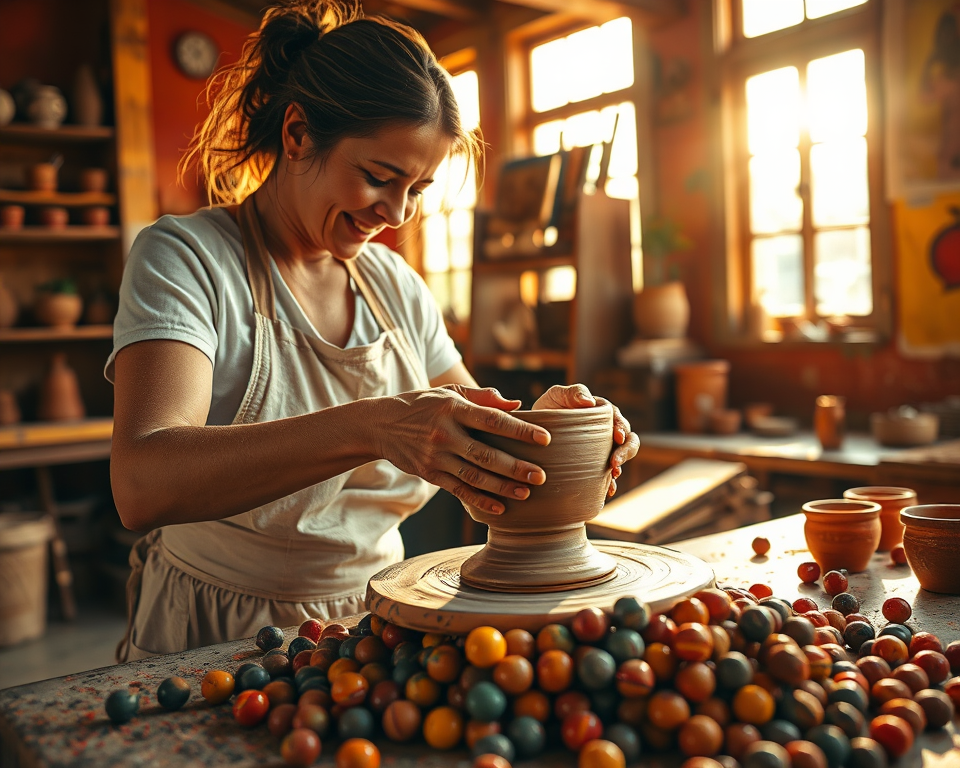
Stepping into the world of pottery is like chucking a whole bag of colorful marbles into the air and waiting to see where they land. If you’re here, you’re probably feeling that tingle of excitement — maybe a blend of curiosity and a pinch of apprehension — about taking your first pottery class. Trust me, it’s completely normal! As someone who’s been through the clay trenches, I’m here to assure you that it’s a journey worth taking, filled with creativity, connection, and a whole lot of fun.
Key Takeaways:
– Pottery classes offer a unique blend of hands-on learning, community connection, and personal growth.
– You can choose between online and physical classes, catering to your convenience and learning style.
– Understanding the costs upfront — from class fees to hidden expenses — ensures a smoother experience.
– The therapeutic benefits of pottery can enhance your mental wellness and provide a creative outlet.
– Assessing class reviews and instructor qualifications will help you find the best fit for your needs and skills.
Table of Contents
- 1 What to Expect in a Pottery Class
- 2 Class Structures: Online vs Physical Options
- 3 Benefits of Taking Pottery Classes
- 4 Understanding the Costs of Pottery Classes
- 5 Pottery Class Reviews: What to Look For
- 6 Navigating Common Frustrations in Pottery Classes
- 7 Enhancing Your Pottery Experience
- 8 Frequently Asked Questions
- 8.1 What should I wear to my first pottery class?
- 8.2 Will I need to purchase my own pottery supplies?
- 8.3 Can I participate in pottery class if I have no prior experience?
- 8.4 How can I find the best pottery class for my schedule?
- 8.5 What types of pottery will I be able to create?
- 8.6 Are there potter studios that offer specialized classes for children or families?
- 8.7 What if I have a specific pottery technique I want to learn?
- 8.8 Can I continue developing my pottery skills after taking an introductory class?
- 8.9 What are the common tools used in pottery, and will I need to buy them?
- 8.10 Is there an age limit for pottery classes?
What to Expect in a Pottery Class
So, what happens when you walk through those studio doors and take your first seat at the pottery wheel? Well, first things first: expect to get your hands dirty! Pottery classes are all about getting down to business and diving into the clay. You’ll learn various pottery techniques that transform simple lumps of earth into practical art pieces.
Here’s a glimpse of the typical setup. Most pottery classes have a structured approach so you’re not left floundering. You can expect an introduction to hands-on learning, a demo session by your instructor, and plenty of time to craft your pieces. Not only will you work with your hands, but you’ll also soak up valuable knowledge about the various pottery techniques and tools.
Types of Pottery Techniques Taught
If you’re a beginner, you might start with the basics like wheel throwing and hand building. Wheel throwing, for instance, is where you’ll get the chance to mold the clay while it spins, shaping it into bowls or vases. It’s equal parts exhilarating and frustrating! Meanwhile, hand building focuses more on your artistic touch—crafting pieces without a wheel, using methods like pinching and coiling.
Let me tell you, when I first tried my hands at glazing techniques, I discovered that it’s like painting your favorite work of art, but on clay! Choosing colors and finishes makes each piece distinctly yours.
| Technique | Description | Skill Level |
|---|---|---|
| Wheel Throwing | Shaping clay on a spinning wheel to create vessels | Beginner to Advanced |
| Hand Building | Creating pieces using techniques like pinch or coil | Beginner to Intermediate |
| Glazing Techniques | Applying color and finish to your ceramics | All Levels |
In your first class, you’ll probably create a few basic pieces; the key is to enjoy the process. Remember that the more you practice, the better you’ll get!
Class Structures: Online vs Physical Options
Now that you’ve got a taste of the hands-on experience, let’s chat about where you can take these courses. You have options — woo-hoo! Whether you’re a social butterfly who thrives in a busy studio or someone who prefers to learn in your pajamas with a cup of coffee in hand, there’s a format perfect for you.
Online pottery classes have skyrocketed in popularity. Platforms like Skillshare and Udemy offer great deals, sometimes as low as $15 a month, where you can join from anywhere. This format allows you to learn at your own pace, and they often have a wealth of resources like videos and community forums.
On the flip side, physical classes are like stepping into a community. Local studios usually cater to a wide range of skill levels—you can find everything from beginner workshops to advanced glazing classes. These sessions foster group dynamics and social interaction that enrich the learning experience. Plus, there’s nothing quite like holding that delightful lump of clay in your hands while sharing a laugh with fellow learners.
“I’ve met some of my closest friends in pottery class! There’s something special about creating art together.”
Benefits of Taking Pottery Classes
Sure, crafting funky bowls and quirky mugs is a blast, but there’s so much more to it! Pottery is hugely rewarding— not just artistically but personally as well. Here’s why you might want to sign up.
First, let’s discuss that therapeutic aspect. Creating something from scratch can be incredibly rewarding. Whether you’re winding down after a stressful day or looking to escape from life’s chaos, molding clay can serve as a creative outlet that offers stress relief. You’ll find your mind drifts, and before you know it, you’ve created a beautiful piece of art.
In addition to fostering creative expression, pottery classes nurture community connections. You’re surrounded by folks who share similar interests — perfect for making new friends!
Lastly, developing new skills keeps your mind engaged and can lead to a sense of accomplishment. Every piece you create tells a story, celebrating your artistic growth.
Therapeutic Aspects of Pottery
If you’ve been feeling overwhelmed or stressed, I can’t emphasize enough how beneficial pottery can be for your mental health. Picture yourself playing with clay, your fingers sinking into the cool, damp material.
This experience serves as a form of art therapy. It can be an escape from daily pressures, allowing you to delve into mindfulness practice while being focused and present in the moment. Many find that pottery provides an avenue for emotional wellness; it’s a focused activity that demands your attention and permits creativity without any judgment.
“Pottery isn’t just about making pretty things; it’s about finding peace amid chaos. Whenever I sit at the wheel, it’s like therapy.”
Understanding the Costs of Pottery Classes
Now, let’s tackle the topic of money — because, let’s be real, it’s an important factor! The costs of pottery classes can vary significantly depending on where you go. Basic community classes often charge around $150-$200 for a series of classes. This usually covers the essential materials and studio fees.
But watch out for hidden costs. Always check if your fee includes tools, like clay cutters or glazes, or if you’ll need to budget an additional $30 for each class for supplies and kiln fees. Some places even rent out pottery tools like hand tools and rolling pins for a small fee, so be sure to inquire about what’s included!
Here’s a simple breakdown of potential costs you might encounter:
| Type of Expense | Average Cost |
|---|---|
| Class Fees | $150 – $200 |
| Material Costs | $30 – $50 |
| Tool Rentals | $5 – $10 |
| Glaze & Firing Fees | Varies (sometimes included in class fee) |
Being upfront about costs can save you from those surprise financial hiccups later. Always ask about what’s included before you sign up!
Pottery Class Reviews: What to Look For
When picking a pottery class, don’t skip the reviews! Trust me; they can make or break your experience. Look for testimonials that give insight into instructor qualifications or class vibes. Community recommendations and user testimonials will help you gauge satisfaction levels.
You want to find instructors who are not just talented potters but also engaging teachers. Read up on how they facilitate classes and check if their teaching style resonates with you. Are they patient? Creative? Do they encourage experimentation or stick to strict guidelines? These insights can help you choose the right fit.
How to Assess the Right Class for You
With so many options out there, it can feel overwhelming to sift through all the pottery classes available. Here’s what to do:
Identify Your Goals: Are you looking to make functional pieces or focus more on artistic expression? This will guide your search.
Check Instructor Qualifications: You’re going to be spending time learning from them, so look for reviews that highlight their teaching experience.
Engagement: Look for classes that encourage participation. You want a community atmosphere to enhance your learning experience.
With this approach, you can make informed choices and feel confident stepping into your first class. Just remember, every potter was once a rookie!
Let’s not pretend all is perfect in the land of clay. There are frustrations that can arise, particularly when expectations aren’t clear. For example, worrying about whether your class will cater to your skill level can make anyone a bit anxious.
To avoid that sinking feeling, always read the class descriptions carefully and reach out to instructors with any questions. This will help prevent mismatched expectations.
Also, you’ll want to stay alert to vague class descriptions or potential upcharges. If a class sounds too good to be true, it may be worthwhile to dig deeper. Make sure you know what’s included in the class fee and if any additional costs could sneak up on you.
Tips for Finding Classes That Suit Your Needs
Here’s a short list of strategies to help you find the right pottery class:
Explore Local Listings: Check community art centers and local studios for pottery classes. They often offer classes at various difficulty levels.
Online Research: Websites like Yelp and Facebook can offer user-friendly searching and highlight user experiences.
Ask for Recommendations: Don’t hesitate to reach out to friends or family members. Sometimes, word-of-mouth referrals lead to hidden gems!
By following these tips, you’ll stand a better chance of finding classes that align perfectly with your skill levels and goals.
Enhancing Your Pottery Experience
Okay, so you’ve signed up for class, but what’s next? To truly make the most of your journey, you’re going to want to be proactive.
First, get to know your instructors and classmates! Building relationships can enrich your learning experience and offer a support system. You’ll be more inclined to ask questions and share ideas.
Also, practice makes perfect! After class, spend some time at home exploring pottery techniques. You don’t need fancy tools; you can get started with simple DIY pottery tools. An old rolling pin can work wonders, and there are tons of at-home crafting supplies that won’t break the bank.
Developing a Pottery Practice at Home
Creating a space for pottery at home can amplify your skills significantly. Your home pottery setup can be as simple as a sturdy table and some basic tools. Look into DIY pottery tools like air-dry clay, a hand-held cutter, or storage for your materials.
I can’t stress enough how important it is to stay engaged beyond the classroom. Setting aside time each week to explore pottery can fuel your creativity and help you grow your skills. There’s nothing quite like immersing yourself in your passion, experimenting with new techniques, and creating beautiful pieces that reflect your journey.
By doing this, you’ll not only enhance your experience in class but also lay the groundwork for an inspiring pottery practice that is uniquely yours.
Frequently Asked Questions
What should I wear to my first pottery class?
It’s best to wear comfortable, old clothing that you don’t mind getting dirty. Clay can be messy, so consider wearing an apron or smock to protect your clothes. Closed-toe shoes are also recommended for safety in the studio.
Will I need to purchase my own pottery supplies?
Typically, most classes include basic supplies like clay and tools in the course fee. However, it’s wise to ask about specific materials provided and if you’ll need to buy anything additional, such as special glazes or tools, as this can vary by studio.
Can I participate in pottery class if I have no prior experience?
Absolutely! Pottery classes are designed for all skill levels. Most instructors tailor their teaching to accommodate beginners, focusing on foundational techniques and allowing you to progress at your own pace.
How can I find the best pottery class for my schedule?
To find a suitable class, check local community centers, art studios, or online platforms offering pottery courses. Many provide flexible schedules, including evening and weekend options, so you can choose what fits best with your commitments.
What types of pottery will I be able to create?
In introductory classes, you’ll likely learn a variety of techniques such as wheel throwing, hand-building, and glazing. As you advance, you may explore sculpting and advanced finishing techniques based on your interests and skill level.
Are there potter studios that offer specialized classes for children or families?
Yes, many studios host family-friendly classes or specialized sessions for kids. These classes often focus on fun, engaging projects to foster creativity in a supportive environment. Check local listings for options in your area.
What if I have a specific pottery technique I want to learn?
If you have a preference for a specific technique, like raku or slab pottery, inquire with studios about specialized classes or workshops. Many instructors are happy to accommodate individual interests or can direct you to resources for further learning.
Can I continue developing my pottery skills after taking an introductory class?
Definitely! Many studios offer advanced classes or open studio times where you can practice independently. Joining pottery clubs or local art associations can also provide continued education opportunities and skill development.
What are the common tools used in pottery, and will I need to buy them?
Common tools include ribbon tools, sponges, and bats, among others. While many classes provide basic tools, if you plan on pursuing pottery more seriously, investing in a personal toolkit eventually is recommended for at-home use.
Is there an age limit for pottery classes?
Most pottery classes are suitable for adults and teens, but many studios also offer children’s classes. Always check with the specific studio to confirm their age requirements and class recommendations for different age groups.
