
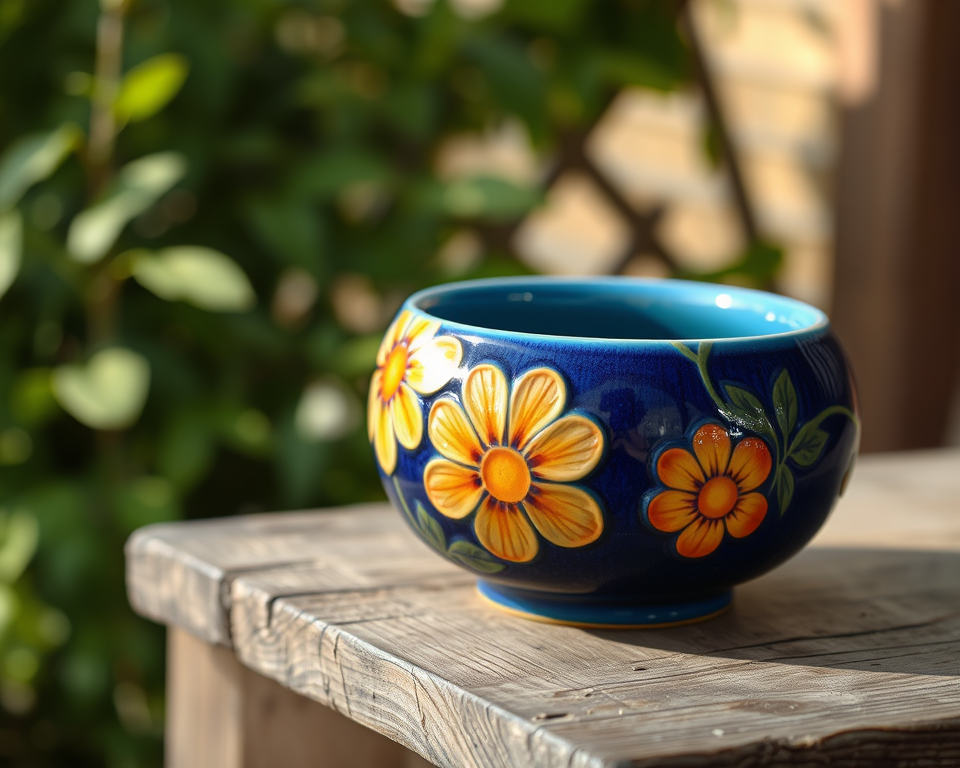
When I first stumbled upon a piece of Roseville pottery at a flea market, I had no idea I was about to embark on an exhilarating journey through American art pottery. That vibrant glaze and striking floral patterns pulled me in like a moth to a flame, and, trust me, it wasn’t just the price tag of $25 that caught my eye! I could feel the history and artistry pulsating through that delicate clay. If you’ve ever been smitten by the charm of vintage pottery or sought out unique decor for your home, you’re not alone. Let’s explore the incredible world of Roseville pottery, dive into its rich history, appreciate its distinctive styles, and learn how to collect and care for these beautiful pieces of art.
Table of Contents
- 1 Key Takeaways
- 2 History of Roseville Pottery
- 3 Distinct Styles of Roseville Pottery
- 4 Value of Roseville Pottery
- 5 Collecting Roseville Pottery
- 6 Visual Aids and Resources
- 7 Frequently Asked Questions
- 7.1 What is the significance of the various styles of Roseville Pottery?
- 7.2 Are there any notable factories or artists linked to Roseville Pottery?
- 7.3 How can I determine the authenticity of Roseville Pottery?
- 7.4 What are the most common mistakes collectors make when buying Roseville Pottery?
- 7.5 What are effective methods for preserving and displaying Roseville Pottery?
- 7.6 How has the market for Roseville Pottery changed over time?
- 7.7 What are some lesser-known patterns that collectors should be aware of?
- 7.8 How can new collectors start learning about Roseville Pottery?
- 7.9 Is there a community of Roseville Pottery enthusiasts?
- 7.10 Where can I sell my Roseville Pottery items?
Key Takeaways
- Roseville pottery has deep roots in American ceramics history, stemming from Ohio in the early 20th century.
- Each style features unique colors and patterns, making identification a thrilling challenge for collectors.
- Condition, rarity, and craftsmanship are crucial factors impacting the value of Roseville pieces.
- Collecting begins with appreciating the art; start small and embrace the community of fellow enthusiasts.
- Proper care and maintenance can ensure your pottery pieces last for generations to come.
History of Roseville Pottery
The Origins of Roseville Pottery
As I delved deeper into the world of Roseville pottery, I discovered its origins in Zanesville, Ohio. Founded in 1890, the Roseville Pottery Company emerged as one of the key players in the American art pottery movement. This was a time when skilled artisans were laying down roots in pottery production, experimenting with glazes and techniques that had been handed down through generations.
The founders, George and William Rose, recognized the importance of craftsmanship and design, incorporating local influences to create pieces that not only resonated artistically but also commercially. Studying the American ceramics history, it’s fascinating how Roseville managed to reflect the artistic trends of the time while catering to evolving consumer tastes.
Key Production Years and Milestones
As we fast forward through the decades, several key milestones mark Roseville’s artistic journey. One pivotal period was during the 1920s, when they ramped up production and introduced iconic styles like “Bushberry” and “Dahlrose.” Collectors often spotlight the significance of these years, particularly when they realize the amount of innovation that took place, leading to diverse pottery styles we now treasure today.
| Year | Milestone |
|---|---|
| 1910 | Roseville introduces their first lines of art pottery. |
| 1920 | Peak production during the 1920s with popular patterns. |
| 1930 | Transition to more functional pieces due to the Great Depression. |
| 1940s | The brand faces challenges but continues to produce until 1954. |
Being aware of these key production years helps enhance any collector’s knowledge. Having that historical context adds layers of appreciation, transforming a simple transaction into a narrative tapestry of American culture.
Distinct Styles of Roseville Pottery
Popular Roseville Pottery Patterns
At this point, let’s talk about what really makes Roseville pottery stand out: the patterns! You can practically feel the stories these pieces tell through their unique designs. One of the most celebrated patterns, “Freesia,” showcases lustrous floral motifs that seem to dance across the surface. You can’t help but feel the artistry when gazing upon it. Another favorite is “Sunflower,” where bold yellows and greens intertwine perfectly—a true representation of the warm summer days these artisans drew inspiration from.
It’s like each piece is a love letter to the seasons, evoking emotions from nostalgia to admiration. If you’re a collector, some of these patterns can fetch sizable prices at auctions or antique shops, depending on their rarity and condition.
Style Identification and Characteristics
Now, what’s super crucial for anyone interested in Roseville is the skill of recognizing those distinct characteristics. This is where you can get your hands a little dirty. For example, if you spot the “Peacock” pattern, look for its mesmerizing blues and greens paired with an unmistakable peacock feather design. The raised texture and attention to detail are telltale signs of authenticity. This art form carries layers of craftsmanship that can make or break a collector’s pride.
A great way to really hone your identification skills is to create a reference guide. You can jot down notes and attach images of popular patterns so you can spot them easily in the wild.
Value of Roseville Pottery
Factors Influencing Value
Let’s transition to the topic of value—oh, this can get tricky but also so rewarding. What determines the price of Roseville pottery? Well, it boils down to a few key factors. The rarity of a specific pattern can shoot its value through the roof! Pieces from limited-run designs or those in good condition are far more sought after by collectors.
Here’s a quick breakdown of considerations to keep in mind when sizing up the value of a piece:
- Rarity: Limited editions or certain patterns are more valuable.
- Condition: Chips, cracks, or repairs can drastically lower a value.
- Market Demand: Some pieces are trending while others fade from memory.
Tips for Assessing Authenticity
With all the fakes floating around the market, it’s essential to have a strategy for assessing authenticity. For instance, familiarize yourself with the pottery marks. Original Roseville pieces usually bear a distinct stamp, often identifying the pattern and production year. Make it a habit to check underneath every piece—this could save you from potential heartache!
If you’re unsure, seek expert appraisals. As much as I love hunting for treasures, I also know the value of having a knowledgeable eye validated by experts. Their insights can guide you through the murky waters of authentification and valuation.
Collecting Roseville Pottery
Starting a Roseville Pottery Collection
So, you’ve caught the Roseville fever and you’re ready to start your collection. Where do you begin? Well, I always tell newbies to embrace the excitement by starting small. Focus on patterns or styles that speak to you personally—not necessarily the ones that you think will bring a big return. This personal connection is what makes your collection have a heart.
Set a budget! It’s easy to get swept up in the Rapture of collecting, so deciding how much you’re willing to spend on pieces ensures that you find joy without causing financial stress. A great starting point could be hunting for inexpensive items at local thrift stores or flea markets, where you might just land a gem.
Care and Maintenance for Collectors
Once you’ve snagged some fabulous pieces, you’ll want to make sure they’re well cared for. It’s essential to handle your pottery with love. Clean them gently with mild soap and warm water—no vigorous scrubbing or soaking allowed! To maintain their luster, store them in a clean, dry place, away from direct sunlight. Proper handling can help your collection shine for years to come, enriching your space and holding value in the long run.
If you ever do decide to invest in a higher-end piece, ensure that it stays well-protected during displays or gatherings. Decorative cabinets can showcase your collection while keeping them safe from the bustle of everyday life.
Visual Aids and Resources
Illustrated Guides to Styles and Patterns
One way to deepen your love for Roseville pottery is through visual learning. An illustrated guide that showcases stunning images of the pottery styles can work wonders on any collector’s knowledge. Photo references can help sharpen your skills in identifying genuine pieces, all while fueling your excitement about hunting for new treasures.
You could even connect with local pottery communities or online forums where members love sharing insights and images. It’s all about building that network of fellow enthusiasts who can offer some friendly advice or even a heads-up on upcoming auctions.
Expert Insights and Collector Stories
If there’s one thing I love, it’s hearing stories from experienced collectors. Their journeys often share the kind of raw passion that reignites your own excitement. When I attended a local pottery show, one seasoned collector recounted how she found a rare piece of “Zane” pottery in a dusty attic sale. Her genuine excitement was contagious and reminds us all that each piece has a story waiting to unfold.
Blockquote:
“Every piece of Roseville pottery is not just a collectible; it’s a time capsule, steeped in a rich cultural narrative and artistry.”
There’s a unique thrill when talking to someone about their finds. Engaging with others creates a sense of community that every enthusiast craves. So reach out, share experiences, and celebrate the artistry together!
Frequently Asked Questions
What is the significance of the various styles of Roseville Pottery?
Roseville Pottery is renowned for its diverse styles, each reflecting distinct design trends and artistic movements of its time. These styles, such as Arts and Crafts and Art Deco, showcase the evolution of American ceramics and influence on decorative arts, making Roseville a critical study in pottery history.
Are there any notable factories or artists linked to Roseville Pottery?
Yes, several key figures and factories contributed to Roseville’s legacy. Notable artists include George R. H. Seek and the Co-Operative Pottery Company. Their craftsmanship and unique artistic approaches greatly impacted Roseville’s designs and quality throughout its active years.
How can I determine the authenticity of Roseville Pottery?
To authenticate Roseville Pottery, check for specific markings, such as the “Roseville” stamp or incised signatures. Additionally, investigate the piece’s glaze quality, color richness, and workmanship; genuine pieces should display excellent craftsmanship without defects that would be common in reproductions.
What are the most common mistakes collectors make when buying Roseville Pottery?
Common mistakes include underestimating the importance of condition, ignoring provenance, or not verifying authenticity before purchase. Additionally, collectors should watch out for overly aggressive pricing; some pieces, though rare, may not always command high value in the market.
What are effective methods for preserving and displaying Roseville Pottery?
To preserve Roseville Pottery, avoid direct sunlight and humidity to prevent fading and damage. Use soft, lint-free cloths for cleaning, and consider acrylic display cases. For storage, keep pieces cushioned and separated to avoid scratching or chipping during handling.
How has the market for Roseville Pottery changed over time?
The market for Roseville Pottery has evolved, witnessing fluctuations driven by trends, collector interest, and economic factors. Recent years have seen a resurgence of interest in vintage and antique ceramics, which has positively impacted prices for rare and well-preserved pieces.
What are some lesser-known patterns that collectors should be aware of?
In addition to the popular patterns like “Futura” and “Peony,” collectors should look into less common patterns such as “Dahlrose” or “Cobalt” which may offer unique aesthetics and investment potential. These patterns are often overlooked yet valued by discerning collectors.
How can new collectors start learning about Roseville Pottery?
New collectors should begin by researching books and reputable resources about Roseville Pottery, attending pottery shows, and joining collector groups. Engaging with established collectors can provide insights and mentorship, enhancing their knowledge and collecting experience.
Is there a community of Roseville Pottery enthusiasts?
Yes, there is a vibrant community of Roseville Pottery enthusiasts, including online forums, social media groups, and local collector clubs. These platforms offer opportunities to share knowledge, buy and sell pieces, and connect with others who share a passion for pottery.
Where can I sell my Roseville Pottery items?
You can sell Roseville Pottery items through various channels, such as online auction sites, antique shops, and specialized pottery shows. Local collectible events and social media platforms dedicated to antiques can also provide marketplaces to reach interested buyers.
