
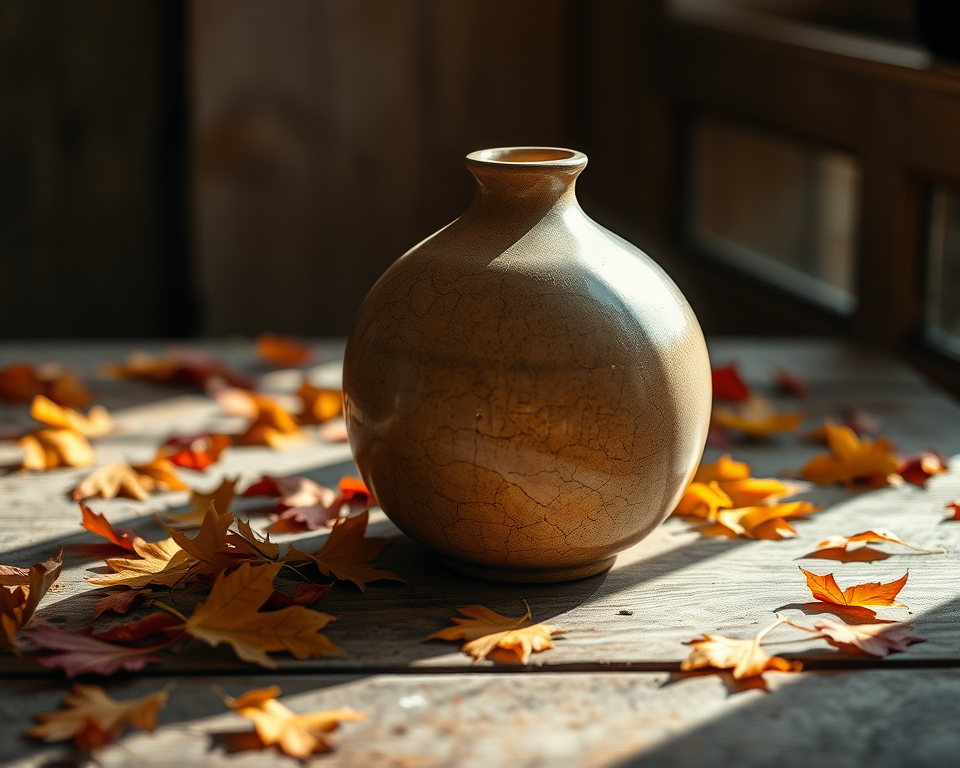
I’ve gotta be honest with you: finding out if that dusty old vase in the corner is worth a fortune or just a relic of your grandma’s less-than-stellar taste can be a real rollercoaster ride. Pottery can be a beautiful expression of art and culture, but figuring out its financial value? That’s where things get tricky. Now, if you’re like me—I get excited just thinking about pottery—you’re probably itching to learn how to appraise what you own and potentially cash in. Trust me, whether you’re decluttering or looking to make a bit of money, you’ll want to know the ins and outs of pottery valuation.
Table of Contents
- 1 Key Takeaways
- 2 How to Assess the Value of Pottery
- 3 Factors Influencing Pottery Value
- 4 How to Sell Pottery Effectively
- 5 Resources for Pottery Appraisals
- 6 Frequently Asked Questions
- 6.1 Why is pottery provenance important in determining value?
- 6.2 How can I verify the authenticity of a pottery piece?
- 6.3 What are some common appraiser errors to watch for?
- 6.4 How can market fluctuations impact pottery valuation?
- 6.5 What factors should I consider when restoring pottery?
- 6.6 Are there specific pottery styles or brands that are considered high-value?
- 6.7 What resources are available for learning about pottery appraisal?
- 6.8 How can I market my pottery for sale effectively?
- 6.9 What is the role of condition assessment in pottery valuation?
- 6.10 How do I choose the right appraiser for my pottery collection?
Key Takeaways
- Condition matters: The state your pottery is in can greatly influence its price—cracks or chips can knock the value down significantly.
- Rarity and demand: The more rare a piece is, or if it’s attached to a popular artist’s name, the better the value might be.
- Selling successfully involves strategy: Knowing the right market for your pottery can make all the difference in selling it at a high price.
How to Assess the Value of Pottery
When it comes to appraising ceramics, the key is understanding what you’re working with. Is that piece merely decorative, or is it a collectible? Pottery valuation methods begin with identifying specific characteristics of the item.
Understanding Pottery Valuation Criteria
The terms of value can be confusing, but consider this: the authenticity of the piece, its craftsmanship, historical context, and current market demand all play a role. Here’s how:
- Authenticity Verification: Knowing the maker’s mark can pinpoint the age and origin of your pottery. Vintage pottery can often fetch higher prices, especially if it’s from renowned brands like Royal Doulton or Wedgewood.
- Craftsmanship Analysis: The level of skill displayed can greatly affect value. Pieces made by hand may command a premium over mass-produced items.
- Historical Significance: If your piece has an interesting backstory, its value may rise beyond the physical attributes alone.
Then, of course, there’s the question of aesthetics. A striking design can add to the appeal, but it’s the combined history and craftsmanship that’ll make a collector’s heart race.
“Finding the right pottery is more than just about looks; it’s about the story it tells.”
Common Frustrations in Pottery Appraisal
It’s easy to feel lost when trying to appraise your pieces. You think you’ve got a high-value item, only to realize it’s not the goldmine you hoped for. Here are common issues people run into when assessing pottery:
- Inaccurate Pricing: Sometimes, a quick Google search won’t cut it. Price discrepancies between different appraisals can leave you scratching your head.
- Valuation Confusion: Knowing which elements to focus on can be overwhelming.
- Market Fluctuation Challenges: The market for ceramics can be unpredictable. What was hot yesterday might be lukewarm today.
These frustrations can lead you to feel detached from your collection, but hang tight; I’m here to smoothen the ride for you.
Factors Influencing Pottery Value
As a pottery enthusiast, understanding what factors contribute to a piece’s value can help you make informed decisions and avoid pitfalls. Several elements come into play.
The Role of Condition and Rarity
The condition of your pottery can drastically impact what you can expect to receive should you decide to sell. Here’s what to consider:
- Condition Grading: Pieces in mint condition, especially those without any signs of wear or restoration, are typically more valuable. When considering condition, use a grading scale from mint to good to acceptable.
- Restoration Implications: A well-restored piece can still hold value, but it usually won’t fetch as much as one that’s completely intact.
- Identifying Rare Pieces: If you stumble upon a one-of-a-kind item, you might just have a goldmine in your hands. Rare pottery often comes from unique artists or limited runs.
To help visualize this, take a look at the table below outlining some common conditions of pottery and their potential value impacts:
| Condition | Description | Potential Market Value |
|---|---|---|
| Mint | No signs of wear, original state | High |
| Good | Minor imperfections, no repairs | Medium |
| Acceptable | Noticeable damage or repairs | Low |
Types of Pottery to Watch
Not all pottery is created equal. Certain styles and periods captivate collectors more than others. Keep your eyes peeled for:
- Vintage Pottery: Brands like McCoy and Hull often attract collectors due to their nostalgic appeal. Vintage generally implies a piece made before the 1980s, often valued between $20 to $200 depending on rarity.
- Ceramic Styles: Stoneware fans? Mid-century modern enthusiasts? Knowing these niche markets can give you insight into what to look for.
- High-Value Pottery Types: Some pieces skyrocket in worth because of their historical significance or cultural ties. Pieces by iconic artists like Pablo Picasso can range in the thousands, while works from lesser-known artists might still hold substantial value.
“A key to potter’s appraisal is knowing which styles are currently in vogue—trends shift quickly.”
Examples of High-Value Pottery
Sometimes, nothing beats the thrill of spotting a piece that’s worth a chunk of change. Here are a few notable ceramics that have sold for impressive amounts:
| Pottery Type | Brand/Artist | Auction Result | Details |
|---|---|---|---|
| Art Pottery | Clarice Cliff | $23,000 | 1920s vase with vibrant colors |
| Vintage Stoneware | McCoy | $600 | Rare green and blue glaze |
| Antique Porcelain | Meissen | $180,000 | 18th-century figure with high demand |
These examples illustrate how specific brands and styles can impact value tremendously, and knowing them can help you identify hidden treasures in your collection.
How to Sell Pottery Effectively
So, you’ve assessed your pottery and found some potential gems. Now, how do you sell them without feeling overwhelmed? You gotta have a strategy.
Finding the Right Market for Your Pieces
Understanding where to list your pottery can enhance your chances of making a good sale. There are plenty of outlets to consider:
- Online Pottery Sales: Websites like Etsy or eBay can help you reach a broad audience. Make sure your photos showcase the piece well!
- Auction Houses: Live auctions can often fetch better results for rare items, so don’t shy away from reaching out to your local auction houses.
- Pottery Marketplaces: Local craft fairs and online marketplaces tailored to ceramics can put you in touch with collectors.
Identifying your target audience is key; if you own mid-century modern pottery, online platforms like Facebook Marketplace could be a perfect venue.
“Selling pottery isn’t a sprint; it’s more of a marathon. Plan your marketing approach and be patient.”
Selling Strategies
To sell successfully, here are a few strategies you should consider:
- Maximize Sale Value: Properly showcase your pottery with well-lit, detailed images and descriptions. Highlight unique features like maker’s marks or historical significance.
- Effective Listing: Use keywords relevant to your audience, such as “vintage pottery,” and “collectible ceramics.” This makes it easier for potential buyers to find your listings.
- Reaching Buyers: Utilize social media and pottery forums to generate interest in your pieces. Engaging content like stories behind the pottery can capture attention.
Resources for Pottery Appraisals
When it comes to appraisals, having the right information at your fingertips can save you tons of frustration and time.
How to Choose an Appraiser
Finding a qualified appraiser might seem daunting, but here’s how to make it easier:
- Appraiser Qualifications: Look for certified appraisers with experience in ceramics. Ask for credentials and check their affiliations with professional organizations.
- Seeking Expert Help: Reach out to local art galleries or antique stores to find trusted appraisers who can review your collection.
- Evaluating Experience: Don’t hesitate to ask questions. A reputable appraiser should have a good understanding of pottery and a solid reputation in the community.
Credibility checks can save you from falling into traps and ensure you’re getting a fair assessment of your pieces. Remember, having verified information about your pottery can lead to more valuable sales down the line.
Resources for Appraisals
Here are a few resources you should explore:
- Online Valuation Services: Websites like Worthpoint can provide historical pricing and sales data.
- Pottery Appraisal Guides: Investing in a decent book or resource can provide invaluable insights into your specific items.
- Local Appraisers: Check directories or local listings to find accredited appraisers near you.
By gathering insights from credible resources, you can build confidence in your ability to appraise and sell your pottery effectively.
Now, equipped with your newfound knowledge, you’ll be ready to navigate the unpredictable terrain of pottery valuation and sales, transforming your pottery passion into potential profit. There’s just something exhilarating about owning a piece that might be worth more than sentimental value, don’t you think?
Frequently Asked Questions
Why is pottery provenance important in determining value?
Pottery provenance provides a history of ownership and authenticity, which can significantly influence its market value. Knowing the origin and previous owners of a piece can enhance its appeal, particularly for collectors interested in historically significant or rare ceramics.
How can I verify the authenticity of a pottery piece?
To verify authenticity, examine maker’s marks, signature styles, and compare similar pieces in reputable sources. Consulting with certified appraisers or utilizing resources such as pottery identification books or online databases can also add confidence in your assessment.
What are some common appraiser errors to watch for?
Common errors include misjudging the condition, overlooking minor imperfections, and failing to consider market trends. Appraisers may also undervalue unique historical significance or mistakenly categorize a piece. Seeking multiple opinions can help mitigate these risks.
How can market fluctuations impact pottery valuation?
Market fluctuations can affect demand and pricing for pottery. Seasonal trends, economic conditions, and collector interest can all cause values to rise or fall. It’s crucial to stay informed about contemporary market trends and auction results to make educated buying or selling decisions.
What factors should I consider when restoring pottery?
When restoring pottery, consider the integrity of the piece, the materials used for repairs, and how restoration might affect its value. Restorations should ideally be reversible and should not obscure original marks or features to maintain the item’s authenticity.
Are there specific pottery styles or brands that are considered high-value?
Yes, certain styles and brands are often associated with higher values, including antique porcelain from manufacturers like Royal Worcester or modern ceramics from renowned artists. Researching niche markets and collecting communities can provide insights into what’s currently desirable.
What resources are available for learning about pottery appraisal?
Various resources include online valuation services, pottery appraisal guides, and professional appraisal organizations. Local libraries may have books on pottery identification and valuation, and pottery clubs often provide networking opportunities with knowledgeable members.
How can I market my pottery for sale effectively?
Utilizing multiple sales channels, like online marketplaces, auctions, and local art shows, can help reach a wider audience. Create compelling listings with high-quality images and detailed descriptions emphasizing any unique features, provenance, or historical significance of the pieces.
What is the role of condition assessment in pottery valuation?
Condition assessment is critical as it can significantly affect value. Factors include any damage, restoration, or wear. High-quality, well-preserved pieces typically command higher prices, while heavy damages or poor repairs may lead to substantial value reductions.
How do I choose the right appraiser for my pottery collection?
Look for appraisers with specific experience in pottery and ceramics. Verify their credentials, check for affiliations with professional appraisal organizations, and read reviews or ask for recommendations from fellow collectors to ensure trustworthiness and expertise.
