
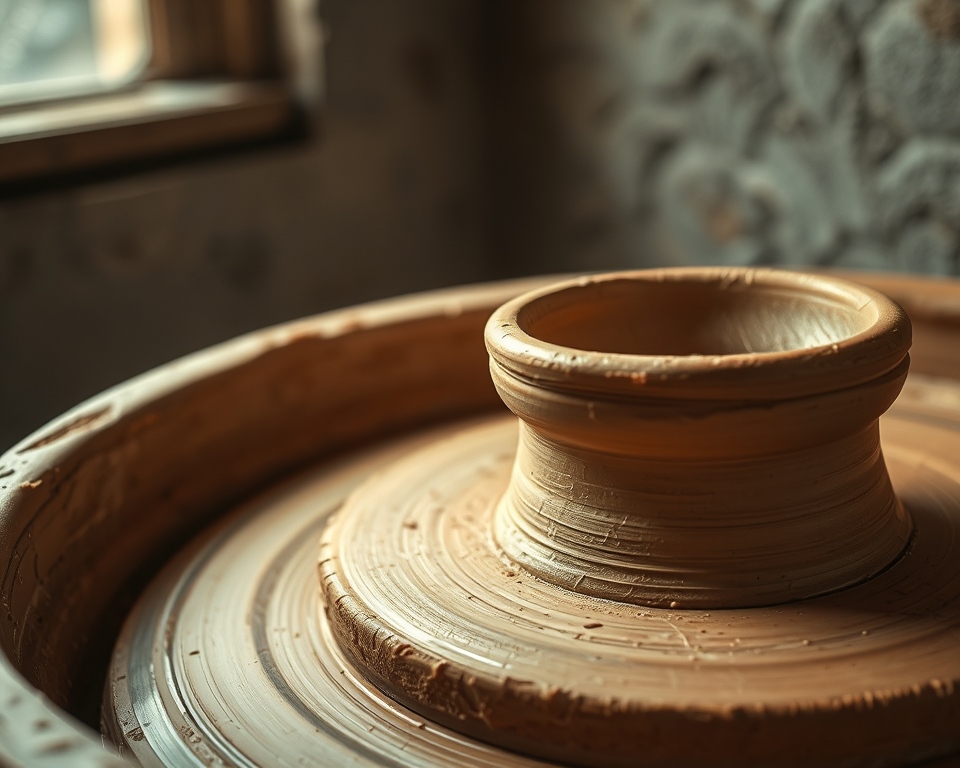
I can’t help but love the idea of getting my hands dirty in clay, shaping raw earth into something beautiful and functional. But as enticing as pottery can be, it’s crucial to think about what might be lurking beneath that glossy glaze. Is your pottery passion safe, or are there hidden dangers you need to watch out for? If you’re on the fence, fret not! Together, we’ll plunge into the aspects of pottery safety, environmental impact, and some personal experiences from the community.
Table of Contents
- 1 Key Takeaways
- 2 Health Risks Associated with Pottery
- 3 Environmental Impact of Pottery
- 4 Safety Precautions and Best Practices
- 5 User Experiences and Testimonials
- 6 Frequently Asked Questions
- 6.1 What are the signs of clay toxicity in pottery materials?
- 6.2 Are there specific safety regulations for pottery studios?
- 6.3 How can I reduce the environmental impact of pottery?
- 6.4 What common allergies should I be aware of when working with pottery?
- 6.5 How often should I replace my pottery safety gear?
- 6.6 What are safe practices for kiln operation?
- 6.7 How can I best manage clay dust in my workshop?
- 6.8 What sustainable alternatives exist for harmful glazes?
- 6.9 How do I choose the right pottery class for safety training?
- 6.10 What resources are available for learning pottery safety?
Key Takeaways
- Pottery can pose health risks, especially from clay dust, toxic glazes, and improper safety gear.
- Sustainable practices in pottery not only benefit the environment but can enhance your artistic endeavors.
- Knowing the materials you’re using, like lead and cadmium in glazes, can prevent health issues down the road.
- Personal protective equipment (PPE) is a must-have for every potter to ensure a safe working environment.
- Engaging with the community for shared experiences can provide invaluable insights into how to navigate these risks effectively.
Health Risks Associated with Pottery
Alright, let’s jump right into it—health is wealth, folks! Even though pottery seems straightforward, there’s quite a bit of risk involved, and I want to break it down for you.
Common Health Risks in Pottery
The first thing to be aware of is the respiratory health risks that come with handling dry clay. Have you ever worked in a pottery studio and noticed a fine dust lingering in the air? That’s silica dust, and breathing it in can lead to lung issues over time. It’s not just any dust. At high levels, it can cause silicosis, which is as scary as it sounds.
Another common risk involves the glazes we use. Many potters don’t realize that some glazes can be toxic, containing heavy metals like lead or barium. Certain types of pottery—especially earthenware—are more prone to glazes like this. I remember my first time using a bright green glaze from brand X, which everyone raved about. I didn’t think twice, but then I learned that it contained barium! I had to stop and think, “What’s my health worth?”.
It doesn’t end there! Allergic reactions can sneak up, too. Skin irritations can occur from handling certain clay types, and it’s not fun to end up with a rash because you were too eager to mold that pot! Always check for some common iciest causes of allergic reactions, including natural clay types and even some commercial clays.
Specific Pottery Materials to Watch Out For
You wouldn’t believe how many types of clay and glaze are out there, and along with that variety comes the potential for risks.
| Material | Potential Risks | Alternatives |
|---|---|---|
| Lead Glaze | Toxic ingestion and skin irritation | Non-toxic glazes like Amaco’s Velvet line |
| Barium | Respiratory issues, chemical exposure | Safe glazes such as Duncan’s Concepts line |
| Cadmium | Carcinogenic effects, skin irritation | Use lead-free and cadmium-free alternatives like Spectrum glazes |
For example, lead glaze has been commonly used for centuries but is fairly dangerous if not handled properly. While it gives pottery that lovely sheen, it can leach into food and drinks. Yikes! Opt for safer options like the Amaco Velvet underglazes that provide the same vibrant colors without the toxic risk.
Environmental Impact of Pottery
Besides our health, let’s talk about the planet. As potters, it’s vital to reflect on how our passion impacts the environment. Pottery isn’t just creating art—it can sometimes contribute to ecological degradation, and being a responsible potter means being an eco-conscious potter.
Sustainable Pottery Practices
You might ask, how can we practice pottery sustainably? One way is by sourcing materials responsibly. Look for local suppliers or companies that utilize sustainable practices when sourcing their clay. It not only cuts down on your carbon footprint, but also adds a sense of connection to your community.
Here are some tips I’ve found useful:
- Use natural dyes and reusable materials for glazing to cut down on waste.
- Recycle your clay scraps. Seriously! Don’t toss that leftover clay—just save it, wedge it together, and reuse it.
- Explore energy-efficient kilns. If you’re using an electric kiln, check out brands like L&L Kiln Manufacturing, which are designed to conserve energy while still providing excellent results.
By creating a more eco-friendly workspace, not only are you reducing your carbon footprint, but you’re also contributing positively to the world around you. Pottery is art, and art should respect the earth.
The Carbon Footprint of Pottery Products
Did you know that firing pottery can contribute to significant emissions? The energy used in kilns can vary, and depending on how you fire your pieces, it can increase your personal carbon footprint.
Here’s a quick comparison of kiln types:
| Kiln Type | Energy Source | Estimated Emissions | Best For |
|---|---|---|---|
| Electric Kiln | Electricity | Moderate to High | Small-scale potters |
| Gas Kiln | Natural Gas/LPG | Lower than electric | Larger productions, reduction firings |
| Wood Kiln | Wood/Sustainable | Varies, often high | Traditional pottery methods |
No matter which kiln you choose, being aware of its energy source can help you make informed decisions. Switching to an eco-friendly model can open up opportunities for lower emissions, supporting a greener environment while pursuing your pottery passion.
Safety Precautions and Best Practices
I’ve learned the hard way that safety should always come first. Putting on an apron isn’t enough; knowing how to protect yourself is key to enjoying your pottery-making experience.
Essential Safety Gear for Pottery Makers
It’s like going to battle—suit up! Here’s a list of must-have gear:
- Clay dust masks: A reliable mask, like the 3M Respirator, can help protect your lungs from silica dust.
- Protective gloves: Invest in durable gloves when mixing glazes or handling raw clay to avoid skin irritations.
- Safety goggles: Protect your eyes, especially when you’re sanding or throwing; dust can get in your eyes faster than you can say “pottery!”
Engaging in these best practices can help shield you from both short-term discomforts and long-term health complications.
Recommended Training for Pottery Enthusiasts
Taking a pottery class is about more than learning how to shape clay. Look for courses that prioritize safety and proper techniques. Certification courses can be especially beneficial because they often include lessons on safe handling of materials like toxic glazes.
Places like Sculpture Studios and Pottery Barn Workshops offer classes which include training on safer pottery practices. These classes raise awareness and arm you with the knowledge to protect yourself while indulging in your artistic passion.
User Experiences and Testimonials
When it comes to pottery, personal experiences offer invaluable insights. I’ve connected with fellow artists and gained perspective on how they navigate the risks.
Real Stories from Pottery Hobbyists
A friend of mine shared her journey: “I loved working with bright-colored glazes, until I learned lead was involved. I got scared! I switched to a lead-free glaze, and honestly, my pieces turned out just as vibrant, if not better!”
Community stories like this serve as a wealth of information for anyone interested in pottery. Reading about others’ mistakes helps you learn without experiencing it firsthand!
Expert Opinions on Pottery Safety
Recently, I chatted with a pottery health expert who emphasized the importance of education. “Just being aware of what’s in the materials you’re using can make a world of difference. Too many potters overlook that fact,” she advised.
I couldn’t agree more. Connecting with experts and leveraging their knowledge can bolster the community’s overall safety and well-being. Consider checking out resources like the American Pottery Association or local pottery guilds that often host expert talks on health and safety in the craft.
“Quality education is the best way to ensure you’re not just creating art but doing so safely.” – Pottery Health Expert
Whether you’re looking to navigate health risks, practice sustainably, or find the best safety gear, these insights are meant to arm you with the tools for a safe and enjoyable ceramics experience.
“Safety isn’t just a guideline; it’s a skill you master as an artist.” – Community Potter Advocate
If there’s one thing I’ve learned through both my successes and a few mishaps, it’s that staying informed and connected can truly change how we practice our art. Most importantly, it empowers us to pursue our passion with confidence, knowing we’re doing so safely and sustainably.
Frequently Asked Questions
What are the signs of clay toxicity in pottery materials?
Clay toxicity can manifest as skin irritation, allergic reactions, or respiratory issues such as coughing or wheezing when exposed to certain materials, especially those containing silica or harmful additives. It’s crucial to use non-toxic clays and glazes to minimize risks.
Are there specific safety regulations for pottery studios?
Yes, pottery studios should adhere to safety regulations that include proper ventilation to manage dust and fumes, the use of personal protective equipment (PPE), and guidelines for handling hazardous materials like toxic glazes. Familiarizing yourself with local regulations can ensure a safe working environment.
How can I reduce the environmental impact of pottery?
To reduce environmental impact, consider using eco-friendly materials, recycling clay scraps, and choosing low-impact glazes. Additionally, sourcing local and natural materials and implementing energy-efficient practices, like using efficient kilns, can significantly lessen your carbon footprint.
What common allergies should I be aware of when working with pottery?
Common allergies in pottery include reactions to certain clays, glazes, and additives. Individuals may be sensitive to materials like latex in gloves, silica dust, and specific pigments. It’s advisable to perform patch tests and keep a clean workspace to mitigate allergic reactions.
How often should I replace my pottery safety gear?
Pottery safety gear, including masks and gloves, should be replaced regularly, especially if they show signs of wear and tear. For instance, replace masks once filters become clogged or after substantial use, and inspect gloves for rips or degradation before each use.
What are safe practices for kiln operation?
Safe kiln operation practices include ensuring proper ventilation, keeping the area around the kiln clear, following manufacturer guidelines, and never leaving a kiln unattended while it’s firing. Additionally, use appropriate fire safety measures and equipment, like fire extinguishers.
How can I best manage clay dust in my workshop?
To manage clay dust, keep your workspace clean by regularly sweeping and using a vacuum with a HEPA filter. Employ containment measures, like wetting down dusty areas and using ventilation systems, to reduce airborne particles and protect respiratory health.
What sustainable alternatives exist for harmful glazes?
Sustainable alternatives to harmful glazes include natural glazes made from minerals and organic materials. You can also explore commercial eco-friendly glaze options that do not contain toxic metals like lead, barium, or cadmium, reducing health risks and environmental damage.
How do I choose the right pottery class for safety training?
When selecting a pottery class, ensure that the instructor emphasizes safety protocols, has proper certifications, and follows studio safety guidelines. Look for classes that include hands-on safety training, focusing on material handling, kiln use, and hazard awareness for a comprehensive education.
What resources are available for learning pottery safety?
Numerous resources for learning pottery safety include online workshops, local pottery guilds, and books focused on ceramics. Online communities and forums can also offer personal experiences and recommendations, helping you acquire valuable insights into safe pottery practices.
