
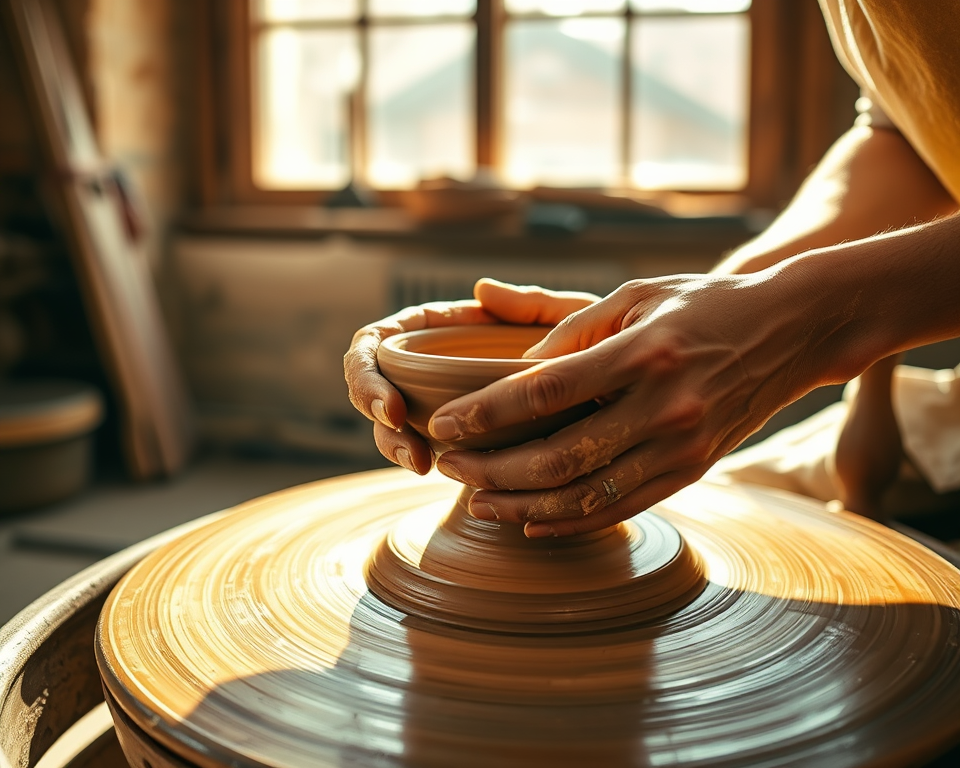
I can’t tell you how much I love pottery. There’s just something so magical about shaping a lump of clay into something functional or beautiful. But beyond being just a hobby, pottery has its hands in so many aspects of our daily lives, art, culture, and even sustainability. Let’s unlock the versatile world of pottery together, and explore how it’s more than just a hobby or craft—it’s a vital part of our modern existence.
Table of Contents
- 1 Key Takeaways
- 2 Uses of Pottery in Everyday Life
- 3 Cultural Significance of Pottery
- 4 Types of Pottery and Their Applications
- 5 Pottery in Art and Craft Communities
- 6 Sustainable Practices in Pottery
- 7 Frequently Asked Questions
- 7.1 What are the differences between earthenware, stoneware, and porcelain pottery?
- 7.2 How can I start learning pottery at home?
- 7.3 What cultural significance does pottery hold in different societies?
- 7.4 How can pottery promote sustainability?
- 7.5 Are there specific pottery techniques that emphasize aesthetics over functionality?
- 7.6 What are some popular contemporary pottery movements?
- 7.7 How does pottery play a role in community engagement?
- 7.8 What should I consider when choosing pottery for functional use?
- 7.9 How can I find local pottery classes or studios?
- 7.10 What are eco-friendly glazing options in pottery?
Key Takeaways
- Pottery isn’t just practical; it can also express culture and identity.
- Different types of pottery offer unique uses, from dinnerware to artistic installations.
- Engaging with pottery can unleash creativity and local culture through classes and community events.
- Sustainability in pottery is rising, with eco-friendly practices gaining traction.
Uses of Pottery in Everyday Life
Pottery has infiltrated our daily lives in ways we often take for granted. From serving our meals to adding ambiance to our homes, functional pottery makes every day just a little sweeter.
Functional Pottery: Serving Daily Needs
Let’s get real: functional pottery is all about those daily essentials that we often overlook. You’ve got your classic pottery essentials like dinnerware, storage containers, and, of course, pottery mugs that make your morning coffee feel extra special. Take the Noritake Colorwave Square 16-Piece Dinnerware Set—it’s not just about looks. Priced at around $100, this earthenware set combines style and durability. Plus, the vibrant colors can elevate any meal.
Not to mention those handy pottery utensils. Sure, I can’t resist a good wooden spoon, but I’ve found that a sturdy ceramic mixing bowl, like the POTTERY BARN’s Melamine Mixing Bowls, keeps things classy in the kitchen. Each bowl in the set is around $22, so you won’t break the bank.
Functional pottery sets the backdrop for our culinary adventures but also plays a role in how we present ourselves. It encourages us to slow down, enjoy the moment, and appreciate craftsmanship, which is totally important in our fast-paced lives.
“Functional pottery enriches our daily routines, blending utility with art in the most seamless ways.”
Artistic Pottery: Beyond Function
Now, let’s flip the script. Artistic pottery isn’t just about what you use; it encapsulates self-expression. Think about all those beautiful pottery pieces that adorn homes, galleries, and cafes. When I stroll through an artisan market, I get drawn to stunning ceramic sculptures—pieces that just stop you in your tracks.
Take the work of Marianne Barcellona. Her glazed pottery often doubles as stunning display pieces with intricate designs, reaching prices from $50 to over $300 depending on the size and detail. It’s like seeing a piece of culture shaped into existence, right before your eyes.
Artistic styles vary widely, but what binds them together is a commitment to craftsmanship and creativity. Potters like her push the boundaries of what clay can be, often using their work to tell stories about their heritage and artistry. I can’t help but be blown away by how many lives each piece influences.
Remember, pottery doesn’t just sit pretty; it also sparks creativity. When you have a handcrafted mug or bowl, it inspires you to elevate your experience, from your morning coffee routine to a cozy dinner party.
Cultural Significance of Pottery
Pottery isn’t just functional and artistic; it carries weight in cultural significance. It tells stories, preserves traditions, and represents identities all across the globe.
Pottery as a Reflection of Cultural Practices
When I think about pottery’s role in cultural practices, I can’t help but reflect on how diverse and rich our lives can be. Ceremonial pottery, often specific to cultural traditions, allows for a deeper connection to community and ancestry. For instance, indigenous pottery beautifully narrates the stories of various tribes, often using symbols and techniques passed down through generations. For around $30, you might find handmade indigenous pottery from local artisans that captures this cultural essence.
You might stumble upon stunning pieces during pottery festivals, where local potters showcase their work while celebrating heritage. These festivals not only promote cultural education but also bring communities together.
“Ceremonial pottery connects generations, allowing us to remember who we are while honoring where we come from.”
Modern-Day Pottery: Cultural Revelations
Fast forward to today, and pottery continues to evolve, blending traditional techniques with modern interpretations. There’s an explosion of contemporary ceramic artists who are not just preserving culture but also redefining it.
Artists like Anja Winters showcase her ceramic work at local galleries for upwards of $200 an exhibit, often challenging and engaging audiences on sustainable practices and cultural storytelling. You’ve got contemporary pieces that reflect not just technique but also narrative—a story captured in clay that connects with today’s audience.
As we embrace cultural fusion in pottery, we discover endless possibilities that unite us through artistry. Seeing the intersections of global pottery practices speaks volumes about our shared human experience, making every piece not just a decoration, but a conversation starter.
Types of Pottery and Their Applications
Let’s get technical for a second. Understanding the different types of pottery can seriously enhance your appreciation and choice when it comes to selecting pottery for your needs.
Earthenware: Versatile and Accessible
Ah, earthenware! This type of pottery is perhaps the most accessible and practical option available. Whether you’re baking a lasagna in an earthenware dish or presenting your food on a terracotta plate, the rustic charm it adds is unparalleled.
Products like the Rachael Ray Stoneware Bakeware Set (about $60) are fantastic for everything from stovetop to oven and add a cozy element to any kitchen. Earthenware has its advantages; it’s affordable and works well in everyday cooking. Just remember to check the glaze to avoid lead contamination.
I’ve found earthenware to be the perfect companion on my dinner table—it’s practical and evokes nostalgia at the same time.
Stoneware and Porcelain: Craftsmanship and Beauty
For those seeking durability and elegance, stoneware and porcelain are where it’s at. Known for their robustness, stoneware pieces are perfect for anything from everyday use to artistic flair.
When it comes to durability, Le Creuset Stoneware is a classic I love. With prices starting around $40, ranging up depending on shapes, you get artisan craftsmanship that can truly elevate your kitchen skills.
On the flip side, porcelain boasts a delicate approach. Though often considered luxury, pieces like Wedgwood’s Fine China present an investment that will last for generations. Prices can soar—$100 and above for a single plate—but each piece tells a story of elegance and history.
Comparison of Pottery Types
| Pottery Type | Characteristics | Uses | Price Range |
|---|---|---|---|
| Earthenware | Soft, porous, often colorful, budget-friendly | Daily utensils, baking dishes | $20 – $60 |
| Stoneware | Durable, versatile, usually more expensive | Everyday use, decorative items | $30 – $100+ |
| Porcelain | Fine, translucent, elegant and often intricate | Fine dining, aesthetic art pieces | $50 – $500+ |
Transitioning between these types is an art in itself. You’ll find yourself drawn to specific elements as you uncover your preferences in style, functionality, or design.
Pottery in Art and Craft Communities
Now, let’s talk about the bustling world of pottery in the art and craft scene. Pottery isn’t only about the material; it’s about community, connection, and education.
Engaging with Pottery: Educational Experiences
What better way to explore pottery than through workshops and classes? I joined a local pottery class last summer, and it genuinely sparked my creativity. I caught the pottery bug—spending weekends shaping clay, learning about glazing techniques, and meeting fellow enthusiasts.
For around $150, you can find local workshops offering comprehensive classes. Burnt orange and deep blues were my go-to colors after learning the basics! Not only do these classes allow beginners and hobbyists to dig into the craft, but you also gain a deeper understanding of cultural contexts and historical significance.
Inspiring Pottery: Showcasing Local Talent
Art isn’t just made in a vacuum—it thrives within communities! I love visiting local pottery fairs and exhibitions where you see aspiring artists showcase their work, all while embracing the spirit of collaboration.
Events like the National Council on Education for the Ceramic Arts annual conference allow local talent to shine on a larger stage. Artists sell featured items that can cost anywhere from $20 for smaller pieces to over $300 for gallery works, proving that investing in local art also supports community culture.
“Every pottery piece carries a story; each artisan breathes life into their work, passing down culture one piece at a time.”
Sustainable Practices in Pottery
As we embrace modern living, sustainability is key. And yes, the pottery world isn’t left behind on this front. Artists across the globe are beginning to implement eco-friendly practices into their work.
The Role of Pottery in Environmental Awareness
Pottery as a medium can beautifully convey environmental messages. From eco-conscious artists to community outreach, sustainable pottery is gaining traction. Artists have focused on utilizing recycled materials, natural dyes, and eco-friendly clay.
The piece of art in your living room may just be fostering a stronger connection to environmental movements—an extraordinary fusion of art and advocacy. I recently came across Yoko Takashima, whose works reflect on environmental themes, often using sustainability as a core message in their pottery.
Innovations in Eco-Friendly Pottery Techniques
With advancements in technology, there are innovative pottery techniques that strive for sustainability. Eco-friendly glazing options and natural materials are re-defining the landscape. Potters like Josh Copus creatively experiment with recycled clay, battling the annual waste while producing stunning results at pretty reasonable prices.
Have you seen the Greenware Ceramic Inc. line? They specialize in eco-friendly ceramics made from sustainable materials, offering pieces priced at a range of $25 to over $150. Their commitment to responsible sourcing makes every creation worth the investment.
In an age where our choices matter, supporting sustainable potters enriches our lives while creating positive change. Every little action counts!
With pottery weaving through our lives—ranging from the dinner table to artistic expression—there’s so much more to it than meets the eye. I hope you feel inspired to explore functional and artistic pottery, appreciate its cultural significance, and support artisans while embarking on your own pottery journey. Embrace the versatility and creativity that pottery offers!
Frequently Asked Questions
What are the differences between earthenware, stoneware, and porcelain pottery?
Earthenware is generally porous and less durable, making it suitable for casual use and decoration. Stoneware is denser, more durable, and can be used for baking and cooking. Porcelain, known for its fine quality and translucence, is often used for elegant dinnerware and serves as a symbol of luxury.
How can I start learning pottery at home?
To begin learning pottery at home, invest in basic tools like clay, a pottery wheel, and essential hand-building tools. Online tutorials, classes, and books can provide guidance. Starting with hand-building techniques allows beginners to grasp fundamental concepts before using a wheel.
What cultural significance does pottery hold in different societies?
Pottery reflects a community’s heritage and identity, serving as a medium for storytelling through designs, symbols, and materials used. Many cultures utilize ceramics in rituals, celebrations, and daily life, preserving traditions and enhancing cultural continuity through generations.
How can pottery promote sustainability?
Pottery can promote sustainability through eco-friendly practices like using natural materials, recycled clay, and energy-efficient firing techniques. Potters can also create items that encourage a reduced reliance on plastics, emphasizing handmade, long-lasting products that support environmental consciousness.
Are there specific pottery techniques that emphasize aesthetics over functionality?
Yes, artists often explore sculptural pottery, which prioritizes aesthetic value through unique shapes and textures, rather than practical use. Techniques like slip casting and hand building can yield artistic pieces, focusing on visual appeal and conceptual expression rather than everyday functionality.
What are some popular contemporary pottery movements?
Contemporary pottery movements include functional art, where pottery serves both practical purposes and artistic expression, and modern ceramic sculpture, which often challenges traditional forms. Many artists blend various techniques and cultural influences, resulting in a dynamic range of artistic expressions in ceramics today.
How does pottery play a role in community engagement?
Pottery fosters community engagement through local workshops, exhibitions, and collaborative projects. These activities allow artists to connect with the community, share skills, celebrate local heritage, and create shared artifacts that emphasize the importance of ceramics in cultural identity.
What should I consider when choosing pottery for functional use?
When selecting pottery for functional use, consider durability, heat resistance, and ease of cleaning. It’s also important to verify if the materials are food-safe and suitable for your intended use—whether baking, serving, or as kitchenware.
How can I find local pottery classes or studios?
To find local pottery classes, check community centers, art schools, or pottery studios. Online platforms often list workshops and courses. Social media and local event pages are also great resources for discovering pottery-related activities in your area.
What are eco-friendly glazing options in pottery?
Eco-friendly glazing options include natural or plant-based glazes derived from minerals and plants, which minimize toxins and environmental impact. These glazes can provide unique finishes and colors while promoting responsible crafting practices in ceramics.
