
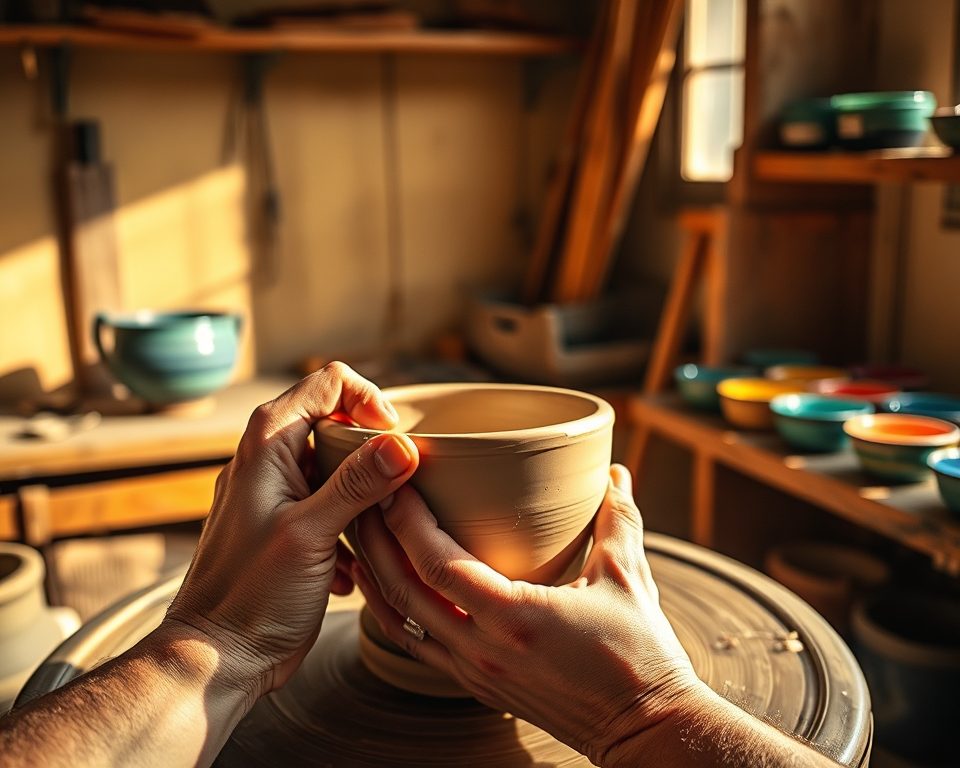
Walking into my first pottery class felt like stepping into a whole new world. I had this swirl of excitement and anxiety—what if I was completely out of my depth? But that’s the beauty of pottery; you don’t need to be a seasoned pro to enjoy it. You just need a little curiosity and an open mind. If you’re anything like me, you’re probably eager to learn about what pottery classes entail, the benefits they offer, and how to find one that fits your style. So, let’s get started!
Table of Contents
- 1 Key Takeaways
- 2 Understanding Pottery Classes
- 3 Benefits of Attending Pottery Classes
- 4 Finding Pottery Classes
- 5 Expectations for Your First Class
- 6 Community and Engagement through Pottery
- 7 Frequently Asked Questions
- 7.1 What should I wear to my first pottery class?
- 7.2 Are pottery classes suitable for children?
- 7.3 Do I need to buy my own supplies for pottery classes?
- 7.4 What techniques can I expect to learn in a beginner pottery class?
- 7.5 Can I create my own designs and projects in pottery classes?
- 7.6 How can pottery classes help improve my mental health?
- 7.7 What should I bring to my first pottery class?
- 7.8 How can I connect with other students in pottery classes?
- 7.9 What are some common challenges for beginners in pottery, and how can I overcome them?
- 7.10 Are there advanced pottery classes for those who want to continue learning?
Key Takeaways
- Pottery classes are perfect for all skill levels and nurture creativity and stress relief.
- You’ll learn various techniques, including hand-building and wheel-throwing, in an engaging environment.
- Finding a class that fits your needs requires exploring local options, reading reviews, and understanding instructor qualifications.
- Expect a friendly atmosphere on your first day—bring supplies that enhance your experience, like an apron but leave your worries behind!
- Community engagement is a big part of the pottery journey, opening doors to creativity and collaboration.
Understanding Pottery Classes
So what exactly are pottery classes? They’re more than just a space to mold clay; they’re a fantastic way to express your creativity and relax your mind. Everyone from art enthusiasts to families and those just looking for a creative outlet finds their niche in pottery workshops. You’ll learn the fundamentals of crafting with clay, from hand-building techniques to wheel-throwing classes.
What Is a Pottery Class?
Let’s break it down. Pottery classes vary widely, but they usually involve hands-on learning led by experienced pottery instructors. You’ll start with pottery fundamentals, whether you’re a complete novice or you’ve dabbled before. The vibe usually leans toward community arts, so don’t worry if you’ve never picked up a lump of clay before. You’ll find your rhythm!
The Structure of a Pottery Class
When you sign up, expect a structured class schedule that guides you through a well-thought-out pottery curriculum. Each session unfolds like a story, moving from basic techniques and tools to more advanced methods. Instructors often begin with an overview of pottery techniques, so you know exactly what to expect as you progress. I can promise you; it’s as collaborative as it is educational!
Benefits of Attending Pottery Classes
Okay, let’s talk about the golden reasons to sign up for pottery classes. Yes, it’s about learning and creating, but there’s so much more going on beneath the surface!
How Pottery Classes Enhance Creativity
Imagine the last time you felt that surge of creativity. Pottery classes are designed to boost that feeling! You’ll explore artistic skills and pottery projects, stretching your creative muscles in ways you never thought possible. The hands-on learning aspect really allows you to improve your artistic expression through pottery, and who doesn’t want that?
The Therapeutic Effects of Working with Clay
Now, we can’t ignore the stress relief. Working with clay has powerful therapeutic benefits. The simple act of kneading and shaping can create a zen-like state, pulling you into a mindful moment. Art therapy proponents rave about the emotional well-being aspects of pottery. Think of it as relaxation practices that you can get your hands into—literally!
“In a world swirling with chaos, pottery is my sanctuary. It’s my mental escape and joyful exploration wrapped into one,” a friend of mine put it beautifully.
Finding Pottery Classes
If you’re saying, “Okay, I’m in! Where do I find these classes?” don’t sweat it! There are plenty of options just around the corner.
How to Search for Pottery Classes in Your Area
You can kick off your search by tapping into local listings or community centers that host art programs. Websites like Meetup, Eventbrite, and local art organizations are goldmines for finding pottery classes. Craft your search by including key terms like “pottery classes near me” or “local art classes.”
Evaluating Pottery Class Options
Not all pottery classes are created equal! Check class reviews and instructor qualifications. If their backgrounds include art education or experience in pottery studios, you’re in good hands. Investigate the class pricing too; typical rates can range from $30 to $60 per session, sometimes more for specialized workshops. Prices may vary based on materials provided, so be sure to ask about that.
| Class Type | Average Price | Duration | Material Inclusion |
|---|---|---|---|
| Beginner Wheel-Throwing Class | $50 | 2 hours | Clay, tools, firing fee |
| Hand-Building Workshop | $40 | 3 hours | Clay, glazes |
| Advanced Techniques Session | $60 | 2.5 hours | Clay, tools, firing fee |
Expectations for Your First Class
Ah, the first day—filled with nervous energy! What can you expect? Here’s the 411.
What to Expect on Your First Day
Most likely, you’ll start with an introductory session where the instructor covers the basics and gets everyone comfortable. It’s not just about the clay and tools—you’ll probably meet fellow students too. Icebreakers are common, creating a fun atmosphere that helps build community right from the start.
Tips for New Pottery Students
As a newbie, you might be wondering what to bring. Typically, all supplies are provided, but a basic apron is a smart addition—you don’t want to get clay all over your favorite shirt! Keep an open mind about learning curves too. Everyone’s at their own level, and that’s what makes it exciting.
“Don’t worry if your first pot resembles a lopsided blob. There’s beauty in the process!” I remember my instructor reassuring us that art is personal and progress is a journey.
Community and Engagement through Pottery
Pottery isn’t just a solo activity; it’s a vibe that brings people together!
The Role of Community in Pottery Classes
Group classes are often buzzing with energy. You’ll find peer support as students cheer each other on, creating a sense of camaraderie. The social interaction is fantastic—it amplifies creativity and sparks new ideas. You’d be amazed at the innovative things that come out in collaborative art experiences.
Participating in Local Pottery Events
Want to ramp up your involvement? Get engaged in local pottery events, from exhibitions to community showcases. These spaces foster connections with local artists and allow you to see what others are creating. It’s like a giant art festival for clay lovers where you get to celebrate pottery culture right in your community!
Much like my pottery journey, where every turn feels like a new chapter, your exploration of pottery classes awaits! So grab some clay, unleash that creative spirit, and dive into a world where art forms magically between your fingers.
Frequently Asked Questions
What should I wear to my first pottery class?
It’s best to wear comfortable, old clothes that you don’t mind getting dirty, as clay can stain. Closed-toed shoes are recommended for safety, especially when working around pottery wheels and tools. An apron can help protect your clothing from clay and glaze.
Are pottery classes suitable for children?
Many pottery studios offer classes specifically designed for kids, focusing on fun and creative projects. However, it’s important to check the age requirements and class structure to ensure the environment is safe and appropriate for children.
Do I need to buy my own supplies for pottery classes?
Most beginner classes provide basic supplies, including clay and tools. However, it’s a good idea to confirm this with the instructor before class starts. Some studios may allow you to purchase additional tools or materials if you want to practice at home.
What techniques can I expect to learn in a beginner pottery class?
In a beginner pottery class, you will typically learn basic hand-building techniques like pinching and coiling, as well as an introduction to wheel throwing. You’ll also be guided through basic glazing techniques to finish your projects, enhancing your understanding of ceramic artistry.
Can I create my own designs and projects in pottery classes?
Yes, pottery classes often allow for creative freedom where you can experiment with your own designs. However, in beginner classes, instructors may provide guided projects to help you learn techniques before branching out into personal creativity.
How can pottery classes help improve my mental health?
Participating in pottery classes can have therapeutic effects as it encourages mindfulness and relaxation. The tactile experience of working with clay can reduce stress, promote focus, and enhance overall emotional well-being through creative expression.
What should I bring to my first pottery class?
While many studios provide essential tools and materials, it’s wise to bring a towel, an apron, and any personal tools you may already own. A notepad for jotting down techniques or tips learned during class can also be helpful.
How can I connect with other students in pottery classes?
Engaging in group projects, participating in discussions during class, and joining community events can help you connect with fellow pottery students. Many studios encourage collaboration, making it easier to build friendships and share creative ideas.
What are some common challenges for beginners in pottery, and how can I overcome them?
Common challenges include mastering wheel throwing and achieving even glazing. To overcome these, practice is key—don’t hesitate to ask instructors for tips and feedback. Also, be patient with yourself; pottery is a skill that improves over time.
Are there advanced pottery classes for those who want to continue learning?
Absolutely! Many studios offer advanced classes that focus on specialized techniques like sculptural forms, advanced glazing, or kiln firing. After gaining some foundational skills, inquire about these options to continue your pottery journey.
