
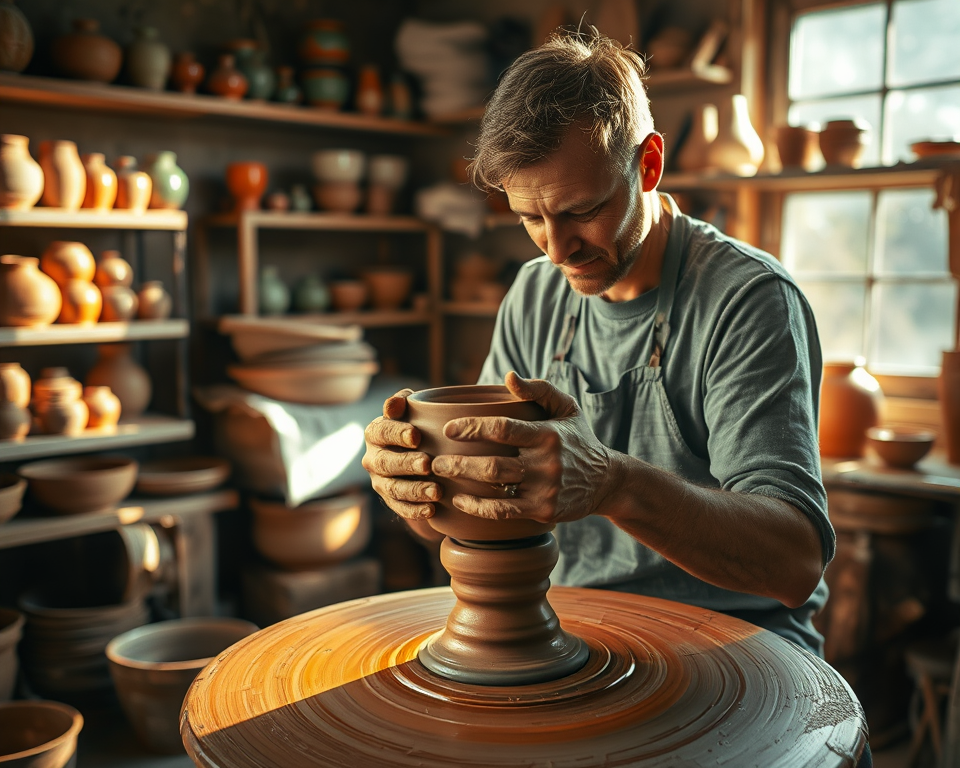
Starting a pottery business has been one of the most freeing and rewarding experiences of my life. I mean, who wouldn’t want to create art and also earn a living from it, right? But I know what you’re thinking: “Where do I even start?” Well, let me break it down for you. This isn’t just about throwing some clay on a wheel and calling it a day; it’s a real business, and it comes with its own set of challenges. I’m here to share the nitty-gritty of getting your pottery venture off the ground, keeping it fun and insightful. Let’s jump in!
Table of Contents
- 1 Key Takeaways
- 2 Understanding the Pottery Business Landscape
- 3 Key Challenges in the Pottery Business
- 4 Essential Steps to Launch Your Pottery Business
- 5 Equipment and Supplies Needed for Pottery
- 6 Marketing Your Pottery Creations
- 7 Learning from Successful Pottery Entrepreneurs
- 8 Frequently Asked Questions
- 8.1 What clay types are best for beginners in pottery?
- 8.2 How do I price my pottery creations effectively?
- 8.3 What are effective ways to promote my pottery business?
- 8.4 What should I include in my pottery business plan?
- 8.5 Can I run my pottery business from home?
- 8.6 How do I find customers for my handmade pottery?
- 8.7 What risks should I consider when starting a pottery business?
- 8.8 How important is community engagement for a pottery business?
- 8.9 What resources are available for learning pottery techniques?
- 8.10 How can I transition from being a hobbyist to running a pottery business?
Key Takeaways
- Understanding the pottery business landscape is crucial for identifying opportunities and challenges.
- A solid business plan guides your journey, from budgeting to marketing your creations.
- Having the right tools and materials is non-negotiable—investment pays off in quality and efficiency.
- Building a strong online presence and engaging with your community can make or break your success.
- Learning from fellow pottery entrepreneurs is invaluable; their stories can inspire and inform your journey.
Understanding the Pottery Business Landscape
You wanna kick things off by getting a grip on the pottery industry. The world of ceramics is more vibrant than ever, with a renaissance of handmade and artistic goods taking center stage. The handmade ceramics market has been consistently growing, driven by a desire for authenticity and uniqueness. People are looking for more than just mugs and bowls; they’re after stories and artistry.
The pottery business isn’t just a small niche anymore. It’s part of a bigger ceramics market filled with opportunities, from functional pieces to artistic sculptural work. According to recent stats, the ceramics market has seen an influx of new artists and hobbyists, with platforms like Etsy giving them a stage to shine. This is the perfect backdrop for you to start your venture! Customers are hungry for unique, quality pottery, especially if it comes with a personal touch or story.
“It’s not just about selling pots; it’s about selling an experience.”
Defining Pottery and Ceramics
Here’s where we get a little technical—but don’t worry, I’ll keep it simple. Pottery is basically the art of shaping clay into containers, dishes, and sculptures, and then firing them in a kiln to produce various ceramics. And ceramics itself is all about that fired clay. Basically, anything from earthenware to porcelain falls under this umbrella.
But hey, let’s not get too caught up in the definitions. Think of pottery as your blank canvas—what you create can be as varied as your imagination allows. There are countless techniques out there, too! Think wheel throwing, hand-building, glazing, and unique surfaces. The pottery playbook is massive!
Key Challenges in the Pottery Business
Now, let’s not sugarcoat it—there are some challenges you’ll face as you leap into the pottery biz. From finding your niche to maintaining a consistent flow of creative output, it’s a journey fraught with hurdles. Ask any potter, and they’ll tell you the same.
Finding Your Niche: Everyone has a different style, and the market is saturated. Whether you want to focus on functional ware, decorative pieces, or pottery art, knowing where you fit in is key.
Time Management: Rushing a piece or skimping on quality can be detrimental. You’ll learn that finding the right pace is crucial. Clay needs time to dry, and glazes need time to set.
Financial Management: Keeping an eye on costs is vital. Between buying materials and maintaining your studio, expenses can stack up quickly.
Our journey as potters is about embracing setbacks and learning. Even the pros have days when that glaze just won’t turn out right! By identifying these common obstacles, you can prepare yourself better to tackle them head-on.
“Every setback is just a setup for a comeback.”
Essential Steps to Launch Your Pottery Business
Wondering how to navigate the muddy waters of starting? I’ve got the roadmap for you. Let’s break it down into digestible pieces so you can see clearly what you need to do.
Developing a Solid Business Plan
A business plan is like your North Star. It gives direction and clarity—a well-structured plan can prevent you from getting lost or going off track. Your business plan doesn’t have to be a 100-page document; keep it concise and practical.
Define Your Vision: What’s the heart and soul of your pottery business? You need to express this in your plan to keep it lively.
Conduct Market Analysis: Who are your competitors? What makes your work unique? Research gives you the insight to stand out.
Budgeting: You need to have a financial overview. Understand your startup costs, ongoing expenses, and how you plan to make money. Think about this:
| Item | Estimated Cost |
|---|---|
| Clay & Glazing Materials | $300-500 per batch |
| Wheel (like the Shimpo RK-1 Eco) | $1,300 (around) |
| Kiln | $1,500-3,000 (varies) |
| Studio Setup (shelving, tables) | $500-$1,000 |
| Business Registration | $50-$150 |
This will give you a clear picture of where you stand.
Budgeting and Financial Considerations
Let’s talk cash—a packed wallet means a happy potter! Knowing how to manage your funds is crucial, and it starts with budgeting. There are some costs you just can’t avoid as a budding potter.
Investing in quality materials can be a game-changer. The good stuff lasts longer and often performs better. For example, Laguna Clay is a trusted supplier providing premium clays that range between $20 to $30 for a 25-pound bag. It’s all about finding the balance between quality and affordability.
Settle on pricing strategies, too! Your creations should reflect the time and love you put into them, along with the market standards. Don’t undercharge—your work is worth it!
Equipment and Supplies Needed for Pottery
When you’re starting a pottery business, the right tools and materials make all the difference. I remember the excitement of unboxing my first pottery kit; it felt surreal!
Sourcing Quality Materials
Finding quality clay and supplies can feel like searching for a needle in a haystack, but it doesn’t have to be that way! Start hunting down reputable suppliers in your area or online. Think about brands like Amaco or Standard Ceramics, both offering a variety of clays to suit different projects and firing needs.
Clay Types: Check out Stoneware for durability or Earthenware for a more rustic touch. Each type has its benefits, so don’t be afraid to experiment!
Tools and Equipment: Investing in equipment like a Skutt Kiln (ranging from $2,000 for small models) can streamline your processes and ensure quality firing.
Setting Up Your Studio or Workshop
Here’s where it all comes together! Your studio should be a space that inspires you. With good organization, you can focus on your art instead of tripping over supplies.
Layout: Make sure your workspace is comfortable and functional. Have shelves for your materials, a sturdy table for your wheel, and ample lighting—trust me, it keeps you in the zone.
Hygiene: Pottery can get messy, so ensure you have a good cleanup system in place for finishing and glazing.
Setting up a killer studio is half the battle won—make it feel like your creative sanctuary!
Marketing Your Pottery Creations
Ah yes, marketing—the part that can feel intimidating but is absolutely necessary. You’ve crafted beautiful pieces; now it’s time to let the world see them!
Building an Online Presence
In today’s digital age, having an online presence is key. You shouldn’t underestimate the influence of social media platforms like Instagram and Pinterest, where visuals reign supreme.
Creating a blazing website is also vital. Use services like Shopify to set up an e-commerce site where you can sell your pottery directly. Make sure to use high-quality photos that showcase your work beautifully. After all, a picture is worth a thousand words!
Networking and Community Engagement
Connect with fellow potters and artists! Engage in pottery events, local art fairs, or even online databases like Pottery Heads. Building a community can open doors to collaboration, learning, and of course, more customers.
Attend pottery shows and workshops to network and gain exposure. Collaborate with local businesses (think coffee shops that might want to showcase your mugs).
Social media groups can also be treasure troves for advice and camaraderie—don’t hesitate to drop in and participate!
Learning from Successful Pottery Entrepreneurs
There’s no better teacher than experience—especially when it comes to pottery. Following the footsteps of seasoned potters can give you that leg up.
Case Studies of Pottery Entrepreneurs
I found myself often turning to case studies of successful potters when I was trying to carve my path. One that truly inspired me was a local potter, Emily Goldsmith, who turned her hobby into a thriving business organic only through word of mouth. She started with a simple goal: to create community-focused pottery that resonates with local culture, which has drawn in a dedicated customer base!
Such stories showcase how critical it is to connect with your audience and create work that speaks to them. Every potter you encounter has valuable insights, and you’d be wise to listen.
Tips and Best Practices from the Field
As you collect knowledge from the pros, take note of these insights:
- Stay adaptable! The market changes, and so should you.
- Keep refining your skills. Attend workshops regularly and try out new techniques.
- Listen to customer feedback constructively. It’s golden for improving your work.
Invest in your learning, keep pushing yourself, and find your groove in this ever-evolving world of pottery. Every successful potter once stood in the same shoes you’re wearing now, so lean into the journey and enjoy that sweet creative freedom!
Frequently Asked Questions
What clay types are best for beginners in pottery?
For beginners, earthenware is often recommended due to its forgiving nature and low firing temperature. Stoneware is another popular choice due to its durability and versatility. Experimenting with different clay types helps potters discover their preferred medium.
How do I price my pottery creations effectively?
When pricing pottery, consider factors such as material costs, labor, overhead expenses, and market demand. A common formula is to multiply the total cost by 2-3 times to cover expenses and profit. Research similar items in your niche to position your pricing competitively.
What are effective ways to promote my pottery business?
Utilizing social media platforms like Instagram and Facebook can help showcase your creations. Joining local art fairs and community events provides exposure. Collaborating with influencers or fellow artists can also enhance visibility and attract customers.
What should I include in my pottery business plan?
A comprehensive pottery business plan should encompass market analysis, target audience identification, marketing strategies, financial projections, and an overview of your unique value proposition. Tailoring your plan to include your artistic vision and goals is also crucial.
Can I run my pottery business from home?
Yes, many successful potters operate from home. Ensure you have adequate space for your kiln and workspace while adhering to local zoning regulations. A dedicated area can help you stay organized and focused while creating and marketing your pottery.
How do I find customers for my handmade pottery?
Expand your customer base by creating an online presence through a website or social media. Participating in local craft fairs and establishing an email list to keep customers informed about new products and promotions can also attract buyers.
What risks should I consider when starting a pottery business?
Consider financial risks, including startup costs and income variability. Marketing and logistics challenges may arise as well. Additionally, be prepared for competition within the pottery niche. Developing a solid business plan can help mitigate these risks effectively.
How important is community engagement for a pottery business?
Community engagement is vital for building relationships, gaining feedback, and enhancing visibility. Participating in local classes, workshops, or events fosters connections with other artists and potential customers, enriching your business experience while promoting growth.
What resources are available for learning pottery techniques?
Many resources exist for mastering pottery techniques, including online tutorials, community college courses, and local workshops. Books and pottery blogs can also provide valuable insights. Joining pottery groups on social media can facilitate additional learning and support.
How can I transition from being a hobbyist to running a pottery business?
Begin by refining your skills and developing a unique style. Set realistic business goals, create a solid business plan, and build an online presence. Gradually shift your focus from crafting solely for enjoyment to marketing and selling your creations to build a customer base.
