
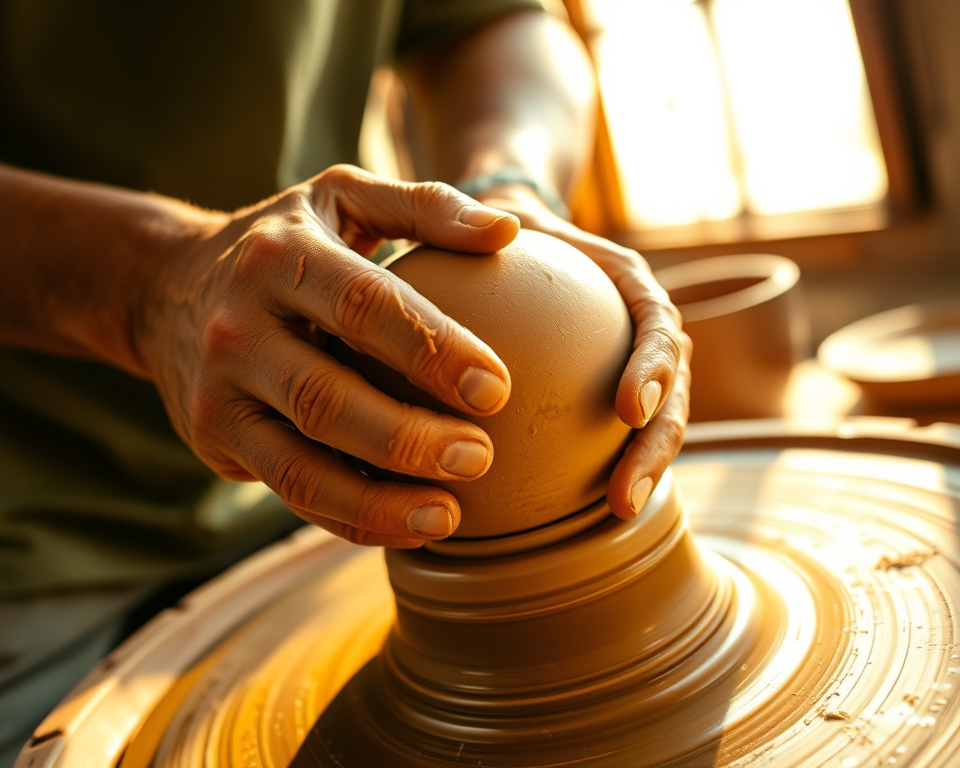
As I stood in the soft, warm light of a pottery studio, surrounded by the earthy smell of clay and the exciting hum of creativity, I couldn’t help but think how incredibly therapeutic and fulfilling this journey is. You know, stepping into a pottery workshop isn’t just about molding clay; it’s about crafting your own experience, expressing yourself, and becoming part of a community. Imagine your hands sinking into the cool, pliable clay—feeling each gentle press and pull as you bring your imagination to life. Sounds thrilling, right?
Before you sign up for your first class, let’s break down everything you can expect, the benefits you’ll gain, and how to choose the right workshop for you.
Table of Contents
- 1 Key Takeaways
- 2 Understanding Pottery Workshops
- 3 The Purpose and Benefits of Attending
- 4 Skills and Techniques Taught
- 5 Materials and Costs
- 6 Workshop Structure and Duration
- 7 Who Can Attend?
- 8 Finding Local Pottery Workshops
- 9 Frequently Asked Questions
- 9.1 What pottery techniques are best for beginners?
- 9.2 Are pottery workshops suitable for children?
- 9.3 What should I wear to a pottery workshop?
- 9.4 Can I bring my own materials to a pottery workshop?
- 9.5 What are the common costs associated with pottery workshops?
- 9.6 How can I ensure a good learning experience in a pottery workshop?
- 9.7 Are there online pottery workshops available?
- 9.8 What materials are typically used in pottery workshops?
- 9.9 Can I participate in pottery workshops without any prior experience?
- 9.10 How do I find a pottery workshop in my area?
Key Takeaways
- Pottery workshops offer hands-on learning experiences that cater to all skill levels, from novice to seasoned artisan.
- Expect to learn various techniques like wheel throwing and hand-building, which can help boost your confidence and creativity.
- Workshops can range from one-time classes to ongoing courses, so you can choose what fits your schedule and budget.
- Being part of a pottery community not only enhances your skills but also encourages creativity and personal expression.
Understanding Pottery Workshops
Stepping into the world of pottery, you’ll find it’s much more than just playing with mud. A pottery workshop is a precious space where your artistic spirit can roam free and your worries melt away. Pottery techniques come alive here, and everyone from hobbyists to art students sits around, immersed in their creations.
So, what’s the actual purpose of these workshops? Well, it’s about creative expression. These classes aren’t just about crafting pretty things; they’re about personal growth, mental wellness, and community engagement. You’ll not only learn the art of pottery but leave with a sense of accomplishment and perhaps new friendships.
What to Expect in a Pottery Workshop
Walking into a pottery workshop for the first time, you’re probably wondering, “What’s going to happen here?” Each session can differ, but generally, you’ll be met with a warm welcome and an overview of the day’s activities. These might include:
- Hands-on Learning: Expect plenty of guidance to get started, especially if you’re new. Instructors usually demonstrate techniques before letting you dive into your own projects.
- Class Structure: Depending on the workshop, you may focus on specific pottery skills or work on various projects. Instructors often lay out clear objectives for each session, which keeps the momentum alive and satisfying.
- Creativity Unleashed: Seriously, it’s magic! You’ll get to work with different clays and tools, focusing on both wheel-throwing and hand-building techniques. It’s like an artist’s playground.
Don’t worry about feeling lost among experienced artists; your instructors are here to guide you step-by-step, patiently answering your questions as they arise.
“In pottery, the process is just as important as the final piece. Enjoy the journey.”
The Purpose and Benefits of Attending
So what do you really gain from taking on pottery? The benefits are aplenty and downright fantastic! Workshops serve as perfect escapades for stress relief and mindfulness. It’s like meditation, but you get to create something tangible that you can be proud of.
Mental Wellness and Artistic Expression
Pottery promotes not just creativity but also mental wellness. Working with your hands is a fantastic way to practice mindfulness. Focusing on each motion allows you to tune out the outside world. Several participants have shared how the simple act of molding clay can actually help with anxiety and stress relief.
“When my hands get busy, my mind finds peace—it’s therapeutic!”
You’ll walk out not just with a beautiful sculpture or dish, but also a sunnier outlook and perhaps newfound friendships with fellow participants.
Personal Growth and Community Engagement
Plus, pottery creates a wonderful sense of community. You’ll meet folks from different walks of life — some seeking a creative outlet while others might just be curious to learn a new skill. These workshops often spark camaraderie, with everyone cheering for one another’s projects. What’s cooler than building something together?
Skills and Techniques Taught
Now, the real fun begins. What kind of skills will you learn? There’s quite a variety, and the techniques you’ll cover can absolutely make you feel like a pottery pro.
Skills Developed in Pottery Workshops
Your journey might focus on motor skills, design principles, and basic artistic techniques. With every class, you engage in hands-on practice that steadily enhances your creativity. The more you practice, the more confidence you’ll build!
Technique Mastery: You’ll learn to work with different methods such as pinch pots, slab building, and wheel throwing. And trust me, there’s a unique satisfaction that comes from mastering these skills.
Artistic Freedom: Workshops aren’t about strict rules; they encourage personal expression. Each piece you create tells your story, reflecting your vision and personality.
Types of Techniques Covered
You might dabble in several pottery methods, learning how to produce functional pieces like bowls and mugs as well as decorative items. The prevailing techniques include:
- Pinch Pots: A favorite starting point for many. Just grab a ball of clay, make a thumbprint toward the center, and voilà!
- Wheel Throwing: Here’s where the fun escalates. You get to use a pottery wheel, which is a game-changer for creating symmetrical forms. Using a Speedball Pottery Wheel will amp up your game; these go for approximately $300 and are user-friendly.
| Technique | Description | Best For |
|---|---|---|
| Pinch Pots | Basic shaping with fingers | Beginners |
| Wheel Throwing | Forming clay on a rotating wheel | Intermediate learners |
| Slab Building | Using flat slabs of clay to create vessels | Structural designs |
| Glazing Techniques | Applying color and finish to your creations | Adding personality |
Tools You’ll Encounter
You won’t be left empty-handed when it comes to tools. Most workshops provide everything you need: turning wheels, sculpting tools, and even kilns for firing your creations. If you want to invest in your own, options like the Skutt KM-1027 kiln are fantastic; prices start at around $2,000!
Materials and Costs
Before you get swept away by the excitement of creating, let’s talk frankly about the materials involved and how much it’ll cost you.
Common Materials Used in Pottery Workshops
You’ll primarily work with high-quality stoneware or earthenware clays, as these are user-friendly and perfect for beginners. Each workshop typically includes:
- Clay Types: Most studios like to offer several clay options; feel free to experiment!
- Sculpting Tools: From rib tools to trimming knives, you’ll have access to everything you need.
Average Costs and What to Expect
Now, let’s get down to brass tacks. Pricing for pottery workshops can vary significantly depending on location and the type of class, but typically, you can expect the following:
- One-time workshops: Ranging from $50 to $100, these are perfect for a quick creative kick.
- Ongoing classes: If you’re looking to dive deeper, a series of classes might run anywhere from $200 to $400 for several sessions.
Being upfront about costs can save you from user frustrations. Always check if the fee includes materials or if you’ll need to purchase clay separately. Trust me, there’s nothing worse than suddenly having to shell out more cash!
Workshop Structure and Duration
Alright, let’s get into the nitty-gritty of how these workshops are structured.
How Long Does a Pottery Workshop Last?
Here’s where it gets fun! Sessions can vary widely, but here’s a rough overview:
- Short Classes: Some places offer single sessions lasting 1-2 hours, perfect if you’re starting out.
- Full-Day Workshops: Looking for an adventure? Try a full-day class, which can take about 6 hours. This lets you really dive into your projects.
Instructors often design their classes to be engaging and seamless, focusing on skill development over long periods, so don’t fret about being overwhelmed.
Typical Class Size and Participant Experience
Smaller class sizes tend to foster a more supportive environment, which is critical for beginners. Expect 6 to 10 participants per session, ensuring everyone receives personalized instruction. You’ll find that the group dynamic encourages learning and growth because you can engage more openly with both instructors and fellow artists.
Who Can Attend?
Pottery workshops are shoehorned into every demographic imaginable.
Workshops for Various Skill Levels
Whether you’re a complete novice or someone with previous experience hoping to level up, there’s a place for you here. Many studios tailor their offerings based on skill:
- Beginner Pottery: Focus on core techniques and essential practices.
- Intermediate Classes: Dive into more complex projects to build upon your foundational skills.
Pottery Workshops for Kids and Families
What if you want to introduce your kids to the world of clay? You’re in luck! Many studios offer family-friendly workshops that help develop youth engagement through creativity. It’s a brilliant way to turn a regular weekend into a fun family bonding session.
Expect classes designed just for kids, where they can explore their creativity through hands-on crafting while you can learn alongside them.
Finding Local Pottery Workshops
Now that you’re ready to roll up your sleeves and embark on this creative journey, how do you find the right workshop in your area?
How to Locate Workshops in Your Area
Getting started is easy. You can use various resources:
- Local Art Centers: Many will have pottery classes listed. Check your community center!
- Online Listings: Sites like Eventbrite and even Google searches yield a treasure trove of options. Filter your search for classes that are geared towards your skill level.
Comparing Workshops Based on Reviews and Recommendations
Before diving in, take a moment to read reviews or ask for recommendations from friends. Consider these factors:
- Instructor Qualifications: Look for teachers with experience and strong backgrounds in ceramics.
- Participant Feedback: User testimonials will give you an idea of what to expect. A studio like The Pottery Workshop, known for its community feel, often receives rave reviews.
Being well-informed can prevent any potential frustrations down the line and help you find a workshop that suits your aspirations.
Now you’re all set to explore the artistic realm of pottery workshops. With your newfound knowledge and insights, the world of clay awaits you!
Frequently Asked Questions
What pottery techniques are best for beginners?
For beginners, hand-building techniques like pinch pots and slab building are ideal as they require minimal tools and allow for creative freedom. These methods encourage experimentation with shape and texture before progressing to more complex skills like wheel throwing.
Are pottery workshops suitable for children?
Yes, many pottery workshops offer classes specifically designed for children. These sessions often incorporate fun, age-appropriate projects that nurture creativity while ensuring safety. Look for family-friendly workshops that promote bonding through shared artistic experiences.
What should I wear to a pottery workshop?
It’s best to wear comfortable, old clothes that you don’t mind getting dirty since working with clay can be messy. Closed-toe shoes are recommended to protect your feet from any heavy tools or materials in the studio.
Can I bring my own materials to a pottery workshop?
Generally, workshops provide all necessary materials, including clay and tools. However, if you have specific materials you want to experiment with, it’s advisable to confirm with the instructor beforehand to ensure compatibility with the workshop’s activities.
What are the common costs associated with pottery workshops?
Costs can vary based on location, the experience of the instructor, and materials provided. On average, workshops may range from $30 to $150 per session. Some studios may offer packages or discounts for multiple classes, so it’s worth inquiring.
How can I ensure a good learning experience in a pottery workshop?
To maximize your learning, arrive with an open mind and willingness to experiment. Engage actively with your instructor and peers, be receptive to feedback, and practice the techniques taught. Additionally, consider attending multiple sessions for skill progression.
Are there online pottery workshops available?
Yes, many pottery studios now offer online classes, allowing you to learn from home. These sessions often include guidance videos and live instruction, making it easier for those unable to attend in-person workshops to explore pottery techniques.
What materials are typically used in pottery workshops?
Common materials include various types of clay, sculpting tools, pottery wheels, glazes, and kiln access for firing completed pieces. Workshops often provide a materials list for students to familiarize themselves with what’s needed before the class.
Can I participate in pottery workshops without any prior experience?
Absolutely! Most pottery workshops cater to all skill levels, including complete beginners. Look for classes specifically labeled as “beginner” to ensure the instruction and projects are suitable for your experience level.
How do I find a pottery workshop in my area?
To find local pottery workshops, use online directories, social media platforms, or community art center listings. Local artist studios often advertise workshops, so check their websites or follow them for updates on upcoming classes.
