
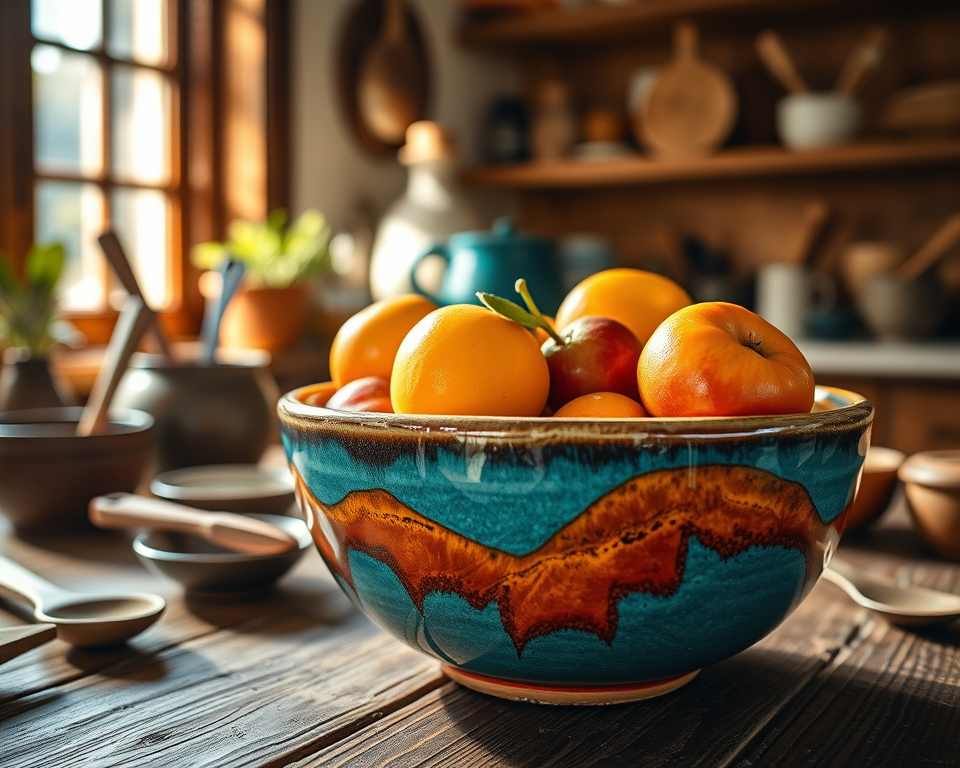
When I first started to explore the world of pottery, I was mesmerized. The vibrant colors, stunning glazes, and unique shapes drew me in. But as I began using various pieces in my kitchen, I started to wonder: Is any of this pottery safe for everyday use? If you’re anything like me, the idea of toxic materials leaching into my food is scary! Today, I’m sharing what I’ve learned about pottery safety—trust me, you’ll want to stick around for this!
Table of Contents
- 1 Key Takeaways
- 2 Understanding Pottery Materials and Safety
- 3 Health Risks Associated with Pottery
- 4 Guidelines for Identifying Safe Pottery
- 5 Recommendations for Safe Pottery Use
- 6 Regulations and Standards for Pottery Safety
- 7 Navigating Consumer Choices in Pottery
- 8 Closing Thoughts on Pottery Safety
- 9 Frequently Asked Questions
- 9.1 What types of pottery materials are considered safe for food use?
- 9.2 How can I tell if a pottery glaze is toxic?
- 9.3 Are there specific regulations for artisan pottery sellers?
- 9.4 What should I do if I notice damage or discoloration on my pottery?
- 9.5 How can I properly care for my pottery to ensure its longevity?
- 9.6 What are the signs that a pottery item may be unsafe?
- 9.7 Is there a difference between high-fire and low-fire pottery?
- 9.8 How can consumers stay informed about pottery safety standards?
- 9.9 What should I look for when buying artisanal pottery to ensure it’s safe?
Key Takeaways
- Know Your Materials: Understanding the types of pottery and their safety can help you make informed choices.
- Identifying Unsafe Pottery: Keep an eye out for certain signs like cracks or weird stains.
- Safe Pottery Brands: There are reputable brands out there; I’ll share my favorites!
- Stay Informed About Regulations: Pottery safety standards have evolved, so knowing what to look for is key.
- Research and Community Input: Don’t underestimate the wisdom of fellow pottery lovers and online resources.
Understanding Pottery Materials and Safety
Before we dive into the nitty-gritty of pottery safety, let’s talk materials! Pottery, at its core, is made from clay that’s shaped and fired. Within this broad category, there are several distinct types of pottery, such as earthenware, stoneware, and porcelain. Each comes with its own safety considerations that you should know.
Earthenware, for instance, is often more porous and absorbent, making it a little more susceptible to leaching. It’s crucial to understand how each type of pottery can interact with the food you’re serving, especially if you’re health-conscious like many of us.
Porcelain is often seen as a premium option due to its durability and lower porosity. However, you might still need to check if the glaze used on the porcelain is lead-free. Trust me, the last thing you want is to be munching away while unwittingly inviting some toxic materials into your meal.
Common Materials Used in Pottery
To help you grasp this better, let’s break down the most common pottery materials and their general safety.
| Material | Safety | Typical Uses |
|---|---|---|
| Earthenware | Usually safe if glazed properly; but be cautious with food use | Plates, bowls, cooking dishes |
| Stoneware | Generally very safe, durable, and less absorbent | Everyday dinnerware, baking goods |
| Porcelain | High durability; check glaze for safety | Fine dinnerware, decorative items |
| Terracotta | Safe, but must be sealed properly to avoid leaching | Plant pots, some tableware |
I remember the first time I held a handmade terracotta bowl. The earthy texture and colors seemed so inviting. But after a chat with a pottery artist, I learned that while terracotta is picturesque, I needed to be aware of whether it was sealed for food use. It’s about understanding what lies beneath the surface.
Health Risks Associated with Pottery
Now let’s talk health. If you’re using pottery for food, risks are all too real. A significant concern is lead, frequently found in glazes applied to pottery. Lead can leach into food, especially when the glaze is cracked or if you use it for acidic foods like tomatoes. Can you imagine having your favorite pasta dish while putting your health at risk? Not cool.
Another risk is toxic glazes that can contain harmful substances like cadmium. These can also leach into food, particularly with high heat cooking or certain foods that may react with the materials.
Signs of Unsafe Pottery
Recognizing unsafe pottery is easier than you think. Here are a few red flags to watch out for when you’re browsing at craft fairs or local markets:
- Discoloration or Staining: If a piece looks like it’s been through the ringer (even if you just bought it), it might be time to reconsider.
- Cracks or Chips: These imperfections can lead to leaks and contamination. Always check your pottery for any damage before using it.
- Label Claims: If a piece claims to be “food safe” but doesn’t have any certification or standard listed, that’s a big warning sign for me.
A pottery piece might look stunning, but those flaws can be the difference between a safe dining experience and potential health risks. Always inspect before you buy!
Guidelines for Identifying Safe Pottery
So, how can we choose safe pottery? Here’s my practical approach to picking out items that won’t harm your health while preserving that charming aesthetic.
Steps to Identify Food-Safe Pottery
- Check for Labels: Look for pottery that’s labeled food-safe or has certification from reputable organizations.
- Research the Brand: Familiarize yourself with pottery brands known for their safety standards. Some brands really take extra care of their pottery’s safety profile, making them more reliable choices.
- Ask Questions: Don’t hesitate to engage with artisans or vendors about their glazing and firing processes. Most of the time, they’ll appreciate your interest, and you’ll gather helpful information.
If you’re putting your hard-earned cash into pottery, you deserve to know how it was made and whether it’s safe!
Recommendations for Safe Pottery Use
I’ve had my fair share of experiences, and here are some of my favorite pottery brands that prioritize safety while keeping things stylish:
Fiesta Dinnerware: Known for their vibrant colors and durability, Fiesta pottery is lead-free and dishwasher safe. Depending on the piece, prices range from $15 to $70.
Emile Henry: Their stoneware is truly fantastic for cooking and baking. Designed to withstand high temperatures, prices usually hover around $30 to $100.
Mikasa: Their dinnerware line emphasizes safety and style—different glazes are rigorously tested. Prices typically range between $40 and $120 for sets.
These brands have been my go-tos for safety considerations and durable use. They have a reputation for producing high-quality pieces that can withstand the test of time (and my family).
Pottery Care Tips
For keeping your pottery safe and sound in the long run, consider these tricks:
- Avoid Abrasive Cleaners: Stay clear of harsh chemicals that can wear down your pottery.
- Don’t Use on Stovetops: Transferring your pottery from oven to stovetop can damage its integrity over time.
- Regular Checks: Periodically inspect your pottery for cracks or discoloration. It’s a quick check-up that can save your health!
I can’t tell you how many times I’ve visited friends who didn’t realize their stunning vintage pottery couldn’t handle the heat. Make it a habit to check—your body will thank you!
Regulations and Standards for Pottery Safety
It’s also important to remember that pottery safety isn’t just subjective; there are actual regulations to consider, primarily from organizations like the FDA. Knowing what’s what can give you peace of mind while you enjoy your dinner parties.
Overview of Safety Regulations
In the U.S., the FDA governs many aspects of food contact materials, including ceramics. They ensure that items labeled as “food-safe” meet specific standards that minimize health risks from materials like lead and other toxic substances.
Here’s a simplified view of some relevant guidelines regarding ceramics:
- Lead Content: The FDA specifies limits for overall lead content in pottery; items for sale should not exceed these levels.
- Testing for Compliance: Manufacturers are required to have their products tested regularly. Trustworthy brands usually document their compliance status.
- Labeling Requirements: Pottery should be clearly labeled when it is safe for food use.
Evolution of Pottery Safety Standards
You might find it intriguing how far we’ve come when it comes to pottery safety. Historically, many pottery pieces, especially older ones, were often left without any safety standards. In the realm of vintage finds and antique shops, understanding what makes pottery safe becomes incredibly important.
Over time, growing awareness and consumer demand for safer products have pushed manufacturers to adopt better practices.
“Understanding the evolution of pottery safety regulations allows consumers to be better informed and advocate for their rights.”
Today, it would be rare to find pottery pieces on the market that don’t adhere to some level of safety standards. But keep in mind that when you venture into antique shops, the rules change slightly.
With such a variety of pottery pieces available, navigating your choices can feel a bit overwhelming. I always recommend doing a little homework before pulling out your wallet.
Trustworthy Pottery Brands
Researching brands is pretty much non-negotiable. Here’s a shortlist of my favorite verified safe pottery brands:
- Stoneware by Le Creuset: Their stoneware pieces come with exceptional durability, ideal for both cooking and serving. Prices typically range from $30 to $150. Their guarantee of safety adds peace of mind!
- Rachael Ray™ Dinnerware: This line is not only attractive but also meets safety standards. Rachael’s pieces can range from $25 to $90.
- Pfaltzgraff: Known for their classic designs, they’re another solid choice with good safety practices. You’re looking at around $25 to $60 per item.
It’s absolutely essential to do your research on these brands. Speaking to other pottery enthusiasts can also reveal helpful insights and hidden gems!
Researching Pottery Safety
In our digital age, gathering information has never been easier. Here are some tips to research pottery safety effectively:
- Join Online Forums: There are numerous pottery and cooking forums where members share their experiences and knowledge regarding safe pottery use.
- Utilize Social Media: Platforms like Instagram and Pinterest are gold mines for discovering safe pottery brands and community reviews.
- Check Educational Resources: Websites like the American Ceramic Society or consumer safety blogs can offer clear insights.
The community is out there. Tap into those resources to feel confident about your pottery choices!
Closing Thoughts on Pottery Safety
Navigating the world of pottery safety can be overwhelming, but remember: knowledge is power. The more you understand about the materials and regulations, the better equipped you’ll be to make safe choices for you and your family. So, arm yourself with these insights, and enjoy your newfound confidence as you pick out pottery that not only looks great but also keeps you safe!
Frequently Asked Questions
What types of pottery materials are considered safe for food use?
Safe pottery materials include stoneware, porcelain, and certain types of earthenware. These are typically fired at high temperatures, ensuring their durability and minimizing the risk of harmful substances leaching into food. Always look for “food-safe” labels to confirm safety standards.
How can I tell if a pottery glaze is toxic?
To determine if a glaze is toxic, check for labeling that indicates compliance with safety standards, such as FDA approval or Meet East Asian Ceramics Society guidelines. Glazes labeled as “lead-free” or “food-safe” are generally safer. Avoid older or handmade pottery unless tested, as they may not meet current safety standards.
Are there specific regulations for artisan pottery sellers?
Yes, artisans must adhere to certain regulations, similar to larger manufacturers, including testing for harmful substances and proper labeling. While local regulations may vary, consumer protection standards often mandate that any pottery intended for food use should comply with safety testing and labeling.
What should I do if I notice damage or discoloration on my pottery?
If you notice cracks, chips, or discoloration, it’s crucial to stop using the pottery for food or cooking. Damage can compromise the integrity of the glaze, potentially releasing harmful substances. Regular inspections and proper care can prolong the life of your pottery.
How can I properly care for my pottery to ensure its longevity?
To ensure the longevity of your pottery, avoid sudden temperature changes and clean it gently using non-abrasive sponges. Handwashing is preferred over dishwashing machines for delicate pieces. Store pottery in a safe, dry place, and avoid stacking to minimize risk of chipping.
What are the signs that a pottery item may be unsafe?
Common signs of unsafe pottery include visible cracks, a rough texture, discoloration, or peeling glaze. Pottery that feels excessively heavy or has an unusual smell when heated may also be suspect. Always examine pieces closely, and ask sellers about their safety certifications.
Is there a difference between high-fire and low-fire pottery?
Yes, high-fire pottery is fired at higher temperatures (approximately 2,300°F or higher), making it denser and generally more durable. Low-fire pottery (around 1,800°F) is often more susceptible to chipping and may use glazes that require additional scrutiny for safety, especially around food.
How can consumers stay informed about pottery safety standards?
Consumers can stay informed about pottery safety standards by following reputable resources such as the FDA, pottery organizations, and consumer safety websites. Joining pottery forums or educational workshops can also provide valuable insights and updates on regulations.
What should I look for when buying artisanal pottery to ensure it’s safe?
When buying artisanal pottery, look for clear labeling that specifies safety compliance and food safety certifications. Ask the artisan about their glaze materials and firing process. Trustworthy artisans will typically provide detailed information about how their pottery is made and its intended use.
