
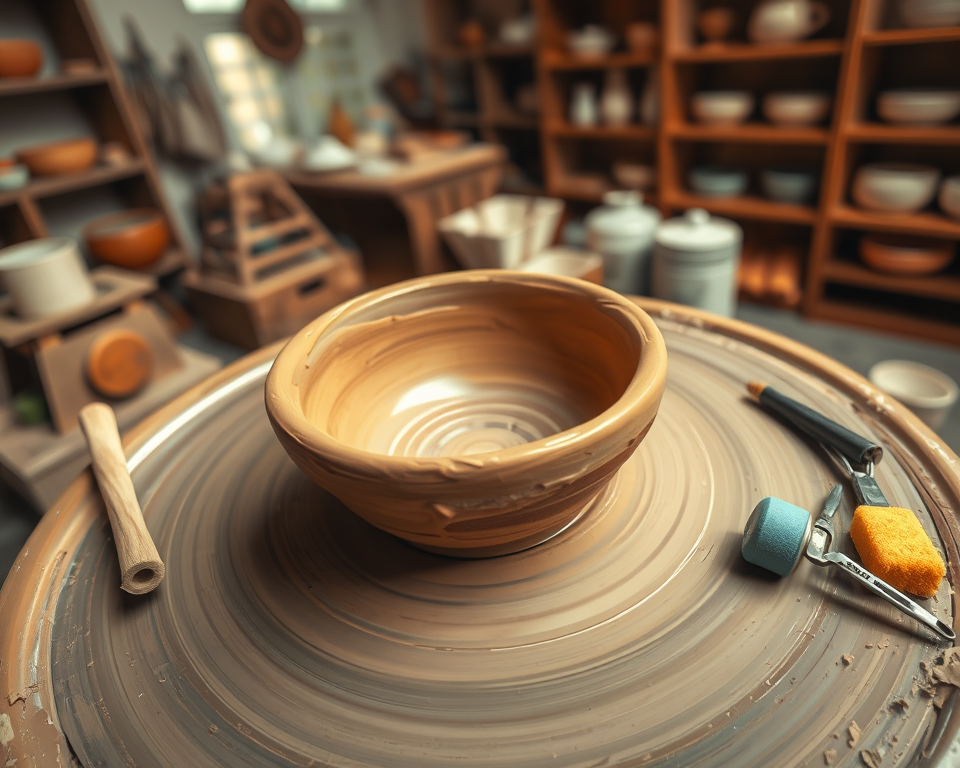
Stepping into the world of pottery feels like embarking on an artistic adventure, and I gotta say, it’s as exciting as it is messy! If you’ve been pondering whether to add a pottery wheel to your toolkit or if hand-building techniques could suffice, you’re in the right place. This is not just about whether you need that spinning wonder; it’s about discovering how you want to craft your pottery journey.
Let’s be real, though—getting into pottery can feel overwhelming. You’re probably flooded with questions. Is the pottery wheel really essential for beginners? What if I don’t have the budget? Can I create beautiful pieces without one? I’ve been there, and I want to share my insights. So grab your favorite mug (preferably one you made yourself) and let’s explore this together!
Table of Contents
- 1 Key Takeaways
- 2 Understanding Pottery Wheels and Hand-Building Techniques
- 3 Pros and Cons of Using a Pottery Wheel
- 4 Exploring Hand-Building as an Alternative
- 5 Cost Considerations for Beginners
- 6 User Experiences: Insights from Beginners
- 7 Frequently Asked Questions
- 7.1 Do I need to invest in a pottery wheel as a beginner?
- 7.2 What are the best hand-building techniques for beginners?
- 7.3 How much does a pottery wheel typically cost?
- 7.4 What additional tools are necessary for pottery, aside from a wheel?
- 7.5 Are there any alternatives to traditional pottery wheels?
- 7.6 Can I create functional pottery using hand-building techniques?
- 7.7 What are the hidden maintenance costs of owning a pottery wheel?
- 7.8 How can I connect with other pottery enthusiasts?
- 7.9 What emotional benefits can I gain from practicing pottery?
- 7.10 Are there specific challenges for beginners when learning pottery?
Key Takeaways
- Pottery wheels offer speed and consistency, ideal for creating symmetrical pieces, but they come with a learning curve.
- Hand-building techniques like coiling and slab building are budget-friendly alternatives, offering creative freedom and accessibility.
- Costs matter: wheels can range significantly in price, and there are hidden costs to consider for upkeep.
- User experiences can vary greatly—connect with the pottery community for support and inspiration.
- You can create stunning pottery without a wheel—it’s all about your creative approach!
Understanding Pottery Wheels and Hand-Building Techniques
Pottery is a blend of ancient practices and personal expression. From the wheel-throwing technique that has been used for centuries to the more liberating hand-building methods, each approach holds its unique charm.
Overview of Pottery Techniques
In my experience, there are two main ways to get clay into beautiful shapes: throwing on a wheel and hand-building. Wheel-throwing is that mesmerizing technique where the clay spins while your hands guide it. It’s like magic—watching a lump of clay transform into a vase or bowl. However, don’t dismiss hand-building! Techniques like coiling, pinching, or using slabs can lead to stunning variations and textures that a wheel simply can’t offer. Each method encourages a different kind of creativity.
The Role of Pottery Wheels
Now, let’s talk wheels! When I got my first pottery wheel, a Brent C Pottery Wheel, I was thrilled. It retails for about $1,000 and offers a great blend of power and stability—a marvelous option for both beginners and more advanced potters. But here’s the catch: wheel-throwing demands a fair amount of dedication. You’ll speed up your production rates, sure, but you’ll also face challenges. Getting that perfect form isn’t just about technique; it’s about finding your rhythm.
“A bowl made on a wheel is just as much a part of the artist as their hands.”
Pros and Cons of Using a Pottery Wheel
So, is a pottery wheel the best way to kick off your pottery journey? Let’s weigh the pros and cons.
Advantages of Pottery Wheels
Speed of Creation: Wheelin’ it can be a fast track to crafting. You can whip out several pieces in a fraction of the time it takes to hand-build.
Consistent Shapes: If you’re a control-freak (no shame here!), you’ll appreciate the precision a wheel offers, resulting in symmetrical and evenly shaped pieces.
Skill Enhancement: As you practice, you’ll find that wheel-throwing can enhance your pottery skills—a sense of creativity and expressions that can evolve quickly!
It’s often quite satisfying to see how your skill level improves, shifting from awkwardly shaped blobs to perfectly formed bowls.
Limitations of Pottery Wheels
However, it’s not all sunshine and rainbows! There are limitations and challenges to consider, including:
Cost Concerns: Not every beginner has $1,000+ to put down on a quality pottery wheel.
Space Requirements: Wheel setups can be bulky! You’ll need enough room not just for the wheel itself but also for tools, clay storage, and maybe even a drying rack.
Learning Challenges: This one’s huge, folks! I won’t sugarcoat it. Getting to grips with a wheel can feel like trying to learn the tango in front of an audience. It’s a steep learning curve that might leave you frustrated at times.
Exploring Hand-Building as an Alternative
Now, if the thought of splurging on a wheel sends shivers down your spine, let’s talk about hand-building as a stellar alternative. Hand-building can be incredibly rewarding and is especially forgiving for beginners.
Key Hand-Building Techniques
Whether you’re coiling, pinching, or using slabs, hand-building techniques can produce beautiful results without the hefty equipment price tag. For instance, creating a coiled pot involves rolling out the clay into long snakes and stacking them. It’s creative and allows for personal biases—texture, form, and overall style can be yours without the constraints of the wheel.
Some popular hand-building methods include:
Pinch Technique: Simply pinching the clay into form. You can create unique, organic shapes this way!
Slab Method: Rolling out clay into flat sheets, which you can then shape into functional pieces. Think: tiles or a straightforward rectangular vase.
Molding: You can even create molds to replicate shapes—great for consistency in form without spinning!
What Can You Create Without a Wheel?
Honestly, you can craft some stunning projects without ever touching a wheel. I’ve made the cutest pinch pots that are perfect for holding keys or succulent plants. Plus, I’m obsessed with the artistic freedom that hand-building offers. My friend made a coiled vase that looked like a work of art—that’s the beauty of non-wheel techniques!
Hand-built pottery can range from functional ceramics like plates and bowls to intricate artisanal pottery pieces just for show. With a few simple tools (like a wire cutter or a rolling pin), you can explore your creativity without a wheel.
Cost Considerations for Beginners
When it comes to pottery, the cost factor can feel like a hurdle. You want to jump in and explore, but your wallet might not be on the same page.
Comparing Costs: Wheel vs Hand-Building
Let’s lay it all out:
| Item | Approx. Cost | Notes |
|---|---|---|
| Pottery Wheel | $300 – $1,500 | Brands like Skutt and Brent have great options. |
| Hand-Building Tools | $50 – $150 | Basic tools and clay can be quite affordable. |
| Ongoing Supplies | $20 – $200/month | Clay and glazes will add up depending on your projects. |
As you can see, investing in a decent pottery wheel can set you back quite a bit. If you’re just starting, you might want to go the hand-building route for a while.
Hidden Costs of Owning a Pottery Wheel
It’s not just the initial investment that matters.
Maintenance Costs: Over time, you may need to replace parts or buy new equipment like bat pins and splash pans.
Electric Wheels: If you go electric, factor in your electricity usage. It can add up based on how much you’re using it.
Repairs: Like any tool, things can go wrong! You might need to fork out extra for repairs if anything breaks.
To avoid surprises, look for user reviews of the wheel you’re considering—models like the Shimpo VL-Lite (around $829) are praised for their durability and cost-efficiency, which might save you some bucks in the long run.
User Experiences: Insights from Beginners
The beauty of pottery is that it brings together a vibrant community of artists and hobbyists, and learning from each other is part of the fun!
Encouraging Community Input
Communities can be invaluable, especially when you’re just starting your pottery journey. Join local pottery classes, workshops, or even online groups via social media. Places like Facebook and Reddit have bustling pottery communities where you can glean tips, tricks, and shared experiences from fellow newbies and seasoned professionals.
You’ll find encouragement and feedback, plus share those glorious mishaps that come hand-in-hand with learning. By raising your hand and asking questions, you’ll not only learn faster—but you might even find friends along the way.
Emotional Satisfaction in Pottery
Creating pottery can be an incredible outlet for emotional expression. The simple act of shaping clay can be therapeutic, helping to unwind after a long day. I can’t emphasize enough how incredible it feels to watch a formless blob evolve into something that reflects a part of you.
Whether you’re creating pieces for functionality or just to beautify your space, every touch of the clay can resonate with personal joy. And let me tell you, hearing those “wows” from friends or family when they see your work can give you a real confidence boost!
“Pottery allows you to mold not just clay, but also your creative spirit.”
Creating art is about self-expression and personal growth. The experience of molding and forming can lead to amazing feelings of accomplishment and artistic development. So, it’s not just about making pots; it’s about weaving your story into every piece.
At the end of the day, whether you choose to wheel-throw your way into pottery or embrace the hands-on approach of hand-building, what matters most is how it makes you feel. Don’t get caught up in debates over optimal tools—trust your instincts, explore your interests, and let the clay guide you!
Frequently Asked Questions
Do I need to invest in a pottery wheel as a beginner?
Investing in a pottery wheel can be beneficial but isn’t essential. Many beginners start with hand-building techniques, which are more cost-effective and less space-consuming. Consider your budget and space availability before making a purchase.
What are the best hand-building techniques for beginners?
For beginners, the best hand-building techniques include pinch pots, coil building, and slab construction. These methods are simple to learn and offer creative freedom, allowing you to explore different shapes and forms without needing complicated equipment.
How much does a pottery wheel typically cost?
A pottery wheel can range from $200 to over $1,000, depending on the brand and features. Budget options are available, but ensure you consider both initial purchase and ongoing maintenance costs when planning your investment.
What additional tools are necessary for pottery, aside from a wheel?
Essential tools include a clay cutter, sponge, rib tools, and various shaping and decorating implements. If you engage in hand-building, you might also need a rolling pin and templates for consistent shapes. These tools help enhance your crafting experience.
Are there any alternatives to traditional pottery wheels?
Yes, alternatives include kick wheels, which operate manually for a lower cost, and electric wheels, which offer height and speed adjustments. Additionally, hand-building is a viable alternative, allowing for diverse artistic expressions without machinery.
Can I create functional pottery using hand-building techniques?
Absolutely! Many artisans make functional pottery, such as bowls, plates, and mugs, using hand-building methods. These techniques allow for unique designs and can result in charming, one-of-a-kind pieces that are also practical.
Maintenance costs can include repairs for wear and tear, potential replacement parts, and utilities if using an electric wheel. Regular upkeep will ensure your wheel functions optimally, so it’s wise to set aside a budget for these needs.
How can I connect with other pottery enthusiasts?
You can connect through pottery clubs, workshops, local classes, or online forums and social media groups dedicated to ceramics. Engaging in community activities provides support, inspiration, and valuable learning opportunities from more experienced potters.
What emotional benefits can I gain from practicing pottery?
Participating in pottery can enhance creative expression, reduce stress, and provide a sense of accomplishment. As you learn and create, you may experience personal growth and fulfillment, fostering a deeper connection to your art and yourself.
Are there specific challenges for beginners when learning pottery?
Beginners often face challenges like mastering clay consistency, understanding firing processes, and developing patience through the trial-and-error of techniques. However, joining a community or taking classes can offer guidance and support in overcoming these obstacles.
