
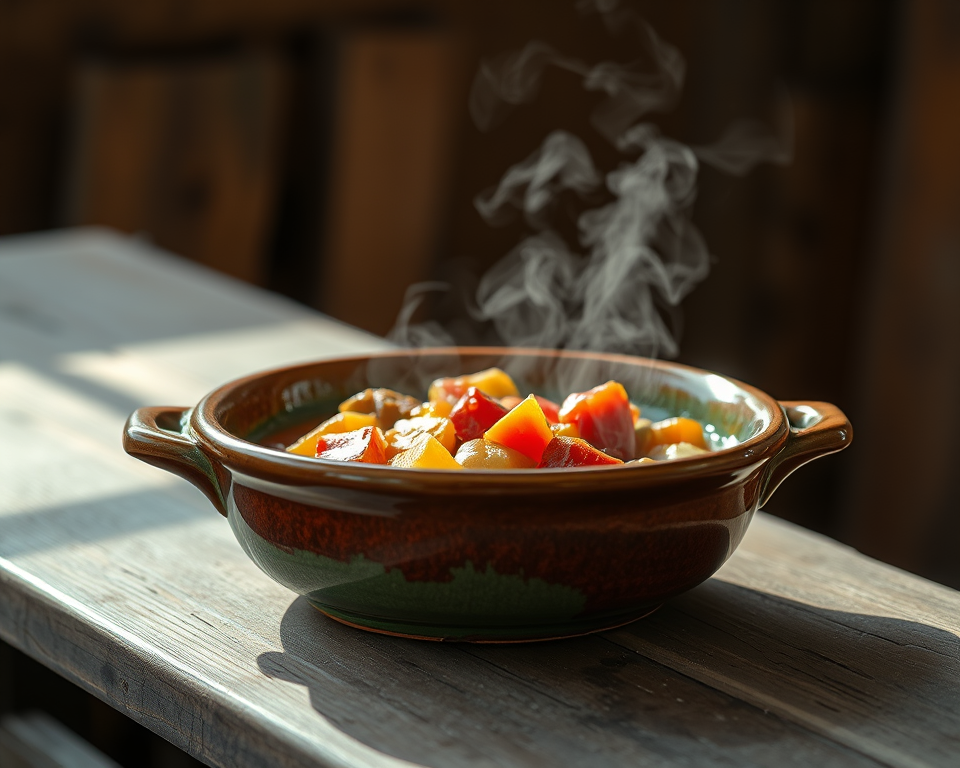
When it comes to cooking with pottery, there’s a lot of talk about how versatile it can be. But can you really toss your beautiful ceramic dishes straight into the freezer and expect them to come out unscathed? Trust me, you’re not alone in wondering this! As someone who loves the art of cooking—and has, shall we say, a small collection of pottery—I’ve felt the anxiety of whether my cherished pieces can handle the chill of the freezer. Let’s unpack this once and for all so you can store your meals without fear of catastrophe.
Table of Contents
- 1 Key Takeaways
- 2 Understanding Pottery Materials and Their Freezer Safety
- 3 Types of Pottery Safe for the Freezer
- 4 What Happens to Pottery in the Freezer?
- 5 Tips for Freezing Food in Pottery
- 6 How to Prepare Pottery for Freezing
- 7 Real User Experiences and Testimonials
- 8 Success Stories: Pottery in the Freezer
- 9 Common Concerns and Misconceptions
- 10 Addressing User Frustrations
- 11 Comparing Different Pottery Types
- 12 Frequently Asked Questions
- 12.1 Can all types of pottery go in the freezer?
- 12.2 What are the risks of freezing pottery?
- 12.3 How can I tell if my pottery is freezer-safe?
- 12.4 Are there specific materials that are more durable in the freezer?
- 12.5 Should I pre-chill my pottery before using it in the freezer?
- 12.6 Can I put food directly into my pottery from the oven to the freezer?
- 12.7 What is the best way to store food in pottery in the freezer?
- 12.8 How do temperature fluctuations affect pottery over time?
- 12.9 Are there any specific brands known for freezer-safe pottery?
Key Takeaways
- Not all pottery is created equal—certain types are more freezer-friendly than others.
- Always prepare your pottery properly before freezing to mitigate any risks.
- Real-life user experiences can offer golden nuggets of wisdom on utilizing pottery in cold storage.
- Misconceptions about pottery and freezing can lead to unnecessary worries; knowledge is power!
Understanding Pottery Materials and Their Freezer Safety
So let’s get down to it—what types of pottery are safe for the freezer? I learned the hard way that things like stoneware and some ceramics can handle the cold better than others. You wouldn’t want to ruin a nice dish, right? A quick rundown of materials can help alleviate those pesky concerns.
Stoneware is generally robust and can often withstand low temperatures. That’s why many folks love it for food storage! For example, brands like Plymouth stoneware dishes are designed for even heating and cooling, making them great companions for your frozen meals. They start around $25 for dinner plates and $45 for larger baking dishes.
Porcelain, on the other hand, is a bit more delicate. While some can handle the freezer, it’s safer to check for specific brand guidelines. I’ve got a gorgeous set of porcelain dishes that I adore, but I stick to using them in the fridge instead of the freezer. Some have lasted for years, while others have met a tragic end—frosty cracks will haunt my memories!
Earthenware has a porous nature, which makes it more susceptible to damage from the freezing process. I once made the mistake of tossing an earthenware bowl in the freezer with leftover soup. Let’s just say it didn’t make it through that ordeal. I’ve found that while it’s beautiful for serving, user reviews overwhelmingly indicate it’s not safe for freezing.
In summary, always check the material specifications of your pottery. Finding the right piece is crucial to confidently freezing your food without stress!
Types of Pottery Safe for the Freezer
As I mentioned earlier, both stoneware and specific types of ceramics tend to be the champions of freezer safety. But let’s break it down a bit further so you can make informed choices.
Stoneware
- Characteristics: Dense and durable.
- Prices: Often ranges from $25 to $70 depending on the size and brand.
- Notes: Look for high-fired stoneware; brands like Le Creuset produce high-quality stoneware that can go from the freezer to the oven.
Porcelain
- Characteristics: Slightly more fragile but some varieties are sturdy.
- Prices: Sets start around $50 to over $200.
- Notes: Use caution; brands like Corelle are known for making dinnerware that can withstand more temperature changes.
Earthenware
- Characteristics: More fragile and absorbent.
- Prices: Typically cheaper, from about $20 for smaller items.
- Notes: Generally, avoid freezing with this type as it’s more likely to crack.
| Pottery Type | Freezer-Safe | Typical Price Range | Recommendations |
|---|---|---|---|
| Stoneware | Yes | $25 – $70 | Le Creuset, Plymouth |
| Porcelain | Some types | $50 – $200 | Corelle, Nikko |
| Earthenware | No | $20 and up | Not recommended |
“Understanding the type of pottery you’re working with can save you a ton of heartache down the road.”
You don’t want to find yourself in a freezing pickle, so make sure to check your materials before tossing them into ice-cold storage!
What Happens to Pottery in the Freezer?
Ever heard the term “thermal shock?” It’s basically the main villain in our freezer saga. When pottery goes from room temperature to the freezing point, the rapid shift can cause craking or shattering. This is particularly important when working with ceramic and porcelain. I once had a stunning soup bowl go from warm to ice-cold in an instant—it looked like a beautifully shattered mosaic instead of a bowl!
So, what’s happening inside that lovely pottery? Most ceramics can expand and contract to some extent, but when freezing, the extreme cold can push them past their limits. Factors like the thickness of the material and initial temperature play a role, too.
- Thin Ceramics: More susceptible to cracking.
- Thick Ceramics: Generally more resilient, but still need caution.
Let’s say you’ve placed some leftover chili in a thin porcelain bowl. If it’s hot going into the freezer, you’re likely setting things up for disaster.
Here’s an experiment I conducted—I tried freezing a thick stoneware bowl full of vegetable soup that had cooled to room temp first. It came out perfectly—no cracks, no mess, just warm deliciousness from the stove into the freezer and back again! So, always be mindful of temperature adjustments before freezing!
Tips for Freezing Food in Pottery
Now that we’ve established which pottery types can survive the freezer, let’s get into some juicy tips for freezing food safely in them. These little nuggets of wisdom can make all the difference!
Cool First: Always allow your food to cool completely. I learned this lesson the hard way when a batch of homemade sauce melted a lovely ceramic bowl. Oh the tears!
Don’t Overfill: When dealing with liquids, leave some room for expansion. This prevents cracks from forming. I typically fill mine no more than three-quarters full.
Wrap It Up: Use plastic wrap or a freezer bag to protect the pottery from freezer burn and moisture. It’s like a cozy blanket for your dinnerware!
Avoid Temperature Shock: Just like humans, pottery needs time to adjust. If you’re pulling it straight from the freezer, let it sit outside for a few minutes before exposing it to a hot oven or heat source. Nobody wants a shattered masterpiece!
By following these simple steps, you can enjoy the beauty of pottery without the anxiety of damaging your favorite items. Remember, it’s all about balance in the kitchen!
How to Prepare Pottery for Freezing
Let’s talk about preparing your beloved pottery for the freezer. Preparing it for the cold is like prepping a car for a winter storm—you wouldn’t just hop in and go!
Cooling Pottery: Once you finish cooking or serving in your pottery, allow it to cool on the counter. Rapid temperature changes can cause stress, so patience is key.
Quality Check: Before putting your dish in the freezer, inspect it for chips or cracks. Even the tiniest flaw can lead to a freezing fail.
I’ve got a foolproof method— I set a timer for 10-15 minutes post-cooling to resist the urge to rush things. [Insert laugh here] Trust me, this has saved several of my dishes!
Freezing Techniques: For liquids, it’s essential to transfer to a bowl or container that’s explicitly labeled freezer-friendly. Mixing bowls from KitchenAid work wonders—highly regarded for their resistant properties, and you can grab a decent set for around $30. Just be sure to leave enough room for the soup to expand as it freezes!
Pottery Preparation Checklist
- Allow food to cool completely.
- Inspect for chips or cracks.
- Use appropriate freezer-safe containers.
- Leave room for expansion of liquids.
Real User Experiences and Testimonials
Hearing what other users have gone through can provide some real insights. I love checking out user reviews before investing in new pottery, and you’ll find stories that can be both encouraging and cautionary.
For instance, one user shared that they used Pyrex glass containers with ceramic lids for freezing leftovers. They reported zero issues despite repeated freezes and thaws. They mentioned, “It feels amazing knowing I can enjoy my handcrafted pottery without worrying about damage.”
Another user praised how a set of Emile Henry ceramic pie dishes (they start at about $40 each!) performed beautifully in her freezer. With proper cooling, she had no cracking issues—even after multiple batches of cherry pie filling.
“If you can learn from someone else’s experience, why not? It’s like getting the cheat codes before the game!”
Success Stories: Pottery in the Freezer
I love sharing success stories from fellow pottery enthusiasts! One enthusiastic cook reported that they regularly prep large batches of chili and freeze them in sturdy stoneware containers. The results? No cracks and an easy transition from freezer to oven.
Another success came from someone who shared their experience with freezing casserole in Le Creuset stoneware. The friend stated, “I love these dishes! My food comes out hot and delicious every time, with no worry about damage.”
When people hear these positive testimonials, it alleviates fears and builds confidence in crafting delicious meals that can freeze perfectly.
Common Concerns and Misconceptions
Let’s clear the air! It seems there’s a lot of misinformation out there, so I want to set the record straight.
Myth 1: All Pottery Can Go in the Freezer
Not true! As we learned earlier, your beloved earthenware isn’t designed for low temps. Stick to stoneware and certain ceramics that are safer.
Myth 2: If It Fits, It’s Safe
Just because your dish fits comfortably doesn’t mean it can handle the freezer temperatures! Always check the material and manufacturer guidelines before taking that leap.
Myth 3: Freezing Damages All Pottery
This misconception can keep you from enjoying the advantage of using pottery in meal prep! With the right care, you can freeze safely and positively transform your cooking game.
“Knowledge is power, and as long as we educate ourselves about our kitchen tools, we’re on the right track!”
Addressing User Frustrations
I know firsthand how conflicting information can be frustrating. When you’re looking for reliable answers regarding freezing pottery, sometimes it feels like every site offers a different story. That’s why it’s key to gather information from various reputable sources and communities of fellow cooking enthusiasts.
Feel free to reach out on forums or social media groups dedicated to pottery and cooking. You can ask specific questions, share your experiences, and ultimately gain clarity. No need to struggle alone—there’s a supportive community out there!
Common FAQs:
– Can I put all stoneware in the freezer?
Not every piece is made the same. Always check the manufacturer’s specifications.
- What should I do if I spot a crack?
Avoid using it in the freezer! It’s best for your safety to retire the piece.
Comparing Different Pottery Types
In the quest for finding the right pottery, a little comparison can go a long way. Here are a few highlights that outline the differences clearly.
| Pottery Type | Price Range | Freezer-Compatible | Utility in Kitchen |
|---|---|---|---|
| Stoneware | $25 – $70 | Often Yes | Excellent for baking and cooking |
| Porcelain | $50 – $200 | Some Yes | Great for serving and some baking |
| Earthenware | $20+ | No | Primarily for serving |
By distinguishing the features, you can make informed decisions based on usability and freezing compatibility. Le Creuset and Plymouth can be excellent starting points for mixing utility with aesthetic appeal.
Expert Opinions on Pottery Care
While user testimonials provide real-world insights, don’t forget to listen to experts! I regularly check for ceramics professionals’ take on pottery care, and they emphasize proper handling to ensure long-lasting materials.
They often recommend brands that offer warranty or satisfaction guarantees, which provides that extra peace of mind when it comes to investing in cookware.
So, whether you’re stepping into the art of cooking or are already a seasoned chef, make sure to check expert advice while considering your options.
In the end, understanding the characteristics of your pottery, preparing it properly, and gathering insights from fellow users and professionals can lead to a more enjoyable and worry-free cooking experience. Trust me, with a little care, your cherished pottery can shine bright in your kitchen—frozen meals included!
Frequently Asked Questions
Can all types of pottery go in the freezer?
Not all pottery is safe for the freezer. Porcelain, stoneware, and some high-fired ceramics can often withstand low temperatures, while earthenware is more susceptible to cracking due to lower firing temperatures. Always check manufacturer guidelines for freezer safety.
What are the risks of freezing pottery?
Freezing pottery poses risks such as cracking or shattering due to thermal shock, which occurs when the material expands and contracts rapidly with temperature changes. To minimize risk, ensure your pottery is labeled as freezer-safe and allow it to cool before placing it in the freezer.
How can I tell if my pottery is freezer-safe?
Look for markings or labels indicating freeze compatibility from the manufacturer. Additionally, ceramics that are dense, heavy, and high-fire are generally more durable. If in doubt, you may want to test with a small, unimportant piece before using larger, more valuable pottery.
Are there specific materials that are more durable in the freezer?
Yes, stoneware and certain porcelain varieties are generally more durable in freezing conditions. These materials are fired at high temperatures, making them less porous and more resistant to thermal shock compared to earthenware or low-fired ceramics.
Should I pre-chill my pottery before using it in the freezer?
Pre-chilling your pottery can help reduce the shock of extreme temperature changes. Gradually cooling the pottery in the refrigerator for a few hours before moving it to the freezer can help maintain its integrity and lower the risk of cracking.
Can I put food directly into my pottery from the oven to the freezer?
No, it’s not recommended to transfer hot food directly into cold pottery as this can cause thermal shock. Allow the dish to cool at room temperature first, then store the food safely in the freezer to ensure the longevity of your ceramic.
What is the best way to store food in pottery in the freezer?
For optimal food storage, use airtight lids or coverings to prevent freezer burn and maintain food quality. Additionally, leave some space in the container for food expansion as it freezes to avoid cracks in the pottery.
How do temperature fluctuations affect pottery over time?
Frequent temperature changes can cause micro-fractures in pottery, reducing its lifespan and leading to eventual failure. It is essential to minimize exposure to rapid temperature shifts to preserve the integrity of your ceramic objects.
Are there any specific brands known for freezer-safe pottery?
While many brands offer freezer-safe options, reputable names like Le Creuset, Emile Henry, and Corelle are often recommended for their durable ceramic products. Always review the product specifications and guidelines to confirm their freezer safety.
By addressing these frequently asked questions, readers can gain a deeper understanding of the nuances related to pottery and freezer safety, enhancing their overall experience and knowledge on the topic.
