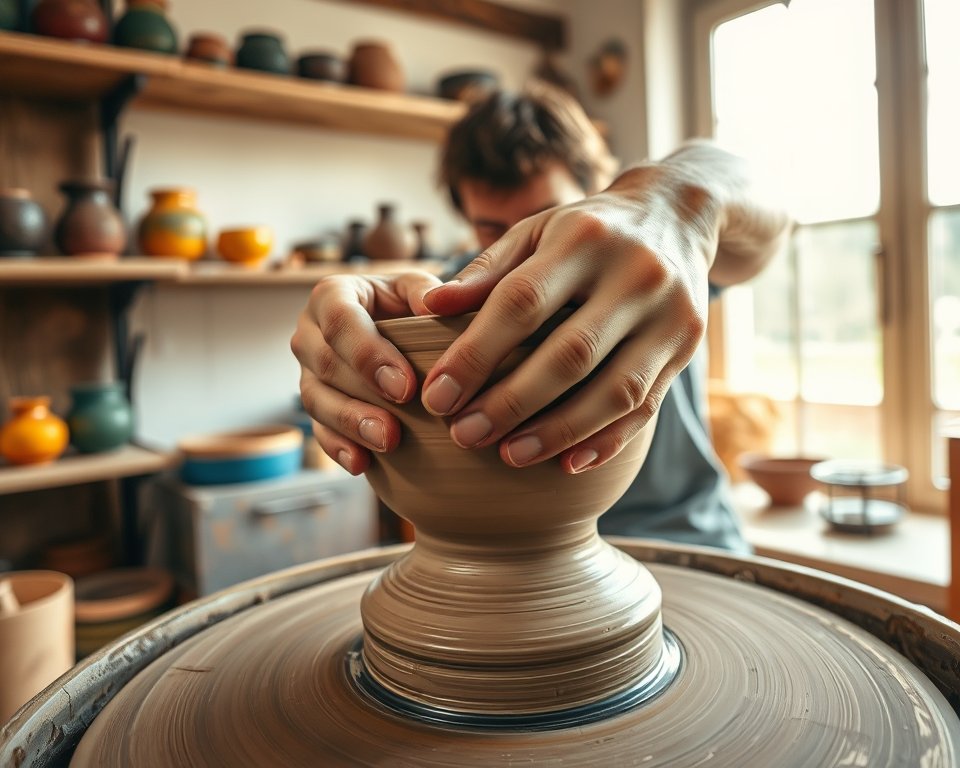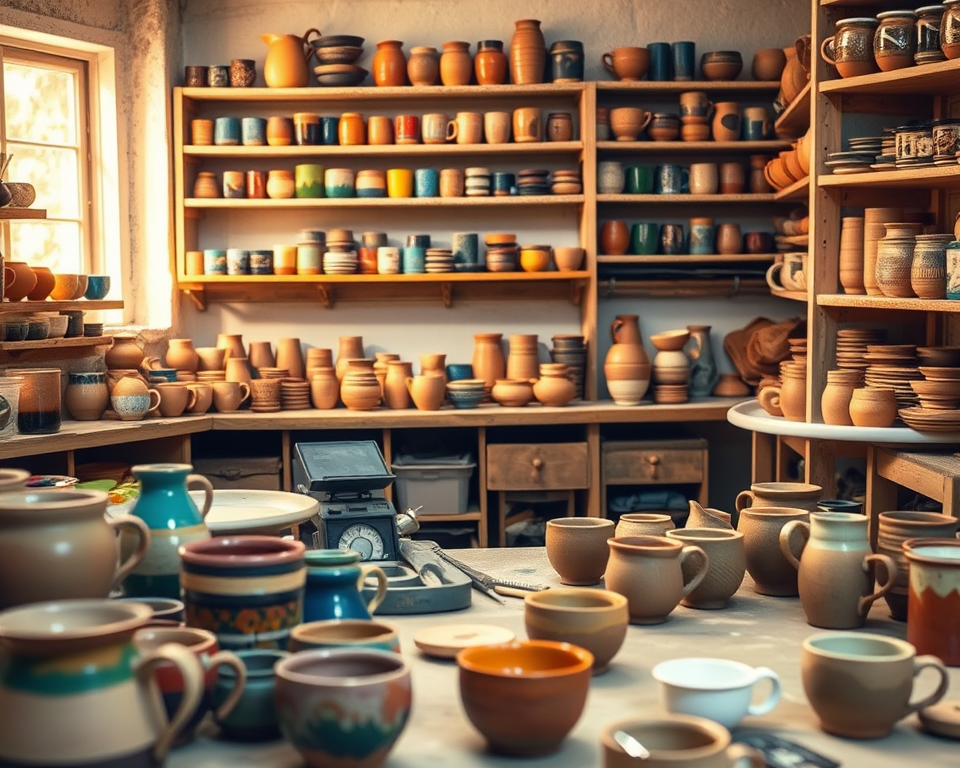
I’ve always found pottery to be much more than just clay and a wheel; it embodies a deep cultural narrative. Nowhere is this sentiment more poignant than in the captivating realm of Hopi pottery. As someone who appreciates art with rich historical roots, I want to take you on this enlightening journey through the vibrant
Author: Lila Emerson
Hi, I’m Lila! I’ve been captivated by the art of pottery for as long as I can remember. From the moment I first touched clay, I knew I had found my passion. Through my website, CraftedInClay.com, I share my love for pottery, offering tutorials, tips, and inspiration for anyone eager to discover, learn, and master the art of pottery. Whether you're a beginner or a seasoned artist, I’m here to help you shape your creative vision into something beautiful!
Cone 2: Terracotta Glaze Maturation
Hey there, young potter! Let’s talk about something cool in the world of pottery: glazes and maturation. When we make pottery, like bowls or pots, we often cover them with a special shiny coat called glaze. This glaze not only makes our pottery look pretty but also helps protect it. Now, when we heat our
7.5 Quarts to Gallons (US)
Hey there, young pottery enthusiast! Today, we’re going to learn a little about measurements. You know how important it is to have the right amount of clay or glaze when you’re creating your pottery masterpieces. So, have you ever heard of quarts and gallons? They are both ways to measure liquids. Think of quarts as
5 cups to quarts (US)
Hey there, little potter! 🌟 Today, we’re going to explore how we can convert measurements, just like you might when you’re mixing clay or measuring out ingredients for a special glaze! Imagine you have 5 cups of water. Now, you might be wondering how much that is in quarts. Here’s a fun fact: in cooking
Exploring Hull Pottery: History & Artistry Unveiled
When I first stumbled upon Hull pottery, I was completely blown away. The vibrant colors, unique shapes, and the stories behind each piece had me captivated. For any art enthusiast or collector out there, understanding Hull pottery isn’t just a matter of aesthetics—it’s about connecting with a rich history and craftsmanship that has stood the
5.75 fluid ounces (fl oz) to milliliters (mL)
Hey there, young potter! 🌟 Let’s dive into a fun measurement that will help you as you mix glazes and make amazing pottery! First, you need to know what fluid ounces and milliliters are. They both measure liquids, just like how you might measure water or slip for your clay projects. In our case, 1
Cultural Impact of Early Pottery Techniques
When I think about pottery, I can’t help but feel this deep connection to our shared human history. It’s incredible to consider that something as simple as clay transformed societies around the world. Pottery isn’t just about beautiful vases or dinnerware—it’s woven into the very fabric of our ancestors’ lives, from their daily routines to
Salt glaze flashing stage (Cone 9 to °F)
Okay, let’s talk about something really cool in pottery! When potters make their pieces, they put them in a special oven called a kiln to heat them up. There are different temperatures for different types of pottery, and today we’re focusing on something called the salt glaze flashing stage, which happens when the kiln is
450 milliliters (mL) to cups (US)
Hey there! Let’s explore how to change 450 milliliters to cups. Think of it like mixing clay and water for your pottery projects, where measuring is super important. First, we need to know that 1 cup (US) is about 236.6 milliliters. So, to find out how many cups are in 450 mL, we can use
5.25 Pints to Milliliters (mL)
Hey there, little potter! 🌟 Today, we’re going to learn about measurements—specifically how to change pints into milliliters. When you’re working with pottery, it’s super helpful to know how much liquid you have, especially if you’re mixing glazes or other materials. Now, pints and milliliters are both ways to measure liquid. Think of it like