
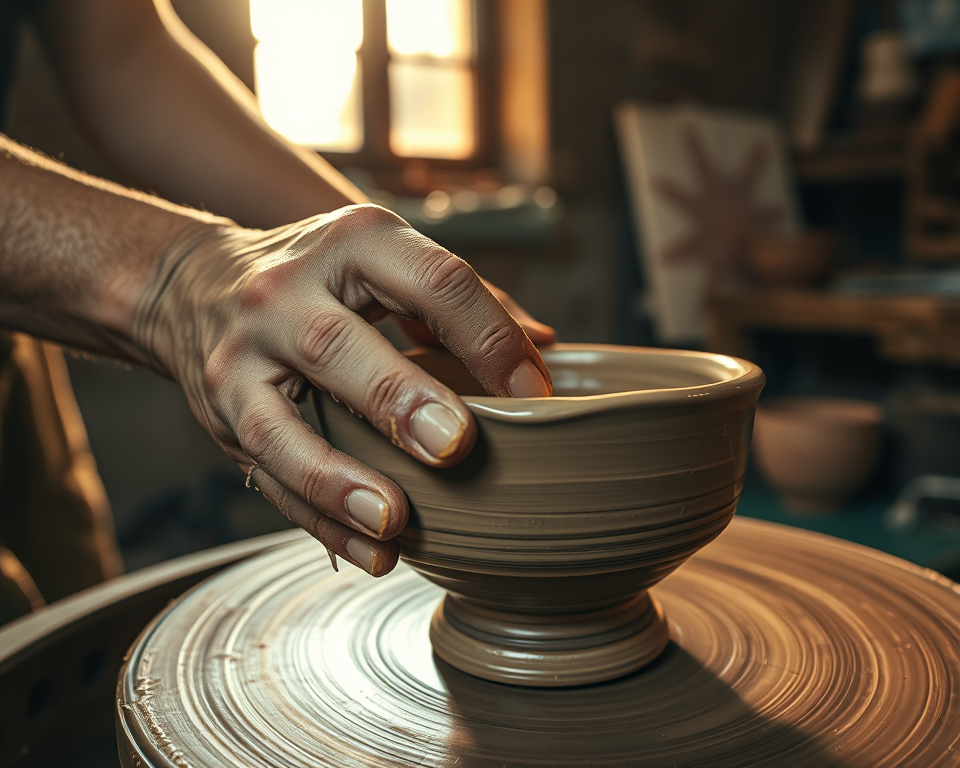
When I think about pottery, I’m instantly transported to a world where creativity meets craftsmanship. It’s like the dance of earth and fire, giving life to those beautiful pieces we often admire but take for granted. If you’re anything like me and you’re curious about where to find those stunning ceramic treasures, you’ve hit the jackpot! Today, I’m thrilled to take you on an exploration of global hotspots for pottery crafting—think of this as your insider’s look into where the magic happens! Are you ready? Let’s jump in!
Table of Contents
- 1 Key Takeaways
- 2 History and Cultural Significance of Pottery Regions
- 3 Regional Styles and Techniques
- 4 Exploring Pottery Artisan Communities
- 5 Sustainable Practices in Pottery Production
- 6 Frequently Asked Questions
- 6.1 What is the historical significance of pottery in ancient civilizations?
- 6.2 How have pottery techniques evolved over time?
- 6.3 What are some unique ceramic styles found around the world?
- 6.4 How can I find reputable pottery workshops or classes near me?
- 6.5 What should I look for in a pottery workshop?
- 6.6 Can pottery production be eco-friendly?
- 6.7 What are some famous pottery towns around the world?
- 6.8 What are the benefits of engaging with local pottery artisans?
- 6.9 How do contemporary pottery trends reflect sustainability?
- 6.10 Are there resources to learn more about pottery history and styles?
Key Takeaways
- Pottery isn’t just practical; it’s an art form with rich historical roots around the globe.
- Different countries bring unique styles and techniques, offering a vibrant cultural tapestry.
- Engaging with local artisans can lead to one-of-a-kind pieces and unforgettable experiences.
- Sustainable practices are becoming pivotal in pottery production, ensuring the craft remains environmentally friendly.
History and Cultural Significance of Pottery Regions
Pottery isn’t just about making cute coffee mugs. It stretches back thousands of years, serving as a testament to human ingenuity. Everywhere you look— from ancient civilizations in Mesopotamia to the intricate bowl work from the indigenous peoples of the Americas—you’ll find pottery telling the tales of humanity’s journey.
History has shown us that pottery was crucial for daily life. Not only did it allow for the storing of food and water, but it also acted as a canvas for cultural expression. Each region developed its distinctive styles, reflecting local resources and aesthetic preferences. For example, the ancient Japanese had their Raku pottery style, characterized by its unique firing process and whimsical aesthetic. The evolution of pottery is a slow burning flame, influenced by environmental changes, materials availability, and technology.
“In every piece of pottery, lies a story waiting to be sculpted and glazed.”
The Origins of Pottery Making
Let’s take a quick trip back in time to the roots of pottery. The earliest evidence of pottery dates back to about 29,000 BCE in Eastern Europe, where early artisans crafted figurines—like the famous Venus of Dolní Věstonice. It’s fascinating to think about how people thousands of years ago rolled up their sleeves and mixed clay.
The process of creating these artifacts involved using natural materials like clay and minerals, mixed with water to create a malleable substance. As ancient craft techniques evolved, so too did the designs. Potters began to experiment with decorative techniques and firing methods, leading to the diverse styles we see today. What’s even cooler is that many traditional methods still exist. Pottery is indeed an ancient craft that continues to thrive!
Regional Styles and Techniques
One of the most captivating aspects of pottery making is the diversity of styles and techniques that emerge from different cultures. Each potter draws upon their regional heritage, one expression more passionate than the last.
Notable Pottery-Producing Countries
When it comes to pottery, a few countries have really made a name for themselves. You’ve probably heard of these places, but the depth of their pottery culture might surprise you.
| Country | Notable Styles | Unique Techniques |
|---|---|---|
| Japan | Raku, Hagi, Imari | Firing in a straw reduction chamber |
| Mexico | Talavera, Mata Ortiz | Hand-painting and burnished techniques |
| Italy | Majolica, Deruta | Glazing techniques that date back centuries |
| China | Porcelain, Celadon | Utilizing kaolin clay and precise firing |
| Greece | Minoan, Black-Figure | Intricate designs and mythological themes |
In Japan, for instance, the Raku technique is wildly popular for its ability to create unique glazing effects thanks to rapid cooling. Meanwhile, Mexico boasts the vibrant Talavera pottery, known for its colorful, hand-painted designs. If you haven’t seen it in person, you’re missing out! A simple piece of Talavera is bursting with life and character, inviting you to appreciate its intricate designs.
Top Countries for Pottery Production
So, where are the best places to score some authentic pottery? Here’s a little insight based on what I’ve experienced and gathered through my travels:
- Japan – If you haven’t been to a pottery shop in Japan, do yourself a favor and add it to your bucket list! The attention to detail found in each piece of Raku pottery is mesmerizing, and don’t even get me started on the tea bowls!
- Mexico – I visited a small town called Dolores Hidalgo, famous for its Talavera pottery. You can literally watch artisans craft pots and paint them with astonishing precision.
- Italy – The tiny town of Deruta is famous for its ceramics that feel like stepping back in time. Each piece tells you stories of heritage and passion.
- China – The birthplace of porcelain, the town of Jingdezhen is often referred to as the “Porcelain Capital.” Here, artisans render intricate designs that have inspired potters globally for centuries.
- Greece – Minoan pottery has captivated many with its beautiful depictions of everyday life and mythology. If you want something steeped in ancient history, look no further.
“Every pot and plate carries a blend of tradition and innovation, making it not just a cooking tool, but a cultural artifact.”
Unique Pottery Towns to Visit
Now, let’s get into some eye-popping pottery towns that deserve your attention. Each of these spots provides not just amazing pottery but an experience!
Montelupo Fiorentino, Italy: Known for its majolica pottery, you can stroll through the streets lined with artisan shops. Just a whiff of the damp clay will set your heart racing!
Oaxaca, Mexico: This UNESCO World Heritage site isn’t just known for its food! The black pottery from this area is stunning, and you can join workshops to create your own.
Arita, Japan: Some of the finest porcelain in the world originates from this town. If you’ve got a penchant for collecting unique pieces, this is the place to be.
When visiting these towns, don’t miss out on local markets where you can interact with artisans and perhaps even take a piece back home. Nothing rivals the feeling of owning something handcrafted, right?
Exploring Pottery Artisan Communities
One of the joys of pottery is getting up close and personal with the artisans who dedicate their lives to this ancient craft. Engaging with local potters isn’t just about buying a vase; it’s about connecting with their stories, traditions, and inspirations.
Profiles of Prominent Potters
I’ve met some incredible potters along my journey, each with their unique flair and a deep-rooted passion for the craft. For instance, in the bustling streets of Jingdezhen, I met a potter named Mr. Chen, renowned for his blue-and-white porcelain. He shared how each design evokes legends from Chinese history.
Then, there’s the talented Maria in Oaxaca, who skillfully hand-paints intricate designs, drawing from her indigenous heritage. The chance to learn techniques directly from these artisans is an experience that no souvenir could match.
“`
“The beauty of pottery lies in its imperfection; no two pieces are ever exactly alike.”
“`
Engaging with Pottery Workshops and Events
If you’re itching to try your hand at creating pottery, look no further than local workshops! Many pottery-producing regions host events or classes where beginners can learn the ropes alongside seasoned potters.
I once joined a two-day pottery workshop in Italy, and it didn’t just teach me how to throw pots; it connected me to the local community. The laughter, the mess of the clay, and the final moment when our creations were fired and returned to us—priceless!
Check for pottery festivals in various regions, too! This is where potters showcase their best work, and you could pick up some stunning pieces while enjoying the lively atmosphere.
Sustainable Practices in Pottery Production
With rising awareness of environmental issues, sustainable practices are becoming increasingly pivotal in pottery. Potters around the world are examining their methods and materials to ensure minimal environmental impact.
Innovations in Sustainable Pottery
Making pottery doesn’t have to be a heavy footprint on our planet. Many artisans are finding innovative ways to be more eco-friendly. For instance, some are utilizing recycled materials or exploring biodegradable clays and glazes. Imagine sipping your morning coffee from a cup made from a material that cares for the environment!
Not to mention, several indigenous communities are leading the way in utilizing sustainable techniques rooted in centuries-old practices. This is particularly evident in regions of Mexico, where artisans use clay sourced from local riverbeds, ensuring minimal disruption to the ecosystem.
Impact of Sustainability on Local Artisans
The shift towards sustainability positively impacts local artisan communities. By adopting eco-friendly practices, potters can attract a new generation of buyers interested in conscious consumption. Ultimately, this civic engagement bolsters community ties and creates a stronger support narrative for these artisans.
If you’re passionate about sustainability, invest in pieces from potters who prioritize eco-conscious methods. By choosing pieces that align with your values, you’re helping sustain a craft that dates back to the dawn of civilization. You’re not just buying pottery; you’re preserving culture and impacting lives.
As we swirl around the world of pottery, it’s clear that craft is intricately woven into the fabric of our global heritage. From vibrant artisan markets to the workshops that charm us into learning, each piece you touch carries an echo of history, culture, and passion. So next time you see a handmade pot or plate, remember—it’s more than just a dish; it’s a vessel of stories.
Frequently Asked Questions
What is the historical significance of pottery in ancient civilizations?
Pottery played a critical role in ancient civilizations by serving as both functional tools and artistic expression. It was used for storage, cooking, and transportation, reflecting the culture and daily life of societies. Archaeological findings often include pottery fragments, which help historians piece together the social, economic, and artistic aspects of these civilizations.
How have pottery techniques evolved over time?
Pottery techniques have evolved significantly, influenced by cultural exchanges and innovations. Early pottery involved basic hand-building methods, while later advancements introduced the potter’s wheel and kiln firing. Today, techniques may include both traditional methods and modern approaches, such as 3D printing, showcasing the ongoing evolution of this timeless craft.
What are some unique ceramic styles found around the world?
Unique ceramic styles vary by region, often influenced by local materials and cultural traditions. For instance, Japanese Raku pottery is known for its unique firing process and glazes, while Mexican Talavera pottery features vibrant colors and intricate designs. These styles reflect the heritage and craftsmanship of their respective regions.
How can I find reputable pottery workshops or classes near me?
To find pottery workshops or classes in your area, consider searching online on platforms like Meetup, Google Maps, or social media groups dedicated to local arts and crafts. Local art studios, community centers, or universities may also offer classes for various skill levels, allowing you to engage with pottery hands-on.
What should I look for in a pottery workshop?
When choosing a pottery workshop, look for experienced instructors, positive reviews, and a hands-on approach. Make sure the studio provides the necessary materials and tools. Consider the class size for better attention and interaction. Additionally, inquire about the types of pottery techniques that will be covered.
Can pottery production be eco-friendly?
Yes, pottery production can be made eco-friendly through several practices. Artisans may use sustainable materials, minimize waste during the crafting process, and adopt energy-efficient kiln firing methods. Engaging with recycled materials and local sourcing can further enhance sustainability in pottery making.
What are some famous pottery towns around the world?
Several towns are renowned for their pottery traditions. Notable examples include Jingdezhen in China, known as the “Porcelain Capital,” and Talavera de la Reina in Spain, famous for its colorful ceramics. Each location is steeped in history and showcases unique styles that attract pottery enthusiasts and tourists alike.
What are the benefits of engaging with local pottery artisans?
Engaging with local pottery artisans fosters community connections and appreciation for cultural heritage. It supports local economies and encourages the preservation of traditional techniques. Additionally, learning from artisans can offer insights into the craftsmanship and creative processes behind unique pottery pieces.
How do contemporary pottery trends reflect sustainability?
Contemporary pottery trends increasingly emphasize sustainability by incorporating eco-friendly materials and practices. Artists are exploring natural pigments, biodegradable glazes, and alternative firing techniques. This shift aims to reduce the environmental impact of pottery production while promoting a conscious, green approach to ceramics.
Are there resources to learn more about pottery history and styles?
Yes, there are numerous resources available to explore pottery history and styles. Books on ceramics, documentaries, and online courses offer detailed insights. Museums often host exhibitions and educational programs focused on pottery, showcasing its evolution across cultures. Engaging with pottery blogs and forums can also provide useful updates and discussions on contemporary trends.
