
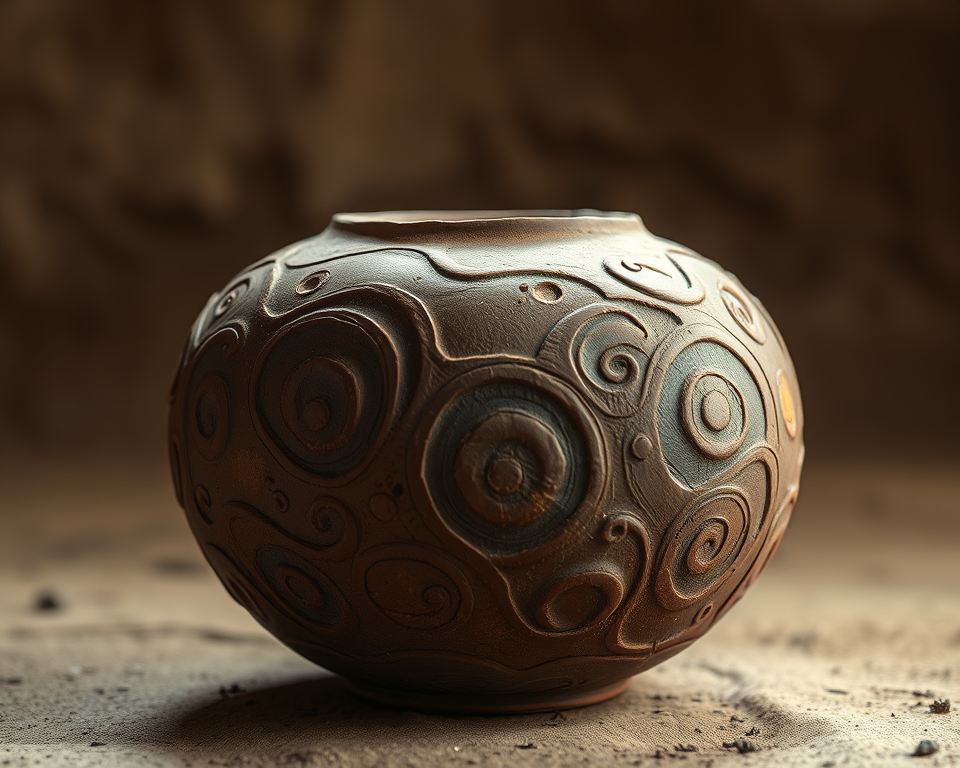
I’ve always been fascinated by pottery. There’s something so raw and beautiful about it, which is why I think Jomon pottery really stands out. It’s not just about making something out of clay—it’s a reflection of an ancient culture, a piece of history you can hold in your hands. If you’ve never heard of Jomon pottery before, let’s get you all set on the captivating journey through its characteristics, historical significance, and how it’s influenced modern art.
Table of Contents
- 1 Key Takeaways
- 2 Characteristics of Jomon Pottery
- 3 Historical Context of Jomon Pottery
- 4 Techniques Used in Jomon Pottery
- 5 Cultural Significance of Jomon Pottery
- 6 Comparative Analysis: Jomon vs. Other Pottery Styles
- 7 Frequently Asked Questions
- 7.1 What is the Jomon period, and when did it occur?
- 7.2 How does Jomon pottery differ from Yayoi pottery in terms of materials and techniques?
- 7.3 What are some specific decorative techniques used in Jomon pottery?
- 7.4 Can you explain the significance of surface textures in Jomon pottery?
- 7.5 What role did Jomon pottery play in daily life and rituals?
- 7.6 How did Jomon pottery influence contemporary ceramics?
- 7.7 What natural materials were commonly used in Jomon pottery?
- 7.8 Are there specific archaeological sites known for Jomon pottery discovery?
- 7.9 What are the common shapes and sizes of Jomon pottery vessels?
- 7.10 How does Jomon pottery illustrate the cultural identity of its creators?
Key Takeaways
- Jomon pottery is famous for its intricate designs, with cord-marking techniques showcasing its unique artistry.
- The Jomon period, lasting from around 14,000 BC to 300 BC in Japan, reflects complex societal structures and cultural nuances.
- Techniques used in Jomon pottery, such as hand-building and firing methods, connect ancient skills with today’s artistic practices.
- Comparing Jomon pottery with other styles like Yayoi reveals fascinating insights into Japan’s artistic evolution.
- You’ll find that Jomon pottery not only serves historical significance but also plays a role in contemporary ceramics, influencing artisans today.
Characteristics of Jomon Pottery
When I think about Jomon pottery, the first thing that pops into my mind is its impressive cord-marked designs. It’s like nature and artistry came together in a magnificent dance. You might be wondering what exactly makes Jomon pottery so distinctive. Well, let’s break it down.
Characteristics and Features
Jomon pottery is characterized by its unique surface textures and functional designs. A hallmark feature is the cord-marking technique—an ancient method where cords were pressed into softened clay to create intricate patterns. This practice isn’t merely decorative; it gives the vessels a tactile quality that links us back to ancient artisans.
- Vessel Shapes: You’ve got everything from simple bowls to complex ceremonial vessels. The varieties in shape reflect the pottery’s functional uses in ancient life, whether for cooking, storing, or ceremonial practices.
- Natural Motifs: The craftsmanship often showcases connections to nature—think plant motifs and animal shapes that pay homage to the environment from which these artisans drew inspiration.
If you’re looking to appreciate Jomon pottery, visual examples are essential. Imagine standing in front of a beautifully crafted piece—its texture, its intricacies—a true testament to historical craftsmanship.
Visual Examples of Jomon Pottery
Let’s not skim over this—seeing is believing! You can simply search for “Jomon pottery images,” and you’ll be greeted with a fantastic array of visuals. Want to feel inspired? Let’s check out these examples:
- Jomon Pottery Vessels: These often feature dramatic curves and are whimsically textured. They feel alive, like they have stories waiting to be shared.
- Unique Jomon Artifacts: Pieces like the “Shakubo” not only serve as vessels but are also artistic expressions representing societal hierarchies or rituals.
To illustrate, here’s a little table of some notable Jomon pottery pieces:
| Artifact Name | Description | Estimated Age | Current Location |
|---|---|---|---|
| Shakubo | Cord-marked jar with decorative rim | 3,500 – 4,000 years ago | Tokyo National Museum |
| Keyhole Vessel | Unique shape resembling a keyhole | 2,000 – 2,500 years ago | Kyoto National Museum |
| Kame (Jar) | Traditional storage jar | 4,000 – 6,000 years ago | National Museum of Nature and Science |
Engaging visuals create an appreciation for the aesthetic beauty of Jomon art styles and transport us straight into the heart of Japan’s ancient past. Their distinctiveness isn’t just about the looks; it’s about the cultural significance wrapped up in every coil and design.
Historical Context of Jomon Pottery
Now let’s kick things up a notch. The history of Jomon pottery isn’t just a dry recitation of data; it’s a vibrant tapestry interwoven with the lives of ancient people. Understanding the historical timeline and cultural heritage is essential to appreciate this art form fully.
The Evolution of Jomon Pottery
The Jomon period spans from around 14,000 BC to 300 BC. That’s a seriously long time! During these thousands of years, pottery styles underwent a remarkable evolution.
What’s fascinating is the cultural changes reflected in pottery styles over time. You can see influences stemming from shifts in societal roles, community practices, and even environmental changes. As time passed:
- Early Jomon: Pottery started with simple designs, primarily for practical uses. They had this cool organic quality, almost as if they were extensions of their creators.
- Middle to Late Jomon: This is where things get interesting! We see more elaborate designs with artistic transitions that hint at complex rituals and societal hierarchies emerging.
Historical archaeologists have uncovered many archaeological findings during this timeline that showcase pottery making at its very best. It’s almost as if each piece delivers a snapshot of life at that time, giving us insight into daily routines, rituals, and the cultural landscape.
Influence of Jomon Pottery on Modern Ceramics
Okay, let’s talk about how Jomon pottery casts a long shadow across history into our modern world. There’s a reason many contemporary ceramics echo those ancient techniques. Many potters today draw inspiration from Jomon styles, using traditional techniques to inform their art.
When you pick up a modern ceramic piece that feels similar to its Jomon predecessors, you might’ve stumbled upon a cultural legacy that speaks volumes.
- Modern Interpretations: Nowadays, potteries inspired by Jomon often feature similar designs or techniques. You might find potters using natural materials that pay homage to their ancient counterparts.
- Revival of Ancient Techniques: Some artisans have committed to reviving Jomon methods, incorporating hand-building and surface decoration into their work. You’d be amazed by how a simple pinch with fingers can create something so profound.
It blows my mind how ceramics in art education can still stretch back to those roots, creating a bridge between past artisans and today’s makers.
Techniques Used in Jomon Pottery
Let’s switch gears to the nitty-gritty. What makes the crafting of Jomon pottery so unique? The techniques involved in making these stunning pieces are part of the magic.
Pottery Making Techniques
Jomon potters utilized some ingenious methods that we still find fascinating today. The craftsmanship in ancient Japanese techniques showcases an impressive understanding of their materials and tools.
Hand-Building Methods: These include pinch potting and coil building. When you craft with your hands, you connect with that process and feel how these ancient artisans shaped their world.
Surface Decoration: Pottery wasn’t just for functionality; it also served as a canvas for artistic expression. The use of natural motifs makes the surfaces feel dynamic and alive.
Tools and Materials for Jomon Pottery
What’s more? The materials were sourced from their surroundings—ground natural resources like clay played a significant role.
Natural Resources: Jomon potters took advantage of local clays and were mindful of their regions; they were intimately tied to the land. This assured that every piece was more than just pottery; it was part of the environmental tapestry they lived within.
Crafting Implements: Basic tools were used, often made from wood, bone, or stone. Using what’s available shaped a unique kind of beauty in their craftsmanship.
Here’s a fun table to break down some of these key elements:
| Technique | Description | Significance |
|---|---|---|
| Hand-Building | Pinch or coil methods | Connects directly to the maker |
| Surface Decoration | Patterns and motifs from natural surroundings | Enhances aesthetic and function |
| Local Clay Use | Sourcing clay from nearby areas | Ties pottery directly to the landscape |
When you hold a piece of Jomon pottery, you’re not just holding clay; you’re cradling stories told through skilled hands, centuries old.
Cultural Significance of Jomon Pottery
The artistry isn’t merely a pretty facade; it tells deep tales of culture and society. The cultural implications of Jomon pottery resonate even today, and that’s what makes it captivating.
Societal Roles and Functions
At the heart of Jomon pottery lies an understanding of its societal roles. Pottery was woven into the fabric of daily life, used for everything from cooking to ceremonial practices.
Daily Life Pottery Use: The functional objects served significant domestic purposes while reflecting the cultural practices of the community.
Ceremonial Importance: Rituals and ceremonies often required special vessels, ensuring that pottery wasn’t just a utility but a powerful artifact steeped in tradition.
The Artistry Behind Jomon Pottery
What truly draws me to Jomon pottery is the artistry involved. Every piece is like a testament to human creativity and expression.
Creativity in Craft: Each piece is infused with personal narratives, adding layers of meaning and storytelling that resonate with our shared human experience.
Cultural Expressions: These potters employed creativity not just as a skill but as a reflection of their beliefs, social structures, and day-to-day existence.
One notable aspect is the beauty in utility—pottery was not only functional but also served as a mouthpiece for cultural identity.
Comparative Analysis: Jomon vs. Other Pottery Styles
As we explore Jomon pottery, let’s throw in some comparisons. How does it fare against other styles, like Yayoi pottery? This juxtaposition sheds light on cultural shifts and societal changes.
Distinctions Between Jomon and Yayoi Pottery
So what separates Jomon from Yayoi pottery? Well, it’s all about changes in the technological advancements and shifting cultural values.
| Aspect | Jomon Pottery | Yayoi Pottery |
|---|---|---|
| Time Frame | c. 14,000 BC – c. 300 BC | c. 300 BC – c. 300 AD |
| Techniques | Hand-building, cord-marked | Wheel-thrown, finer clay bodies |
| Design | Intricate textures and motifs | Simpler, more functional designs |
| Societal Context | Community-oriented | Emerging agricultural society |
While Jomon pottery focuses on decorative techniques and textures, Yayoi transitioned to more functional pieces that reflected their changing society and its agricultural focus.
Influence of Jomon on Other Pottery Traditions
Jomon pottery hasn’t just laid the groundwork for Japanese ceramics; its influence can be seen across Asian pottery traditions. The exchange of ideas and techniques helped shape art in neighboring cultures.
Regional Influences: The stylistic elements of Jomon are echoed in ceramics found in parts of Asia. Techniques and aesthetics have been shared and transformed, showcasing how artistic expressions can transcend borders.
Artistic Legacies: The legacy of Jomon continues through modern pottery, inspiring potters not just in Japan but worldwide. This cross-cultural influence reminds us of the interconnectedness of global pottery traditions.
It’s incredible how a piece of pottery isn’t just an artifact; it’s a link to the past, a way to understand our present, and a guide to our future creativity.
All this makes Jomon pottery a treasure trove of cultural, artistic, and historical significance—truly timeless in every sense of the word.
Frequently Asked Questions
What is the Jomon period, and when did it occur?
The Jomon period is an era in Japanese history that lasted from approximately 14,000 BC to 300 BC. It is characterized by a hunter-gatherer lifestyle, and the development of unique pottery styles that feature intricate designs. This period is significant for its contributions to Japan’s cultural and artistic heritage.
How does Jomon pottery differ from Yayoi pottery in terms of materials and techniques?
Jomon pottery primarily utilized hand-building techniques such as coiling and pinching, often made from locally sourced clay. In contrast, Yayoi pottery features wheel-thrown techniques and is typically smoother, with a more refined finish. The shift represents a transition in both technology and socio-economic practices in ancient Japan.
What are some specific decorative techniques used in Jomon pottery?
Common decorative techniques in Jomon pottery include cord-marking, where impressions from cords or textiles are made on the surface, and the addition of natural motifs such as plant patterns. These techniques not only served aesthetic purposes but also reflected the cultural identity and beliefs of the Jomon people.
Can you explain the significance of surface textures in Jomon pottery?
Surface textures in Jomon pottery—such as rough, cord-marked patterns—were not merely for decoration but often indicated the pot’s function and social status. The choice of texture could denote its use in rituals, everyday life, or as a symbol of status and identity, thus enriching our understanding of Jomon society.
What role did Jomon pottery play in daily life and rituals?
Jomon pottery served various practical functions, from cooking to storage, and held significant ceremonial roles. Certain vessels were used in rituals, connecting the community to their cultural practices, and honoring their ancestors. The design and usage of pottery mirror the lifestyle and values of the Jomon people.
How did Jomon pottery influence contemporary ceramics?
Today, many modern ceramic artists draw inspiration from Jomon designs and techniques, embracing the aesthetic qualities and naturalistic themes present in Jomon pottery. This revival showcases an appreciation for ancient craft methods, bridging cultural heritage with contemporary artistic expression.
What natural materials were commonly used in Jomon pottery?
Jomon potters primarily used clay, often mixed with substances like ash or sand to improve durability and texture. The local ecology significantly influenced material choice, with potters utilizing whatever natural resources were readily available, reflecting a deep connection to their environment.
Are there specific archaeological sites known for Jomon pottery discovery?
Yes, several notable archaeological sites in Japan, such as the Sannai Maruyama site in Aomori and the Tohoku region, have yielded extensive Jomon pottery findings. These sites provide valuable insights into the development of pottery styles and the life of the Jomon people through excavated artifacts.
What are the common shapes and sizes of Jomon pottery vessels?
Jomon pottery features a variety of shapes, including deep bowls, cooking pots, and storage jars. Sizes can range from small hand-held vessels to large containers, which were often used for communal purposes. The diversity in shape and size reflects the multifaceted uses of pottery in Jomon society.
How does Jomon pottery illustrate the cultural identity of its creators?
Jomon pottery is a reflection of the cultural identity of its creators through its distinct styles, designs, and functions. The craftsmanship and decorative elements convey stories of the Jomon people, their environment, beliefs, and communal practices, serving as a vital link to their historical identity.
