
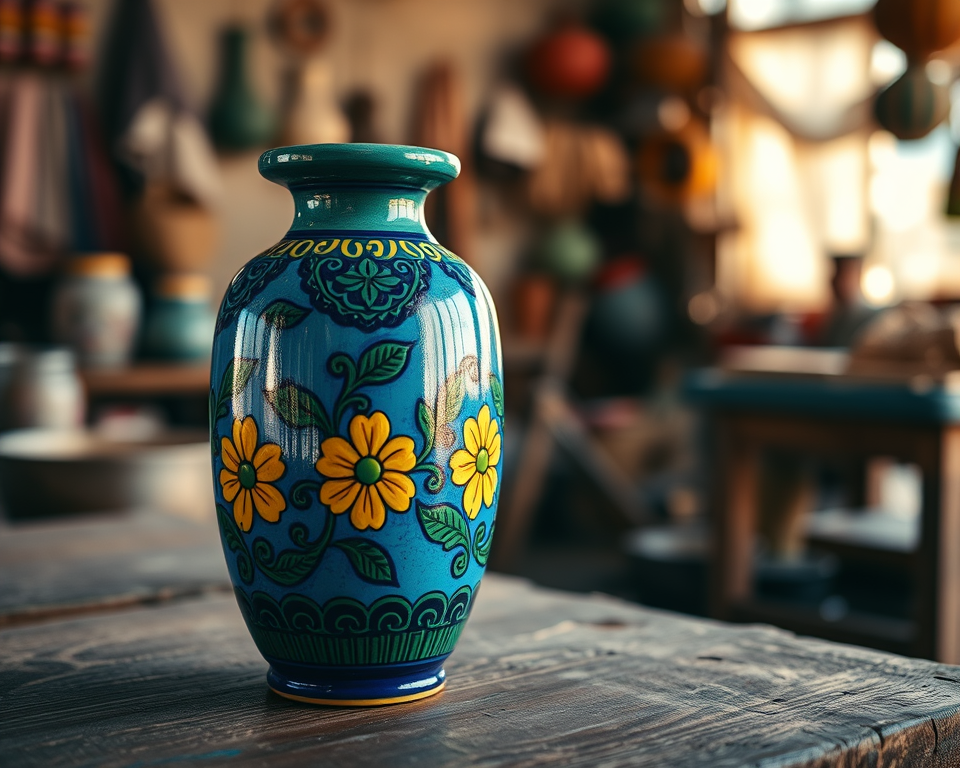
You know that feeling when you’ve just stumbled upon something truly remarkable? That’s exactly what happened to me when I first encountered Khurja pottery. This vibrant and diverse art form isn’t just about beautifully crafted ceramics; it’s a window into the heart of Indian culture. Trust me, once you’re clued in, you’ll look at pottery forever differently. Let’s talk about what makes Khurja pottery so fascinating and why it deserves a spot in your cultural repertoire.
Table of Contents
- 1 Key Takeaways
- 2 The Rich History of Khurja Pottery
- 3 The Crafting Process of Khurja Pottery
- 4 Distinct Features of Khurja Pottery
- 5 The Cultural Relevance of Khurja Pottery
- 6 Trends and Future of Khurja Pottery
- 7 Frequently Asked Questions
- 7.1 What materials are primarily used in Khurja pottery?
- 7.2 How does Khurja pottery differ from other Indian pottery styles?
- 7.3 Are there specific challenges faced by Khurja pottery artisans today?
- 7.4 Can you explain the significance of floral and geometric patterns in Khurja pottery?
- 7.5 What are the eco-friendly practices being adopted in Khurja pottery?
- 7.6 How can one engage with or support the Khurja pottery community?
- 7.7 What role do pottery festivals play in cultural preservation?
- 7.8 How has globalization impacted Khurja pottery craftsmanship?
- 7.9 What steps are being taken to ensure the revival of traditional pottery techniques?
- 7.10 How can individuals learn pottery-making skills similar to those used in Khurja?
Key Takeaways
- Khurja pottery has a rich historical backdrop, shaped by various cultural influences over centuries.
- The crafting process combines traditional techniques with unique local materials, making every piece a story in itself.
- Khurja pottery serves a significant role in festivals and celebrations, embodying communal traditions.
- Current trends lean towards eco-friendly practices in pottery, catering to modern sensibilities while honoring craftsmanship.
- Getting to know the artisans adds a personal touch to your appreciation of Khurja pottery—it’s not just art; it’s community.
The Rich History of Khurja Pottery
Let’s start with the roots of Khurja pottery. You can’t fully appreciate the art without understanding its history. This craft has been blossoming for centuries in Khurja, a town located in Uttar Pradesh, India. From the 14th century onwards, skilled artisans began to create unique ceramic pieces that reflected not just artistic flair but historical significance too.
Origins and Evolution
Khurja pottery’s journey is intertwined with various historical phases, showcasing traditional methods passed down through generations. Originally, the potters here were influenced by Mughal styles, which brought forth ornate designs and intricate detailing. Over time, you can see how local artisans adapted these techniques, creating something distinctly their own. This evolution is quite the story—one shaped by the hands of artisans who faced socio-political changes and economic fluctuations but remained steadfast in their craft.
Major Historical Phases
Several key phases mark the history of Khurja pottery. The Mughal influence is the most notable. If you’ve ever marveled at exquisitely intricate floral designs on pottery, you can thank those royal patrons who adored such artistry. Then came the colonial era, where local artisans had to grapple with changes in demand and market dynamics. But the real hero tale emerges post-independence, with a renaissance of sorts for the craft—artisans took pride in their heritage, reviving the art form as a declaration of cultural identity.
The Crafting Process of Khurja Pottery
Now, let’s get into the nitty-gritty of how this pottery is crafted. If you’ve ever wondered what goes into creating these stunning pieces, you’re in for a treat. The process is not just a method; it’s an art form reflecting passion and traditional knowledge.
Traditional Techniques and Materials
Artisans typically start with locally sourced clay that’s just perfect for crafting. The clay then undergoes a preparation phase—think of it as the potter’s warm-up, where they mold it into the desired shape. Various natural materials are used for glazing; these aren’t just pretty colors—they come from the earth itself, embodying sustainability. Imagine using eco-friendly glazes that not only beautify the piece but also represent the community’s commitment to the environment.
Step-by-Step Pottery Making
Ever tried your hand at pottery? It’s far trickier than it looks!
Pottery Preparation: Artisans knead the clay to eliminate air pockets and ensure uniform consistency.
Wheel Throwing: Many potters use a wheel, but hand-building techniques are also popular. It’s fascinating to see how different techniques yield varied results!
Firing Process: Once shaped, the pieces are fired in kilns. It’s literally the moment of truth—this step solidifies everything.
Decoration Approaches: Finally, the fun part! Artisans embellish their creations with colorful hand-painted designs, often reflecting cultural motifs or personal stories.
“Every piece tells a tale—it’s more than just ceramics; it’s about connecting with tradition.”
Distinct Features of Khurja Pottery
Now you’re probably itching to know what sets Khurja pottery apart. Believe me, it’s the little details that pack the biggest punch!
Common Patterns and Designs
If you’ve seen Khurja pottery, the first thing that strikes you is the unique designs. These pieces are adorned with colorful, vibrant patterns that often feature floral and geometric designs. It’s interesting to note that each pattern can tell a different story or symbolize various cultural elements. From hues of blue to splashes of red, every color palette gives the pottery its distinctive character.
Comparison with Other Pottery Styles
When you stack Khurja pottery up against other regional styles, its artistic diversity really shines. Just think of Rajasthani ceramics, which usually showcase intricate carvings, or the terracotta pots from Bengal—beautiful in their own right but with a completely different feel. While Indian pottery as a whole shares common roots grounded in community and craftsmanship, Khurja stands out for its vibrant colors and artistic flair.
Here’s a table to help you visualize the differences:
| Pottery Style | Key Features | Distinctive Characteristics |
|---|---|---|
| Khurja Pottery | Bright glazes, floral designs | Vibrant colors, hand-painted |
| Rajasthani Ceramics | Intricate carvings, earthy tones | Traditional motifs, such as peacocks |
| Bengali Terracotta | Raw textures, clay finish | Natural look, often rustic |
The Cultural Relevance of Khurja Pottery
Alright, let’s talk about why Khurja pottery matters beyond just looking good. This art form is woven into the very fabric of Indian culture, making it a vital aspect of community identity and heritage.
Role in Indian Festivals and Traditions
These pieces aren’t just for show; they play a significant role in Indian festivals and rituals. Ever been to an Indian wedding? There’s often beautifully crafted pottery incorporated into the decor—it adds a cultural flair that’s hard to miss. These ceremonial pottery pieces can carry cultural significance, representing blessings and auspiciousness.
Artisan Community and Its Impact
And we can’t forget the artisans! These individuals are not just crafters; they are the lifeblood of the community. Their stories reflect resilience and dedication. Many artisans belong to networks focused on sustainable livelihoods, ensuring that traditional techniques aren’t lost. It’s a movement of community empowerment, elevating craftsmanship while ensuring its survival for future generations. It gives you a warm feeling, right?
“Artisan stories enrich the experience—knowing the person behind the piece connects us to the culture.”
Trends and Future of Khurja Pottery
So, what’s in store for the future of Khurja pottery? Let’s explore current trends shaping this age-old craft.
Current Revival Efforts
It’s encouraging to see grassroots movements propelling Khurja pottery into the spotlight. Local workshops are popping up, promoting artisan development and cultural heritage. These initiatives offer hands-on experiences, making pottery accessible to a new generation. This resurgence not only honors the craft but revitalizes local economies as well.
Eco-Friendly Practices in Pottery
And speaking of the future, have you noticed the growing emphasis on being eco-conscious? That trend has made its way into pottery too! Many artisans are now opting for sustainable materials and environmentally friendly techniques, reducing their carbon footprint while still producing breathtaking pieces. Imagine owning a stunning vase that’s also kind to the earth!
In Closing
Khurja pottery isn’t just a collection of beautifully designed items; it’s a narrative steeped in history and culture. Each piece is a testament to craftsmanship, community, and tradition. So whether you’re decorating your home or just appreciating the beauty of this art form, remember that every piece holds a story waiting to be shared. The vibrant colors, intricate patterns, and the spirit of the artisans behind them make Khurja pottery truly something special. Now, it’s your turn—dive into this world and unearth the beauty of Khurja pottery for yourself!
Frequently Asked Questions
What materials are primarily used in Khurja pottery?
Khurja pottery is primarily made from locally sourced clay, known for its fine quality. Artisans often use natural glazes derived from minerals to achieve the distinctive colors and textures associated with this pottery. These materials contribute to its sustainability and cultural significance.
How does Khurja pottery differ from other Indian pottery styles?
Khurja pottery is recognized for its vibrant colors and intricate hand-painted designs, which distinguish it from other regional styles such as Rajasthani ceramics. The artistic motifs and cultural influences reflect the local heritage, making each piece unique in its representation of Indian craftsmanship.
Are there specific challenges faced by Khurja pottery artisans today?
Yes, artisans face challenges such as competition from mass-produced ceramics, limited access to modern marketing channels, and the need for sustainable practices amidst a changing environmental landscape. Addressing these issues is crucial for the preservation of their craft and community livelihoods.
Can you explain the significance of floral and geometric patterns in Khurja pottery?
Floral and geometric patterns hold cultural and historical significance, often symbolizing nature, spirituality, and traditional values. These designs reflect the artisan’s identity and local aesthetics, serving not only as decorative elements but also as storytelling mediums through their pottery.
What are the eco-friendly practices being adopted in Khurja pottery?
Artisans are increasingly focusing on eco-friendly practices such as using natural materials, minimizing waste during production, and employing traditional methods that have lower environmental impacts. Initiatives aimed at promoting sustainable crafting ensure that the artisan community can thrive while protecting the environment.
How can one engage with or support the Khurja pottery community?
Supporting the Khurja pottery community can be done by purchasing authentic pieces directly from artisans, attending local workshops, or participating in pottery festivals. Engaging with educational programs helps promote awareness and appreciation of their craft.
What role do pottery festivals play in cultural preservation?
Pottery festivals serve as a platform for artisans to showcase their work, promote traditional techniques, and educate visitors about their cultural significance. These events foster community solidarity and highlight the importance of preserving Khurja pottery as part of India’s rich cultural heritage.
How has globalization impacted Khurja pottery craftsmanship?
Globalization has introduced new markets for Khurja pottery, allowing artisans to reach wider audiences. However, it also poses challenges, such as the influx of cheaper, mass-produced substitutes. The balance between embracing global trends and preserving traditional practices is essential for the craft’s survival.
What steps are being taken to ensure the revival of traditional pottery techniques?
Current revival efforts include workshops aimed at educating new artisans about traditional techniques, alongside government and NGO initiatives promoting local crafts. Community projects focusing on skill development help ensure that the artistry and heritage of Khurja pottery continue to thrive.
How can individuals learn pottery-making skills similar to those used in Khurja?
Individuals interested in learning Khurja pottery techniques can enroll in workshops offered by local artisans or participate in community classes. Online resources, tutorials, and hands-on experiences in pottery studios are also excellent ways to grasp the basics and develop skills in this beautiful craft.
