
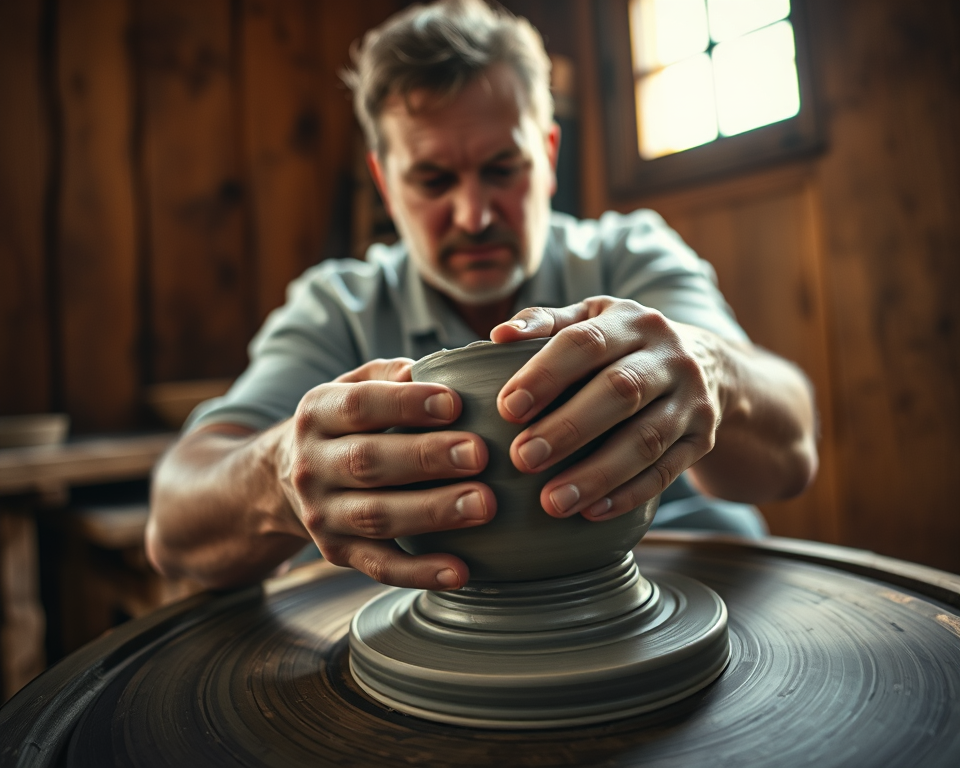
I’ve always been fascinated by pottery—there’s something almost magical about how a lump of clay can become a beautifully crafted piece of art or a functional bowl for dinner. Isn’t it wild to think about the history behind those creations? The journey of pottery takes us back thousands of years, across different cultures and continents, and each piece tells a story of human creativity and expression. If you’re like me, you want to know where this incredible craft began and how it evolved into what we see in studios and museums today.
Table of Contents
- 1 Key Takeaways
- 2 The Historical Journey of Pottery
- 3 Significant Archaeological Sites
- 4 Geographic Influences on Pottery Development
- 5 Ancient Civilizations and Their Pottery Contributions
- 6 Modern Influences and Revival of Traditional Pottery
- 7 Pottery Techniques Through the Ages
- 8 The Modern Pottery Scene
- 9 Frequently Asked Questions
- 9.1 What materials were typically used in ancient pottery, and how did they vary by region?
- 9.2 How did pottery techniques evolve across different civilizations?
- 9.3 What are some significant archaeological discoveries related to pottery?
- 9.4 How do modern pottery techniques differ from ancient methods?
- 9.5 Why is pottery considered a significant cultural artifact?
- 9.6 What is the role of pottery in contemporary art and culture?
- 9.7 How does cultural exchange influence pottery styles across different regions?
- 9.8 What are some resources for learning pottery-making techniques today?
- 9.9 How do traditional pottery styles impact modern design?
- 9.10 What are the environmental considerations in pottery production?
Key Takeaways
- Pottery emerged in the Neolithic period, a significant time for early human settlements.
- Significant archaeological sites across the globe show how pottery developed uniquely in various cultures.
- The materials, techniques, and cultural significance of pottery vary widely, offering a rich narrative of human history and connection.
- Modern pottery still celebrates traditional methods while embracing contemporary innovation, keeping the craft alive and relevant.
The Historical Journey of Pottery
When we think of pottery, we often think of pretty vases or functional dishes—like my favorite set from Le Creuset. But trust me, the story of pottery is so much deeper. Pottery has been a cornerstone of human civilization, shaping our cultures and lives long before Instagram came around to glamorize it.
The history of pottery goes way back, to around 29,000 BC, when early humans created the first known pottery artifacts in Japan. Fast forward to the Neolithic period, roughly around 10,000 BC, when humanity began transitioning from nomadic lifestyles to settled farming communities. Pottery became a tool for these communities, enabling them to store food and cook meals. Isn’t it intriguing how something so simple could play such a pivotal role in our evolution?
The Emergence of Early Pottery
Think about it for a second—what if I told you that the earliest pottery was hand-formed, and often quite utilitarian? As humans refined their techniques over centuries, pottery began to take on artistic qualities reflecting the sociocultural developments of the time.
During this prehistoric time, humans weren’t just shaping clay; they were also shaping their communities and traditions. Pottery was often used to create functional items, but it also served an artistic purpose. Imagine the first ancient potters, clutching their handmade pieces, filled with pride for their creations!
“Early pottery wasn’t just about utility; it was a canvas for artistic expression, weaving stories into the fabric of daily life.”
Significant Archaeological Sites
Now, let’s turn to some of the places where we can still see remnants of this ancient craft. Archaeological excavations around the world have uncovered stunning pottery finds that speak volumes about their creators.
One of the most notable locations is Çatalhöyük in Turkey. Here, archeologists found some of the earliest pottery dating back to 7500 BC. It’s a brilliant example of how pottery was integral to the community, with many decorated vessels unearthed alongside shrines! The vibrant colors and intricate designs tell us that people weren’t just making functional items; they were also pouring their hearts into their craftsmanship.
In ancient Mesopotamia, the advent of pottery was heavily influenced by agriculture. As grains were cultivated, the need for storage vessels grew. Pottery shards from this era show that Sumerians used clay to craft elaborate designs, and what’s even cooler? They invented the potter’s wheel around 3500 BC, forever changing the game!
| Archaeological Site | Location | Notable Pottery Features | Date Range |
|---|---|---|---|
| Çatalhöyük | Turkey | Early decorated vessels, functional items | 7500 BC |
| Ancient Mesopotamia | Iraq | First use of the potter’s wheel, intricate designs | 3500 BC |
| Indus Valley | Pakistan/India | Terracotta seals and painted pottery | 2500 BC |
| Nazca Valley | Peru | Unique techniques, colorful ceramics | 100 BC – 800 AD |
Geographic Influences on Pottery Development
As we travel across continents, you’ll notice that geography has played a vital role in shaping regional pottery styles. Each region offered distinct materials and techniques, leading to the evolution of unique pottery traditions.
Take, for example, the clay from the Mediterranean region, which is rich in minerals and perfect for ceramics. Ancient cultures utilized local clay resources to their advantage, leading to the development of a wide range of pottery forms and styles.
Pottery Across Continents
Pottery practices vary dramatically across different regions, reflecting local aesthetics and functional needs. In Asia, for instance, we have Chinese ceramics, which have become synonymous with artistry and elegance. Early dynasties, like the Han (206 BC – 220 AD), featured exquisite glazed pots that could rival modern art pieces—you can see some of these in museums like The Met.
In Africa, pottery traditions are deeply rooted in community rituals. For example, the Zulu people in South Africa produce beautiful hand-formed pots, often decorated with intricate patterns that carry significant cultural meanings. It’s fascinating how these pieces serve as vessels not just for storing food, but as symbols that connect generations.
On the flip side of the globe, American indigenous cultures showcase equally rich traditions. The Ancestral Puebloans crafted stoneware and decorated pottery that blend functionality with artistry, often depicting their stories and beliefs.
“Pottery is like a travel postcard from different cultures, telling us about their journeys and values.”
Cultural Significance of Pottery
Let’s not forget about the cultural significance of pottery. Apart from being functional, pottery played a key role in rituals and community interactions. Many societies would create special pieces for legal or ceremonial events.
For instance, in ancient Greece, pottery wasn’t just for holding wine; it depicted mythological tales that were central to their culture. Vases adorned with intricate scenes of gods and heroic feats served both practical and narrative purposes, making them true pieces of art.
In modern times, the role of pottery hasn’t faded. Pottery remains vital in cultural celebrations. Handcrafted bowls, mugs, and plates often find their way into rituals, fostering a sense of community and continuity.
Notable Cultures in Pottery History
Let’s spotlight a few cultures that had an undeniable impact on the world of pottery. The ancient Egyptians, for example, connected pottery intricately with their burial practices. Their ceramics included beautifully painted canopic jars that held the organs of mummies—they believed these jars would help guide the deceased in the afterlife.
Turning to the dynamic styles of Greek pottery, the famous black-figure and red-figure techniques completely changed the visual narrative of pottery. Greek artisans were skilled in capturing mythological and everyday scenes, enabling us to visualize their world long after it faded away.
A melting pot of innovation, Chinese ceramics evolved through centuries, revolutionizing pottery techniques globally. The iconic blue and white porcelain of the Ming dynasty (1368–1644) became a highly sought-after commodity and still fascinates collectors around the world today.
| Culture | Notable Contributions | Key Characteristics |
|---|---|---|
| Ancient Egyptians | Canopic jars, functional & ceremonial | Elaborate decoration, religious significance |
| Ancient Greeks | Black- and red-figure pottery | Narrative storytelling, artful designs |
| Chinese Cultures | Blue and white porcelain | Intricate patterns, refinement in technique |
| Indigenous Peoples | Functional pottery with cultural symbols | Handcrafted, storytelling through decoration |
Ancient Civilizations and Their Pottery Contributions
Now, let’s take a closer look at some ancient civilizations that truly shaped the world of pottery. The Sumerians were among the pioneers, developing vibrant decorative techniques and contributing significantly to the potter’s wheel invention. The speed and precision offered by the wheel helped elevate pottery craftsmanship.
Meanwhile, Mesoamerican cultures, like the Maya and Aztec, created pottery that was both functional and ceremonial. They focused on complex designs and vibrant colors, often using techniques passed down through generations. These cultures valued their pottery not just as tools but as artifacts that connected them to their sacred beliefs and social structures.
The Indus Valley Civilization (2500–1900 BC) showcased incredible craftsmanship with their painted pottery and intricate terracotta seals. These artifacts provide insights into their trade and community practices, making them a hot topic among archaeologists.
Lastly, let’s not forget the Romans. Their innovations in creating utilitarian pottery helped meet the needs of their vast empire. They developed mass production techniques, leading to a diversity of pottery forms, from amphorae for transportation to beautiful tableware.
Modern Influences and Revival of Traditional Pottery
Fast-forwarding to the present, it’s clear that pottery continues to thrive and evolve. Today’s potters often pay homage to traditional methods while experimenting with new techniques and materials. Have you checked out brands like Etsy’s artisan pottery? Many modern potters incorporate vibrant glazes and unique textures, giving new life to the ancient craft.
At the same time, there’s a growing revival of traditional practices worldwide. Pottery workshops are popping up everywhere, catering to both seasoned artisans and curious newcomers. Whether it’s the resurgence of interest in Native American pottery or contemporary interpretations of ancient styles, these innovators breathe new life into age-old techniques.
One exciting trend is the fusion of traditional and modern methods. Artists are collaborating, mixing styles from different cultures to create something that resonates today while paying tribute to the past. For instance, workshops often feature raku firing techniques or smoke firing, linking ancient practices with modern aesthetics.
“Pottery isn’t a thing of the past; it’s alive, evolving, and telling new stories.”
Pottery Techniques Through the Ages
Now, let’s break it down—what about the actual techniques used by potters? You might think it’s all about shaping clay, but there’s so much more to it.
In its earliest form, pottery was hand-built using techniques like pinching and coiling. These methods allowed artisans to create vessels without the need for a wheel. As societies advanced, so too did their pottery methods. The invention of the potter’s wheel changed the game and enabled the production of symmetrical forms.
Then came the firing methods, which evolved over the ages too! In different cultures, potters explored various firing techniques, from open fires to enclosed kilns.
Here’s where things get really interesting—glazing techniques! The ability to create stunning, colorful finishes on pottery often depended on local materials. For example, some ancient cultures mastered the use of ash glazes, while others experimented with intricate slipware.
Common Materials Used in Ancient Pottery
What about the materials that make up these amazing creations? Ancient potters primarily used local clay, but they’d often add mineral additives or adjust their recipes based on regional resources.
- Stoneware clay: Known for its strength and durability, perfect for versatile pottery.
- Earthenware: A more porous clay, which is great for colorful glazes but not as durable—think of those beautiful but fragile pots!
- Porcelain: The pinnacle of pottery in many cultures, valued for its fineness and translucence.
Through experimentation, potters developed an understanding of their materials, leading to unique results that reflected their environments and craftsmanship.
Technological Advances in Pottery Making
As time marched on, so did the technology behind pottery making. Take the kiln, for example! The development of more efficient kilns allowed potters to fire their wares at higher temperatures, increasing the strength of their ceramics and reducing breakage.
In the context of modern pottery, we see amazing innovations such as electric kilns that make pottery accessible to hobbyists and professionals alike. The introduction of 3D printing in pottery has also opened up avenues we never imagined. Artists now blend traditional techniques with cutting-edge tech, resulting in stunning designs that continue to challenge perceptions of pottery.
The Modern Pottery Scene
Today’s pottery scene is vibrant and full of energy. Whether you’re an experienced potter or just dipping your toes into the clay, there’s something here for everyone. Local artisans now sell handcrafted pieces on platforms like Etsy, providing a space for unique, personal creations.
Bridging the Old and New in Pottery
The interplay between traditional crafts and modern styles is often highlighted in workshops around the country. Whether it’s through creating pottery showing ancient forms or combining styles from different cultures, there’s a rich dialogue happening among artists. It’s about preserving heritage while embracing innovation.
In many communities, pottery becomes a medium for cultural dialogue. Artists often tell their stories through their work, bridging gaps between ancient practices and modern interpretations. This blending creates a beautiful tapestry of artistry and heritage.
Engaging with Pottery’s Rich Heritage
So what can you do to engage with this vibrant world of pottery? For those who want to explore, many pottery studios and organizations offer hands-on pottery classes, teaching the basics of throwing on the wheel or handbuilding. Plus, you can connect with pottery enthusiasts in your area to share tips, techniques, and maybe even collaborate on projects!
There’s something deeply fulfilling about creating something with your own two hands, and pottery offers that opportunity. Engaging with this craft opens up avenues to connect with others, dive deeper into history, and express your creativity. Whether you’re molding clay or admiring community artisans, every interaction with pottery enriches our understanding of human expression.
Frequently Asked Questions
What materials were typically used in ancient pottery, and how did they vary by region?
Ancient pottery was primarily made from local clay, including earthenware, stoneware, and porcelain. Different regions used available minerals and organic materials to enhance the clay’s workability. For example, while ancient Chinese potters used kaolin for porcelain, Mesoamerican cultures often mixed clay with volcanic ash for durability.
How did pottery techniques evolve across different civilizations?
Pottery techniques evolved as civilizations interacted and exchanged ideas. Innovations ranged from the introduction of the potter’s wheel in Mesopotamia to glazing techniques developed in China. Each culture built upon previous knowledge, leading to distinct styles and advancements, like the use of high-fire ceramics in Europe during the Renaissance.
Significant archaeological discoveries include the Venus of Dolní Věstonice, a 29,000-year-old figurine, and the pottery shards found in Çatalhöyük, Turkey, which provide insight into Neolithic life. These artifacts reveal not only artistic expression but also everyday life and trade practices of ancient peoples.
How do modern pottery techniques differ from ancient methods?
Modern pottery techniques often involve advanced technology, such as electric kilns and computerized glazing methods, which improve efficiency and precision. However, many potters today also embrace traditional hand-building and wheel-throwing techniques, blending old and new to create unique works that honor artistic heritage.
Why is pottery considered a significant cultural artifact?
Pottery serves as a vital cultural artifact due to its role in daily life, rituals, and artistic expression. It provides archaeologists with insights into the social structures, trade practices, and technological advancements of ancient civilizations, illustrating a civilization’s identity and cultural evolution.
What is the role of pottery in contemporary art and culture?
In contemporary art, pottery transcends functionality, becoming a medium for personal expression and cultural storytelling. Artists use ceramics to explore themes of identity, environmental concerns, and cultural heritage, often participating in workshops and exhibitions that highlight the importance of craftsmanship in modern society.
How does cultural exchange influence pottery styles across different regions?
Cultural exchange plays a crucial role in shaping pottery styles, as trade routes and migration spread techniques and ideas. For example, the influence of Persian ceramics on European pottery styles illustrates how the sharing of methods and aesthetics can lead to innovation and new artistic movements.
What are some resources for learning pottery-making techniques today?
There are numerous resources available for those interested in pottery-making, including online tutorials, local community colleges, and pottery workshops. Joining pottery clubs or attending ceramic art exhibitions can also provide hands-on experience and connect you with experienced artisans who can offer guidance.
How do traditional pottery styles impact modern design?
Traditional pottery styles inspire modern design by emphasizing functionality and aesthetic beauty. Contemporary designers often draw from cultural motifs and historical techniques, leading to a fusion of traditional craftsmanship with modern sensibilities, seen in everything from tableware to decorative installations.
What are the environmental considerations in pottery production?
Modern pottery production increasingly focuses on sustainability, with potters seeking eco-friendly materials and processes. Utilizing local clays, reducing waste through efficient practices, and exploring alternative firing methods help minimize the environmental impact, ensuring that pottery remains an art form that respects nature.
