
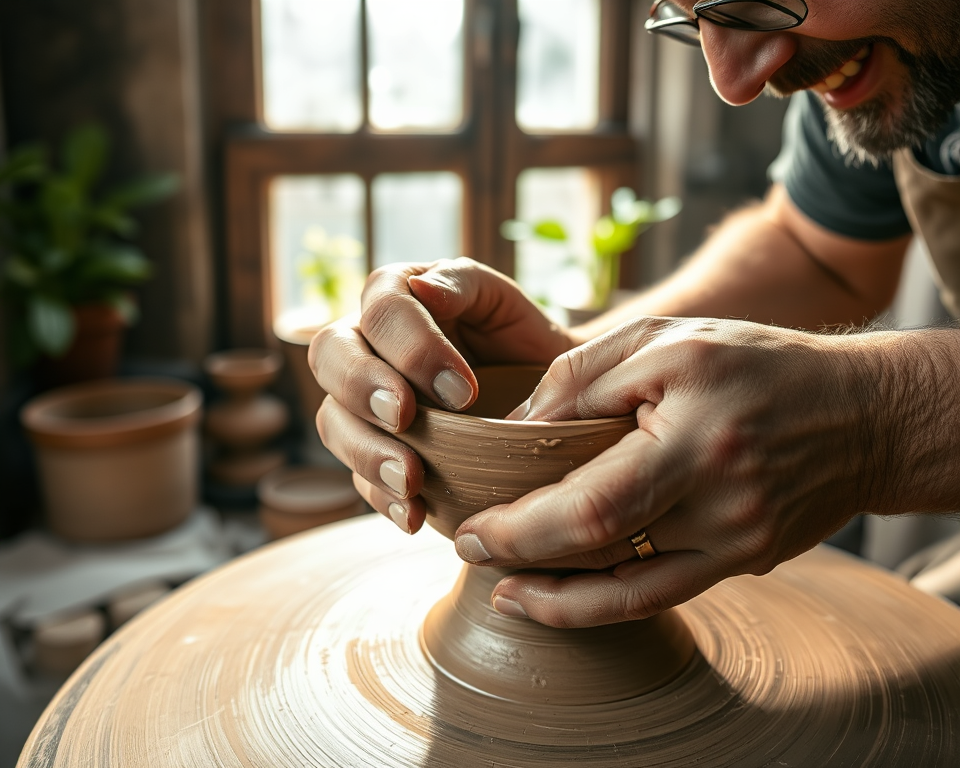
I’ve had my fair share of clay-covered hands and the satisfaction of creating something out of nothing. But hey, let’s get real—if you’re like me, you’re probably wondering: Is it worth it? Can you actually make a sustainable income as a pottery maker? Well, pull up a chair, my friend; let’s get into the nitty-gritty of pottery earnings, stories from potters, and what you can expect if you want to dip your toes into this creative pool.
Table of Contents
- 1 Key Takeaways
- 2 Average Earnings of Pottery Makers
- 3 Factors Affecting Income
- 4 Job Outlook and Opportunities
- 5 Conclusion
- 6 Frequently Asked Questions
- 6.1 What is the average starting salary for an entry-level pottery maker?
- 6.2 How can I increase my earnings as a potter?
- 6.3 What are the main expenses associated with running a pottery business?
- 6.4 How does the selling platform affect pottery sales?
- 6.5 Are there specific skills that can improve my income as a potter?
- 6.6 What factors should I consider when pricing my pottery?
- 6.7 How important is social media for promoting pottery?
- 6.8 What are some common challenges faced by pottery makers?
- 6.9 What career paths exist for potters beyond making pottery?
- 6.10 How do freelance potters find work?
Key Takeaways
- Average earnings for pottery makers can vary wildly based on location, sales methods, and experience level.
- Many potters work either full-time or part-time, affecting overall income and stability.
- Factors like skills, sales channels, and market dynamics greatly influence how much you can bring home.
- Stories from real potters reveal the highs and lows, making the potential journey both thrilling and daunting.
Average Earnings of Pottery Makers
Let’s start with the basics—the money. If you think you might want to turn your pottery passion into profits, you’re probably wondering just what the average pottery maker salary looks like.
National Salary Overview
According to various industry reports, the average pottery maker earns around $30,000 to $50,000 annually. But wait—here comes the fun part! This number can slide up or down based on where you’re making your art. Potters in big cities often rake in more due to higher market demand and prices. For instance, a full-time potter working in New York can easily see earnings reach $60,000 or more, while those in smaller towns might bring in closer to $25,000.
| State | Average Salary |
|---|---|
| New York | $60,000 |
| California | $55,000 |
| Texas | $45,000 |
| Florida | $35,000 |
| Illinois | $30,000 |
As you can see, there’s a pretty significant earnings variation based on geography. If you’re thinking of relocating or setting up shop in a new area, this data can help you map out your financial plan.
Comparison with Related Professions
So, how does a pottery maker stack up against similar professions? Let’s take a look at the income comparison for artists in the ceramics field.
Ceramic artists and sculptors often earn in a similar range, with salaries bouncing around $40,000 to $55,000. However, potters tend to have a more hands-on approach to their work, crafting pieces that might be sold at lower prices in local markets. Remember, if you can diversify your income by also teaching pottery classes, giving demonstrations, or even launching an e-commerce shop, the sky’s the limit!
“Being a potter isn’t just about making things; it’s about creating experiences and connections.”
Factors Affecting Income
Now that we have a snapshot of earnings, let’s explore the factors that influence pottery incomes.
Experience and Skill Level
The potter skill level plays a huge role. Newbies might struggle to make significant cash, earning around $20,000 in the first few years. But here’s the table we need:
| Experience Level | Estimated Earnings |
|---|---|
| Entry-level | $20,000 – $30,000 |
| Mid-level (3-5 years) | $35,000 – $50,000 |
| Experienced (5+ years) | $50,000 – $70,000 |
Jumping into the game with the right training can make all the difference. Investing in pottery workshops, or classes, or even investing in your own materials early on can boost your skill—and your income potential down the road.
Selling Methods and Market Dynamics
Let’s talk about where and how you sell your pottery—this can be a massive game changer. Some potters set up successful online platforms on Etsy or create a personal website, while others might focus on local craft fairs or galleries.
I know potters who love hitting local markets on weekends, pulling in $150 to $300 for a day’s work selling their wares. Meanwhile, going the e-commerce route could mean mixed results; it often requires marketing savvy and a good grasp of customer engagement.
“You have to find your tribe, whether it’s in person or online. Both are equally important.”
Navigating the sales channels can affect how much you earn. Prices will differ; for instance, a typical mug might sell for $25 in a local market but go for $15 online due to higher competition and the added shipping cost.
Job Outlook and Opportunities
What about the future? Is pottery a path worth pursuing?
Freelancing vs. Traditional Employment
Some potters choose to freelance, while others may prefer traditional employment in a ceramics studio or art school. Freelancing allows for flexibility and creativity, yet comes with its own ups and downs—think income variability versus a steady paycheck.
Many freelancers report earning anywhere from $25/hour to $60/hour depending on their niche and skills. But it’s not all about the dough. The freedom to create and express yourself can be worth any monetary sacrifices.
Here’s a quick breakdown of the potential earnings in both avenues:
| Employment Type | Average Hourly Rate |
|---|---|
| Freelance Pottery Maker | $25 – $60 |
| Studio/Firm Pottery Maker | $15 – $30 |
Think about what suits your lifestyle. If you’re trying to build your brand, freelance could be your jam. If you want more security while honing your craft, maybe a studio position is right for you.
Real-Life Earnings Stories
I don’t think there’s a better way to grasp the reality of pottery income than hearing from those who live it. Let’s check out some potters’ journeys.
Case Studies of Successful Pottery Makers
One potter I know, let’s call her Sarah, turned her hobby into a thriving business after her pottery spent two years in her attic. She started attending local art fairs and now earns around $50,000 a year.
Then there’s Mark, who focuses on baking dishes. He sells his products online and has managed to scale up to $80,000 annually. His secret? Using social media to showcase his work, driving traffic to his Etsy store. His stunning Instagram posts of his hand-thrown bowls are killin’ the game!
What amazes me is the variety of paths potters can take. They often share their tips for success—networking is key, being active on social media helps a ton, and not undermining the power of word-of-mouth can build a solid customer base.
“Every pot I sell is a part of my journey. It’s not just about the money; it’s about sharing my art with the world.”
Lessons Learned from Pottery Makers
From what I’ve gathered, here are a few golden nuggets of wisdom that all potters seem to echo:
Invest in quality materials. The initial investment pays off when your pieces gain a reputation for being of high quality. Think high-fire clay pots or premium glazes—sure, they might cost a bit more but will yield better results.
Follow industry trends. People love the trendy “boho” style right now—stuff like speckled glazes and rustic designs are hot cakes!
Always promote yourself. Create an online presence—social platforms like Instagram and Pinterest allow you to display your work and create dedicated pottery fans.
All these tips can help you navigate your financial journey and find your groove.
Emotional Triggers and User Frustrations
If there’s one thing I know about people diving into pottery, it’s the fear of under-earning. This fear exists because artistry can sometimes feel like such a huge leap! You may love creating, but are you worried about how that translates to your bank account?
People tend to get frustrated when they see vague earnings reports with no real numbers. They want cold, hard facts to ground their fears. That’s why I make sure to share sobering stories and data that show you both the highs and lows, lending some clarity to the foggy waters of income potential in pottery.
“It’s normal to feel nervous about money, but remember—passion can pay off. Just keep crafting and shifting your approach.”
Conclusion
Now that we’ve explored pottery income from all angles, I hope you feel more equipped to make informed decisions about your creative career. Whether you’re considering jumping into this world full-time or keeping it as a beloved hobby, knowing the lay of the land helps you navigate your path.
There’s room for all sorts of potters—just keep your heart in your work, your eyes on the market, and your hands firmly on that clay!
Frequently Asked Questions
What is the average starting salary for an entry-level pottery maker?
The average starting salary for an entry-level pottery maker typically ranges from $25,000 to $35,000 per year. Factors like geographical location and whether the potter creates pottery full-time or part-time can significantly influence initial earnings.
How can I increase my earnings as a potter?
To increase your earnings as a potter, consider diversifying your income streams. This could include offering pottery classes, participating in craft fairs, or selling your work online through platforms like Etsy. Marketing your brand effectively can also enhance visibility and sales.
What are the main expenses associated with running a pottery business?
Running a pottery business involves several expenses, including materials (clay, glazes), equipment (kilns, wheels), overhead (studio rent, utilities), and marketing costs. Understanding these expenses helps in budgeting and pricing your pieces appropriately.
How does the selling platform affect pottery sales?
Selling platforms can greatly impact pottery sales. For example, local craft fairs allow for direct interaction with customers, potentially leading to higher sales and brand loyalty. In contrast, online platforms may reach a broader audience but require understanding SEO and digital marketing.
Are there specific skills that can improve my income as a potter?
Yes, improving skills such as glaze formulation, advanced throwing techniques, or sculptural work can enhance the quality and uniqueness of your pottery. Continuous learning through workshops or online courses can lead to higher-quality products and increased sales.
What factors should I consider when pricing my pottery?
When pricing your pottery, consider the cost of materials, time spent creating the piece, overhead expenses, and the prices of similar items in the market. It’s essential to ensure your price reflects the quality and craftsmanship involved while remaining competitive.
Social media is crucial for promoting pottery, as it allows potters to showcase their work, connect with potential customers, and build a brand community. Platforms like Instagram and Pinterest are especially effective for visual art, enabling potters to reach a wider audience.
What are some common challenges faced by pottery makers?
Common challenges include competition with mass-produced items, fluctuating material costs, and seasonal sales variations. Additionally, balancing the creative aspects of pottery with the business side can be challenging for many artisans.
What career paths exist for potters beyond making pottery?
Beyond creating pottery, potters can pursue career paths in teaching, art therapy, or pottery studio management. They may also explore opportunities in ceramic design, restoration, or even writing and blogging about pottery techniques and experiences.
How do freelance potters find work?
Freelance potters can find work through a variety of avenues, including setting up online shops, networking at local art fairs, collaborating with other artists, or offering classes and workshops. Building a strong portfolio and maintaining an active online presence can also attract clients.
