
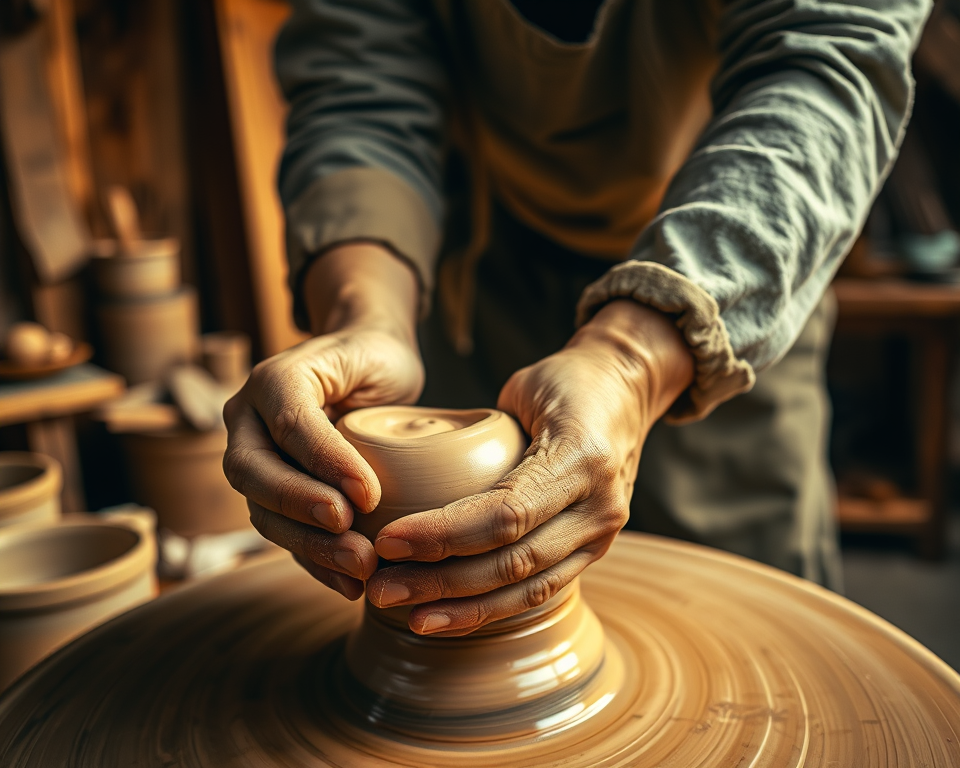
Isn’t it wild how something as simple as molding a lump of clay can elevate your mood? I mean, think about it. When was the last time you felt your stress melt away while creating something with your hands? Pottery isn’t just about crafting beautiful bowls or vases; it’s like a form of therapy that’s waiting for you right at your local studio. Trust me—this isn’t just some artsy mumbo jumbo. There’s real science behind why getting your hands dirty in clay can boost your mental health. Let me share some insights into how pottery can enhance your mental wellbeing effortlessly, and why you should consider joining this creative journey.
Table of Contents
- 1 Key Takeaways
- 2 The Therapeutic Benefits of Pottery
- 3 Exploring Pottery Techniques and Their Benefits
- 4 Community and Connection Through Pottery
- 5 Personal Experiences and Testimonials
- 6 Practical Applications: Pottery in Daily Life
- 7 Frequently Asked Questions
- 7.1 What types of clay are best for beginners in pottery?
- 7.2 How does pottery serve as a therapeutic tool for emotional resilience?
- 7.3 Are there specific pottery techniques that promote mindfulness?
- 7.4 Can pottery classes accommodate different skill levels?
- 7.5 How can community engagement in pottery enhance social connections?
- 7.6 What are some common pottery tools I should know about?
- 7.7 How can I incorporate pottery into my daily self-care routine?
- 7.8 What should I know about glazing techniques in pottery?
- 7.9 How can personal storytelling enhance the pottery experience?
- 7.10 What additional resources can I access to further my pottery skills?
Key Takeaways
- Pottery provides incredible therapeutic benefits that help in stress relief and mindfulness, making it an excellent tool for mental health.
- Engaging in clay modeling not only fosters creative expression but also develops new skills, whether you’re a beginner or a seasoned pro.
- Pottery classes can become a social hub, allowing you to easily connect with like-minded individuals and build lasting friendships.
- Personal stories and testimonials show how pottery has positively impacted many lives, turning a hobby into a crucial part of wellbeing.
- Incorporating pottery into your daily routine can serve as a mindfulness practice that focuses on being present, promoting relaxation and emotional release.
The Therapeutic Benefits of Pottery
You might be wondering how kneading clay can actually help your mental health. Well, let me spill the beans! Pottery is basically a stress relief activity wrapped in fun. When you’re shaping a piece of clay or focusing on the spinning wheel, you’re not just creating; you’re diving into a world where all your worries fade into the background. It acts as a form of creative processing, allowing you to express emotions that you might find hard to articulate otherwise.
For me, pottery became my home base for escaping the daily grind. Just the tactile experience of giving shape to something malleable brought a sense of grounding unlike anything I’d felt before. Plus, there’s something so satisfying about seeing that final product after hours of hands-on work. Just look at my latest piece—a rustic mug that feels like it has a story to tell!
“Creating something with your hands is like a mental reset. You connect with yourself in ways you didn’t know you could.”
The Role of Creativity in Mental Health
Creativity has this incredible power to lift us up, and pottery is one of the best outlets to channel that energy. When we engage in expressive arts, like pottery, we kickstart a domino effect in our minds. It’s all about using creativity as a tool for cognitive restructuring, enabling us to view our problems and emotions through a refreshed lens.
Let’s be honest: our everyday lives can get pretty monotonous. But when you play around with colors, shapes, and techniques in pottery, you ignite a spark of innovation within yourself. And this isn’t just about the finished product; it’s about the journey. Making mistakes while crafting can often lead you to unexpected, beautiful places—kind of like life!
Clay Modeling as a Stress Reliever
One of the best things about making pottery is that you can tailor your experience to what you need at the moment. Need a break? Grab some clay and start kneading. Feeling overwhelmed? Focus on the calming activities involved in shaping and smoothing out the surface of your clay. The repetitive motions can become an almost meditative practice, grounding you in mindfulness practices.
While working on my latest project—a handmade planter—I wanted to embrace the therapeutic aspects fully. I switched on some soft music, put my phone down, and let the world around me vanish. The stress I’d accumulated through the week slipped right out of my fingers as that planter took shape. I often feel a sense of emotional release during such sessions; it’s like a weight has been lifted.
Exploring Pottery Techniques and Their Benefits
Pottery isn’t just one size fits all; it’s a craft full of diverse techniques that can cater to a multitude of preferences. Whether you’re hand-building or using the pottery wheel, there’s something to suit every artistic style.
Techniques for Beginners: Getting Started
You might be hesitant to dive in because you think you need tons of experience to get started. Not true! There are plenty of beginner pottery courses all across the U.S. that can help you shimmy your way into the wonderful world of clay. Think about investing in beginner-friendly tools like the Sculpty Polymer Clay Starter Set ($18.99), which is perfect for those first forays into clay crafting.
But let’s say you’re interested in throwing pots on a wheel. A great wheel to consider is the Shimpo VL-Lite Portable Potter’s Wheel which runs about $289. Its lightweight design makes it easy to use, and it’s perfect for learning the ropes.
“Starting with basic techniques might feel tedious, but trust me, they’re the foundation of all your future projects!”
Advanced Techniques for Growth
Once you’ve started gaining your sea legs in pottery, you’ll want to explore advanced techniques to take your skills to new heights. Glazing, kiln firing, and surface decoration can quickly elevate your work from basic to stunning.
For glazing, I often recommend the Amaco Velvet Underglaze Set ($32.95) for vibrant color options and smooth finishes. You’ll be amazed at how much depth and character each layer of glaze can bring to your pieces!
| Technique | Description | Recommended Tools | Cost Range |
|---|---|---|---|
| Hand-Building | Building forms without a wheel | Basic hand tools | $10-$50 |
| Wheel Throwing | Shaping clay with a wheel | Shimpo VL-Lite Potter’s Wheel | $289 |
| Glazing | Adding color and finish | Amaco Underglazes | $32.95 |
| Firing | Hardening clay in a kiln | Electric Kiln (e.g., Skutt 181) | $800+ |
Aiming for mastery in pottery isn’t just about the art; it’s an intricate blend of mind, body, and soul. Plus, as you advance, the emotional benefits increase. You’re not just creating—you’re narrating your growth.
Community and Connection Through Pottery
Now, let’s chat about one of the biggest perks of pottery: the community aspect. Whether you’re taking a class at a local studio or joining an art fair, you’ll soon discover that pottery brings people together in the most beautiful ways.
Building Relationships Through Pottery Classes
When I first signed up for my pottery class, I was a bit nervous—what if no one wanted to chat? To my pleasant surprise, the environment was supportive and welcoming. Pottery classes often attract a diverse crowd, each person bringing their own flair and storytelling to the table.
There’s magic in shared experiences, and nothing builds rapport quite like getting your hands dirty together. Whether it’s sharing tips on how to avoid cracking, or swapping anecdotal stories about previous projects, you’ll find the connections you build are as rewarding as the pieces you create.
Engaging in Group Projects and Events
You know what’s even cooler? Participating in group pottery events or exhibitions. These experiences are like front-row seats to a gallery of creativity. You can showcase your latest work, chat with fellow potters, and bask in a collective love for this craft.
Local organizations frequently host pottery workshops and community shows. Joining these adventures doesn’t just perk up your social life—it also enhances your creativity. Imagine brainstorming with fellow artists on collaborative projects that lead to amazing new works. The synergy is inspiring!
Personal Experiences and Testimonials
Throughout my pottery journey, I’ve come across countless stories that emphasize how powerful this art form can be. Each tale resonates with the essence of personal development and the incredible emotional impact that creativity can have on one’s life.
Sharing Personal Journeys with Pottery
One of my friends, Sarah, initially took up pottery to escape the daily grind and recharge creatively. Over time, her affinity for the craft blossomed into a new career, focusing on eco-friendly ceramics. She often shares how pottery helped her realign her passions with her career goals:
“Pottery showed me a new side of myself I never knew existed. It’s my outlet for emotional expression and sustainability advocacy.”
Her story is a testament to how engaging in such art frees the mind, allowing for innovative ideas and deep self-discovery.
Testimonials from Art Therapists and Practitioners
Many professionals also champion the role of pottery in mental health. Art therapists routinely utilize pottery as a means of helping clients express complex feelings and work through emotional challenges. Their testimonials reinforce the importance of incorporating it into therapeutic practices.
A renowned art therapist I spoke with mentioned, “Clay work can foster profound emotional connection and enhance participants’ resilience, all while they grow their artistic skills.” When therapists recognize the advantages of pottery, it adds an intriguing layer of credibility to the craft’s benefits.
Practical Applications: Pottery in Daily Life
Okay, so now you’re probably itching to jump into pottery. But how do you make it a part of your routine? Easy! Just think of pottery as a unique self-care ritual that you can integrate into your lifestyle.
Using Pottery as a Mindfulness Practice
Pottery can function as a mindfulness exercise, much like meditation. Allocating time each week to focus solely on creating can lay a foundation for cleaning your mental palette. I usually light a candle, put on some soft music, and let my worries flow away with the clay. This practice brings me into the present moment, grounding me while allowing for emotional release.
When I look at my creations, I feel a sense of accomplishment that forges a deeper connection to my craft. It’s all about owning that space and time for yourself. If you can pull out even just 30 minutes each week to mold, shape, and create, you’ll be giving yourself a beautiful mental gift.
Pottery as an Expressive Outlet
Let’s not forget the importance of self-expression! For me, pottery is where I pour emotions I can’t articulate into something tangible. Each piece I create holds a piece of my heart, reflecting my mood and state of mind.
Whether it’s a playful, colorful bowl or a calming, neutral vase, expressing emotions through art allows you to channel feelings that might otherwise get bottled up. The act of crafting itself is like journaling—except instead of words, you’re forming shapes and colors.
In this journey through pottery, the endless opportunities for self-discovery and connection await you. As you roll up your sleeves and get to work, remember: every piece you craft is just a reflection of the beautiful, complex story that is you.
Frequently Asked Questions
What types of clay are best for beginners in pottery?
The best types of clay for beginners include earthenware, stoneware, and porcelain. Earthenware is the easiest to work with due to its pliability and lower firing temperature. Stoneware is more durable and kholderable, while porcelain is ideal for those seeking finer detail but may be challenging for newcomers due to its delicate nature.
How does pottery serve as a therapeutic tool for emotional resilience?
Pottery allows individuals to express emotions non-verbally, which can enhance emotional resilience. The repetitive actions of kneading and shaping clay can serve as grounding exercises, helping people to process difficult feelings in a safe, controlled environment. This creative act can foster healing and personal growth.
Are there specific pottery techniques that promote mindfulness?
Yes, techniques such as hand-building and wheel-throwing emphasize concentration and present-moment awareness, facilitating mindfulness. Engaging in these techniques can reduce distractions and promote a meditative state, making pottery not only a creative outlet but also a form of mindfulness practice.
Can pottery classes accommodate different skill levels?
Absolutely! Most pottery classes cater to a variety of skill levels, from beginners to advanced artisans. Instructors often tailor lessons to meet individual needs, ensuring that everyone receives appropriate guidance and support, allowing for personalized growth and skill development.
Participating in pottery classes or community art projects fosters collaborative experiences and shared creativity. These group settings encourage interaction, allow for the formation of friendships, and create a sense of belonging, which can significantly enhance social wellbeing and connectedness.
What are some common pottery tools I should know about?
Key pottery tools include a potter’s wheel, wire cutters, rib tools, sponge, and various carving tools. Each tool has a specific function, from shaping and smoothing to cutting and trimming clay, making them essential for both beginners and experienced potters.
How can I incorporate pottery into my daily self-care routine?
To integrate pottery into your self-care routine, set aside dedicated time each week for clay work. Engage in simple projects, focus on the process rather than the end product, and use the tactile experience of clay to enhance mindfulness and relaxation.
What should I know about glazing techniques in pottery?
Glazing techniques can vary widely, including dipping, pouring, and brushing. Each method can produce unique effects and finishes on the pottery. Understanding the properties of different glazes, their compatibility with clay types, and how kiln firing impacts the final outcome is essential for creating beautiful, functional pieces.
How can personal storytelling enhance the pottery experience?
Sharing personal journeys and experiences in pottery can deepen connections within classes or workshops. Art becomes a narrative medium, allowing individuals to explore their feelings and histories. Crafting and sharing these stories can enhance the sense of community and foster emotional connections among participants.
What additional resources can I access to further my pottery skills?
Online platforms like tutorials and community forums, as well as local library materials and pottery books, can provide valuable resources for skill enhancement. Attending workshops, exhibitions, and joining pottery clubs or online groups also offer additional learning opportunities and inspiration.
