
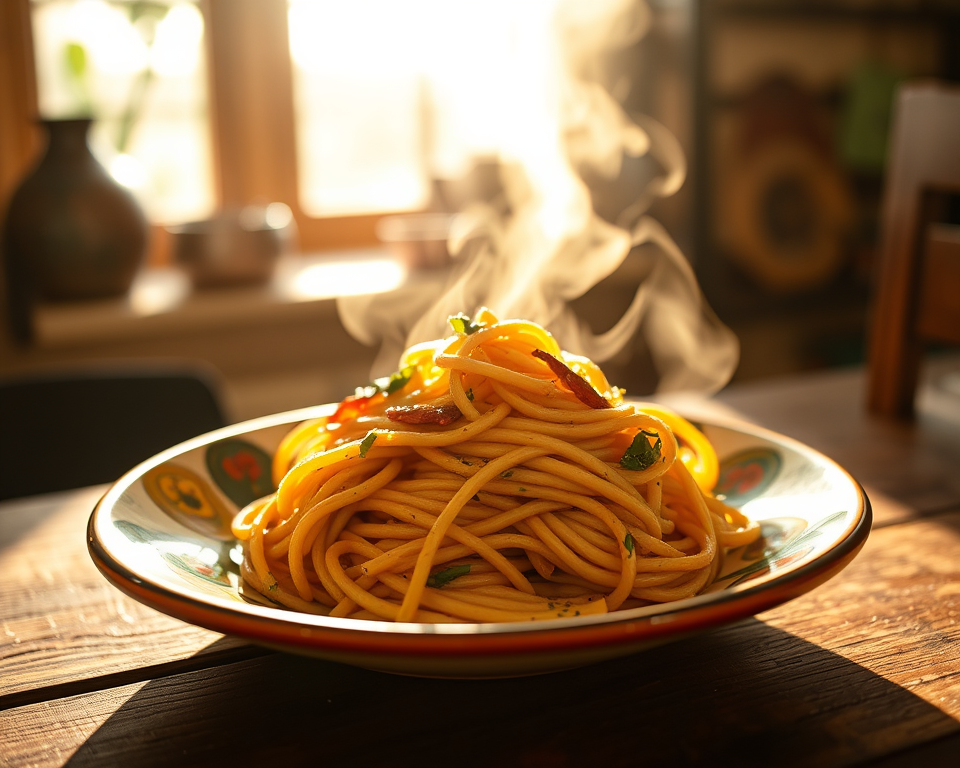
Ah, pottery! There’s something charming and nostalgic about using beautiful handmade dishes to serve up our culinary creations. But wait—before you pile your delicious pasta on that stunning hand-painted plate, have you ever wondered if it’s really safe to eat off pottery? The last thing any of us want is to unknowingly dish up a side of health risks with our dinner. So let’s chat about it! I’m here to dish out all the important info you need, packed full of insights and tips to keep you and your loved ones safe while enjoying pottery in your daily lives.
Table of Contents
- 1 Key Takeaways
- 2 Understanding Pottery and Food Safety
- 3 Types of Pottery and Their Safety
- 4 Practical Tips for Using Pottery in Food Contexts
- 5 User Experiences and Safety Guidelines
- 6 Regulatory Insights on Pottery Safety
- 7 Frequently Asked Questions
- 7.1 What should I look for when buying food-safe pottery?
- 7.2 Are there specific regulations for pottery in different countries?
- 7.3 How can I tell if an older piece of pottery is safe to use?
- 7.4 What are the risks associated with using non-food-safe pottery?
- 7.5 How does the type of glaze affect the safety of pottery?
- 7.6 Can decorative pottery be made food-safe?
- 7.7 What are the best practices for maintaining pottery for food use?
- 7.8 Are there specific types of pottery that are universally safe for food?
- 7.9 What are the common myths about pottery safety?
Key Takeaways
- Not all pottery is made equal—understanding safety certifications is key to ensuring your ceramics are food-safe.
- Keep an eye out for lead and cadmium; knowing your pottery’s material can help avoid toxic materials.
- Cleaning and maintaining your pottery properly can extend its life and ensure food safety.
- Always look for safety labels and certifications when buying pottery; your health depends on it!
- There’s a divide between decorative pottery and functional pottery; knowing the difference is essential.
Understanding Pottery and Food Safety
Let’s start with the basics. Pottery and ceramics come in many forms, and knowing what’s safe to eat from is crucial. You might have come across those beautiful, artisan-crafted dishes that look like they belong in a museum. But how do you know if they’re actually safe for eating? Spoiler alert: there’s a fair bit of confusion about pottery materials and food safety regulations, but I’ve got you covered.
Food safety standards are established to protect consumers, but they can vary significantly between different types of pottery. Some ceramics are produced using toxic glazes or materials, which can leak harmful substances into your food. For instance, lead and cadmium are serious culprits that can pop up in pottery if it’s not made properly. Knowledge is power here, so let’s break it down!
What Makes Pottery Safe for Food?
When selecting pottery that’s safe for food, pay close attention to safety certifications. A lot of reputable brands like Le Creuset or Emile Henry proudly showcase their food-grade pottery, making it easier to know what you’re buying is safe to use. These brands often adhere to stringent food safety certifications and standards, ensuring that their products are safe for food contact.
Look for ceramic glazes that are labelled as food-safe; these will typically carry certification marks that indicate they have passed safety tests. I’m all for supporting local artisans and casting my net wider when shopping, but don’t lose sight of those safety certifications!
Common Health Concerns with Pottery
While pottery can offer a rustic charm to your dining experience, it’s crucial to be aware of common health concerns associated with certain types of ceramics. The most notorious offenders are lead and cadmium, elements that have been linked to serious health issues. If a dish is poorly crafted or lacks proper safety measures, the consequences can be quite grim.
Here’s a quick table to summarize:
| Health Concern | Risks |
|---|---|
| Lead Contamination | Neurological damage, developmental issues in children |
| Cadmium Exposure | Kidney damage, cancer grow risks |
| Toxic Materials | General toxicity, possible long-term health concerns |
It’s essential to recognize the risk of lead in older or imported pottery; some countries may not have strict regulations regarding the materials used. If you’re an avid collector of vintage ceramics, it may be worth getting them tested, especially if you plan on serving food from them.
“Always prioritize your health over aesthetics—knowing what you’re putting on the table can keep your loved ones safe!”
Types of Pottery and Their Safety
Now that we’ve got a grasp on safety certifications, let’s explore the different types of pottery and ceramic materials. Sociologically, so many styles and techniques have emerged that once you start digging into this topic, it can feel like a rabbit hole. But don’t worry, I’ll keep it sweet and simple for you!
Earthenware, stoneware, porcelain, and Raku pottery—all of these types have varying safety profiles based on how they are made and the type of glazes used.
- Earthenware is typically more porous and often requires a glaze to make it safe for food. However, not all glazes are created equal, which can leave some vintage pieces questionable.
- Stoneware is usually sturdier and often considered more reliable; it’s typically fired at higher temperatures, making it less porous and better suited to safe food contact.
- Porcelain is also food-safe, and it’s fired at extremely high temperatures that eliminate any toxins. It’s known for being non-porous and chip-resistant.
- Raku pottery is stunning but should be approached cautiously due to its unique firing process, which sometimes doesn’t utilize food-safe glazes.
Recognizing Food-Safe Pottery
So, how do you identify food-safe pottery? It’s all about those labels. When you’re out shopping, keep an eye out for symbols that showcase safety certifications. Some pottery will have a small label or sticker indicating it’s food-safe.
It’s not a bad idea to research reputable brands, especially if you’re buying online. Look for those who are transparent about their production methods. You can also dig into consumer reviews; often, fellow enthusiasts will discuss their experiences with the safety of specific brands or products. Funny enough, tastes in pottery may differ – sometimes those with absolutely exquisite designs may not be the best choice for food.
“Just because it’s beautiful doesn’t mean it’s safe—always do a little digging before putting it to the test at dinner time!”
Practical Tips for Using Pottery in Food Contexts
Now we’re getting into the nitty-gritty of using pottery safely in food contexts. First things first: be mindful of how you use different pieces. Decorative pottery, while gorgeous to look at, is often not food-safe. That perfectly painted bowl might be better suited to holding keys than pasta!
Here’s the lowdown on tips for responsibly using pottery when serving food:
- Do Your Homework: Check the manufacturer’s website for safety certifications and guidelines.
- Avoid Extreme Temperatures: While some pottery is oven-safe, always read the instructions. Sudden temperature changes can lead to cracks and breakage.
- Clean with Care: Use non-abrasive cleaners to preserve safe surfaces.
How to Clean and Maintain Pottery for Food Safety
Cleaning is key! Proper maintenance not only prolongs the life of your pottery but also ensures that it’s safe for food. Whenever you finish a meal, give your dishes a gentle wash using mild soap and water. Avoid scouring pads unless you’re certain your pottery can handle it—because no one wants to end up with scratched, compromised ceramics.
You may want to stay away from dishwashers—some pottery is sensitive to extreme heat or harsh detergents. I also recommend staying away from microwave use unless you’re absolutely certain that your piece is microwave-safe.
Cleaning method suggestions:
– Use a soft sponge or cloth for regular wiping down.
– Avoid soaking pottery for extended periods.
– Store your pottery in a dust-free area to ensure it stays clean while not in use.
User Experiences and Safety Guidelines
Interacting with others in the pottery community is an amazing way to learn about experiences and safety standards. I find that user testimonials often highlight concerns and solutions that may not be readily available in books or online articles. If you’re ever in doubt, reach out to pottery enthusiasts who might have insights to share.
Pottery classes can also offer fantastic learning experiences. If you’ve got a local pottery studio nearby, seeing pieces in person can help you gauge their usability regarding food. Plus, the artisans themselves are often fountains of knowledge about safety practices and best use cases.
“Nothing beats firsthand experience; communities are buzzing with stories—tap into those to learn and share safety insights.”
Addressing Common Misconceptions
There are a ton of misconceptions floating around about pottery safety. Some folks might assume that all handmade pottery is automatically food-safe; that’s simply not true. Others might think that anything mass-produced from popular brands must be safe because it’s mainstream—it’s crucial to remember that safety varies widely depending on the materials and methods used.
One common myth is that all glazes used in pottery are food-safe, but some beautiful glazes might contain toxic materials. Plus, decorative items, while pretty to display, often aren’t made for functional use. It’s a sad reality, but one that we can navigate by educating ourselves.
So ask questions. If you’re purchasing a piece, talk to the seller! Knowing whether they’ve complied with safety standards might save you from worrying later.
Regulatory Insights on Pottery Safety
Remember those safety regulations we talked about? They’re in place for a reason! In the U.S., this is overseen by the FDA and complies with food safety regulations. Pottery that’s used for food or drink must meet specific safety standards to ensure your safety and well-being. I know it sounds a bit daunting, but you can do your due diligence!
When purchasing pottery, always inquire about compliance with safety regulations. Many pottery makers will be happy to share this information with you, especially if they care about their crafts.
Navigating pottery certifications can feel overwhelming, but once you start looking for lead-free pottery certifications, it becomes less intimidating. Quality marks give peace of mind that you’re investing in safe products.
So, keep your eyes peeled for seals like the “California Proposition 65” warning on pottery. If you see that on a label, you’ll know the manufacturer has made strides to ensure safety regarding toxic materials.
Here’s a quick look at certifications to keep in mind when shopping:
| Certification | Meaning |
|---|---|
| California Proposition 65 | Warning against significant exposure to toxic chemicals |
| FDA Approved | Meets Federal Food Contact Safety standards |
| NSF Certified | Follows the highest standards for health and safety |
With the right education, navigating pottery safety can become second nature. Remember, if something piques your interest, always ask! It can only help you in your search for safe pottery.
With knowledge, preparation, and community support, you can easily ensure that your pottery pieces don’t just look fabulous on your table, but are also safe for you and your family to enjoy. So go ahead and keep embracing those stunning ceramics while ensuring your meals are served with safety!
Frequently Asked Questions
What should I look for when buying food-safe pottery?
When purchasing food-safe pottery, look for certifications or labels from recognized authorities indicating it meets food safety standards. Avoid pieces labeled as decorative, as they may contain glazes that are not safe for food contact. Additionally, consider the pottery’s material type, such as stoneware or porcelain, which are generally safer options.
Are there specific regulations for pottery in different countries?
Yes, pottery regulations can vary significantly by country. Each country may have specific guidelines regarding materials used, certifications required, and health and safety standards. Consult local food safety authorities to understand the regulations that apply to pottery in your region.
How can I tell if an older piece of pottery is safe to use?
Checking for a label or certification mark is crucial, but if the pottery is unmarked or from before modern safety regulations, consider having it tested for harmful substances like lead or cadmium. Alternatively, use it for decorative purposes only, rather than food contact.
What are the risks associated with using non-food-safe pottery?
Using non-food-safe pottery can expose you to harmful substances, such as lead or cadmium, which can leach into food and cause serious health issues. Symptoms of toxicity can include gastrointestinal distress, neurological issues, and long-term health effects, particularly in vulnerable populations such as children or pregnant women.
How does the type of glaze affect the safety of pottery?
The type of glaze used can greatly influence the safety of pottery. Some glazes contain harmful elements like lead or cadmium, especially in older pieces. Research the specific glaze and its manufacturer to ensure it’s food-safe, and prefer products that specifically state they are lead-free and nontoxic.
Can decorative pottery be made food-safe?
While some decorative pottery can be made food-safe, it often requires specific regulations and quality checks. If you’re planning to use decorative pottery for food, ensure it has been specifically marked or certified as food-safe; otherwise, it’s safer to use it solely for display.
What are the best practices for maintaining pottery for food use?
To maintain pottery for food use, avoid extreme temperature changes, which can cause cracks. Clean gently with mild detergents, avoid abrasive scrubbers, and dry thoroughly to prevent staining or damage. Regularly inspect for wear and tear to ensure ongoing safety and usability.
Are there specific types of pottery that are universally safe for food?
Generally, stoneware and porcelain are considered safer for food use than other types of pottery like earthenware, especially when free of harmful glazes. However, always check for certifications or manufacturer specifications to confirm food safety, as practices can vary.
What are the common myths about pottery safety?
Common myths include the belief that all handmade pottery is food-safe or that older pottery is inherently dangerous. While hand-crafted items can be safe, always verify their safety standards. Older pottery may still be safe if it meets current regulations; testing may be necessary for peace of mind.
