
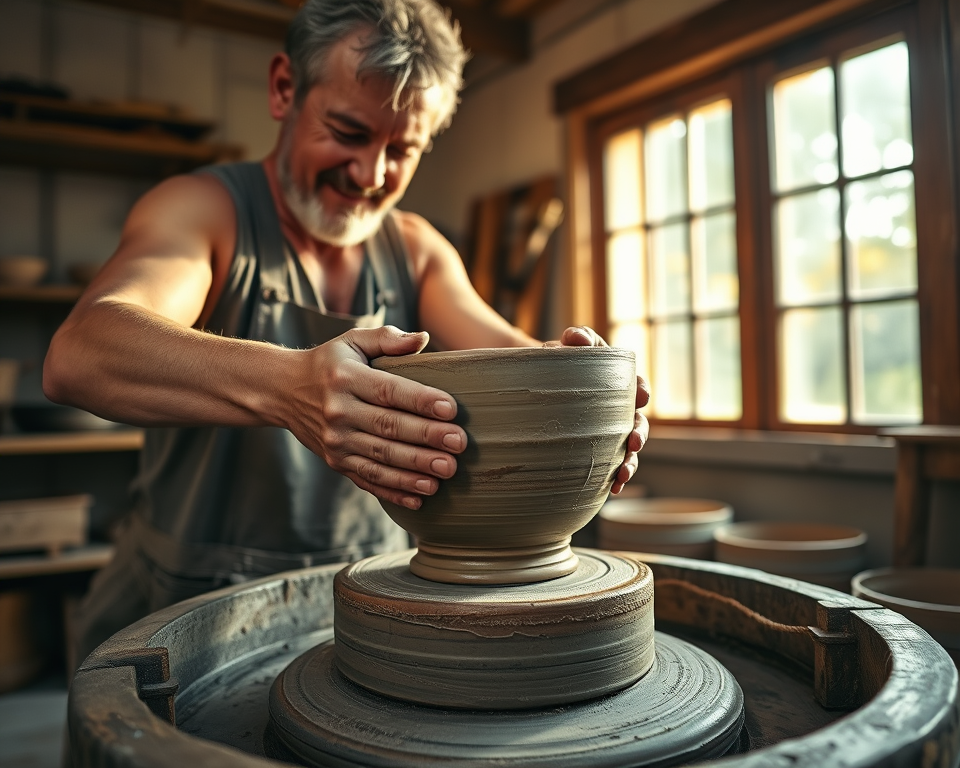
Pottery is such a fun and creative outlet—there’s something magical about crafting pieces with your own two hands. As I’ve learned through my own experiences, though, it’s crucial to approach this artistic adventure with a focus on safety. I mean, what’s the point of getting your hands dirty if you’re not also being smart about it, right? Whether you’re a beginner eager to mold your first bowl or a seasoned potter shaping stunning ceramic art, understanding the potential hazards is key to enjoying your craft to the fullest. So, let’s jump into the nitty-gritty about making pottery safely.
Table of Contents
- 1 Key Takeaways
- 2 Understanding the Risks of Working with Clay
- 3 Common Health Effects Associated with Pottery
- 4 Expert Opinions on Pottery Safety
- 5 Personal Stories and Testimonials
- 6 Conclusion
- 7 Frequently Asked Questions
- 7.1 What are the most common injuries associated with pottery making?
- 7.2 How can I ensure the glazes I use are safe?
- 7.3 What should I do if I experience a skin reaction while working with clay or glazes?
- 7.4 How can I manage dust exposure in my pottery studio effectively?
- 7.5 What are some child-friendly pottery supplies I should consider for a kids’ workshop?
- 7.6 How do I properly ventilate my pottery studio?
- 7.7 What are the long-term health effects of consistent exposure to clay dust?
- 7.8 Is it necessary to have safety training for pottery workshops, and what should it cover?
- 7.9 What safety certifications should I look for in pottery materials and supplies?
- 7.10 Can pottery be safe for home use after firing, or are there ongoing concerns?
Key Takeaways
- Familiarize yourself with different types of pottery materials and their safety considerations.
- Always prioritize proper ventilation during your potting sessions to protect your lungs.
- Using the right gear—like gloves, masks, and goggles—can significantly minimize health risks.
- Seeking expert opinions and adhering to safety regulations can enhance your pottery practice.
- Engaging in pottery with kids? Explore safe practices for teaching them the art.
Understanding the Risks of Working with Clay
Before you clay up those hands, let’s chat about what you’re working with. Clay can be the most inviting substance, but it’s not without its challenges. Like so many enjoyable hobbies, pottery comes with its own set of risks that we need to understand and manage. You might be wondering about those pesky pottery hazards. Well, various types of clay come with their unique safety considerations. From earthenware, which is generally safe, to stoneware and terracotta that might raise some eyebrows when it comes to working with glazes, each material has its quirks.
Here’s the thing: many potters, especially new ones, often overlook the safety implications of what they’re using. Did you know that some clays can harbor harmful bacteria? Yep, bacteria can live in those natural materials, especially if you’re not storing them properly. As you venture into creating, keep in mind the health effects of clay and the potential risks tied to chemical exposure from various glazes.
Types of Pottery Materials and Their Safety Considerations
Let’s break it down a little further. Here’s a quick guide to the safety considerations associated with different pottery materials you might encounter:
| Material | Safety Considerations |
|---|---|
| Earthenware | Generally safe, check for lead content in glazes. |
| Stoneware | Safe overall; ensure glazes are food-safe. |
| Terracotta | Non-toxic, but check if it’s properly fired. |
| Polymer Clay | Generally safe, but avoid prolonged inhalation of dust. |
| Glazes | Potentially hazardous; always read labels! |
Getting to know these materials doesn’t just keep you safer; it enhances your finesse as a potter. Plus, knowing what you’re working with can help you pick out safe clay options for your projects.
Pro Tip: Always opt for non-toxic pottery materials whenever possible. It makes for safer fun, especially if kiddos are involved!
Common Health Effects Associated with Pottery
Alright, let’s talk about the not-so-fun stuff: the health effects associated with pottery. From dust inhalation to chemical exposure, the risks can be broad and varied.
Working with clay can stir up a lot of dust—silica dust, to be exact. This stuff can seriously irritate your respiratory system if you breathe it in regularly. I remember a time I brushed off the need for a mask because I thought it was no big deal. Spoiler alert: It was a big deal. Breathing in that stuff can lead to long-term respiratory issues, so trust me on this one, wear a mask designed to filter out fine particles.
If you’re working with certain glazes, keep in mind that they can lead to skin reactions or respiratory irritation too. Protect yourself from the chemical exposures that come along with pottery. I’ve learned it’s always better to shield yourself than to deal with the aftermath later.
Essential Safety Practices for Pottery Making
Now that we’re aware of what we’re up against, let’s strategies the essential safety practices for making pottery. Think of this as your safety toolkit to help you manage health risks and avoid injuries while nurturing your artistic side.
First things first: proper ventilation. Make sure your workspace is well-ventilated to ensure that you’re not breathing in harmful materials or fumes from your clays and glazes. The trick is to have windows open or even invest in a good air filter. There are some great pottery studio air filters on the market for around $100 which can help clear the air as you work.
Air Quality and Ventilation Considerations
Why is good air quality so vital? For starters, it reduces your exposure to harmful substances like silica dust and fumes from glazes. Not to mention, it can be a game-changer in preventing headaches or fatigue from inhalation issues. Consider investing in an exhaust system in your pottery studio; these systems do wonders for dust management.
If you’re in your garage or a less-than-ideal spot with limited airflow, perhaps try setting up some exhaust fans. I did this in my small studio space, and let me tell you, the difference was night and day. Being able to breathe without feeling like I was suffocating made for a much more enjoyable session!
Protective Gear and Equipment
Now, let’s chat about gear. Seriously, don’t skip this step. Using proper personal protective equipment (PPE) doesn’t just make you look the part; it keeps you safe. Here’s what I recommend having on hand:
- Gloves: A good pair of nitrile gloves for hand protection, especially when working with glazes or underglazers.
- Masks: Invest in a quality mask that filters out fine particles. Look for something rated N95 or higher for best results.
- Goggles: Protect your eyes from dust and splashes; I can’t tell you how much peace of mind this gives me.
I can’t stress enough how essential it is to use these tools. If you’re continually exposed to glazes or dust without protection, you could risk long-term health issues. And that’s just not worth it, my friend!
Expert Opinions on Pottery Safety
It’s always good to learn straight from experts. Expert pottery safety tips can provide you with incredible insights that might not be widely known. Conversations with seasoned potters have opened my eyes to a world of safety you wouldn’t think existed. Many potters emphasize the importance of safety training, especially if you’re working in a shared space or studio.
I’ve found some fantastic community forums where professional ceramicists share their experiences and suggestions. You’d be surprised at how helpful it can be to read their stories and learn from their wisdom. Like one potter I spoke to, she had a story about a glaze mishap that could’ve been avoided had she better understood her materials and some safety standards.
Safety Regulations and Certifications for Pottery Supplies
When it comes down to it, knowledge is power. Familiarize yourself with safety regulations related to pottery supplies. This includes checking for any relevant safety certifications, especially with glazes. Always read product labels meticulously and look for materials that meet health and safety standards. If you’re looking for a glaze safety certification, reputable brands like Amaco and Laguna Clay Company provide detailed ingredient lists and safety data sheets. Prices range from about $10 to $50 depending on the product.
Here’s a handy list of things to consider when selecting pottery products:
- Certified pottery materials: Go for brands that prioritize health and safety.
- Check compliance: Ensure glazes comply with the FDA standards if you’ll use them for food items.
- Know your suppliers: Choose pottery materials from trusted suppliers that advocate for safe production processes.
Look for those little seals of approval—they’re an assurance that you’re working with something trustworthy.
Personal Stories and Testimonials
Reading personal experiences can be so enlightening. I once came across a potter’s blog where they shared their pottery experiences about encountering health issues due to neglecting safety while working with glazes. This potter had developed skin reactions that put them out of commission for weeks! It was a harsh but enlightening reminder that safety should never be an afterthought.
From my own journey, I’ve met many potters who have had both positive and negative experiences. One potter shared how he learned from his mistakes after he decided to forgo wearing a mask while sanding pieces. The experience taught him to always prioritize it moving forward. These stories highlight the importance of being vigilant and proactive.
Pottery Safety in Family and Educational Settings
If you’re thinking about introducing kids to pottery, let’s make sure they’re safe and having fun. Teaching pottery safely means using child-friendly supplies and setting up a safe crafting space. Look for non-toxic clays like Crayola Air-Dry Clay if you’re starting with younger kids. They’re super safe to use and don’t require any complicated firing processes, allowing you to enjoy the experience without the worry!
In class settings, you’ll want to have clear guidelines about safety. Do you know how vital it is to explain proper handling procedures and create a welcoming yet safe environment for young potters? Safety isn’t just an adult concern—it’s crucial for kids too!
When considering kids’ pottery classes, check the studio’s safety protocols to ensure they use appropriate supplies and employ safety gear. Reviewing these before signing up can save you tons of worry later.
Conclusion
With all this knowledge under your belt, I hope you’re feeling ready to tackle the pottery world head-on! From understanding the risks involved with different clay materials to implementing essential safety practices, there’s so much you can do to ensure you, and those you care about, can enjoy this wonderful craft safely. And remember, safety first means you can unleash your creativity without looking over your shoulder!
Frequently Asked Questions
What are the most common injuries associated with pottery making?
Common injuries in pottery making include cuts from sharp tools, burns from kiln operations, and sprains or strains from lifting heavy materials or equipment. Awareness and proper use of tools can significantly reduce these risks.
How can I ensure the glazes I use are safe?
To ensure glaze safety, look for glazes labeled as non-toxic and compliant with safety standards like the FDA. Always check for certifications or labels indicating that they are safe for food use if you’re making dinnerware or utensils.
What should I do if I experience a skin reaction while working with clay or glazes?
If you experience a skin reaction, such as irritation or allergic symptoms, wash the affected area thoroughly with soap and water. If symptoms persist, consult a healthcare professional for advice. Keeping your skin protected with gloves can help prevent such reactions.
How can I manage dust exposure in my pottery studio effectively?
To manage dust exposure, use proper ventilation systems, such as exhaust fans or air purifiers, while working. Regularly clean your workspace to minimize dust accumulation, and wear a mask specifically designed for dust filtration when handling dry clay.
What are some child-friendly pottery supplies I should consider for a kids’ workshop?
For a children’s pottery workshop, consider non-toxic air-dry clays, child-safe pottery tools, and non-hazardous glazes. Ensure all materials are age-appropriate and adhere to safety standards, providing a safe and enjoyable environment for young artists.
How do I properly ventilate my pottery studio?
Proper ventilation can be achieved by installing exhaust fans, opening windows to allow for natural airflow, and using air filters to capture particles and fumes. It’s essential to maintain good air quality to protect respiratory health while working in your studio.
What are the long-term health effects of consistent exposure to clay dust?
Long-term exposure to clay dust, especially silica dust, can lead to serious respiratory issues, such as silicosis or chronic bronchitis. It’s crucial to implement safety measures like using masks designed for dust, maintaining proper studio ventilation, and regularly monitoring air quality.
Is it necessary to have safety training for pottery workshops, and what should it cover?
Yes, safety training is essential for pottery workshops. Training should cover topics such as proper handling of materials, the use of protective equipment, awareness of hazardous substances, and emergency response procedures in case of accidents.
What safety certifications should I look for in pottery materials and supplies?
When selecting pottery materials, look for certifications such as ASTM (American Society for Testing and Materials) compliance, FDA approval for food-safe glazes, and non-toxic certification from reputable organizations to ensure the safety of your supplies.
Can pottery be safe for home use after firing, or are there ongoing concerns?
Once pottery items are properly fired and glaze-finished by following safety standards, they are typically safe for home use. However, it’s important to ensure that glazes used are food-safe and free from harmful chemicals. Regular inspections for wear and damage can help maintain their safety.
