
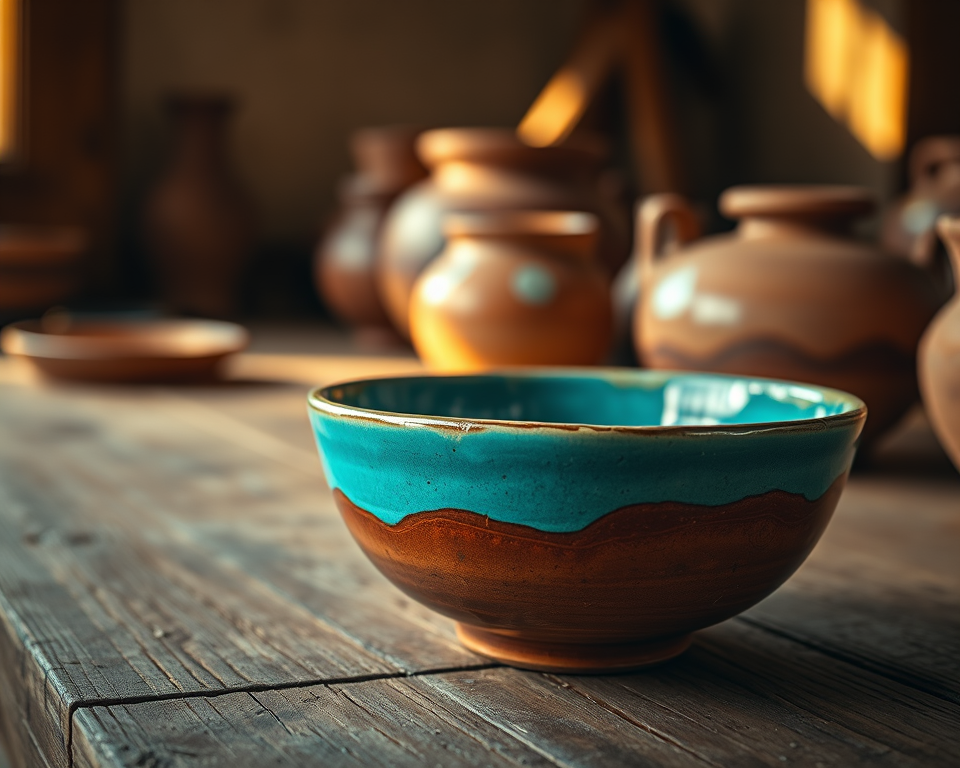
Pottery is more than just a craft; it’s a connection to culture, history, and personal expression. Whether you’re an art student looking to elevate your skills, a DIY hobbyist with a flair for creativity, or just someone intrigued by the many types of pottery, you’re in the right place! The world of ceramics is as diverse as it is fascinating, offering styles and techniques that resonate with any personality.
In this post, we’ll traverse through various styles, explore the techniques behind them, and equip you with all the info you need to choose the right pieces for your home or art collection. Ready to get your hands a little clay-y? Let’s get into it!
Table of Contents
- 1 Key Takeaways
- 2 Types of Pottery Styles
- 3 Understanding Pottery Techniques
- 4 Choosing the Right Pottery
- 5 Cultural Significance of Pottery
- 6 Frequently Asked Questions
- 6.1 What types of pottery are considered traditional earthenware?
- 6.2 How is stoneware different from earthenware and porcelain?
- 6.3 Can you explain the unique firing process used in Raku pottery?
- 6.4 What factors influence the choice of glazing techniques in pottery?
- 6.5 What are some common mistakes to avoid when caring for handmade pottery?
- 6.6 How can I determine if pottery is functional or purely decorative?
- 6.7 What materials are typically used in creating custom pottery?
- 6.8 How do cultural influences shape regional pottery styles?
- 6.9 Why is understanding the historical context of pottery important?
- 6.10 What role does pottery play in modern art and storytelling?
Key Takeaways
- Understanding different styles of pottery is essential when selecting pieces that fit your needs and aesthetics.
- Each pottery type—like earthenware, stoneware, and porcelain—has unique characteristics that make it suitable for various uses.
- Mastering pottery techniques can enhance the creation process whether you’re hand-building or using a pottery wheel.
- Cultural significance adds depth to your pottery collection; it’s not just about looks but what each piece represents.
Types of Pottery Styles
The world of pottery is expansive, and knowing your options can help you appreciate each piece’s story. Let’s shine a spotlight on some of the most popular and notable types of pottery styles.
Earthenware
Earthenware is the classic choice when it comes to pottery. You know that warm, cozy vibe you get from terracotta pots? That’s earthenware for you. It’s made from red clay and fired at low temperatures, resulting in a porous material that’s perfect for decor but can’t really withstand very high heat.
Characteristics of Earthenware
- Porous Nature: Because it’s fired at lower temperatures, earthenware tends to retain moisture. This makes it ideal for plants but call for extra care if you’re using it for food.
- Rustic Aesthetic: The earthy tones give it a natural, rustic look, perfect for enhancing a cozy home decor vibe.
Popular examples include classic terracotta pots priced around $15 to $40, depending on their size and design. Brands like Bloem offer sturdy options that are great for both indoor and outdoor plants.
“Earthenware is like the heart of pottery—it’s warm, welcoming, and always ready to tell a story.”
Stoneware
Next up on our pottery tour is stoneware, which is tough as nails! Firing at higher temperatures results in durable, non-porous pottery that’s often great for cookware. I absolutely love the versatility of stoneware—it can transition effortlessly from oven to table.
Characteristics of Stoneware
- Durability: This is the go-to if you want function without sacrificing style. It’s dishwasher, microwave, and oven-safe (up to a certain temperature, of course).
- Vitrified Quality: The glazing process reduces porosity, offering a clean surface that doesn’t absorb liquids.
For everyday stoneware, check out brands like Pioneer Woman or CorningWare. You can easily find beautiful stoneware casseroles and dinnerware sets between $25 and $100.
Porcelain
When it comes to elegance, you can’t ignore porcelain. Often referred to as fine china, this type of pottery is synonymous with sophistication and is known for its delicate craftsmanship.
Characteristics of Porcelain
- Fine Texture: Its smooth finish gives it an air of luxury, making it a popular choice for formal dining.
- Strength: Surprisingly, porcelain is strong despite its delicate appearance. It can withstand high temperatures and is often dishwasher-safe.
Porcelain dinner sets from brands like Lenox can range from $50 to $500, depending on the intricacy of the design. If you’re after some stunning pieces, be ready to explore options that blend functionality with high-end aesthetics.
“Porcelain brings elegance to any meal, making even snacks feel like a feast.”
Raku
Raku is an absolute showstopper when it comes to artistic expression! Originating in Japan, this type of pottery involves a unique firing process that produces beautiful and often unpredictable results.
Characteristics of Raku
- Artistic Flair: Raku pieces usually have vibrant glazes and a distinctive finish that’s hard to replicate. They are typically seen in artistic venues rather than for everyday use.
- Cultural Relevance: Due to its roots, Raku pottery has significant cultural and historical importance, often featured in art galleries.
Expect to find authentic Raku pottery pieces priced around $30 to $200 or more, depending on the artist and complexity of the work.
Bone China
If you’re after the absolute best in elegance, bone china takes the cake. Made from a mixture of porcelain and bone ash, this type of pottery is famous for its lightweight nature and incredible strength.
Characteristics of Bone China
- Lightweight yet Strong: Ideal for fine dining and special occasions where you want your serveware to impress without being too heavy.
- Translucence: The unique composition allows light to shine through, displaying beautiful colors and patterns.
For stunning bone china, Wedgwood offers beautiful sets around $100 to $1000 based on the intricacy and design, perfect for anyone looking to raise their hosting game!
Understanding Pottery Techniques
Now that we’ve unpacked some pottery styles, let’s move on to the techniques that breathe life into these wonderful creations. Whether you’re a hands-on maker or a curious observer, understanding these methods will enhance your appreciation for this ancient craft.
Hand-Building
Hand-building is a time-honored technique that embraces creativity. It’s perfect for beginners and anyone who loves the tactile experience of working with clay.
Key Techniques in Hand-Building
- Coil Technique: Rolling out ropes of clay and stacking them to form shapes is a popular method that allows for a lot of artistic freedom.
- Pinch Pots: This is the simplest form of hand-building where you literally pinch the clay into the desired shape, making it perfect for creating small items.
If you’re just starting out, I recommend the Sculpey Air-Dry Clay Kit, priced around $30. It comes with everything you need to get going and leaves lots of room for expression!
“The beauty of hand-building is that every piece carries your unique touch, nothing’s ever just ‘perfect’—it’s all about character!”
Wheel Throwing
Ever seen those mesmerising pottery wheels in action? Wheel throwing allows for fluid motion and precision, creating symmetrical pieces like bowls and vases.
Learning Wheel Throwing
- Centering Clay: This is the fundamental skill you need before anything else. It involves getting the clay balanced on the wheel, which can be tricky but oh-so-satisfying.
- Shaping: Once centered, you’ll pull the clay upwards to create the walls of the pottery, a skill that takes practice but is truly rewarding.
I can’t stress enough how helpful the Speedball Potter’s Wheel is for beginners—retailing around $200, it’s easy to set up and perfect for crafting all sorts of creations.
Glazing
Glazing adds personality to your pottery and protects it at the same time. The right glaze can elevate a simple piece into a showstopper!
Types of Glazes
- Glossy Glazes: These give a shiny finish and enhance the vibrant colors of your pottery.
- Matte Glazes: Offering a more rustic look, matte glazes can be a great choice for earthy, natural aesthetics.
For an affordable starter kit, AMACO offers a range of underglazes that are perfect for experimenting, priced around $50 for a set.
Firing Techniques
The firing process is where the magic really happens! It solidifies the shape and enhances the colors of your pottery. Different techniques can produce different results.
Key Firing Techniques
- Kiln Firing: This is the standard method where pieces are fired in an electric or gas kiln at controlled temperatures.
- Pit Firing: An ancient technique involving burying pottery in a fire pit, which can yield unique and organic results.
When considering a kiln, Paragon offers electric kilns that range from $600 to $3,000 based on the size and features, allowing artists of all levels to step up their game.
Surface Decoration
Once you’ve shaped and fired your pottery, it’s time for surface decoration! This is where you can let your imagination run wild.
Decoration Techniques
- Sgraffito: This involves scraping through a layer of colored slip to reveal the clay body beneath.
- Slip Trailing: Using a squeeze bottle, you apply liquid clay through a nozzle to create designs.
For tools, the Makin’s Professional to Create Clay Extruder is a unique find at around $25, perfect for creating intricate surface designs.
Choosing the Right Pottery
Now that you’re well-versed in the types and techniques, it’s time to talk about choosing the right pottery for your needs. Each piece you select tells a story, and understanding what you want will lead you to the perfect choice.
Considerations for Functional Pottery
If you’re looking for pottery that not only looks great but also performs well, here are some things to consider:
- Dishwasher/Safe: Make sure any functional pieces can withstand everyday use. Most stoneware and certain earthenware are the best bets.
- Material Suitability: For baking, stoneware is a champ. If you want something decorative, porcelain or even Raku might be the perfect match.
For example, I love my Emile Henry Flame Top Baker, priced at $60. It’s perfect for lasagna and looks fabulous on the table!
Aesthetic Factors in Pottery
Choosing pieces that resonate with your decor can help bring your space to life. Here’s what to keep in mind:
- Coordinate With Décor: Ensure your choice complements existing colors and themes in your home.
- Unique Finds vs. Mass-Produced: Handcrafted pottery tells a story, while mass-produced can still provide value. It’s all about what makes your heart sing!
I’ve often found pieces from local artisans that, while priced at $40 to $200, add a unique charm to my home decor.
Pottery Care and Maintenance
Owning beautiful pottery comes with responsibilities, including proper care. Neglect can lead to cracks, chips, or worse.
Pottery Preservation Techniques
- Clean Gently: Always use mild soap and soft sponges. Aggressive scrubbing can damage intricate designs.
- Avoid Temperature Shock: Don’t expose your pottery to drastic temperature changes, which can cause it to break.
For my pieces, I keep a gentle cleaner and soft cloth readily available. Nothing feels worse than accidentally ruining a lovely item!
Custom Pottery Choices
Feeling creative? Custom pottery can be a brilliant way to get exactly what you envision!
Benefits of Custom Pottery
- Personalization: You get to decide shapes and colors, making your pottery truly unique.
- Support Artisans: Custom orders often mean you’re supporting local artists, which is a win-win!
Some great platforms to explore for custom pottery include Etsy, where you can find artisans ready to create everything from mugs to unique planters, often starting around $40 and up.
Cultural Significance of Pottery
Pottery is a rich tapestry woven with cultural heritage. Each piece can carry a story, revealing much about the region and artisans who created it.
Regional Pottery Styles
Different cultures have vibrant pottery traditions—learning about them can greatly enhance your appreciation for this craft.
Indigenous Pottery Traditions
Indigenous cultures across North America, like the Pueblo tribes, have rich histories of pottery that blend function with artistry. Their techniques and designs often tell stories of their environment, beliefs, and identity.
Historical Context
Taking a step back, the evolution of pottery reflects the changing human experience.
Archaeological Insights
Excavated pieces provide insight into ancient societies and their daily lives. Whether it’s the smooth, elegant forms of ancient Greece or the utilitarian designs of early American settlers, each piece helps tell a story.
“Pottery serves as a silent witness to history—a link between past and present, connecting us to those who came before.”
Pottery as a Form of Expression
Finally, pottery serves as a canvas for personal narratives; it’s an exploration of identity and emotion.
Artists Reflecting Identity
Many contemporary ceramicists use their work to express cultural narratives and personal experiences. From vibrant colors to unique shapes, every pottery piece is an opportunity for storytelling.
As you venture into the world of pottery, keep these insights and characteristics in mind. Whether you’re crafting your own or selecting new pieces for your home, remember that every item carries history, artistry, and a connection to culture. So get out there, explore, and see how pottery can reflect both your personality and the world around you!
Frequently Asked Questions
What types of pottery are considered traditional earthenware?
Traditional earthenware includes rustic styles made primarily from red clay and terracotta, often characterized by their porous nature. Common items are flower pots, baking dishes, and decorative pieces that highlight traditional craftsmanship and regional designs.
How is stoneware different from earthenware and porcelain?
Stoneware is known for its durability and strength, made from a high-fire clay that becomes vitrified, meaning it’s less porous than earthenware. Unlike porcelain, which is fine and translucent, stoneware is often opaque and designed for functional uses like dinnerware.
Can you explain the unique firing process used in Raku pottery?
Raku pottery involves a rapid firing process where pottery is removed from the kiln while it’s still glowing hot and placed in combustible materials, creating distinctive smoke patterns and crackle effects. This method yields unique, one-of-a-kind finishes and emphasizes artistic expression.
What factors influence the choice of glazing techniques in pottery?
Choosing a glazing technique can depend on several factors, including the desired visual effect, functionality, and the type of clay used. Techniques such as layering glazes or using underglazes can create depth, while certain glazes may enhance durability or alter the final color after firing.
What are some common mistakes to avoid when caring for handmade pottery?
To ensure the longevity of handmade pottery, avoid using abrasive cleaners, exposing it to extreme temperature changes, or placing it in the microwave unless it’s specifically labeled microwave-safe. Inspecting for chips and handling with care can also prevent further damage.
How can I determine if pottery is functional or purely decorative?
Functional pottery is designed for everyday use, such as plates and mugs, while decorative pottery is made for aesthetic appeal rather than functionality. Check for signs of durability, such as whether it’s dishwasher or oven-safe, to identify functional pieces.
What materials are typically used in creating custom pottery?
Custom pottery can be made from a variety of clays, each offering unique attributes. Artists might use stoneware for durability or porcelain for finesse, with additional materials like bone ash in bone china. Custom glazes and finishes can also enhance personalization.
How do cultural influences shape regional pottery styles?
Regional pottery is shaped by culture, available materials, and historical techniques. For example, indigenous pottery often incorporates motifs reflecting spiritual beliefs, while Asian ceramics might emphasize harmony and balance, showcasing the cultural significance embedded in each piece.
Why is understanding the historical context of pottery important?
Understanding the historical context of pottery provides insight into how it evolved alongside human cultures. It reveals societal values, technological advancements, and artistic influences, giving modern potters inspiration and a rich appreciation for their craft.
What role does pottery play in modern art and storytelling?
Pottery serves as a medium for personal expression and cultural storytelling. Artists use pottery to convey narratives, emotions, and identity, bridging traditional craftsmanship with contemporary themes while preserving cultural heritage in a modern context.
