
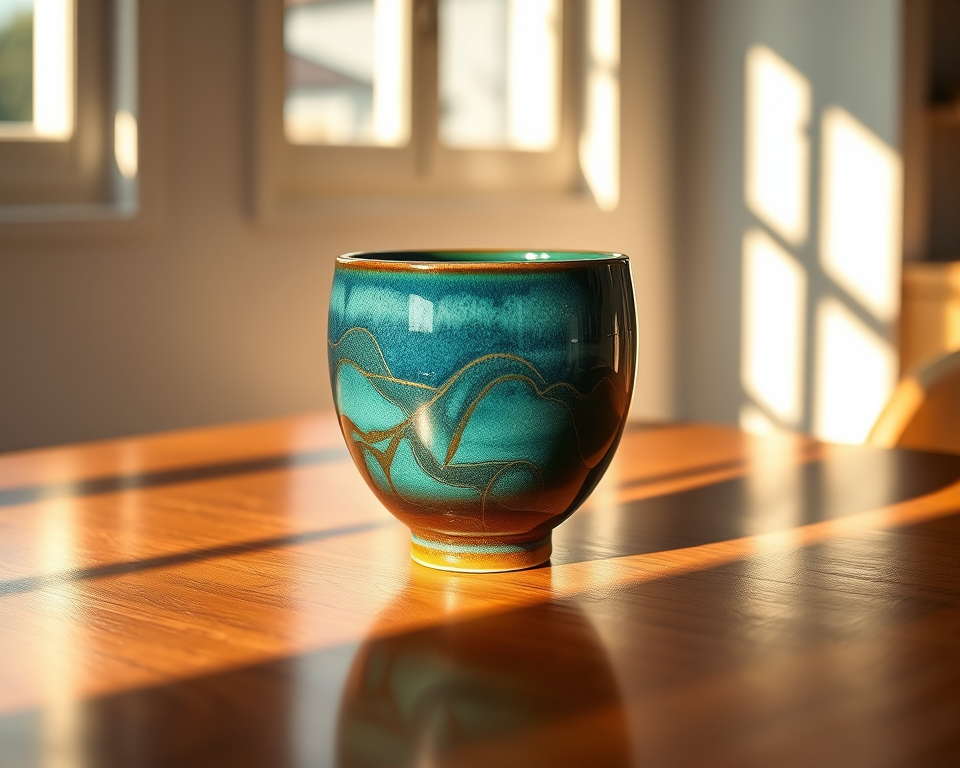
When I first stumbled into the world of pottery, I had no idea how much joy a simple clay creation could bring. The beauty, the craftsmanship, the sheer artistry—it all tantalized me. But one thing stood out above the rest: vitrified pottery. Trust me, if you’re looking to elevate your home decor game and add a touch of sophistication, this is the ceramic wonder you need to know about. Let’s break it down together, shall we?
Table of Contents
- 1 Key Takeaways
- 2 Understanding Vitrified Pottery
- 3 Benefits of Vitrified Pottery
- 4 The Pottery Making Process
- 5 Exploring Cultural Significance
- 6 Frequently Asked Questions
- 6.1 What is vitrification in pottery, and why is it important?
- 6.2 How does vitrified pottery compare to earthenware and stoneware?
- 6.3 Can vitrified pottery be microwave and dishwasher safe?
- 6.4 What are the best ways to maintain vitrified pottery?
- 6.5 Is vitrified pottery eco-friendly?
- 6.6 What are some creative uses for vitrified pottery in home decor?
- 6.7 How can I tell if a piece of pottery is vitrified?
- 6.8 What historical significance does vitrified pottery hold?
- 6.9 Are there any drawbacks to using vitrified pottery?
- 6.10 How can I explore more about the artisans behind vitrified pottery?
Key Takeaways
- Vitrified pottery is highly durable and moisture-resistant, making it perfect for both functional and decorative uses.
- Its vibrant colors can enhance any home by adding an artistic flair to your decor.
- Unlike traditional pottery, vitrified products are non-porous, which means they’re easier to clean and maintain.
- Embracing eco-friendly and sustainable practices in pottery production adds character and responsibility to your home decor choices.
- Understanding the history and cultural significance of vitrified pottery can lead to more informed, meaningful purchases.
Understanding Vitrified Pottery
What is Vitrified Pottery?
So, what sets vitrified pottery apart from the rest? In a nutshell, it’s all about the vitrification process. This technique involves heating clay to extremely high temperatures, turning it into a dense, glass-like material. Imagine the strength of stoneware combined with the delicacy of porcelain, all wrapped up in a single creation. The end result is a beautiful piece that marries functionality with art, making it a top choice for home decor enthusiasts like you and me.
When I first got a few pieces for my home, I couldn’t believe how the shiny glaze perfectly highlighted every curve and contour of the design. And the colors? They pop like nothing I’ve seen in traditional pottery. If you’re searching terms like ceramic materials or handcrafted ceramics, you’re surely on the right track to find stunning pieces that fit any aesthetic, from rustic to modern.
Properties of Vitrified Pottery
Alright, let’s talk about why properties matter. You want your pottery to not only look good but also to stand the test of time. Vitrified pottery scores big with its durability, heat resistance, and moisture resistance. You know that feeling of dread when you accidentally put a hot dish on a delicate plate? With vitrified pottery, you don’t have to worry. These beauties resist chipping and can handle those high temperatures like champs.
Here’s a table comparing some common features of vitrified pottery against other popular types:
| Feature | Vitrified Pottery | Stoneware | Porcelain |
|---|---|---|---|
| Durability | High | High | Moderate |
| Moisture Resistance | Non-porous | Porous | Non-porous |
| Heat Resistance | Excellent | Good | Excellent |
| Aesthetic Appeal | Vibrant finish | Rustic charm | Elegant and refined |
| Maintenance | Easy to clean | Moderate | Easy |
“Vitrified pottery isn’t just a pretty face; it’s built to last.”
You’ll appreciate these practical benefits when you use them every day. Whether you’re serving dinner or displaying art, you’ll see how the ease of maintenance makes them a no-brainer in your home.
Historical Context
Peeking into the past can be incredibly enlightening, especially when it comes to historical pottery techniques. Vitrified pottery has roots running back to ancient civilizations where artisans perfected their craft. Understanding this rich history adds another layer of appreciation to these stunning pieces, don’t you think?
The evolution of pottery has been significant culturally, with communities around the globe shaping their identities through clay. The cultural significance of pottery, especially vitrified types, shows how creative expressions vary across different societies. Armed with this historical context, you can make more meaningful choices when choosing decor that resonates with your personal style—and values.
Benefits of Vitrified Pottery
Practical Applications in Home Decor
Picture this: a beautifully set dinner table adorned with stylish tableware made from vitrified pottery. It’s not just eye-catching; it’s also practical. Vitrified pottery can embrace a dual purpose—acting as both decorative elements and functional kitchenware. Whether it’s a vibrant bowl for fruit or artistic vases that bring life to any room, you can’t go wrong with these versatile pieces.
Furthermore, the aesthetic value it brings is unmatched. Home decor isn’t just about essentials; it’s about personal expression! Incorporating vitrified pottery into your interior design can truly enhance the beauty of your space. It adds character—you know, that little flair that screams “I have taste!”
“When you choose vitrified pottery for your decor, you’re not just buying pieces; you’re making a statement!”
Comparison with Other Pottery Types
Now, you might be wondering, “How does vitrified pottery stack up against other pottery types?” Everyone’s got their faves—be it stoneware, porcelain, or even earthenware. Here’s the deal: while each type has its charm, vitrified pottery shines in the durability department. With its high resistance to moisture and heat, it easily outperforms others in functionality.
If you’re leaning towards specific vibes for your home, consider:
– Stoneware: Great for rustic or farmhouse aesthetics, but its porous nature might not be ideal for every use.
– Porcelain: Known for elegance, it’s perfect for fine dining but can be more fragile.
Ultimately, the choice comes down to what you find appealing and practical!
The Pottery Making Process
How is Vitrified Pottery Made?
Let’s roll up our sleeves and get into the nitty-gritty of how these shiny wonders are created. The pottery production process for vitrified pottery is a labor of love. First up, high-quality raw materials like clay and water are mixed, and then the magic happens!
The pottery is shaped, sometimes by hand and sometimes using potter’s wheels. After shaping, it’s time for a crucial step—the first firing. This initial firing turns your moist clay into a sturdy material called bisque. Next comes the fun part: glazing! Here’s where those bright colors come alive.
Finally, the pieces undergo a second round of firing. This is where the significance of vitrification comes in, transforming your pottery into durable, beautiful pieces that are ready for your home.
Vitrification in Pottery Production
When it comes to the tech side of pottery, we can’t skip the kiln technology used during production. The firing temperature can reach a sizzling 1,800°F! It’s mind-blowing how such heat can create lasting beauty. This process is paramount to ensuring the final product has that perfect finish quality and thermal stability, all while not sacrificing style.
It’s fascinating to see how modern pottery-making techniques have evolved while still honoring ancient traditions. Each piece tells a story—none more so than those crafted with devotion and skill by artisans.
Exploring Cultural Significance
Environmental Impact and Sustainability
As we navigate this journey, let’s not forget the crucial part of being responsible consumers. Many artists focus on employing eco-friendly materials and sustainable practices in pottery production. The ecological impact of ceramics is something we can’t ignore, especially when making decor choices for our homes. Choosing brands that prioritize responsible crafting can add an extra layer of meaning—and pride—to your collection.
You might find brands like Clayaurette or Earthy Pottery that not only produce stunning vitrified pottery but also emphasize their commitment to sustainable practices. This way, you can showcase your keen eye for style and your dedication to the planet at the same time!
Personal Stories and Anecdotes
I remember visiting a local pottery studio where artisans shared their experiences. You could see the passion bubbling up every time they spoke about their craft. One potter, who went by the name of Sarah, told me about her journey. She started creating pieces to make her home feel cozy but ended up building a small community around pottery-making. It was awesome to hear how her work not only transformed her living space but also brought people together.
These personal stories in ceramics add so much depth to our appreciation of pottery. Understanding the emotional connection people have with their art can make each piece even more special.
“Pottery is more than just objects; it embodies cultural heritage, personal stories, and community connection.”
Being part of this larger narrative elevates our decor choices to something deeper—a celebration of the human connection that art fosters.
There you have it! Whether you’re a pottery enthusiast or just dipping your toes into this world, embracing vitrified pottery is a fantastic way to elevate your home. Its aesthetic appeal, coupled with durability and practicality, makes it a winning choice. Plus, knowing you’re supporting sustainable practices while adding beauty to your surroundings—what’s not to love? Now, go ahead and explore the world of vitrified pottery; I promise you, it’s a choice you won’t regret.
Frequently Asked Questions
What is vitrification in pottery, and why is it important?
Vitrification is the process where clay particles fuse together during firing, creating a glass-like quality that results in a non-porous and durable pottery product. This process enhances the longevity, strength, and aesthetic appeal of ceramics, making vitrified pottery ideal for both functional and decorative uses.
How does vitrified pottery compare to earthenware and stoneware?
Vitrified pottery is denser and less porous than earthenware, which is more susceptible to moisture and breakage. Compared to stoneware, vitrified pottery often has a brighter finish and smoother texture due to the higher firing temperatures, making it suitable for a wide range of decorative applications.
Can vitrified pottery be microwave and dishwasher safe?
Yes, most vitrified pottery is safe for use in microwaves and dishwashers due to its non-porous surface and thermal resistance. However, it’s essential to check the manufacturer’s guidelines, as some decorative finishes may not be suitable for high temperatures or harsher cleaning methods.
What are the best ways to maintain vitrified pottery?
To maintain vitrified pottery, wash with mild soap and water instead of abrasive cleaners. Avoid sudden temperature changes that could cause thermal shock, and store items in a stable, dry environment. Regular inspections for chips can help preserve both aesthetics and functionality.
Is vitrified pottery eco-friendly?
Yes, vitrified pottery can be considered eco-friendly, especially if crafted with sustainable practices and materials. Many artisans use locally sourced clay and environmentally conscious production methods, reducing the overall ecological footprint of the pottery.
What are some creative uses for vitrified pottery in home decor?
Vitrified pottery can be used in various ways, including stylish serving dishes, decorative vases, unique plant pots, and even wall art. Its aesthetic appeal and durability make it suitable for both functional kitchenware and artistic home accents.
How can I tell if a piece of pottery is vitrified?
You can identify vitrified pottery by its smooth, glass-like finish, which should feel non-porous and usually lighter than non-vitrified options. Tapping the piece gently will produce a higher-pitched sound, indicating a denser structure typical of vitrified ceramics.
What historical significance does vitrified pottery hold?
Vitrified pottery has a rich history dating back to ancient civilizations. It symbolizes advancements in ceramic technology, showcasing the evolution from simple clay forms to robust, functional art pieces. This type of pottery played essential roles in cultural practices and trade.
Are there any drawbacks to using vitrified pottery?
While vitrified pottery is durable, it can be heavier than other pottery types, making some pieces less practical for daily use. Additionally, high-quality vitrified pottery might come at a higher price point due to the extensive crafting and firing processes involved.
How can I explore more about the artisans behind vitrified pottery?
To learn more about artisans and their creative processes, consider visiting local pottery studios, participating in workshops, or following artisan profiles on social media. Many potters share their stories, techniques, and insights into their craftsmanship, fostering a deeper appreciation for handmade ceramics.
