
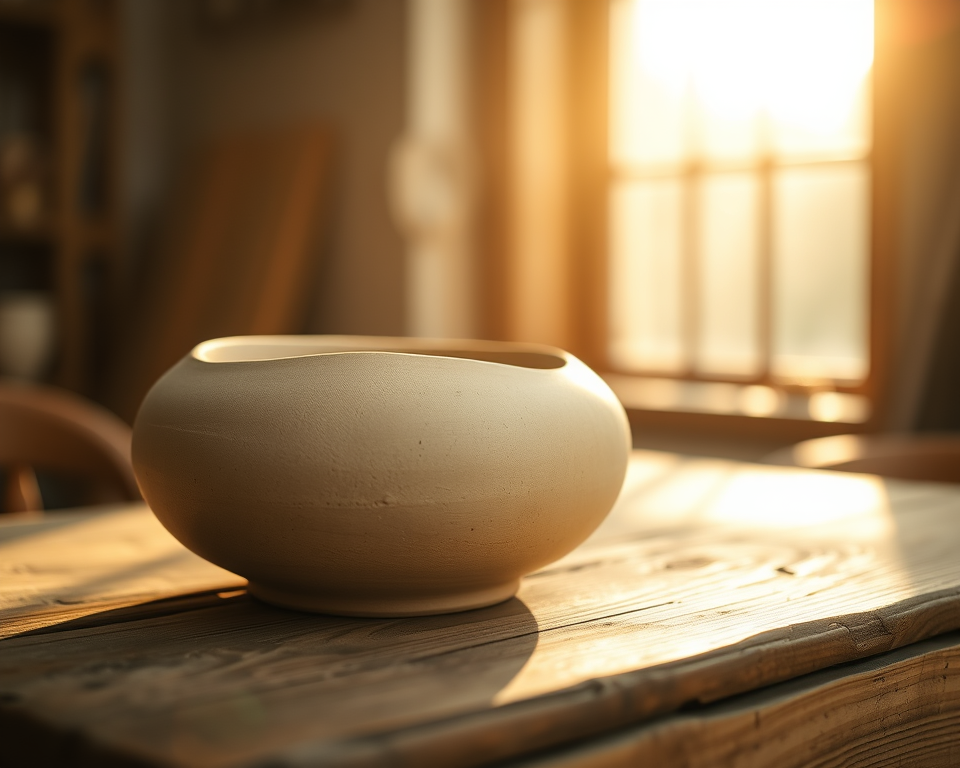
When I first started my journey into the world of pottery, I remember feeling absolutely lost amidst all the different terms and stages. One concept that stood out was greenware. I had no idea what it was, but I knew it was crucial to my understanding of the pottery-making process. This magical term became a stepping stone for me, opening up a whole new realm of creativity and expression. If you’re just dipping your toes into pottery, or maybe you’ve been happily crafting for a bit, this post has got you covered on everything you need to know about greenware.
Table of Contents
- 1 Key Takeaways
- 2 Understanding Greenware in Pottery
- 3 The Pottery-Making Process Stages
- 4 Identifying and Working with Greenware
- 5 Frequently Asked Questions About Greenware
- 6 Conclusion
- 7 Frequently Asked Questions
- 7.1 What is the difference between greenware and leather-hard clay?
- 7.2 How long does it typically take for greenware to dry?
- 7.3 Can you rework greenware if it dries too much?
- 7.4 Is all greenware fragile?
- 7.5 What are common issues when working with greenware?
- 7.6 Why is it important to know about greenware before firing?
- 7.7 Can you apply glaze to greenware?
- 7.8 What precautions should be taken when firing greenware?
- 7.9 How does the thickness of greenware affect firing?
- 7.10 What should I do if my greenware cracks after drying?
Key Takeaways
- Greenware is un-fired pottery that hasn’t yet gone through the kiln. It plays a key role before your piece becomes bisqueware.
- Identifying greenware is about noticing clay texture, moisture levels, and the overall structure of your creation.
- Handling greenware requires a gentle touch—think of it as a delicate piece of art that needs care and attention before the big firing moment.
- Understanding greenware helps you navigate the entire pottery-making process, enhancing your skills and creativity.
Understanding Greenware in Pottery
Definition of Greenware
Alright, let’s get down to brass tacks. So what exactly is greenware? In the simplest terms, greenware is raw pottery that hasn’t been fired yet. Imagine it like clay in its most naked state—soft, pliable, and ready for creativity. It’s a crucial phase during which you can still manipulate the piece, carve designs, or add elements. In this state, you’re looking at un-fired pottery, where all your artistic dreams can take shape before they become permanent post-firing.
Suppose you’ve just pulled your fresh creation from the wheel or taken it from a mold; that’s greenware. It hasn’t experienced the transformational magic of the kiln yet, so it’s like a blank canvas waiting to be painted.
Characteristics of Greenware
Identifying greenware is easier than you might think. Here are some characteristics that’ll help you recognize it:
- Texture and Consistency: Greenware is usually smooth and slightly cool to the touch. You can mold it with your hands, and it shouldn’t crumble; instead, it feels almost doughy.
- Moisture Levels: You’ll notice that this pottery has some water content. It’s neither too wet nor completely dry—it’s just right for further shaping or detailing.
- Fragility: This is the kicker—it’s relatively fragile. One wrong move and that beautiful piece could break.
“Handling greenware is like balancing a feather on your fingertip; it requires a certain finesse and gentleness.”
Relevance of Greenware in the Pottery-Making Process
So why does greenware matter? Well, it’s the canvas before your masterpiece becomes a solid object of art. The significance of this stage cannot be understated. Greenware plays a vital role in the ceramic arts, offering an opportunity to express creativity before your work is permanently altered in the kiln.
The pottery-making process can feel like a race, but greenware is where everything slows down. This is where you can think critically about your design and shape. It’s all about preparing your piece for what comes next—firing and glazing, where it will transform into a more durable work of art.
The Pottery-Making Process Stages
From Clay to Greenware
Creating greenware from raw clay is where the magic starts. First, choose your clay type. For example, if you’re using Stoneware, it’s great for functional pieces and tends to be more durable post-firing. If you prefer something light and easy to work with, Earthenware clay could be your new best friend. A basic bag of clay can range from $20 to $40, depending on the type and quality.
Once you’ve got your clay, it’s all about preparation. Knead it well to remove air pockets; those little guys can cause serious issues down the line.
Here’s a quick rundown of forming techniques that’ll get you to greenware:
- Hand-building: Got a little time on your hands? Consider using pinch pots or coils to create your greenware.
- Throwing on a potter’s wheel: If you’re feeling adventurous, hop on a wheel. It can take some practice, but the results can be absolutely breathtaking.
From there, you’ll be shaping your pottery into the vision you’ve had in mind. Keep moisturizing as you work, and don’t forget to smooth out seams—this is key for a good finish.
Transitioning from Greenware to Bisqueware
Once you’ve got your piece shaped and think it’s just right (you’ll know it when you see it!), it’s time for the next big step—the transition from greenware to bisqueware.
After completing this stage, you’ll be ready for bisque firing. What is bisque firing, you ask? It’s the first firing that converts your fragile greenware into durable bisqueware, making it easier for that next round of glazing and detailing.
Here’s a useful table that outlines some differences between greenware and bisqueware:
| Characteristic | Greenware | Bisqueware |
|---|---|---|
| State | Un-fired, fragile | Fired once, more durable |
| Moisture Content | Contains moisture | Fully dried, no moisture left |
| Texture | Smooth and soft | Harder, more resistant to handling |
| Ability to Modify | Can be reshaped or carved | Limited modifications possible |
| Firing Suitability | Needs careful handling; prone to breaking | Safe for glazing and second firing |
Identifying and Working with Greenware
Characteristics to Look For
So now you’ve got your greenware shaped and ready to go, how do you know if you nailed it? Here are some characteristics that signal you’ve got the greenware down.
- Clay Consistency: Does it feel right? You should be able to poke it lightly, and it should hold its shape without cracking.
- Surface Analysis: Look for smoothness. Any cracks or rough patches could hint that it needs a bit more attention before firing.
- Overall Structure: Ensure that the form is stable. If it’s leaning or wobbly, it may need adjustments.
“Identifying greenware is an essential part of the pottery-making process; it’s all about that delicate balance.”
Tips for Handling Greenware
Handling greenware can be tricky, but I’ve learned some key tips worth sharing. Here’s how to keep your delicate creation in pristine condition:
- Always support the base: When moving your piece, it’s critical to keep the base well-supported. Use both hands to avoid any mishaps.
- Keep it moist: If you’re not ready to fire it yet, consider wrapping it in plastic or using a damp cloth while working to keep the moisture intact.
- Be mindful of temperature: Avoid moving your greenware from cold to hot environments quickly, as this can cause cracking.
Whenever you step into your studio, remind yourself that working with greenware is a journey in itself. Each piece is a collaborative effort between you and the clay.
Frequently Asked Questions About Greenware
What Happens to Greenware?
You might be wondering what happens once your greenware makes it into the kiln. After firing, it transforms into bisqueware—a much tougher and more versatile form of pottery that can be glazed and decorated. It’s quite the evolution!
The amazing part is that this process locks in your creations. They go from easily moldable clay to beautiful pieces that can be cherished or utilized. Once fired, they’re durable and ready for their next chapter.
Can Greenware Be Fired?
This is a common concern. The answer is straightforward! Greenware can—and should—be fired. But just a heads-up: it’s crucial to ensure that your piece is well-formed and structurally sound before heading into the kiln.
Firing greenware too early or improperly can lead to disaster. Always double-check and ensure that any air pockets have been minimized.
“Greenware in the kiln is like a rite of passage; it’s where your creation truly begins its life.”
Prepare your kiln with caution. Make sure to follow the recommended firing temperatures for your specific clay type to avoid any explosions or mishaps.
Conclusion
No conclusion here—just know that understanding greenware sets you up for success in your pottery journey. Embrace the process, give your creative instincts the wing they need, and enjoy the beauty of transforming simple clay into stunning, functional art. The world of pottery awaits, and greenware is your stepping stone into this vibrant, expressive craft.
Frequently Asked Questions
What is the difference between greenware and leather-hard clay?
Greenware refers to pottery that is completely dried but un-fired, while leather-hard clay is partially dried and still malleable. Leather-hard clay can be trimmed or altered, whereas greenware is more rigid and cannot be shaped without cracking.
How long does it typically take for greenware to dry?
The drying time for greenware varies based on the size and thickness of the piece, humidity levels, and airflow. Generally, it can take anywhere from a few days to a week for greenware to dry completely before it’s ready for bisque firing.
Can you rework greenware if it dries too much?
If greenware has dried but hasn’t been fired yet, it can sometimes be rehydrated by spraying it with water and covering it with plastic to allow moisture absorption. However, this may alter the piece’s structure or finish, so it’s best to avoid letting it dry out completely if possible.
Is all greenware fragile?
Yes, generally, greenware is quite fragile due to its un-fired state. It can easily break or chip with minimal pressure, so it’s crucial to handle it carefully. Proper support and movement techniques can help ensure its safety during this stage.
What are common issues when working with greenware?
Common issues with greenware include cracking, warping, or uneven drying. To prevent these problems, ensure consistent thickness while shaping, avoid exposing pieces to drafts during drying, and monitor humidity levels in your workspace.
Why is it important to know about greenware before firing?
Understanding greenware is essential to ensure successful firing and the overall success of your pottery. Properly managing the greenware stage affects its integrity, the final appearance, and potential issues during the firing process, which can impact the final product.
Can you apply glaze to greenware?
Glazing should not be applied to greenware; the piece needs to be bisque-fired first. This firing process removes any remaining moisture and sets the form, allowing it to properly accept glaze, which adheres better to bisqueware than to raw clay.
What precautions should be taken when firing greenware?
When firing greenware, ensure it’s completely dry to prevent explosions inside the kiln. Additionally, place pieces in the kiln cautiously to avoid collisions and use kiln furniture to support the pottery during the firing process safely.
How does the thickness of greenware affect firing?
The thickness of greenware significantly influences how it fires. Thicker pieces may require longer firing times to ensure even heat distribution, whereas thinner pieces can impressively experience rapid temperature changes; both scenarios can lead to defects if not managed correctly.
What should I do if my greenware cracks after drying?
If your greenware cracks, you can sometimes patch it using slip—a mixture of clay and water. However, extensive cracks may compromise the integrity of the piece, and it might be best to start over. Preventive measures during drying are the most effective approach.
