
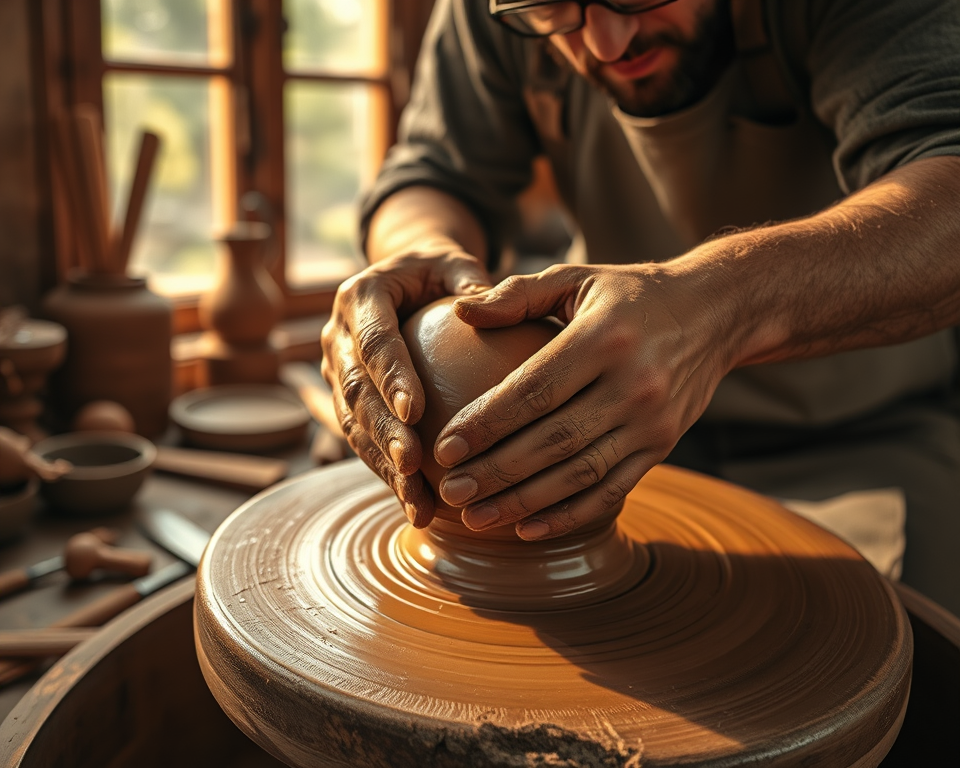
Getting your hands muddy, shaping a lump of clay into something beautiful—yeah, I totally get the thrill of that. But what if I told you that the real secret to pottery magic starts before you even pick up that piece of clay? That’s right! It’s all about keeping your pottery clay moist. Nobody wants to be wrestling with a dry, crumbly mess halfway through their creation. So, let’s jump into the wonderful world of moisture management together, shall we?
Key Takeaways:
– Moisture loss in clay can be affected by factors like air exposure, temperature, and workspace conditions.
– Using techniques like plastic wrap or misting can help maintain clay freshness.
– Keeping the right tools handy, like airtight containers, is essential for solid clay care.
– Troubleshooting drying problems quickly can save your projects from despair.
– Eco-friendly practices like recycling can not only save clay but also make a positive impact on the environment.
Table of Contents
- 1 Why Pottery Clay Dries Out
- 2 Techniques to Keep Pottery Clay Moist
- 3 Recommended Tools for Moisture Retention
- 4 Troubleshooting Common Clay Drying Problems
- 5 Advanced Tips for Maintaining Moisture Across Different Clay Types
- 6 Sustainable Practices for Pottery Clay Management
- 7 Frequently Asked Questions
- 7.1 How can I prevent my pottery clay from drying out too quickly in a hot environment?
- 7.2 What is the best way to store leftover clay to ensure it stays moist?
- 7.3 Are there specific humidity levels that are ideal for storing pottery clay?
- 7.4 Can I use regular plastic wraps to keep my clay moist, or are there specific brands better suited for this?
- 7.5 How do the additives in clay help with moisture retention?
- 7.6 What are some common mistakes potters make that lead to clay drying out?
- 7.7 Is it possible to revive clay that has completely dried out?
- 7.8 How can I differentiate moisture needs among different types of pottery clay?
- 7.9 What sustainable practices can help reduce waste when working with pottery clay?
Why Pottery Clay Dries Out
So, first things first—why does pottery clay dry out in the first place? Trust me, I’ve been there, frantically trying to revive a piece of clay that just won’t cooperate. It turns out, moisture loss in clay happens for several reasons.
Common Reasons Pottery Clay Loses Moisture
Air exposure is like the sneaky villain in the world of clay. Once you unwrap that beautiful hunk of earth, the air starts robbing it of its moisture, making it dryer by the minute. Then there’s the temperature factor—if you’re working in a hot, dry space, your clay will suffer immediate consequences. It’s no picnic when those lovely, workable clumps turn into a hard, unwieldy rock.
Want to make this problem worse? Try handling your clay too much without giving it proper moisture breaks. Those warm little fingerprints don’t help keep it fresh! And let’s not forget workspace humidity. If it’s too dry where you’re working, your clay will feel it right away.
Understanding the Science of Moisture Retention
Now that we’ve tackled the reasons behind clay drying, let’s get into the science of it. Pottery clay is made up of porous materials—think of it like a sponge that needs to be kept wet. The properties of pottery clay can vary significantly based on composition, so understanding your material can be a game changer. Different types of clay have different particle sizes and structures, which can impact how easily moisture is retained.
I once used a stoneware clay that actually held moisture a lot better than the earthenware I typically use. It was a real eye-opener! Keeping the moisture balanced is crucial, as it directly affects how clay performs while shaping and firing.
Techniques to Keep Pottery Clay Moist
Now, let’s get down to the fun, hands-on stuff. How do we actually keep this clay moist? I’ve got some tried-and-true techniques that I’ve used over the years. They’re super effective, and I promise they’ll save you from the sadness of dealing with dry clay.
The Plastic Wrap Method
One of my all-time faves is the plastic wrap method. This bad boy works wonders when storing clay. When you finish working with a piece, wrap it tightly in plastic wrap. The key here is to ensure there’s minimal air exposure, which is just waiting to suck the moisture right out. I often get those bulk rolls of plastic wrap from Reynolds—around $8 for a roll—and they work like a charm.
Make sure to use enough layers to create a moisture barrier. You don’t want to skimp on this. It’s like tucking your clay into bed after a long day of creativity.
Misting and Hydration Techniques
Another sweet trick is misting your clay with water. I usually grab a spray bottle (you can get a good one for about $10) and keep it filled with water. Just spritz your clay lightly when you notice it starting to look a little dry.
Be cautious not to go overboard here, though. Too much misting can soggy it up and make it a real mess, so I usually opt for a gentle spritz every now and then rather than a full soaking. Think of it as keeping your clay hydrated enough to stay fluffy and workable.
Recommended Tools for Moisture Retention
Tools can change the game, folks! Having the right resources on hand can save you a ton of headaches—believe me.
Using Airtight Containers for Storage
If you wanna keep your unused clay fresh for as long as possible, airtight containers are a must-have. I love the Snapware Airtight Containers (around $12 for a medium size) because they seal exceptionally well, keeping the clay from turning into a rock. You can stack these up neatly if you have multiple types of clay, which helps keep your workspace tidy.
Just make sure to check the seal. I can’t tell you how many times I’ve thought I sealed something, only to find it dry as a bone later. Always give it a good check before walking away!
Tips for Ambient Humidity Control
I’m all about creating a comfortable workspace, so let’s talk about humidity control. Get yourself a hygrometer (they’re under $15) and monitor your room’s humidity levels. Ideally, you want your workspace around 50-70% humidity. When it’s too dry, those lovely clay sculptures are at risk.
One trick I learned recently is to place a shallow pan of water in your workspace. It naturally raises humidity as it evaporates. Eco-friendly and super effective!
| Tool | Purpose | Price |
|---|---|---|
| Plastic Wrap | Seal clay to prevent drying | ~$8 |
| Spray Bottle | Misting clay | ~$10 |
| Airtight Container | Storage for unused clay | ~$12 |
| Hygrometer | Monitor humidity | ~$15 |
Troubleshooting Common Clay Drying Problems
We’ve got the techniques down, but what about when things go wrong? Sometimes despite our best efforts, clay gets dried out, and it’s essential to know how to troubleshoot those issues.
How to Rehydrate Dry Clay
First thing’s first—if your clay starts feeling a bit too hard, do not panic! There’s still hope. To rehydrate dry clay, I usually cut it into small chunks and put it in a jar with a little bit of water at the bottom. Tightly seal it and let it sit for a few hours. When you come back, it should be much more workable.
This technique has saved many of my sculptures—I learned this after a panic when I forgot to cover my clay after a long session. Generally, a good tip is to also check your clay’s consistency; you want it to be similar to softened butter.
Avoiding Common Mistakes
Of course, we want to avoid repeat mistakes. One of the biggest errors is leaving the clay exposed for too long. It’s like a bad horror movie; you keep screaming, “Don’t go in there!” but yet you end up with a dried-up mess.
You should also remember to wrap up your leftovers every time; that goes for scraps too. No clay deserves to be wasted or left out in the dry air!
Advanced Tips for Maintaining Moisture Across Different Clay Types
Are you ready to take this up a notch? Let’s chat about some advanced techniques tailored specifically for the different types of clay you might be using.
Tailoring Techniques for Specific Clay Types
Each clay type has its own set of needs. For instance, porcelain tends to dry out faster than stoneware, given its finer texture. I’ve found that using a moist sponge can be an excellent way to keep porcelain damp while I’m working with it.
Once, while working with some earthenware, I realized that my usual misting technique wasn’t doing the trick. The clay was more porous, which meant it was absorbing moisture quicker. I adjusted by using heavier plastic wraps to keep it sealed tightly.
Understanding the Role of Additives in Moisture Retention
Have you ever thought about clays with additives? Certain additives like glycerin can help improve moisture retention. Just make sure to follow the manufacturer’s recommendations for how much to add. It might run you around $10 for a good size bottle, but it’s totally worth it for keeping that clay nice and pliable.
I once mixed in a bit too much, and it made my clay a squishy, gooey mess—not ideal! It’s essential to find that sweet spot.
Sustainable Practices for Pottery Clay Management
Alright, let’s shift gears for a moment and focus on how we can make our pottery practice a little more eco-friendly. I mean, why not save the earth while we’re at it, right?
Incorporating Zero-Waste Practices in Clay Use
I’m a huge fan of zero-waste practices. It’s easy to get carried away with scraps, thinking they’ll just end up in the trash. Instead, I recommend saving your leftovers or clay “trash.” You can mix these scraps with water to create a new batch of usable clay.
My local pottery group even hosts workshops on how to refine scraps into new usable clays. Being eco-conscious adds not only value to your practice but also to the community. It’s like giving your clay a second chance!
Recycling and Repurposing Clay: Best Practices
Recycling clay can feel like a cheat code in pottery. I typically keep a bucket specifically for recycled clay. Whenever I notice any unusable bits, into the bucket it goes! Just remember to let it dry out before adding it to your main clay when you’re ready to reuse.
Here’s a handy tip: make sure all your saturated scraps are blended evenly before you attempt to reuse them. A small hand mixer for clay can be an excellent tool to have on hand here—just think about how smooth your resulting mixture will be!
By incorporating these sustainable practices, you’re not just improving your pottery workflow but also positively impacting the environment. It makes me feel good to know I’m reducing waste while creating art!
Charged up with this fresh knowledge, I’m excited for you to get started! Keeping your clay moist is totally achievable, and with the right techniques, tools, and eco-friendly mindset, your pottery game will be in top shape. Let your creativity flow—moist clay and all!
Frequently Asked Questions
How can I prevent my pottery clay from drying out too quickly in a hot environment?
To prevent pottery clay from drying too quickly in hot conditions, try to maintain a cool workspace and increase humidity levels using a humidifier or placing a bowl of water nearby. Cover your clay with a damp cloth or plastic wrap when not in use, and consider working with smaller portions to minimize exposure.
What is the best way to store leftover clay to ensure it stays moist?
The best way to store leftover clay is to place it in an airtight container or wrap it securely in plastic wrap. This helps create a moisture barrier that prevents evaporation. You could also add a damp sponge inside the container to help maintain humidity levels.
Are there specific humidity levels that are ideal for storing pottery clay?
Ideally, pottery clay should be stored in an environment with humidity levels between 30-50%. Too low humidity can lead to rapid drying, while excessive moisture can cause the clay to become too wet, making it difficult to work with.
Can I use regular plastic wraps to keep my clay moist, or are there specific brands better suited for this?
Regular plastic wraps can be effective for keeping clay moist, but it’s best to choose thicker, higher-quality brands that provide a more airtight seal. Ensure there are no gaps when wrapping the clay to minimize moisture loss.
How do the additives in clay help with moisture retention?
Additives like glycerin or other humectants can enhance moisture retention by creating a gel-like consistency in the clay. These substances help to lock in water and make the clay less prone to drying out during use, improving workability.
What are some common mistakes potters make that lead to clay drying out?
Common mistakes include not covering clay promptly after use, working in a dry environment, and handling large amounts of clay that expose more surface area to air. Additional issues may include neglecting to check the humidity in the workspace regularly.
Is it possible to revive clay that has completely dried out?
Yes, you can often revive completely dried clay by soaking it in water for a few hours, then kneading it to mix in the moisture. If the clay is too crumbly, adding a small amount of vinegar during the hydration process can improve its pliability.
How can I differentiate moisture needs among different types of pottery clay?
Different clay types such as earthenware, stoneware, and porcelain have unique moisture needs due to their composition. For instance, porcelain tends to dry out faster than stoneware, so it may require more frequent hydration and careful storage to maintain workability.
What sustainable practices can help reduce waste when working with pottery clay?
Sustainable practices include recycling clay scraps by rehydrating and repurposing them, using eco-friendly materials, and minimizing excess clay during projects. Implementing zero-waste strategies, like measuring carefully and planning projects, can also help reduce waste significantly.
