
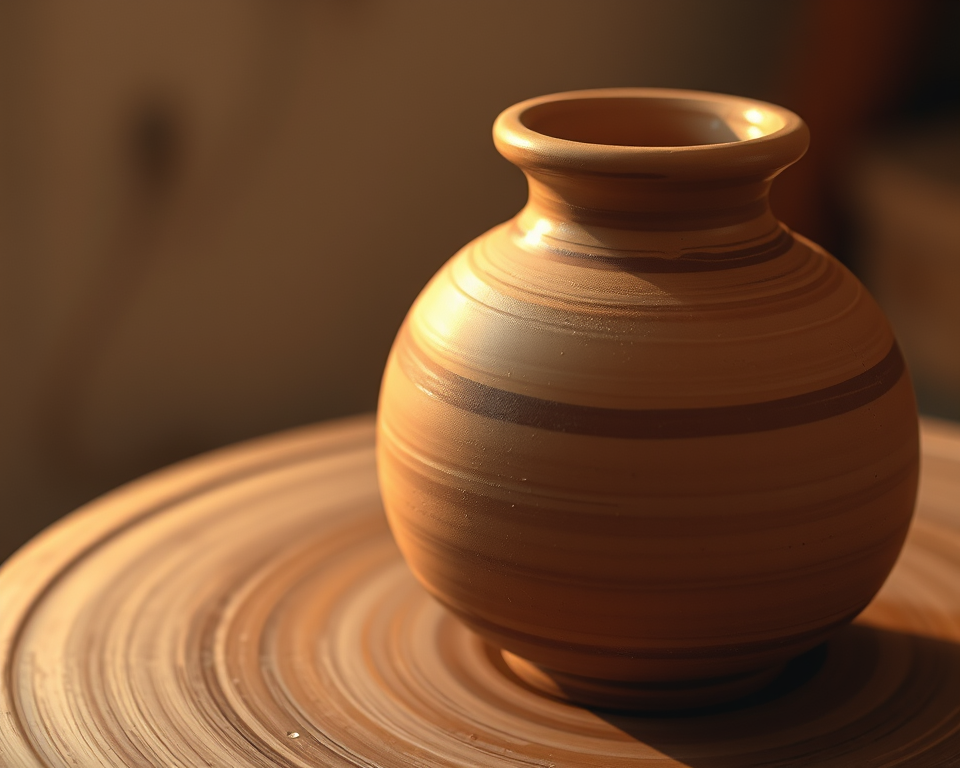
I can’t tell you how many times I’ve watched someone pour their heart into a stunning pottery piece only to let it slip through their fingers because they didn’t seal it right. Sound familiar? Sealing pottery is absolutely crucial—whether you want to protect it, enhance its beauty, or make it food-safe. If you’re here, it means you’re ready to roll up your sleeves and learn how to safeguard your creations. Trust me, you’re in the right place!
Key Takeaways:
– Choosing the right sealant is essential for achieving the look and durability you want.
– Application methods matter; different techniques yield different results.
– Take safety precautions—your health is just as important as your art!
– Learning from mistakes will make you a better potter—everyone messes up sometimes, right?
Table of Contents
- 1 Common Sealants for Pottery
- 2 Application Methods
- 3 Essential Techniques for Proper Sealing
- 4 Safety Precautions When Sealing Pottery
- 5 Common Mistakes to Avoid
- 6 User Experiences and Tips
- 7 Final Thoughts: Engaging the Craft Community
- 8 Frequently Asked Questions
- 8.1 What is the difference between sealants and glazes in pottery?
- 8.2 Can I use regular paint as a sealant for pottery?
- 8.3 How do I know if a sealant is food-safe?
- 8.4 What preparations should I do before sealing my pottery?
- 8.5 Can I mix different types of sealants on the same piece?
- 8.6 What are the best practices for applying sealants evenly?
- 8.7 Are there any specific brands of sealants recommended for pottery?
- 8.8 How can I troubleshoot sealing issues, like peeling or bubbling?
- 8.9 Is there a difference in sealant application for terracotta versus stoneware?
- 8.10 How should I store sealed pottery to maintain its finish?
Common Sealants for Pottery
Before we jump into the nitty-gritty, let’s talk sealants. Not all sealants are created equal, and understanding the options available is essential! You’ve got a few different routes to take here: acrylic, oil-based, polyurethane, epoxy—each with its own set of properties and purposes.
Types of Sealants
Acrylic Sealants: These bad boys are water-based, making them super easy to clean up—just use soap and water. They dry clear and are great for the casual crafter, but they’re not the toughest option out there. For instance, the Krylon Easy Tack Spray Adhesive (around $7 for a can) is a popular choice among potters.
Oil-based Sealants: These provide a tough, protective layer but can take longer to dry. The Minwax Polycrylic Protective Finish (around $12 for a quart) is a great option that adds a glossy finish while giving your pottery some real strength.
Polyurethane Sealants: They’re super durable, making them an ideal choice for high-use items like serving dishes. The Rust-Oleum Varathane Crystal Clear (approximately $15 for a quart) has a water-resistant and scratch-resistant finish that’s hard to beat.
Epoxy Sealants: If you want top-notch durability, epoxy is your friend. It’s great for both decorative and functional pottery. Check out Gorilla 2 Part Epoxy (around $8 for a set) for a reliable, long-lasting seal.
Food-Safe Sealants: If your pottery is heading to the table, you have to go food-safe! Products like FDA-approved Clear Glaze sealants are crafted specifically for this purpose—just make sure to read the label!
“Picking the right sealant is like choosing a good partner—you want to ensure they match your needs and complement your style.”
Application Methods
Alright, let’s get into how to actually put these sealants to work! It’s not just about slapping on a coat and calling it good; the application method can make or break your project.
Brush-On Sealants
This is the classic method! Grab a clean brush and dip it into your sealant. Apply a thin layer, allowing it to soak into the pottery. This method is perfect for intricate designs or uneven surfaces since the brush lets you get into all those nooks and crannies.
Spray Sealants
Super quick and generally a no-mess situation. Just make sure you’re in a well-ventilated area! An option like Krylon Crystal Clear Acrylic Coating is fantastic because it dries quickly and is widely available. Hold the can about 12 inches away and apply light, even coats.
Dip Sealing
Got a lot of pieces to seal? Why not dip ‘em? Just fill a bucket with your sealant and plunge your piece in, ensuring all areas are covered. It’s a speedy way to achieve an even coat, but you’ll want to keep an eye on drips.
Sponge Application
For those soft textures, consider using a sponge! It applies a lovely, even coat that won’t disturb your surface. Plus, it’s a simple method to control how much sealant goes on, reducing waste.
Roller Application
I’m a big fan of using a small foam roller for bigger pieces. It gives a great finish and is particularly useful for flat or slightly raised surfaces.
“Different application methods can yield different aesthetics and durability—experiment to find what suits best for your style!”
Essential Techniques for Proper Sealing
Now that you’ve got your sealant and know how to apply it, let’s cover some essential techniques that’ll really elevate your sealing game.
Step-by-Step Sealing Process
Preparation: First, clean your pottery piece thoroughly—any dust or grease can mess up your bond. Lightly sand any rough areas, wiping them down with a damp cloth after sanding.
Choose Your Sealant: Based on your piece’s purpose, pick the sealant that meets your needs (food-safe, waterproof, etc.).
Test: If you’re unsure how the sealant will look, do a small test patch on the bottom or an inconspicuous area.
Apply: Use your chosen technique (brush, spray, sponge, etc.) to apply one or two coats, allowing enough time for each coat to dry as per the manufacturer’s recommendations.
Cure: Allow your pottery to cure fully, which could be anywhere from a few hours to a couple of days, depending on the product used.
Drying and Curing Times
I can’t stress enough how important it is to follow the drying and curing times! Rushing this process can lead to hazy finishes or even sealant that peels off. Always check the sealant label, as each one varies. For instance:
| Sealant Type | Drying Time | Curing Time |
|---|---|---|
| Acrylic | 30 minutes | 24 hours |
| Oil-based | 2 hours | 48 hours |
| Polyurethane | 1-2 hours | 72 hours |
| Epoxy | 5 minutes | 24 hours |
Be patient! Just think of it as time to plan your next masterpiece.
Safety Precautions When Sealing Pottery
Okay, let’s chat safety. We all love our craft, but we’ve got to make sure we’re keeping ourselves safe during the sealing process.
Health and Safety
First things first, make sure you’re working in an area that’s well-ventilated. Open windows or, even better, take your project outside if you can! Trust me, you don’t want those fumes lingering in your crafting space.
Protective Gear: Never skip your gloves and, if you’re sensitive to smells, consider a mask. No one wants to be coughing after a crafting session!
Food-Safe Sealants
If you’re planning on using your pottery for food or drink, this is non-negotiable. Make sure any sealant you choose is explicitly labeled as food-safe. Brands like Mason’s Ironstone Food Safe Glaze or Amaco’s Food Safe Clear Glaze are excellent options for projects that will see the dinner table.
“Safety isn’t just a good idea; it’s an essential part of potting. Always select materials that ensure your art is safe for you and your loved ones!”
Common Mistakes to Avoid
Let’s face it; we’ve all made our fair share of pottery blunders! I’m here to help you sidestep those pitfalls.
Troubleshooting Issues
Dull Finish: If your sealant dried dull, it might have been applied too thickly or not stirred correctly. Don’t be afraid to sand down any uneven patches and reapply!
Peeling Sealant: Have you ever noticed your sealant peeling away? This usually means your piece wasn’t clean enough before sealing. Ensure you wash and dry your ceramics thoroughly before application.
Bubbling Sealant: Yikes, those pesky bubbles can ruin a perfect finish! This happens when the sealant isn’t applied slowly or evenly. Keep that brush steady!
Effective Sealing Avoidances
- Rushing the Drying Process: I know—it’s tough to wait, but allow the coats to dry fully. Patience pays off, friends!
- Ignoring Instructions: Always check the label for specifics. Each product might have its quirks, so be sure to read up.
- Not Testing Before Application: Don’t just dive in without testing a small area first! This can save you a lot of heartache down the line.
User Experiences and Tips
With all these tips and tricks, you’re gonna be on fire! But I think it’s important to learn from others too—community experiences can really help light the way.
Community Insights
Check out pottery forums or social media groups. Potters love to share their stories, and you can pick up some amazing tips from others who’ve likely faced the same hurdles you might encounter.
Case Studies and Anecdotes
Not long ago, a pottery friend of mine decided to seal her beautiful garden planters but rushed through the drying process. Unfortunately, she had a few pieces that ended up with a hazy surface. What a bummer! Instead, she started taking time for proper prepping and applied tests for new sealants, which turned out gorgeous in the end.
“Every potter has stumbled at some point; it’s how we learn and grow! Don’t be afraid to share your stories and ask your burning questions.”
Final Thoughts: Engaging the Craft Community
While you’re gathering all this information and fine-tuning your sealing technique, don’t forget to engage with fellow potters. Share your triumphs and blunders in community forums or social media pages. Sometimes, just knowing you’re not alone in this creative journey can make all the difference!
Whether you’re making a gift for a loved one or creating something unique for yourself, remember that every piece tells a story—and sealing it properly is just the beginning of that tale. Happy potting!
Frequently Asked Questions
What is the difference between sealants and glazes in pottery?
Sealants provide a protective barrier against moisture and stains, while glazes offer decorative finishes and can also enhance the durability of the pottery. It’s essential to choose the right one based on your functional needs and desired aesthetics.
Can I use regular paint as a sealant for pottery?
No, standard paint is not suitable as a sealant. It may not provide the necessary waterproofing or durability needed for functional pottery. Always opt for products specifically designed as sealants or glazes for best results.
How do I know if a sealant is food-safe?
To ensure a sealant is food-safe, check for certifications or labels indicating it meets FDA standards for food contact. Look for non-toxic and eco-friendly products that explicitly state they are suitable for kitchen use.
What preparations should I do before sealing my pottery?
Before sealing, clean your pottery thoroughly to remove dust, oils, or residues. Allow it to dry completely, and if necessary, sand any rough spots to ensure a smooth, even application of the sealant.
Can I mix different types of sealants on the same piece?
It’s generally not advisable to mix different sealants, as their chemical compositions may react negatively, impacting adhesion and durability. Stick to one type of sealant for consistent results unless specified otherwise by the manufacturer.
What are the best practices for applying sealants evenly?
Using a high-quality brush, spray, or sponge application can help achieve an even coat. Avoid over-applying; thin layers are more effective. Allow drying times between coats to ensure proper adhesion and coverage.
Are there any specific brands of sealants recommended for pottery?
Popular brands such as Clear Acrylic Sealant, Liquitex Gloss Medium, and Mod Podge offer reliable options for pottery sealing. Always read reviews and consider your specific pottery needs when selecting a product.
How can I troubleshoot sealing issues, like peeling or bubbling?
If you notice peeling or bubbling, it may be due to improper surface preparation or application. Sand the affected area and reapply the sealant following the recommended drying times. Conducting a test on a small area first can help avoid these issues.
Is there a difference in sealant application for terracotta versus stoneware?
Yes, terracotta is more porous than stoneware, which means it may require more sealant for complete coverage. Additionally, terracotta may need a primer or initial sealing layer to reduce absorption before applying the final sealant.
How should I store sealed pottery to maintain its finish?
Store sealed pottery in a cool, dry place away from direct sunlight. Avoid stacking items unless they are cushioned or wrapped to prevent scratches and damage to the sealant finish. Regularly check for any signs of wear or damage to the sealant.
