
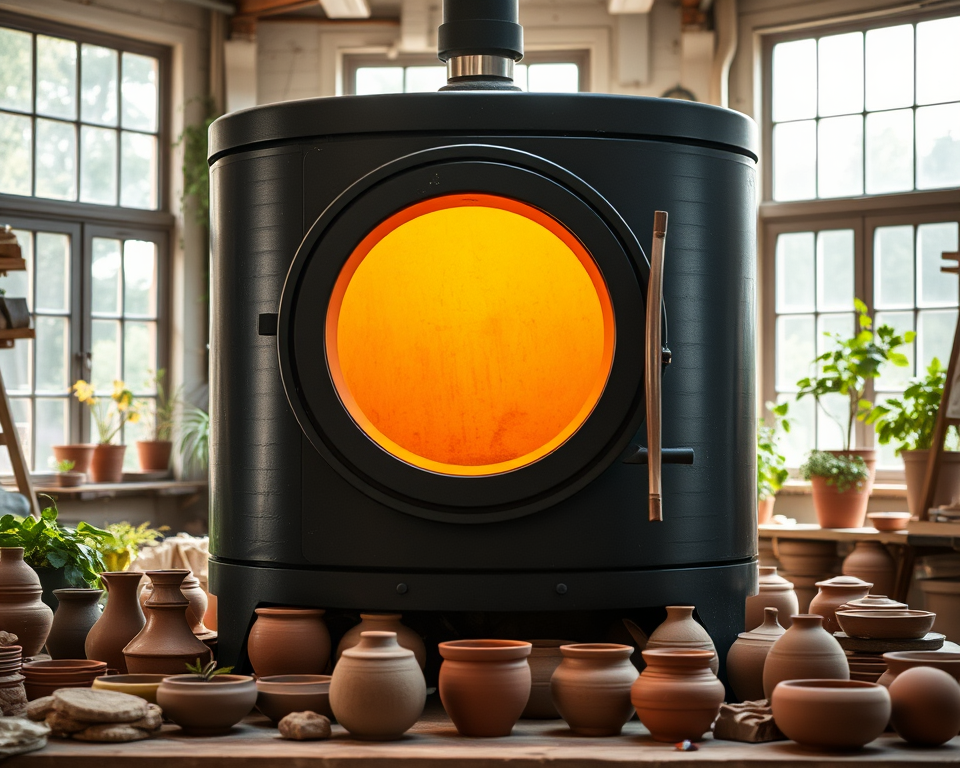
When I first got into pottery, I was hit with a million questions. One of the biggest was, “What’s the deal with pottery kilns? Do I really need one?” If you’re reading this, chances are you’re curious too! Pottery kilns are the beating heart of ceramic art, and understanding the ins and outs of these bad boys will not only up your pottery game but also heighten your creativity.
So grab your favorite mug and let’s get into the nitty-gritty of what pottery kilns are all about!
Table of Contents
- 1 Key Takeaways
- 2 Understanding Pottery Kilns: Basics and Definitions
- 3 Types of Pottery Kilns
- 4 How to Use a Pottery Kiln Safely
- 5 Buying a Pottery Kiln: A Beginner’s Guide
- 6 Expert Tips for Enhancing Your Kiln Experience
- 7 Frequently Asked Questions
- 7.1 What are the different firing temperatures used in pottery kilns?
- 7.2 How does the firing schedule affect the final product?
- 7.3 What safety gear is recommended for kiln operation?
- 7.4 How can I tell if my kiln is operating efficiently?
- 7.5 Can I fire different types of clay in the same kiln?
- 7.6 What should I know about kiln ventilation?
- 7.7 Are there specific brands that beginners should consider when buying a kiln?
- 7.8 How do I maintain my kiln for longevity?
- 7.9 What are the benefits of joining a pottery community?
Key Takeaways
- A pottery kiln is essential for firing your creations, turning clay into durable ceramic.
- There are various types of kilns, including electric, gas, and wood-fired, each with unique benefits and drawbacks.
- Safety is crucial; understanding proper ventilation and kiln placement can save you from accidents.
- Budgeting for your first kiln doesn’t have to be overwhelming if you know what to look for.
- Community involvement, through local pottery groups or online forums, can enhance your skills and knowledge further.
Understanding Pottery Kilns: Basics and Definitions
What is a Pottery Kiln?
So, what exactly is a pottery kiln? Picture it as a special oven designed for firing ceramic pieces. According to the pottery experts I’ve spoken with, it essentially takes soft, fragile clay, and with the right application of heat, transforms it into hard, durable ceramics. The firing process, which is critical in pottery-making, is what gives clay its final body.
Kilns operate at high temperatures—often ranging between 1,800°F to 2,500°F depending on the type of clay and glaze you’re using. You’ve got your electric kilns, perfect for beginners, running efficiently with temperature control features, like the Paragon X301 (around $1,000) or the Skutt KMT (about $1,200).
If you’re considering something with a bit more flair, gas kilns are fantastic for those unique finishes and earthy tones. The Olympic 2828G gas kiln (around $2,800) gives amazing results, but they do require more setup and location considerations compared to electric kilns.
“Finding the right kiln is like finding the perfect partner; it needs to fit your style and needs.” – An experienced potter friend of mine.
The Firing Process Explained
So you’ve got your kiln, but how does the firing process work? It’s a choreographed dance of temperature control and timing that can get a bit complicated. Here’s the breakdown:
- Bisque Firing: This is the first firing, where the clay becomes hard enough to handle but isn’t yet finished. It’s typically done at a temperature around 1,830°F.
- Glaze Firing: After glazing, your pieces undergo another firing, often at higher temperatures between 1,950°F to 2,230°F, allowing the glaze to mature and bond with the clay.
Having a firing schedule keeps everything on track. Many kilns like the L&L Kiln models come with programmable features that allow you to create firing cycles tailored to your specific needs.
Types of Pottery Kilns
Electric vs. Gas Kilns: Pros and Cons
When you’re shopping for a kiln, the biggest question is often, “Electric or gas?” Each option has its pros and cons.
Electric Kilns:
– Pros:
– User-friendly and great for beginners.
– Consistent temperature control.
– Compact size options available.
– Cons:
– Limited to oxidation firing, which can restrict certain glazes.
A solid choice is the Skutt KM-1027 model, retailing around $1,700, which offers excellent features for both beginners and seasoned potters.
Gas Kilns:
– Pros:
– Versatile firing atmospheres (oxidation and reduction).
– Great for achieving unique effects in your ceramics.
– Cons:
– Higher installation costs, including venting and gas lines.
– A steeper learning curve to master the flame.
For gas enthusiasts, I’d recommend the AMACO GP-3SC which runs around $2,400 and provides good space for larger projects.
Specialty Kilns and Their Unique Uses
Ever heard of raku firing or salt glazing? Specialty kilns like the Raku kiln from Scutt can let you experiment with these unique techniques that totally transform your pottery.
Raku Kiln: Designed for rapid firing and cooling, the results are stunning, but you must manage high risks! A good starting model is often found for around $500. On the other hand, salt glazing can coax some unique textures and colors, but you’d typically need a downdraft kiln specifically for that.
Let’s not forget anagama kilns, which allow for wood firing creating beautiful, rich surfaces you won’t get anywhere else. However, this setting isn’t the most beginner-friendly, so tread carefully!
| Kiln Type | Pros | Cons |
|---|---|---|
| Electric Kiln | Easy to use, compact, consistent temp | Limited glaze options |
| Gas Kiln | Versatile, unique firing atmospheres | Installation complexity, higher costs |
| Raku Kiln | Unique finishes, fast firing | Requires careful handling |
| Wood-Fired Kiln | Rich textures, community involvement | Labor-intensive, time-consuming |
How to Use a Pottery Kiln Safely
Essential Safety Considerations
Safety first, folks! Using a kiln comes with its risks, so it’s essential to manage that with smart practices. Ventilation is crucial to avoid toxic fumes; ensure your workspace has proper airflow.
Make sure to invest in safety gear, including gloves, goggles, and, if possible, a fireproof apron. Having a fire extinguisher nearby certainly doesn’t hurt either. Always know your kiln’s warning signs—like unusual smells or erratic temperature readings—and don’t hesitate to stop using it if something feels off.
Proper Kiln Placement and Maintenance
Kiln placement might not seem like a big deal, but trust me—it’s HUGE. Ideally, you want it situated away from flammable materials, near a ventilation source, and in a safe environment. Here are a few tips for optimal kiln conditions:
- Space Planning: Avoid cramping the kiln; give it room to breathe.
- Regular Maintenance: Periodic check-ups can prevent major issues down the line.
Keeping an eye on your kiln’s condition, along with regular cleaning, can prolong its life. Getting into a routine maintenance schedule ensures you catch small problems before they escalate.
Buying a Pottery Kiln: A Beginner’s Guide
How to Select the Right Kiln for Your Needs
With so many options out there, how on earth do you pick the right kiln? Start by considering your pottery goals. Do you want to create functional stoneware, or are you more into decorative pieces?
A beginner’s top choice is often the Skutt KM-822, excellent for small projects with a price point around $1,200. When shopping, here are a few essential features you should keep in mind:
- Size: Will it accommodate the types of projects you’re planning?
- Ease of use: Look for those handy digital controllers for easier programming.
- Thermal insulation: A well-insulated kiln saves on energy and helps maintain heat.
Cost Considerations and Budgeting Tips
Budgeting doesn’t have to be daunting! You can find safe, functional kilns within a range that suits most budgets—from the lower end at about $500 for smaller electric models to more advanced setups around $3,000 for gas kilns.
In terms of hidden costs, don’t forget about utilities! Operating costs can vary significantly based on how often you fire your kiln and what type you choose. Remember that investing in maintenance can save you costs long-term because you’ll help extend the life of your equipment.
Expert Tips for Enhancing Your Kiln Experience
Enhancing Your Skills and Techniques
Want to level up your pottery game? Consider taking classes or joining local pottery groups. Workshops are often filled with amazing techniques that can ignite your creativity and solidify your skills. Plus, connecting with other potters gives you insights they’ve learned through years of experience.
I can’t tell you how many tips I’ve picked up just from being around other potters—a buddy once showed me how to experiment with different glazes that I’d never thought of trying!
Connecting with the Pottery Community
Don’t underestimate the power of community. Whether you join local pottery groups or explore online forums, interacting with fellow potters can be invaluable. This is where you can share tips, troubleshoot issues, and even find mentors in the field.
Check out platforms like Pottery Heads or Ceramics Network, where you can engage with a community passionate about pottery. You’ll be amazed by the wealth of knowledge out there just waiting for you to tap into!
Working with pottery kilns is both an adventure and an art—you’re not just making pieces; you’re creating stories and memories. Embrace the journey, connect with others, and transform your raw clay into beautiful, rich pottery.
Frequently Asked Questions
What are the different firing temperatures used in pottery kilns?
Firing temperatures in pottery kilns vary based on the type of materials used. Generally, low-fire kilns operate between 1,830°F to 2,100°F (1,000°C to 1,150°C), mid-range kilns fire between 2,100°F to 2,300°F (1,150°C to 1,260°C), and high-fire kilns exceed 2,300°F (1,260°C). Understanding these temperatures helps in achieving desired textures and colors in your pottery.
How does the firing schedule affect the final product?
The firing schedule greatly influences the clay body and glaze results. A carefully planned schedule—encompassing heating rates, soaking times, and cooling periods—ensures even firing and prevents defects such as cracking and blistering. Kiln owners typically adjust these parameters depending on the specific clay and glaze used.
What safety gear is recommended for kiln operation?
When operating a pottery kiln, it’s essential to wear safety gear such as heat-resistant gloves, goggles, and masks to protect against gas fumes and particulate matter. Additionally, wearing fireproof clothing can provide added protection while handling hot equipment or materials.
How can I tell if my kiln is operating efficiently?
To assess your kiln’s efficiency, monitor temperature consistency throughout firing, check for proper venting, and ensure minimal energy consumption during operations. Regular maintenance, including cleaning heating elements and inspecting insulation, can also improve performance and prolong your kiln’s lifespan.
Can I fire different types of clay in the same kiln?
Yes, but you must be cautious. Mixing different clay bodies can lead to issues like thermal shock or uneven firing due to varying firing temperatures and shrinkage rates. It is recommended to fire clays with similar properties to avoid complications and achieve optimal results.
What should I know about kiln ventilation?
Proper kiln ventilation is crucial for safety and performance. It prevents the buildup of hazardous gases and maintains consistent airflow to regulate temperature. Ensure your kiln area has adequate exhaust systems or windows, and consider installing a vent system to enhance air circulation during firing.
Are there specific brands that beginners should consider when buying a kiln?
Beginners should consider reputable brands known for user-friendly features, like Paragon, Skutt, and Olympic. Look for models that offer reliable temperature control, good insulation, and warranty support. Reading user reviews and comparing features can guide you to the best option for your specific pottery needs.
How do I maintain my kiln for longevity?
Regular kiln maintenance includes cleaning the interior and exterior, checking electrical connections, inspecting the thermocouple and elements, and replacing any worn components. Create a maintenance schedule and follow manufacturer guidelines for upkeep to ensure efficient operation and extend your kiln’s lifespan.
What are the benefits of joining a pottery community?
Joining a pottery community offers invaluable benefits, such as networking with fellow potters, accessing workshops and classes, sharing techniques, and receiving constructive feedback on your work. These connections can enhance your learning experience and help you stay updated on trends and best practices in pottery.
