
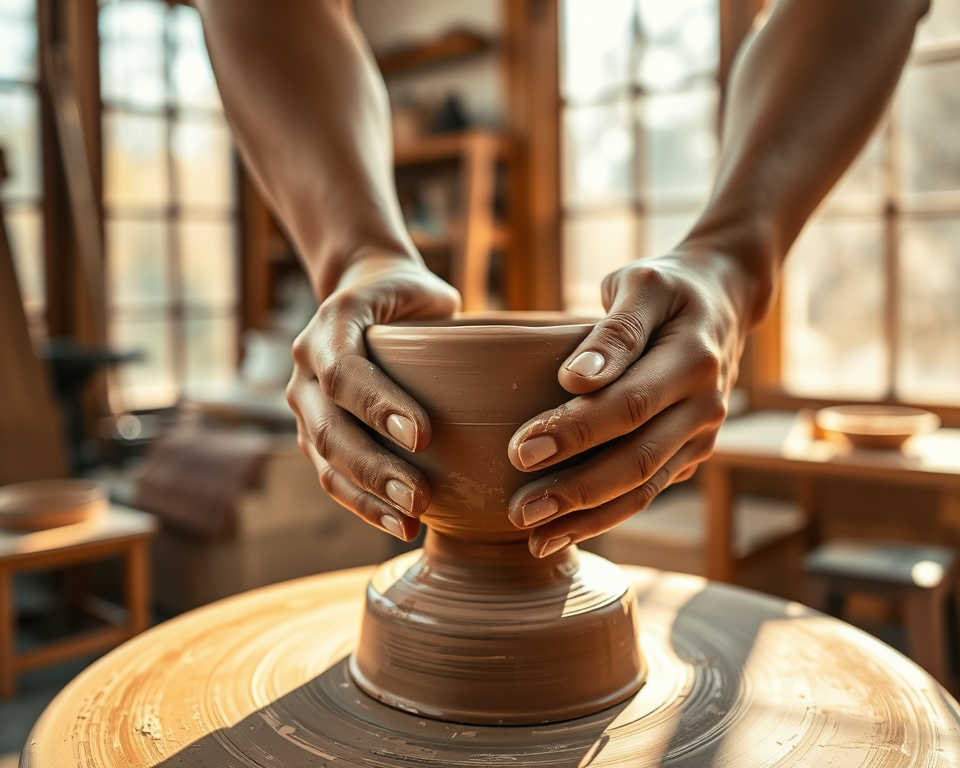
There’s something magical about working with clay, isn’t there? The way it squishes between your fingers and how you can mold it into anything your heart desires. Whether you’re a total beginner or just looking for fresh ideas, I’ve got your back! Let me take you on a whirlwind journey full of easy and fun clay projects that’ll satisfy your creative cravings while also being perfect for family fun. So grab your tools and let’s jump in!
Table of Contents
- 1 Key Takeaways
- 2 Engaging Clay Projects for Beginners
- 3 Tips and Tricks for Successful Clay Crafting
- 4 Inspiring Creative Clay Activities for Kids
- 5 Common Mistakes in Clay Crafting and How to Avoid Them
- 6 Exploring Different Types of Clay and Their Uses
- 7 Frequently Asked Questions
- 7.1 What types of tools do I need for clay crafting?
- 7.2 How can I add color to my clay creations?
- 7.3 What is the difference between air-dry clay and oven-bake clay?
- 7.4 Can I recycle or reuse clay that I didn’t use?
- 7.5 What are some tips for working with children during clay projects?
- 7.6 How do I prevent my clay projects from cracking while drying?
- 7.7 What should I do if my clay is too dry and crumbly?
- 7.8 How can I preserve my completed clay projects?
- 7.9 What are some advanced techniques for those who want to take their clay crafting to the next level?
- 7.10 Where can I find online resources or communities for clay crafting?
Key Takeaways
- Clay crafting is perfect for all ages and skill levels; there’s always something new to create!
- Simple projects can spark immense creativity—don’t feel pressured to be an expert.
- Common mistakes are easy to avoid with a few helpful tips and tricks.
- Engaging activities can enhance learning and bonding with your family.
- Choosing the right type of clay can dramatically improve your crafting experience.
Engaging Clay Projects for Beginners
Let’s kick things off with some super engaging projects that are perfect even if you’ve never touched clay before. First things first, you’ll want to ensure you have the right supplies. My personal favorite for beginners is air-dry clay, like Crayola Air-Dry Clay, which costs about $10 for a 5 lb package and requires no oven for hardening.
So, here are my top five easy projects that anyone can tackle:
Top 5 Easy Clay Projects
Clay Animals for Kids
You know those memorable moments when you’re playing with your little ones? Crafting adorable clay animals is a fantastic way to add creativity to your playtime! Go for simple shapes like snakes, birds, and turtles—they’re fun, and kids adore them!Simple Clay Figures
Ever wanted to create a mini version of your favorite characters? Use your clay to make simple figures. With some basic sculpting skills and imagination, you can whip up anything from superhero dolls to mythical creatures! Just a heads-up: don’t forget to let your creations dry completely.Basic Clay Shapes
Sometimes, less is more! Roll out some clay and shape it into fun geometric forms, like stars and hearts. This project is not only cute but perfect for learning basic crafting techniques.Quick Clay Designs
Want to make customized fridge magnets? Roll out clay and cut out fun shapes—think fruits, stars, or even your initials. Once they’re baked or dried, glue a magnet on the back, and voilà! You’ve designed something truly unique.Clay Bowls
This is an easy yet functional project! Thicken a flat, round piece of clay to form a shallow bowl shape for holding trinkets or snacks. I suggest sealing it with a food-safe finish to keep it looking fresh!
“The first step to any creative adventure is just to start. The satisfaction of creating something from nothing is irreplaceable!”
Tips and Tricks for Successful Clay Crafting
Now that you’ve got some fab project ideas, let’s make sure you tackle them without a hitch. Everyone makes mistakes, especially when starting, but I promise avoiding common pitfalls is easier than it seems.
Key Tips for Beginners
Stay Moisture-Wise: Keep your clay bag tightly sealed when you aren’t using it. The last thing you want is to work with dry, crumbly pieces!
Mind the Drying: If you’re using air-dry clay, do slow drying in a shaded area to prevent cracking. Patience will pay off!
Work in Small Sections: If you’re planning a large project, don’t try to do it all at once! Work in segments to keep your clay workable.
Get Comfortable: Use tools like a smooth roller, molds for shape consistency, and even household items for detailing. Can you imagine sculpting with a kitchen fork? It works wonders!
Using tools like Ktools 8 Piece Clay Sculpting Set—normally priced around $10 to $15—can elevate your crafting game. These tools can help you add texture, detail, and finesse to your creations.
Inspiring Creative Clay Activities for Kids
As a parent, I find joy in sharing creative activities with my kids. It’s amazing how working with clay not only entertains but also teaches them valuable skills! Plus, it gives us unforgettable family bonding moments that I cherish deeply.
Ideas for Fun Family Clay Projects
Here’s a list of family-friendly clay activities that will engage everyone, regardless of age:
Clay Scavenger Hunt: Create items that fit a theme (like nature or space) and hide them around your home. The kids will have a blast finding the treasures!
Custom Christmas Ornaments: Making personalized ornaments is a nice touch for holiday traditions. Umbrella, snowflake, or even a favorite symbol—each ornament tells a story.
Collaborative Murals: Give everyone a section of a large piece of baked clay to decorate. Then, paint the entire piece once it’s complete. The sense of community is just unbeatable.
Educational Benefits of Clay Crafting
Beyond just fun, did you know that clay crafting delivers solid educational benefits, particularly for kids? Working with clay promotes cognitive development, creativity, and fine motor skills. Here’s how:
| Benefit | Explanation |
|---|---|
| Cognitive Development | Engaging with clay enhances problem-solving and critical-thinking skills. |
| Creativity | It allows expression and imaginative play, nurturing artistic talent. |
| Fine Motor Skills | Sculpting and molding improves hand-eye coordination and dexterity. |
“Crafting projects like these are a unique blend of fun and educational opportunities that kids will always remember!”
Common Mistakes in Clay Crafting and How to Avoid Them
No one’s perfect—especially when it comes to crafting, right? But being prepared and knowing common pitfalls can save you time and frustration.
Troubleshooting Common Clay Challenges
Here’s a rundown of frequent challenges and how you can conquer them:
Cracked Clay: If your clay is cracking, it might be drying too quickly. Always ensure you’re working with damp, pliable clay, and wrap it in damp cloth when not in use.
Softening Hard Clay: Hardening clay is often irreversible, but you can add a little bit of water to soften it temporarily. However, stick to fresh clay when possible.
Failed Projects: Reviving a project is possible! If it seems like disaster has struck, break the piece apart and rework it into something entirely new! Reshape it and breathe life into what seemed lost.
With these tips in your toolbox, you’ll never be at a loss for solutions!
Exploring Different Types of Clay and Their Uses
Knowing your clay options can tremendously impact your experience. Let’s break down some common types you might run into at your local craft store.
Selecting the Best Clay for Your Projects
Not all clays are created equal! Here’s a quick look at a few popular varieties:
| Type of Clay | Best For | Price Range |
|---|---|---|
| Air-Dry Clay | Beginners, non-fired projects | $10 for a 5 lb package |
| Polymer Clay | Durable sculptures, bakeable | $1-$3 per block |
| Ceramic Clay | Pottery and fire projects | $15-$25 for a 25 lb bag |
If you’re just starting off, air-dry clay is an excellent choice for its ease of use and versatility. You’ll find that Sculpey III polymer clay also does wonders for detailed work. Its vibrant range of colors is a hit for making charms and detailed sculptures.
Guide to Hardening and Finishing Clay
Once you’ve made something fab, it’s time to finish it up! Here’s how to ensure it lasts:
Air-Dry Method: Just set it aside in a cool, dry place and wait! Most air-dry clay can take between 24 to 48 hours to fully harden.
Oven-Baking: If you’re using polymer clay, preheat your oven to 275°F and bake for about 15 minutes per 1/4 inch of thickness. It’s super simple, but remember to keep an eye on it!
Finishing Touches: Add embellishments like paint or sealers for extra durability and style. You can find great options like Mod Podge, perfect for sealing and enhancing your creations.
With all these methods at your fingertips, it’s easy to put the finishing touches that’ll make your projects truly pop!
Remember, crafting is not just about the end product; it’s also about the fun and learning moments along the way! So roll up your sleeves, grab your clay, and let those creative juices flow.
Frequently Asked Questions
What types of tools do I need for clay crafting?
While many beginners can start with their hands, having a few basic tools can enhance the experience. Essential tools include a rolling pin, craft knife, smoothing tool, and various sculpting tools for detailing. You can also use household items like toothpicks and old credit cards to create textures and shapes.
How can I add color to my clay creations?
Coloring your clay can be achieved through several methods. You can use acrylic paint after the clay hardens, or you can mix in pigments before molding your items. For polymer clay, consider using colored clays or chalk pastels for added color during the sculpting process.
What is the difference between air-dry clay and oven-bake clay?
Air-dry clay hardens without the need for baking, making it ideal for beginners. It typically dries within 24-48 hours. Oven-bake clay, like polymer clay, must be baked in an oven to cure and set, providing a more durable finish. Choose based on your project needs and desired outcome.
Can I recycle or reuse clay that I didn’t use?
You can soften and reuse non-hardened clay by kneading it with a little water, ensuring it stays pliable. However, once clay has been hardened through drying or baking, it cannot be reformed. Always store leftover clay in an airtight container to maintain its moistness for future use.
What are some tips for working with children during clay projects?
Involve children in every step by letting them select colors and shapes. Keep the workspace organized and free from distractions. Use child-safe tools and supervise all activities. Encourage creativity by allowing them to explore and experiment without fear of making mistakes.
How do I prevent my clay projects from cracking while drying?
To prevent cracking, ensure your clay is evenly rolled out and avoid thick areas. Gradual drying is crucial; cover the piece with a damp cloth or plastic wrap to slow the drying process. For large items, create ventilation holes to allow moisture to escape evenly.
What should I do if my clay is too dry and crumbly?
If your clay becomes dry or crumbly, you can try to soften it by adding a few drops of water and kneading it thoroughly. For air-dry clay, adding a small amount of glycerin can also help restore some moisture. Avoid over-hydrating to prevent the clay from becoming too sticky.
How can I preserve my completed clay projects?
To preserve your clay projects, use a sealant suitable for the type of clay you’ve used. A clear acrylic sealer can protect your creations from moisture and wear, particularly for air-dry and polymer clay. Always wait for your piece to fully dry or cure before applying sealant for the best results.
What are some advanced techniques for those who want to take their clay crafting to the next level?
For more advanced projects, consider techniques like layering, adding mixed media elements (like beads and fabrics), or experimenting with glaze finishes for ceramics. Learning sculptural techniques or learning how to use a potter’s wheel can dramatically elevate your skills and creative potential.
Where can I find online resources or communities for clay crafting?
Numerous resources exist online for clay crafters, including tutorial videos on platforms like YouTube, crafting forums, and social media groups dedicated to clay art. Websites like Pinterest also offer a wealth of inspiration and project ideas, making it easy to connect with other enthusiasts and learn new techniques.
