
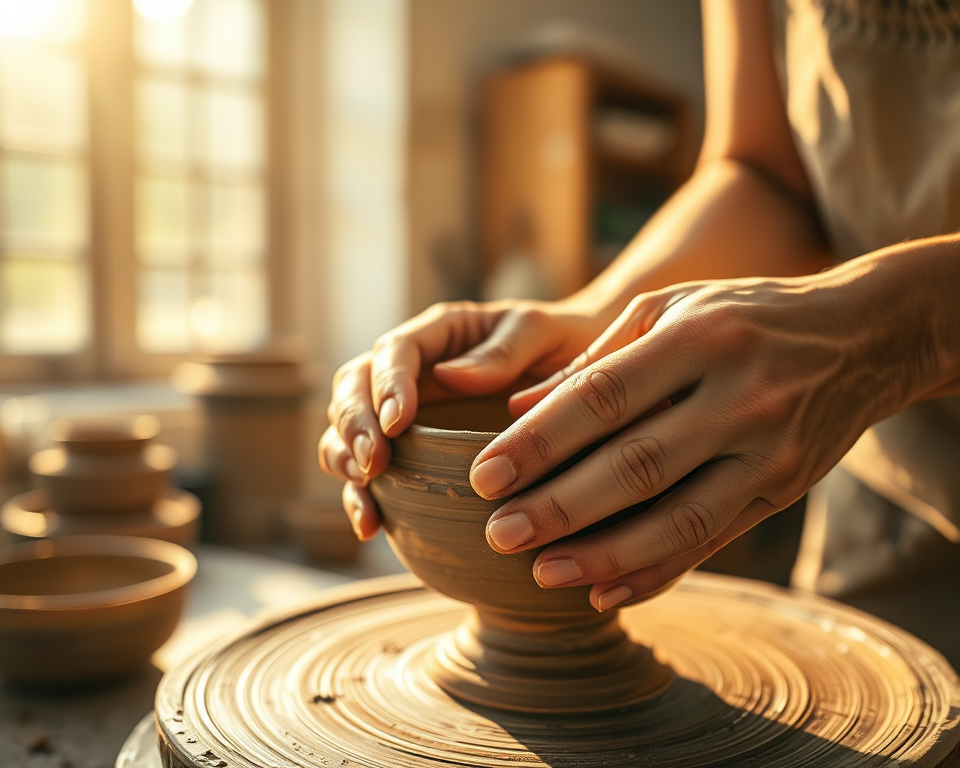
Have you ever felt the urge to create something amazing with your hands? That magical moment when you mold clay and shape it into something tangible? It’s exhilarating, right? But then you hit a roadblock: do you need an oven for pottery? Let me tell you, you’re not alone here. Many budding potters wonder if they can skip the kiln life and still produce beautiful pieces. Let’s break it down, and I promise you’ll walk away with so much more clarity on this topic.
Table of Contents
- 1 Understanding Pottery Firing Methods
- 2 Using Your Oven for Pottery
- 3 Frequently Asked Questions About Pottery and Ovens
- 4 Community Resources for Beginner Pottery Enthusiasts
- 5 Frequently Asked Questions
- 5.1 Can I use regular clay or dough for oven firing?
- 5.2 What temperatures should I use when baking pottery in the oven?
- 5.3 How do I know if my clay is oven-safe?
- 5.4 What are the risks of firing pottery in a standard oven?
- 5.5 What are effective drying methods for air-dry clay?
- 5.6 Can I use my kitchen oven for other pottery techniques?
- 5.7 How long should pottery be left in the oven?
- 5.8 Can I use a toaster oven for baking pottery?
- 5.9 What should I do if my oven seems to be affecting my pottery’s finish?
- 5.10 Are there community resources available for beginner potters in my area?
Key Takeaways:
- You can make pottery without a traditional kiln by using alternative methods like air-dry clay or your home oven, depending on your needs.
- Safety matters! Always check that your materials are oven-safe and suitable for whatever method you’re using.
- Join a community! Finding local pottery classes or online groups can provide invaluable support and inspiration as you explore your pottery journey.
- Embrace your creativity; there are numerous low-cost alternatives to traditional firing methods that let you work on a budget without compromising your artistic flair.
- Experiment! Pottery is about learning and growing; don’t be afraid to try different techniques and find what works best for you.
Understanding Pottery Firing Methods
When it comes to pottery, letting your creativity flow is only half the fun—firing your masterpieces is the other half! There are essentially two primary methods you can use: traditional kilns and various alternatives. Let’s chat about each!
Exploring Traditional Kiln Usage
I still remember the first time I stepped into a studio with my first electric kiln. It felt like entering into a whole new world of possibilities. Traditional kilns come in different forms—electric, gas, and even wood-fired varieties. Each type has unique benefits.
For instance:
– Electric kilns are the most user-friendly, often coming with temperature controls that allow more precise firing.
– Gas kilns offer a richer color palette due to the reduction atmosphere they create.
– Wood kilns impart a natural ash glaze that can give pieces stunning, organic finishes.
But here’s where it gets tricky. The cost can be pretty steep; a decent electric kiln can range from $600 to $2,500 or more, depending on size and features. That’s a significant investment, especially for beginners!
Let’s not forget the need for safety precautions. You’ll want to ensure that your workspace is adequately ventilated and that you understand the firing schedules that suit your clay body.
“A kiln is more than just a tool; it’s an instrument of transformation. Treat it with respect.”
Alternatives to Using an Oven
Maybe, like me, you don’t want to fork out a pretty penny on a kiln right now. If you’re just starting or exploring pottery as a hobby, you’ve got other options to consider.
For those of you who want to bypass the whole kiln situation, air-dry clay is a fantastic choice. This material sets simply by being left out in the open air and is typically non-toxic, making it family-friendly! Popular brands like Sculpey Air-Dry Clay and Creatology come in a variety of colors, and you can usually grab a substantial pack for about $12—definitely a win-win if you’re on a budget.
You can also explore sun-drying methods if you’re feeling adventurous—it’s highly eco-friendly! Just make sure you protect your work from critters and the elements while it hardens.
And let’s not forget about low-temperature firing, which you can do in a regular oven. You’ll be using oven-safe clay like Sculpey III, which you can usually find for around $1 to $2 per block. Just adhere to the instructions provided on the packaging for the best results.
Using Your Oven for Pottery
So, you’re asking yourself, “Can I fire pottery in my oven?” The answer is yes, but with a few conditions.
Safety Precautions When Firing Pottery at Home
Before you eagerly toss your clay into the oven, let’s chat about safety. Not all clays can handle the heat, so make sure you’re working with an oven-safe type. Read those instructions on the packaging—trust me, your pieces will thank you later!
Here are some precautionary measures I take:
– Ventilation: Ensure your kitchen is well-ventilated when firing pottery. It’s always a good practice when you’re working with materials that might release odors.
– Temperature checks: Use a thermometer to help regulate the heat. Many clays have specific firing temperatures (usually around 250°F to 275°F), so keep an eye on that!
– Material Safety: If an item starts to crack or shows signs of stress, remove it from the oven immediately!
“Creativity is a wild mind and a disciplined eye,” so keep safety in check while letting your artistic juices flow.
Step-by-Step Guide to Firing Pottery in Your Oven
Ready to fire? Here’s how I approached my first oven firing:
- Preparation: Shape your clay into whatever masterpiece you’re creating. Once you’re happy with it, let it dry for a bit—about 24 hours should do.
- Baking: Preheat your oven to the recommended temperature for your specific clay, usually around 250°F.
- Placement: Place your items on a baking sheet lined with parchment paper. Avoid direct contact with metal surfaces, as they conduct heat unevenly.
- Timing: Bake for about 30 minutes, but always refer to the package instructions!
- Cooling: Once your time’s up, turn off the oven and allow the pieces to cool slowly inside. Rapid cooling can lead to cracks—let them settle gracefully!
Here’s a quick table summarizing some oven-safe clay options and their home-firing details:
| Clay Type | Bake Temperature | Drying Time | Best For |
|---|---|---|---|
| Sculpey III | 275°F | 24 hours | Sculptures and beads |
| Sculpey Air-Dry | Air dry | Overnight | Lightweight projects |
| Fimo Effect | 265°F | 24 hours | Decorative items |
Frequently Asked Questions About Pottery and Ovens
Let’s tackle some burning questions you might still have kicking around in your mind.
Can You Make Pottery Without a Kiln?
Absolutely! As I mentioned earlier, you can definitely make pottery without a kiln. Air-dry clay, low-temp oven options, and even experimenting with handmade ceramics using simple drying techniques can all produce fabulous creations.
What Materials Are Safe for Baking Pottery?
When you’re doing this at home, always double-check to see if your materials are oven-safe. Look for terms like non-toxic, oven-bake, or simply check the package for guidelines. Brands like Sculpey and Fimo are typically reliable in terms of safety and quality, offering a range of colors and textures to play around with.
Community Resources for Beginner Pottery Enthusiasts
Embarking on your pottery journey can feel a bit isolating at times, but don’t blink! There’s a whole world of people out there waiting to share their wisdom with you.
Online Learning Platforms for Pottery
If you’re more of a visual learner like me, here’s a hack: YouTube is filled with fantastic pottery tutorials that can help you grasp techniques quickly. Creatives like The Pottery Wheel and Miriam’s Pottery break down concepts in a fun, engaging way—plus, you can pause, rewind, and replay all you need!
Did you know there are also online courses available? Platforms like Skillshare and Udemy often have quick, budget-friendly pottery courses, ranging from $10 to $30 on average. Dive in and see what resonates with you!
Local Workshops and Pottery Communities
But wait, there’s more! Connecting with a local community can be deeply rewarding. Classes at places like Community Arts Center or local art hubs let you meet other pottery lovers while honing your skills. Many of these places offer classes and workshops that cater to every level, so you’ll be sure to find one that suits your needs.
These communities often form social pottery groups where you can share your work, exchange tips, and grab advice. You might just meet your future pottery pal or mentor!
Why not also check online platforms like Meetup to find groups in your area focusing on pottery? The magic of these gatherings is that you get to be around like-minded creatives who share your passion and motivate you to keep going.
Overall, pottery isn’t just about shaping clay; it’s about creating connections and building a creative community. So, don’t shy away from meetings or classes—embrace the chance to grow, learn, and innovate with others!
When you take the plunge into pottery, you’ll unleash a part of yourself you never knew existed. Whether you’re using your oven for a cozy fired creation or exploring the world of air-dry clay, the options are plenty. Embrace the adventure, let your creativity flow, and remember that the journey is just as beautiful as the end product. Your dream project awaits!
Frequently Asked Questions
Can I use regular clay or dough for oven firing?
While standard clay and dough can be tempting, they are not typically suitable for oven firing. Specialized oven-safe clays are designed to withstand heat without breaking down or releasing toxins. Always opt for clay specifically labeled as oven-safe to ensure successful outcomes.
What temperatures should I use when baking pottery in the oven?
When baking pottery in your oven, it’s crucial to follow the temperature guidelines provided with your clay. Most oven-safe clays can be baked at temperatures ranging from 200°F to 300°F (93°C to 149°C). Always refer to the manufacturer’s instructions for optimal results.
How do I know if my clay is oven-safe?
To determine if your clay is oven-safe, check the packaging or product label. Look for terms like “oven-bake,” “air-dry,” or “polymer clay.” If you are unsure, consult the manufacturer’s website or customer support for specific firing recommendations to avoid accidents.
What are the risks of firing pottery in a standard oven?
Firing pottery in a standard oven risks thermal shock due to rapid temperature changes, leading to cracks or breaks. Additionally, using unsuitable materials may release harmful fumes. Ensure your materials are specifically made for oven use to minimize potential hazards.
What are effective drying methods for air-dry clay?
Air-dry clay can be dried effectively by leaving it at room temperature or placing it in a well-ventilated area. For faster results, use a fan to circulate air around the project; however, avoid direct heat sources that can lead to cracking.
Can I use my kitchen oven for other pottery techniques?
Yes, you can use your kitchen oven for techniques like glazing, as long as the glazes are designed to be oven-safe. Always check that all materials and tools are compatible with the oven settings to avoid any mishaps.
How long should pottery be left in the oven?
The recommended baking time for oven-safe pottery varies depending on the thickness of the pieces and the type of clay used. Most guidelines suggest baking for 30-60 minutes, but always refer to your specific product’s instructions for the best results.
Can I use a toaster oven for baking pottery?
Yes, a toaster oven can be used for baking small pieces of oven-safe pottery. Make sure to monitor the temperature closely, as toaster ovens can have hot spots. Follow the same guidelines for temperature and time as you would with a conventional oven.
What should I do if my oven seems to be affecting my pottery’s finish?
If you notice that your oven is negatively impacting the finish of your pottery, check for even heating and calibrate the temperature as needed. Ensure that you’re using compatible materials and consider trying a different baking technique or material if issues persist.
Are there community resources available for beginner potters in my area?
Absolutely! Many local art centers and crafting shops offer beginner pottery workshops. You can also find pottery clubs or community art organizations by searching online for classes and groups near you. These resources can provide valuable hands-on experience and networking opportunities.
