
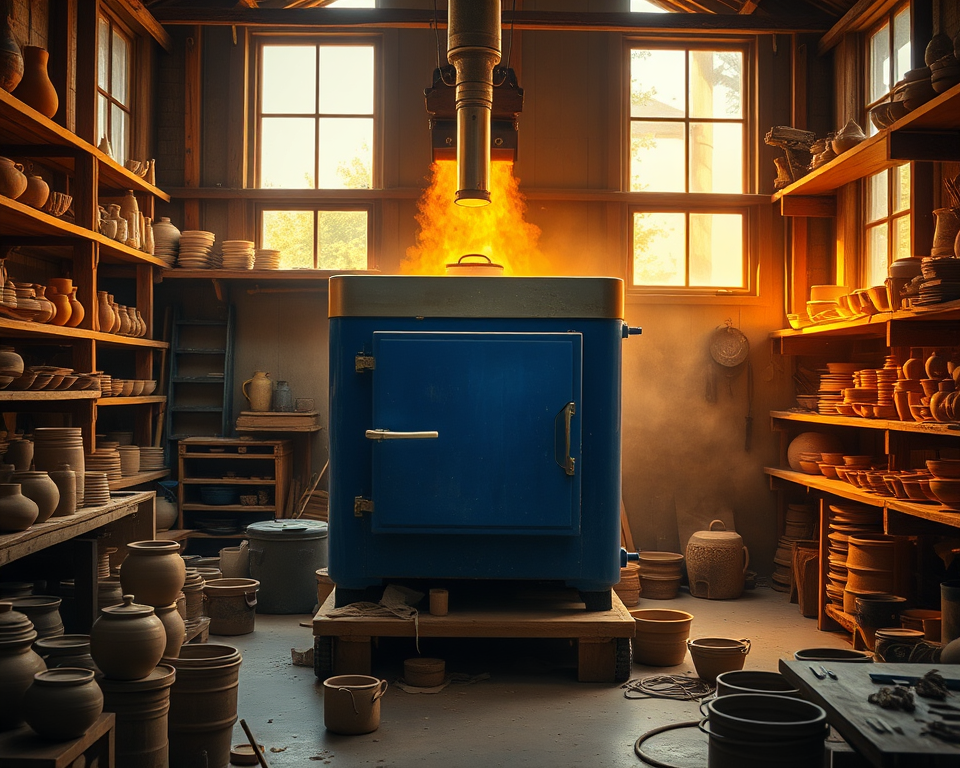
Have you ever looked at a beautiful piece of pottery and wondered how it came to be? The magic behind every stunning ceramic creation starts with a crucial piece of equipment—the pottery oven, often referred to as a kiln. I still remember the first time I fired up my own pottery oven; the anticipation was palpable! If you’re anything like me, you’re eager to get started but may have questions buzzing in your head. Well, you’re in the right place. Let’s unravel the world of pottery ovens together!
Table of Contents
- 1 Key Takeaways
- 2 What is a Pottery Oven?
- 3 Types of Pottery Ovens
- 4 How Do Pottery Ovens Operate?
- 5 Safety Considerations with Pottery Ovens
- 6 Maintenance and Troubleshooting of Pottery Ovens
- 7 Comparing Various Brands/Models of Pottery Ovens
- 8 Frequently Asked Questions
- 8.1 What are the main differences between low-fire and high-fire pottery?
- 8.2 How do I choose the right size of pottery oven for my workspace?
- 8.3 What safety equipment is recommended when using a pottery oven?
- 8.4 How can I determine if my pottery has been fired properly?
- 8.5 What should I do if my kiln is malfunctioning?
- 8.6 Are there specific fire hazards associated with using pottery ovens?
- 8.7 How do I maintain the longevity of my pottery oven?
- 8.8 Can I use my pottery oven for other types of ceramics?
- 8.9 What are some common beginner mistakes to avoid with pottery ovens?
Key Takeaways
- Pottery ovens, or kilns, are essential for firing clay and turning your artistic visions into reality.
- There are several types of pottery ovens, each with its unique advantages.
- Understanding how to operate these ovens and setting the right temperatures can greatly affect your pottery results.
- Safety is key! Knowing how to use these ovens and taking precautions can prevent accidents.
- Maintenance and troubleshooting tips can help prolong the life of your equipment and enhance performance.
What is a Pottery Oven?
Definition and Purpose of Pottery Ovens
A pottery oven, commonly called a kiln, is a high-temperature oven used for firing ceramic pottery. It might sound fancy, but at the heart of it, it’s just a tool that helps us transform raw clay into durable ceramic! The firing process is where the magic happens, altering the structure of the clay and making it hard and functional. You can think of it like baking bread; without that oven heat, you’d just have dough.
Using the right pottery oven is crucial for different pottery techniques. Whether it’s functional ware, sculptural art, or intricate tiles, adjusting your firing methods can yield drastically different results. That’s why understanding the functions of these ovens is essential when you’re ready to dive into the world of pottery.
Types of Pottery Ovens
Overview of Various Pottery Ovens
So, what are the various types of pottery ovens? Let me give you the lowdown:
Electric Pottery Ovens: These are the most common for home use and ideal for beginners. They’re user-friendly and can reach consistent temperatures suitable for bisque and glaze firing. One popular model is the Skutt KM-614, priced around $1,500, which offers a capacity of 6 cubic feet and a temperature range of up to 2,300°F.
Gas Pottery Ovens: If you’re looking for more control over the atmosphere of your firing, a gas kiln might be your choice. The Paragon TNF-23 is a fantastic option, starting at $2,200, boasting great performance for reduction firing and a max temperature of about 2,335°F.
Wood-Fired Kilns: For those adventurous souls who enjoy experimentation, wood-fired kilns can impart unique textures and colors to pottery. While they require more effort to operate, the results can be breathtaking. Keep in mind the initial investment is larger—the price can range widely based on the design.
Portable Kilns: If space is a concern, portable kilns like the L&L PT Kiln are compact and adapt easily to various workshop sizes. Starting around $800, these are great for beginners who want to experiment without a hefty commitment.
Here’s a quick comparison table to highlight how these different pottery ovens stack up:
| Type | Cost Range | Temperature Max | Best For |
|---|---|---|---|
| Electric | $800 – $2,500 | 2,300°F | Beginners, general pottery |
| Gas | $2,200 – $4,500 | 2,335°F | Advanced, atmospheric effects |
| Wood-Fired | $1,500 – $5,000 | Variable | Unique textures and colors |
| Portable | $800 – $1,500 | 2,300°F | Small spaces, beginners |
Each option has its ups and downs, so choose what fits your pottery journey best!
How Do Pottery Ovens Operate?
Operating Procedures
Firing a kiln may seem daunting at first, but it’s like baking a cake once you get the hang of it—just with a bit more science involved. The key lies in understanding the firing cycle, which includes pre-heat, initial firing, and cooldown phases. Each phase plays a role in ensuring your pottery is fired correctly.
Before you start, familiarize yourself with the kiln’s controls. Most modern pottery ovens come with digital temperature settings that allow you to program your firing schedule. Get cozy with your manual; it’s your best friend here!
Temperature Settings for Pottery Ovens
Temperature matters more than you may think. Depending on whether you’re bisque firing or glaze firing, your temperature settings will change. Generally speaking, you’re looking at lower temperatures (around 1,830°F) for bisque firing and higher temps (2,200°F and beyond) for glaze firing. Pottery is very temperamental, so make sure to calibrate your oven.
Here’s a quick cheat sheet for firing temperatures:
| Firing Type | Temperature Range |
|---|---|
| Low-Fire | 1,830°F – 2,050°F |
| Mid-Fire | 2,000°F – 2,230°F |
| High-Fire | 2,230°F – 2,500°F |
Knowing how to manage these temperatures is one of those essential skills that’ll have a significant impact on your pottery’s success.
User Instructions for Pottery Ovens
Let’s get into the nitty-gritty of using a pottery oven. Here’s a quick rundown you can follow:
Prepare Your Clay: Make sure it’s dry enough but not too dry. About 5-7% moisture works well.
Load the Kiln: Stack your pottery strategically to minimize contact and maximize airflow.
Setting Parameters: Input your desired firing schedule into the oven’s digital display.
Fire it Up: Start your oven, and keep an eye on it during the initial stages.
Cooling Down: Once the oven has completed its cycle, let everything cool down naturally. Patience is key!
Getting your hands dirty with clay can be intimidating, but the more you practice, the easier it becomes.
“The thrill of creation comes with the fire of uncertainty; embrace it!” – A wise potter
Safety Considerations with Pottery Ovens
Essential Safety Practices
Safety in the pottery studio is non-negotiable. Here are some practices you should always keep in mind:
Ventilation: Ensure proper ventilation, particularly with gas kilns to prevent gas buildup.
Protective Gear: Always wear gloves when handling materials and a mask when mixing glazes or handling raw clay to avoid inhaling dust.
Temperature Check: Avoid opening the kiln during firing. Use peep holes or rely on your kiln’s monitoring systems to check progress.
Emergency Kit: Have a fire extinguisher and a first-aid kit readily available.
Being aware of potential hazards can save you from unwanted accidents and create a safer environment for your artistic adventures.
Common Myths About Pottery Ovens
Before we wrap up the safety section, let’s address some misconceptions that can cause unnecessary fears.
Myth 1: You can’t use a regular oven for pottery.
Truth: While you can fire ceramics in a regular oven, it won’t reach the necessary temperatures for proper firing.Myth 2: Electric kilns are slower than gas kilns.
Truth: Most modern electric kilns are designed for efficient firing, often matching or outperforming gas options in time.Myth 3: Pottery can be fired just once.
Truth: Usually, multiple firings—like bisque and glaze firing—are needed to achieve the final product.
By debunking these myths, you can approach your ceramic practices with more confidence!
Maintenance and Troubleshooting of Pottery Ovens
Essential Maintenance Tips
Like any valuable equipment, your pottery oven requires maintenance to keep it in good working order. Here are some tips that you should definitely consider:
- Regular Cleaning: Clean your kiln after every few firings. Removing debris and spills will keep it safe and efficient.
- Element Checks: Inspect heating elements for wear and tear, as they play a crucial role in reaching the proper temperatures.
- Calibrate Your Oven: Every few months, check your oven’s temperature accuracy to ensure it fires consistently and correctly.
Common Problems and Solutions
Facing issues with your kiln? Here are some typical problems and their straightforward fixes:
| Problem | Symptoms | Solution |
|---|---|---|
| Inconsistent Temperatures | Uneven firing | Calibrate the temperature gauge |
| Cracked Pots | Clay too thick/quick | Adjust drying techniques |
| Over-fired Pieces | Warped pottery | Adjust temperature settings |
By keeping an eye out for these common issues, you can prolong the life of your ceramic masterpiece creator.
Performance Issues Based on User Experiences
The pottery community is rich with personal stories from potters just like you, and sharing these experiences can help you troubleshoot effectively. Some potters have encountered problems such as one batch firing hotter than another, attributed to uneven loading.
Story Time: I once had a friend who was convinced her kiln was faulty because her pieces kept cracking after she fired them. After some back-and-forth, we realized she wasn’t allowing the clay to dry thoroughly before putting it in the kiln. A little adjustment in technique immediately yielded better results!
Listening to fellow potters and incorporating their feedback can refine your own practices.
Comparing Various Brands/Models of Pottery Ovens
Evaluating Your Options
Let’s dig into the nitty-gritty of comparing different pottery oven brands so you can choose wisely. Here are a few popular models to consider as a beginner:
Skutt Kilns: Known for their reliability and customer service, Skutt offers various models that are perfect for hobbyists. Prices range from about $800 to $2,500, depending on the size and features.
L&L Kilns: Their innovative technology and robust build make them a favorite among artists. Most models hover around $1,200 to $3,500.
Paragon Kilns: Often praised for their efficient design, Paragon kilns are user-friendly and cater to both beginners and advanced potters, with prices starting from $1,500.
Here’s a quick summary comparison:
| Brand | Price Range | User Reviews | Best For |
|---|---|---|---|
| Skutt | $800 – $2,500 | Highly rated | Beginners to advanced potters |
| L&L | $1,200 – $3,500 | Excellent support | Serious hobbyists |
| Paragon | $1,500 and up | Great efficiency | All levels, versatile use |
Best Pottery Ovens for Beginners
As a beginner, selecting the right kiln can be overwhelming. I highly recommend starting with an electric kiln due to their ease of use and consistent results. Models like the Skutt KM-614 offer the perfect starting point with user-friendly features and an impressive firing temperature.
Additionally, some brands like Paragon and L&L also provide affordable models that cater specifically to beginners. They often include instructional resources that make learning about kiln operation straightforward, which can alleviate a lot of initial anxiety.
User Testimonials and Experiences
Before I sign off, I’d like to share a few words from my pottery buddies in the community:
“I was intimidated at first, but my Skutt kiln opened up so many creative avenues for me. I can’t imagine working without it now!” – Emily, Hobbyist Potter.
“Learning to use my Paragon kiln took a bit of trial and error, but the results were worth every bit of effort.” – Jake, Ceramic Artist.
The communal aspect of pottery is one of the best parts. Those real-life experiences can provide the reassurance and support you need to embark on your very own pottery journey.
Remember, whether you’re just starting out or looking to refine your skills, every piece you fire brings you one step closer to mastering the art of pottery!
Frequently Asked Questions
What are the main differences between low-fire and high-fire pottery?
Low-fire pottery is typically fired at temperatures between 1825°F (995°C) and 2100°F (1150°C), resulting in vibrant glazes and a more porous finish. High-fire pottery, on the other hand, is fired at temperatures exceeding 2200°F (1204°C), creating stronger, denser ware suited for functional pieces. Choosing between them depends on your project goals and desired aesthetic.
How do I choose the right size of pottery oven for my workspace?
When selecting a pottery oven, consider your available space, the scale of your projects, and future needs. For beginners, a small to medium-sized kiln is often sufficient. If you plan to create larger pieces or multiple items at once, a larger model might be more appropriate.
What safety equipment is recommended when using a pottery oven?
When operating a pottery oven, it’s essential to wear safety gear such as heat-resistant gloves, goggles for eye protection, and a mask to avoid inhaling dust or fumes. Adequate ventilation in your workspace is also critical to ensure a safe environment while firing.
How can I determine if my pottery has been fired properly?
Properly fired pottery should feel solid and sturdy. Check for any cracks or warping, which are signs of improper firing. Visually inspect for glaze adherence and test for sound; a well-fired piece often produces a clear, bell-like tone when tapped.
What should I do if my kiln is malfunctioning?
If your kiln is not heating up correctly or displays error codes, first consult the user manual for diagnostic guidance. Check the power supply, and wiring connections, and ensure the thermostat is functioning. If issues persist, consider seeking professional repair services or contacting the manufacturer for support.
Are there specific fire hazards associated with using pottery ovens?
Yes, fire hazards include flammable materials near the kiln, improper electrical connections, and insufficient ventilation. Always keep the firing area clear of debris and flammables, and ensure you have a fire extinguisher accessible in case of emergencies.
How do I maintain the longevity of my pottery oven?
Regular maintenance involves cleaning the interior of the kiln to remove ash and debris, checking electrical connections, and ensuring that thermocouples and elements are in good condition. Schedule periodic inspections to avoid larger problems and ensure consistent firing performance.
Can I use my pottery oven for other types of ceramics?
Yes, while primarily designed for stoneware and earthenware, most pottery ovens can also accommodate other ceramics like porcelain and glass. However, verify the maximum temperature rating and suitability of your kiln for specific materials before use.
What are some common beginner mistakes to avoid with pottery ovens?
Common mistakes include not properly preheating the oven, overcrowding the kiln, using incompatible glazes, or failing to account for shrinkage in clay. Always adhere to the manufacturer’s guidelines and conduct test firings when experimenting with new materials or designs.
