
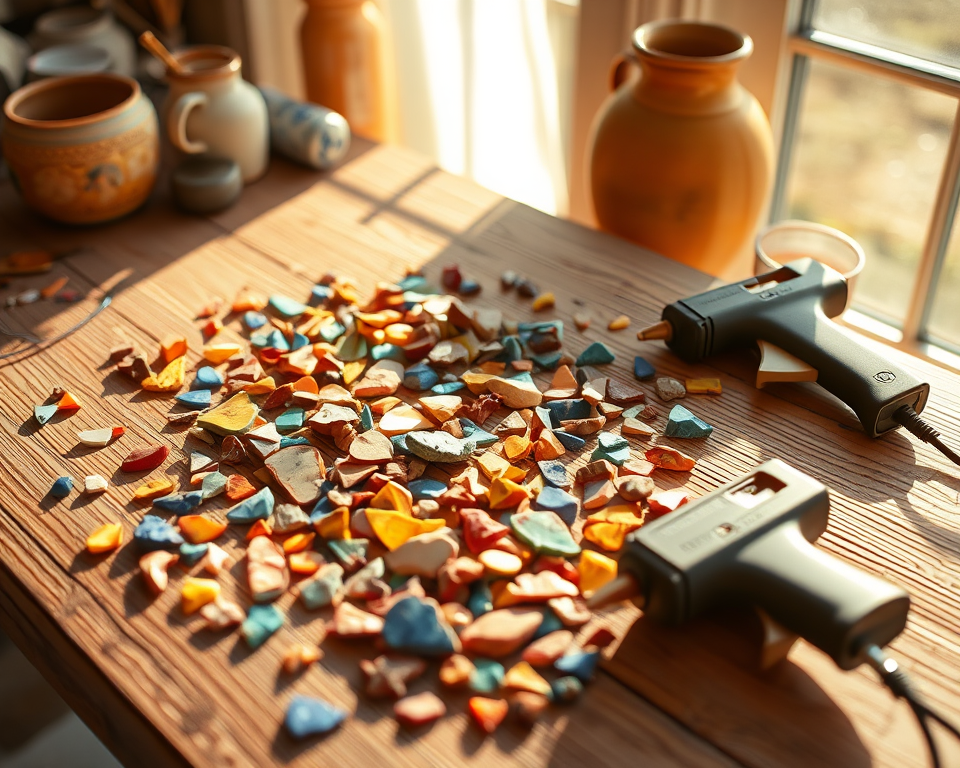
We’ve all been there. You nag a pot off the shelf, and it shatters into a thousand pieces. Instead of crying over that lost beauty, how about turning those pottery sherds into art? Trust me, once you see what you can create, you’ll be hooked! Whether you’re a crafty newbie or a pottery sage, repurposing pottery fragments opens up a world of creative possibilities. So grab your trusty glue gun and let’s get into it!
Table of Contents
- 1 Key Takeaways
- 2 Practical Applications for Pottery Sherds
- 3 Techniques and Projects for Using Pottery Sherds
- 4 Safety and Considerations with Pottery Sherds
- 5 Exploring Cultural Significance and History of Pottery Sherds
- 6 Frequently Asked Questions
- 6.1 What are pottery sherds and how do they differ from whole pottery pieces?
- 6.2 Can I use pottery sherds for food-related projects?
- 6.3 How can I clean pottery sherds before using them in crafts or home decor?
- 6.4 What are some recommended techniques for repairing pottery sherds?
- 6.5 Are there specific gardening applications for pottery sherds?
- 6.6 How can I identify the age or origin of pottery sherds?
- 6.7 Where can I find pottery sherds if I want to start crafting?
- 6.8 What safety precautions should I take when working with pottery sherds?
- 6.9 Can pottery sherds be used in mixed media art projects?
- 6.10 What cultural practices involve the use of pottery?
Key Takeaways
- Pottery sherds can be transformed into beautiful home décor, garden art, and much more.
- Projects range from simple décor ideas to complex gardening techniques, accommodating all skill levels.
- Safety is key; knowing how to handle and what to check for in pottery ensures a successful craft experience.
- The cultural and historical significance of pottery adds depth to your projects, making them even more meaningful.
Practical Applications for Pottery Sherds
So what can you do with those pottery fragments? Jo, my friend, it’s time to get creative! Using pottery in diverse applications boosts your home while letting your artistic side shine.
Creative Ways to Repurpose Pottery Sherds
First off, let’s talk about creativity. There are endless possibilities for each shard you collect. A simple upcycling project can turn your ordinary space into something extraordinary!
Here are some ideas to get your juices flowing:
Mosaic Art: Glue those sherds onto a wooden board, and you’re on your way to creating a beautiful mosaic piece. I’ve seen folks create stunning tabletops or wall art this way, and it’s a fantastic conversation starter!
Decorative Plant Holders: You can wrap sherds around pots to give your plants a unique flair. Just a bit of twine or ribbon to hold them in place, and bam! Instant rustic charm.
Garden Markers: Use the sherds to label your plants. With a permanent marker or paint, you can write the plant names on each piece, fashionably elevating your garden’s style.
These projects are not only fun but a great way to reuse pottery that might end up in a landfill. Plus, there’s something inherently satisfying about creating art from what others might consider trash.
Pottery Sherds in Gardening
Now, speaking of gardens, let’s break out our green thumbs! Pottery can also play a vital role in maintaining a gardening space, and it doesn’t stop at aesthetics.
Imagine you’ve got shards scattered about and you’re wondering how to incorporate them into your garden design. One excellent idea is to use those pottery pieces as mulch. Not just any mulch, but eco-friendly gardening mulch that looks fabulous while keeping your plants healthy.
Using pottery sherds in your garden can:
- Provide great drainage for potted plants.
- Deter weed growth when spread thick enough.
- Add a punch of color and interest to your outdoor spaces.
Talk about a win-win! I remember this time when I designed a flower bed and used sherds as a base. It’s wild how something broken can become a focal point in nature.
Techniques and Projects for Using Pottery Sherds
Feeling motivated yet? As we dive deeper, let’s discuss how you can make using pottery sherds a more structured approach. We’re looking at skilled techniques that range from repairs to stunning works of art.
Step-by-Step Pottery Repair Techniques
Now, first things first: safety! Always wear gloves when handling those sharp edges. You don’t want to ruin your creative streak with an accidental cut.
Here’s a quick guide to repairing pottery:
Gather Your Materials: You’ll need a strong adhesive like E6000, ceramic glue, or even a hot glue gun. Make sure your workspace is clean and well-lit.
Clean the Pieces: If they’re dusty or dirty, clean the fragments with warm, soapy water and let them dry completely.
Fit the Pieces Together: Before gluing anything, lay the pieces out to see how they fit. It’s like solving a 3D puzzle.
Apply Adhesive: Place a small amount of adhesive on one edge of the shard and press it against the other piece. Hold them together for a few seconds to bond.
Let It Cure: Every glue has its own curing time, so be sure to follow the instructions before handling your repaired piece. It’s all about letting the magic happen!
Repairing pottery can feel incredibly rewarding, especially when it tells a story from the past. And just like that, your once-broken pieces come back to life!
Art Projects Using Pottery Fragments
Want to flex your artistic flair? This section is all about unleashing your creativity.
One of my personal favorites is creating a pottery collage. Think of it as a mixed media masterpiece. Use canvas as your base and arrange your pottery shards in a pattern that resonates with you.
Here’s a fun idea: why not throw some paint into the mix? Maybe splash some acrylics to complement the earthy tones of pottery? The colors can vary greatly, giving your project layers of depth and texture.
| Art Project Ideas | Materials Needed | Time Investment |
|---|---|---|
| Mosaic Table | Shards, wood, grout, glue | 2-4 hours |
| Pottery Collage | Canvas, shards, paint, glue | 1-3 hours |
| Decorative Plant Holders | Shards, twine, pots | 1 hour |
By using these sherds creatively, you not only create decor but carry forward a part of history. Each fragment is like a tiny piece of a puzzle from a time gone by.
Safety and Considerations with Pottery Sherds
Alright, fam, safety first! You need to consider a few things when crafting with pottery sherds. It’s not just about slapping some glue on and calling it a day.
Are Pottery Sherds Safe for Use?
Let’s tackle the elephant in the room: is it safe to use sherds? Generally, yes! However, it depends on where the pottery originated.
You’ll want to check for potential toxicity. Many older ceramics can contain lead or other harmful materials, especially if they were used for food. So here are some tips:
Check Your Source: Be wary of the origin. Crafts from reputable sources are more likely to be safe.
Know Your Pottery: If the pottery is ancient, it’s best to avoid using it for food or any contact with your mouth.
Use Glass Protectors: If using in decor, you can seal sherds with a clear coat to prevent any potential leaching of materials.
By simply knowing what you’re working with, you can create confidently and safely!
Tips for Sourcing Pottery Sherds
Now you might be wondering where to collect those lovely pieces. After all, finding pottery sherds isn’t as easy as just heading to a store. Here are some of my fave tips for sourcing sherds:
Local Pottery Shops or Workshops: Many art studios have pots or pieces that didn’t make the cut. You often can snag broken pieces for free or at a discount.
Thrift Stores and Flea Markets: You can find old dishware that may just be broken enough for what you need. Plus, it’s a sustainable option!
Beachcombing or Riverbeds: Natural settings can reveal shards from ancient vessels. Just be sure to check the legality of collecting in those areas!
Best Places to Find Pottery Sherds
| Location | Details |
|---|---|
| Local Art Studios | Often have broken pieces for the taking. |
| Thrift Shops | Look for damaged dishware; it’s usually cheap! |
| Nature Trails | Great for finding historic pieces, check legality. |
Oftentimes, it’s a treasure hunt! The thrill of discovering a perfect shard adds that extra excitement and connection to your project.
Exploring Cultural Significance and History of Pottery Sherds
The beauty of working with pottery sherds is not just the physical art you create but also the stories that come along with it. Let’s reflect on the cultural importance behind these items.
Historical Context of Pottery Sherds
Did you know that pottery has been around for thousands of years? It’s fascinating how every piece tells a story of its time—what people ate, who they were, even their rituals!
In some cultures, pottery serves as an essential craft that binds communities together. Through every crack and chip lies an echo of history. When you use sherds in your projects, you’re literally giving life back to these forgotten pieces.
It’s like this quote perfectly sums up the essence of working with pottery:
“Art enables us to find ourselves and lose ourselves at the same time.” — Thomas Merton
The Role of Pottery in Various Cultures
Every region has its unique pottery traditions that go way back. Think about how Native American tribes often used pottery not just for practical purposes but also for ritualistic ceremonies. And the artistic styles differ immensely from one culture to another:
| Culture | Style |
|---|---|
| Native American | Earth-toned, hand-formed, often painted |
| Italian Majolica | Colorful tin-glazed pottery |
| Japanese Raku | Uniquely fired, often used in tea ceremonies |
When you incorporate pottery sherds into your projects, you’re not merely crafting; you’re connecting with ancient practices, celebrating the past, and respecting the artisans who came before.
So, whether you’re studiously piecing together a collage while throwing caution to the wind with a splash of paint, or crafting garden markers that brighten up a flower bed, remember: You’re not just creating art. You’re embracing countless narratives, stories that intersect with your own.
With every fragment, you’re creating a whirlwind of tradition, beauty, and handcrafted joy. Now, let’s get to crafting, my friend!
Frequently Asked Questions
What are pottery sherds and how do they differ from whole pottery pieces?
Pottery sherds are broken fragments of ceramic ware that have been discarded or found. Unlike whole pieces, sherds represent portions of pottery vessels and can vary in size and shape. They can hold historical, artistic, or practical value and are often repurposed in crafts or gardening.
While some pottery sherds may be food-safe, many are not due to potential toxins in glazes or materials used. It’s essential to research and confirm that the pottery is labeled food-safe before using it in any dishes, serving, or food storage projects.
How can I clean pottery sherds before using them in crafts or home decor?
To clean pottery sherds, gently wash them with warm, soapy water and a soft brush to remove dirt. Avoid harsh chemicals. If there are stubborn stains, soaking them in vinegar or using a mild abrasive can help, but always rinse well to remove any residue.
What are some recommended techniques for repairing pottery sherds?
Common methods for repairing pottery include using ceramic glue or epoxy, applying pressure to align the shards, and allowing proper drying time. For valuable pieces, consider professional restoration to maintain integrity. Always ensure the adhesive is appropriate for ceramics.
Are there specific gardening applications for pottery sherds?
Yes! Pottery sherds can be used in gardening as mulch, drainage material, or decorative elements in flower beds. They can also help prevent soil erosion and retain moisture when used effectively around plants.
How can I identify the age or origin of pottery sherds?
Identifying age or origin typically requires examining patterns, styles, and materials. Consulting resources like pottery books or professionals in archaeological studies can provide insights. Additionally, many museums or local historical societies may offer guidance on pottery identification.
Where can I find pottery sherds if I want to start crafting?
Pottery sherds can often be found in local antique shops, flea markets, or through community pottery classes that may have surplus materials. Additionally, thrift stores or construction sites can sometimes yield salvageable ceramic fragments.
What safety precautions should I take when working with pottery sherds?
Always wear gloves when handling pottery sherds to protect against sharp edges. Ensure your workspace is clean, and avoid dusty areas that can lead to respiratory issues. If you plan to use sherds in art projects, consider using non-toxic adhesives and finishes.
Can pottery sherds be used in mixed media art projects?
Absolutely! Pottery sherds can add texture and depth to mixed media art projects, including collages or mosaics. They bring a unique historical and artistic element that can enhance the overall composition of your artwork.
What cultural practices involve the use of pottery?
Many cultures utilize pottery in rituals, celebrations, and daily life. This can include creating ceremonial vessels, functional ware for cooking, or artistic expressions that reflect cultural identity. Exploring local traditions can provide deeper appreciation and understanding of pottery’s role.
