
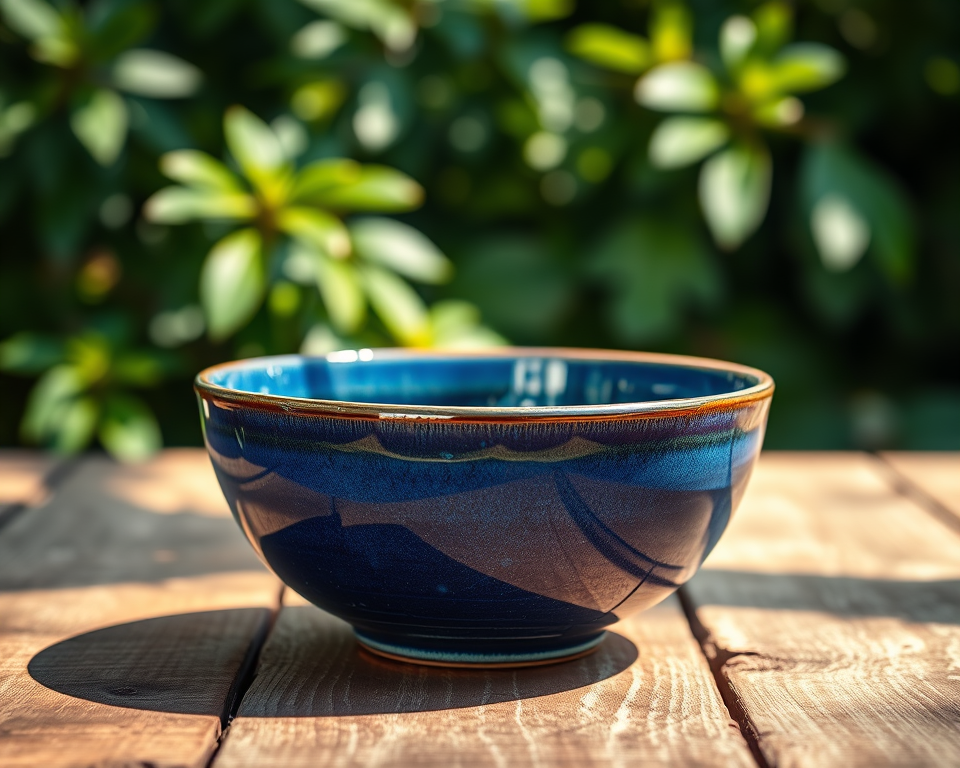
Pottery glaze has a way of captivating anyone with even a passing interest in ceramics. The glistening, colorful finishes can elevate an ordinary cup or plate into an extraordinary piece of art. But what exactly is pottery glaze, and why does it matter? A few months ago, I found myself wrestling with these very questions as I began my pottery journey, and let me tell you, once everything clicked, it felt amazing! As I explored different colors, types, and applications, my passion skyrocketed. Today, I want to take you along this fascinating journey—one that not only satisfies curiosity but also inspires the budding potter in you.
Table of Contents
- 1 Key Takeaways
- 2 The Basics of Pottery Glaze
- 3 Types of Pottery Glazes
- 4 Applications of Pottery Glaze
- 5 Tips for Beginners in Glazing
- 6 Frequently Asked Questions
- 6.1 What are the key differences between low-fire and high-fire glazes?
- 6.2 How do you achieve a matte finish with glaze?
- 6.3 What is the importance of glaze layering in pottery?
- 6.4 Can I mix different brands of glazes?
- 6.5 What safety measures should I take while working with glazes?
- 6.6 What is a reactive glaze, and how does it differ from other glazes?
- 6.7 How can I fix common glazing mistakes?
- 6.8 What are some beginner-friendly glazes?
- 6.9 Are there any specific tools needed for glazing pottery?
Key Takeaways
- Pottery glaze is a glassy coating that enhances both the aesthetic and functional qualities of ceramic wares.
- There are various types of glazes, each suited for different styles, techniques, and firing processes.
- Always prioritize safety when working with glazes, and never underestimate the importance of preparation and testing.
- Beginners should start with user-friendly glazes like the Amaco Velvet Underglazes, priced around $8 for a 4 oz jar, that provide vibrant colors without the complexities.
- Mistakes are part of the learning process; understanding common pitfalls can help you grow as a potter.
The Basics of Pottery Glaze
What is Pottery Glaze?
So, what’s the deal with pottery glaze? In its simplest terms, glaze is a coating applied to ceramic objects that turns into a glassy finish after firing. This not only gives your pottery that fab shine but also makes it waterproof and more durable. I remember feeling so proud the first time I saw my work emerge from the kiln, shimmering like a polished gem. It transforms ordinary clay into something beautiful and functional.
The composition is crucial. Most glazes include silica, which gives it that glass-like quality, along with fluxes and clay to create the right texture. Brands like Laguna Clay offer a range of glazes with various compositions. For instance, their Stoneware Glazes are ideal for creating durable pottery at around $20 per pint. You’ll definitely want to play around with different combinations to see what speaks to you!
How Does Pottery Glaze Work?
Here’s where things get intriguing. The science behind glazing can seem a bit daunting, but it’s really about how heat interacts with these materials. When you fire your pottery in a kiln, the heat causes the glaze to melt and adhere to the ceramic body. This process alters the clay’s properties—making it smoother, more colorful, and, frankly, far more appealing.
The melting point of the glaze is influenced by its components, and that’s why knowing your materials is essential. Using a glaze with a lower melting point means it’ll melt and bond faster. For example, if you’re using a low-fire glaze, you’ll generally fire it at temperatures between 1830°F and 1940°F. In contrast, high-fire glazes need more intense heat, closer to 2232°F, to develop their vibrant colors and finishes.
Types of Pottery Glazes
Common Glaze Types Explained
Alright, let’s break down the types of glazes you can experiment with. There’s a plethora of options, but here’s a closer look at some of the most popular types:
| Glaze Type | Characteristics | Ideal Use |
|---|---|---|
| Clear Glaze | Transparent, enhances underlying decoration | Functionality & aesthetics |
| Underglaze | Color applied before glaze; retains detail | Fine lines and patterns |
| Transparent Glaze | Glossy finish while showing off the clay body | Decorative & functional |
| High-Fire Glaze | Durable, often more muted colors | Stoneware pieces |
| Raku Glaze | Unique effects, requires specific technique | Decorative art pieces |
Let me tell you: clear glazes are like the cherry on top for any pottery. I always keep some on hand, as they accentuate textures without overpowering them. My go-to is the Mayco Clear Glaze, which you can find for about $15 per pint. Pair it with your colorful underglazes for stunning results!
Innovative and Uncommon Glazes
Now, maybe you’re feeling a bit adventurous. You’re ready to expand your glaze playground with some innovative and uncommon glazes. That’s where things get really exciting! Reactive glazes, for example, can produce unpredictable effects due to chemical reactions during firing. They can go from being a soft blue to an explosive swirl of color, creating a unique piece every time.
Another quirky option is metallic glazes. They bring that eye-catching shine but require precise firing temperatures. Brands like AMACO offer metallic glazes that look just divine on darker clay bodies. Prices range around $18 for a 4 oz jar, but trust me—your pieces will be showstoppers.
I remember my first experiment with a copper mat glaze; the results were nothing short of breathtaking, with deep greens and hints of black shimmering against the light. It felt like art in a sci-fi movie!
Applications of Pottery Glaze
How to Use Pottery Glaze Effectively
Alright, now that we’ve got a handle on the types, let’s get into the nitty-gritty of how to apply these glazes. Using pottery glaze effectively can dramatically impact your result, and as someone who’s been elbow-deep in clay and glaze, I have tips that will save you headaches down the line.
First and foremost, surface preparation is key. Clean your pottery pieces and ensure they are bone dry before applying any glaze. Dust and oils can lead to patchy finishes, and that’s a bummer.
When it comes to the actual application, you can brush, dip, or spray your glaze. I typically favor brushing for more control, but dips are a time-saver for larger pieces. Whichever method you choose, make sure to apply thin coats—too thick, and they can run and create drips.
Pro Tip: Always test your glazes on a small piece first! If you want to get more scientific about it, a test tile is your best friend. Just grab an unglazed tile and run your glaze experiments there. You’ll thank yourself during the final reveal!
Safety Guidelines for Working with Pottery Glazes
We can’t forget about safety! Working with pottery glazes requires attention to health guidelines. Always wear masks and gloves while handling glazes, especially when they contain silica or other harmful materials. Make sure you’re in a well-ventilated area, preferably outside or in a designated workspace.
Here’s a quick safety checklist to keep handy:
– Use dust masks when mixing dry glaze powders.
– Wear gloves to avoid skin contact.
– Ensure you’re working in a ventilated area.
– Always read your glaze’s material safety data sheets for specific instructions.
Not only does this protect you, but it also leads to a more enjoyable glazing experience. Seriously, nothing can dampen your creative spirit faster than a trip to the ER, right?
Tips for Beginners in Glazing
Common Mistakes to Avoid in Pottery Glazing
As you embark on your glazing journey, it’s super easy to make mistakes—trust me, I’ve been there. Here are some common hiccups that can throw a wrench in your plans:
- Overapplication: Too much glaze will not only run but can also create those annoying drips!
- Skimping on Testing: Firing without testing glaze combos is like diving into a pool without checking for water first. You’ll want to know what to expect!
- Neglecting the Underside: Don’t forget to glaze the bottom of your pots! Leaving it bare can lead to your piece sticking in the kiln—definitely not cool.
Take these to heart, and you’ll sidestep a lot of frustration. Instead, embrace those small successes in your first few projects—they’ll help build your confidence.
Resources for Learning About Pottery Glaze
If you’re serious about leveling up your glazing skills, arm yourself with resources! A fantastic starting point is the book “The Complete Guide to Mid-Range Glazes” by Kristina B. D. Sethr. It’s got loads of practical info and recipes that’ll have you concocting your signature glazes in no time.
You can also check online tutorial platforms like Skillshare, where instructors like Jessi K. teach hands-on techniques. Plus, don’t underestimate the wealth of knowledge available in pottery communities—Facebook groups and forums are treasure troves for advice, shared experiences, and product recommendations.
Take advantage of pottery workshops if you have them nearby! Connecting with fellow enthusiasts can nurture your creativity and build friendships along the way. I’ve met some of my best friends through local ceramics classes, and sharing tips and tricks has been invaluable!
In all honesty, learning from others and getting feedback on your work can catapult your skills to the next level.
Frequently Asked Questions
What are the key differences between low-fire and high-fire glazes?
Low-fire and high-fire glazes differ in their firing temperatures and characteristics. Low-fire glazes mature at temperatures between 1830°F to 2100°F (999°C to 1150°C) and often feature vibrant colors and a glossy finish. High-fire glazes, on the other hand, are fired at temperatures above 2200°F (1204°C) and tend to be more durable with subdued colors—ideal for functional ware.
How do you achieve a matte finish with glaze?
To achieve a matte finish with glaze, use matte glaze products specifically designed for that effect. Adjusting the firing temperature and cooling process can also contribute to a matte surface. Testing different glazes on test tiles can help determine the best approach for your desired finish.
What is the importance of glaze layering in pottery?
Glaze layering allows potters to create depth and complexity in color and texture. By applying multiple glazes, artists can achieve unique effects as the glazes interact during firing. However, it’s essential to test combinations first, as some glazes may react negatively when layered.
Can I mix different brands of glazes?
Yes, you can mix different brands of glazes, but compatibility is crucial. Check the materials and firing temperatures of each glaze to ensure they will work effectively together during firing. Conduct tests on small samples before applying your mixed glaze to the final piece.
What safety measures should I take while working with glazes?
Always work in a well-ventilated area to avoid inhaling harmful dust or fumes from glazes. Use gloves and masks when handling dry glazes, and clean up spills promptly. Refer to material safety data sheets (MSDS) for specific safety guidelines related to the glazes you use.
What is a reactive glaze, and how does it differ from other glazes?
A reactive glaze changes in color or texture during firing due to chemical interactions. These glazes often develop varied surfaces—such as speckles or iridescence—that are difficult to predict. Unlike standard glazes, reactive glazes can create unique, artistic effects based on the kiln atmosphere.
How can I fix common glazing mistakes?
Common glazing mistakes, such as runs or uneven coverage, can often be remedied. For runs, try applying a thinner layer of glaze or adjusting the firing temperature. Uneven coverage can be improved by reapplying glaze in spots and refiring. Always conduct tests to find the best solutions.
What are some beginner-friendly glazes?
For beginners, commercial glazes labeled as “beginner-friendly” are ideal. These are often more forgiving and consistent, such as transparent glazes or simple matte glazes. Look for glazes with clear instructions and established firing ranges to ensure optimal results even with minimal experience.
Are there any specific tools needed for glazing pottery?
Essential tools for glazing pottery include brushes for application, sponges for smoothing, and buckets for mixing larger amounts. Additionally, rubber gloves and a mask are important for safety. Collecting these tools early will ease the glazing process and enhance your overall experience.
