
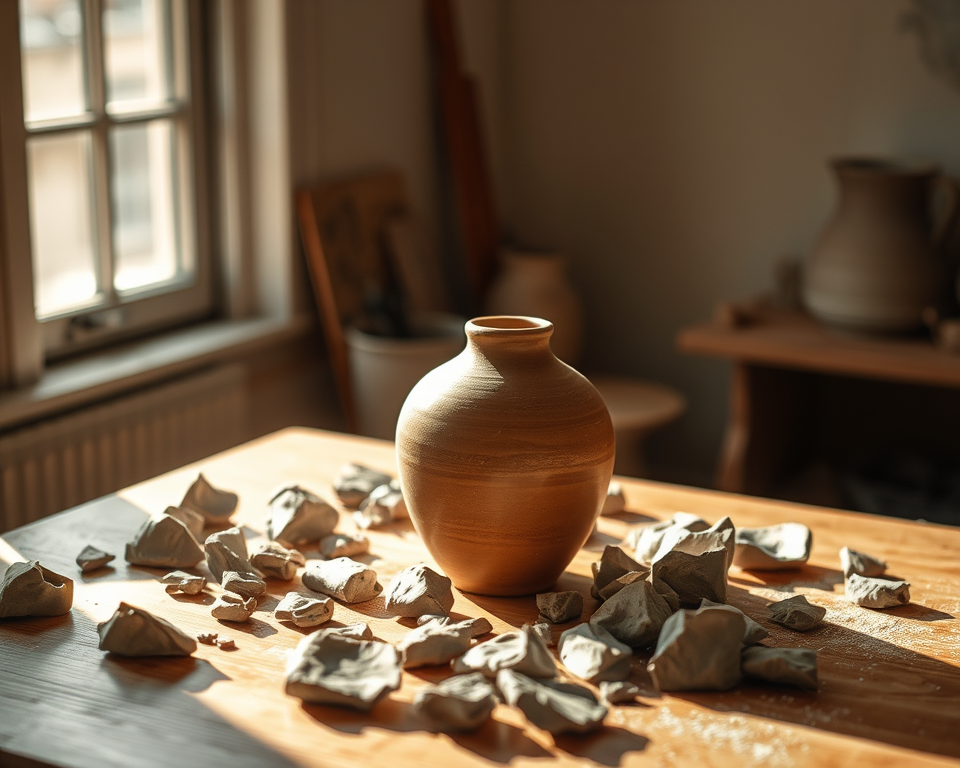
Let me tell you, pottery isn’t just some dusty old craft—it’s a vibrant art form with a rich history and a whole lot of soul. Seriously, if you haven’t explored the world of pottery yet, you’re in for a treat. From ancient civilizations to contemporary makes, pottery has been an integral part of every culture, reflecting everything from daily life to profound spirituality. So grab a cup of coffee (or tea—your choice), and let’s embark on this exciting journey through time and clay.
Table of Contents
- 1 Key Takeaways
- 2 History of Pottery
- 3 Types of Pottery
- 4 Pottery Techniques
- 5 Cultural Significance of Pottery
- 6 Frequently Asked Questions
- 6.1 What are the primary techniques used in traditional pottery making?
- 6.2 How have modern technologies impacted pottery craftsmanship?
- 6.3 What role does pottery play in cultural rituals and ceremonies?
- 6.4 Why is sustainability important in contemporary pottery?
- 6.5 How does pottery vary across different cultures?
- 6.6 What are decorative pottery techniques, and how do they differ from functional pottery?
- 6.7 What should beginners know about starting pottery as a hobby?
- 6.8 How can pottery foster community engagement and creativity?
- 6.9 What are the historical influences that shaped pottery styles?
- 6.10 How can I learn more about pottery and its cultural significance?
Key Takeaways
- Pottery has roots that reach back to prehistoric civilizations and has evolved through various cultural contexts.
- There are different types of pottery, including functional and decorative, each serving unique purposes.
- Techniques in pottery have transformed over the centuries, from hand-building methods to high-tech 3D printing.
- Understanding the cultural significance of pottery can deepen your appreciation for both its beauty and craft.
- There’s a modern trend towards sustainable practices in pottery, blending tradition with eco-consciousness.
History of Pottery
The Beginning of Pottery
Let’s travel back to the Stone Age, shall we? Picture it: early humans, clinging to the fringes of survival, yet getting innovative with their surroundings. The emergence of pottery was like the light bulb moment for our ancestors. Prehistoric pottery began as a means to an end—think clay vessels fired in the simplest of kilns, used for storing food and water. I mean, how else do you keep your foraging efforts intact?
The earliest known pottery dates from around 29,000 B.C. in what’s now Russia, with prehistoric folks crafting bowls that would eventually become an essential part of daily life. These people didn’t just see pottery as a utilitarian item; they thrived on the creativity inherent in shaping clay. A little pinch here, a twist there—it was art in the making!
Pottery’s evolution is closely linked to cultural changes—different societies developed distinct styles. Neolithic pottery saw the introduction of decorative elements. Designs were often inspired by nature and everyday experiences, resulting in stunning artifacts that we still marvel at today.
Milestones in Pottery Development
Fast forward through history, and you’ll spot a few key milestones that really shaped the art of pottery. In ancient Mesopotamia, famous for its ziggurats, people began experimenting with glazing techniques around 3500 B.C. Imagine those cavemen, proud of their shiny new dishes!
By 1500 B.C., Egyptian potters were molding sand into vibrant objects, often adorned with hieroglyphs. It’s incredible to think that some of these pottery traditions informed the styles we see in modern art today. You can catch hints of ‘ancient vibes’ in contemporary pottery competitions and exhibitions.
Here’s a fun fact: Did you know that the Chinese developed porcelain as early as the Han Dynasty? We’re talking about a technique that took centuries to perfect! Today’s porcelain clays—like the ones you’ll find from companies such as Amaco—price around $25 for a 25-pound bag. Now, that’s some history in your hands!
The Role of Pottery in Ancient Cultures
Pottery wasn’t merely functional; it played a pivotal role in the spiritual lives of ancient cultures. Look at the elaborate burial pottery of the Greeks, for instance. These stunning vases didn’t just serve as containers—they were symbolic items, often depicting gods or the stories of the deceased.
In addition, pottery facilitated trade between civilizations, which was vital for cultural exchanges. For instance, Native American tribes utilized pottery not only to store food but also to participate in rituals that highlighted their cultural identity. Hopi pottery, known for its intricate designs and vibrant colors, reflects deep ties with nature and spirituality.
This intertwined relationship of pottery with social and cultural practices makes it a fascinating subject. Pottery served daily use, and ceremonial purposes, making it a treasure trove of historical narrative.
Types of Pottery
Functional Pottery
Functional pottery is like that dependable best friend who always comes through. Think tableware, serving dishes, and kitchen containers—these pieces are made to be used! When I think of functional pottery, I can’t help but think of all those beautiful handmade mugs that perfectly fit in your hand and feel great during your morning coffee ritual.
Some popular materials include earthenware, stoneware, and terracotta. Each has its unique qualities and appeals. For instance, stoneware is tough and durable, perfect for oven-to-table usage, while earthenware tends to be lighter and more porous, often adorned with glazes that pop.
If you’re looking to dip your toes into the world of functional pottery, check out brands like Fitz and Floyd—their stoneware dinnerware sets start at around $80 for a 16-piece collection, which is perfect for entertaining guests.
Decorative Pottery
Now let’s chat about decorative pottery—the kind that makes your home feel extra cozy and artistic. These aren’t just your ordinary vases; think intricate designs, bold colors, and statement pieces that can wow your guests. Doug Adams’ decorative pottery often features whimsical themes that bring a smile to anyone’s face; you can snag one of his pieces for around $60.
Using techniques like slip trailing or sgraffito, potters create stunning visual textures that can elevate a space. For instance, the hand-painted pottery from Ceramiche d’Arte truly captures the essence of Italian craftsmanship and creativity. Prices vary but expect to invest around $100 for a carefully crafted piece.
Decorative pottery often tells a story, linking us to the culture and artistry of the artisans behind it. Every painted rim or unique design choice has its roots in the potter’s intent. It’s not just pottery; it’s cultural expression!
Contemporary Pottery Trends
Fast-forwarding to the present, modern pottery is booming, and it’s a fabulous mix of tradition and innovation. From fusion ceramics that bring together various cultural styles to artists experimenting with high-tech techniques, there’s a bit of everything for everyone.
One notable trend is the rise of eco-conscious practices in pottery—artists are stepping up and looking for more sustainable materials and methods. This got me thinking about using more local clay sources and eco-friendly glazes.
3D printing in pottery is also something that’s caught my eye. Brands like MakerBot have made it possible to create intricate designs with clay! Imagine crafting one-of-a-kind pieces right at home! The cost of entry for a basic 3D printer can start at around $1,000, but it’s an investment that opens up a world of creativity.
Pottery Techniques
Traditional Pottery Techniques
Ah, the techniques—this is where the magic happens! Ever heard of pinch pots? They’re like the OG of pottery techniques where you roll a ball of clay and pinch it into shape. It’s a fantastic starting point for any beginner, and trust me, it’s super satisfying.
Traditional methods like coil building took off in various cultures too. This ancient technique involves rolling out coils of clay and stacking them to create forms. It’s surprisingly therapeutic! But if you’re after precision, you might want to explore wheel throwing. That’s where you use a potter’s wheel to shape your masterpiece, turning lumps of clay into stunning bowls and vases that’ll leave your friends in awe.
And glazing? Oh boy, that’s the cherry on top! You wouldn’t believe the sheer variety of glazes available today. From matte to glossy finishes, glazes can totally transform a piece—and they’re often food-safe! Try out products from Mason Stains, priced around $15, to add vibrant color to your creations.
Modern Pottery Techniques
Innovation in pottery has never been more thrilling. The best part? Anyone can become a potter these days with the help of workshops and online resources. For instance, many local studios now offer sessions where you can learn everything from basics to advanced glazing techniques.
One of my favorite modern techniques is using high-fired ceramics. They’re durable and can withstand higher temperatures—perfect for those decorative serving dishes you want to heat up in the oven! Companies like Cone 6 offer an amazing range of high-fire clay that’s both affordable and high quality.
When we talk about artistic experimentation, there’s no shortage of inspiration. For those ready to go wild, think along the lines of modern sculptural ceramics. Whether it’s abstract forms or functional art, the sky’s the limit! The best part? You can sell your pieces or enter them into exhibitions—like the NCECA Conference, which showcases contemporary ceramic arts.
Cultural Significance of Pottery
Pottery in Different Cultures
The world of pottery isn’t just a random collection of pieces; it’s a reflection of cultural identity. Indigenous pottery, for example, is often rooted in ancestral traditions and stories. Native American cultures utilize their pottery to convey narratives, beliefs, and communal practices.
Over in Asia, you can’t miss out on the beautiful intricacies of Japanese tea ceramics. The Raku style, known for its unique glazing techniques and natural imperfections, mirrors a deep philosophical connection to nature and simplicity. It serves not just a functional purpose but is a key aspect of the tea ceremony—an art form in its own right.
There’s so much creativity buzzing around, and every region adds its twist. African ceramics, too, are rich in symbolism, often reflecting heritage, spirituality, and beauty. The vibrant patterns and colors tell tales of the communities they come from, making those pieces truly special.
The Future of Pottery
As trends evolve, so does the world of pottery. More and more, I see a fantastic push toward sustainability in pottery practices. Artists are increasingly choosing eco-friendly materials, starting from locally sourced clays to natural glazes.
It’s also heartening to see community-driven pottery initiatives gaining ground. You’ve got local pottery studios organizing events that encourage collaboration and skill-sharing, making pottery more accessible than ever before. You can passionately connect with local artists through workshops—like the ones offered at The Clay Studio in Philadelphia for around $300 for a series of classes.
Digital platforms are revolutionizing pottery education as well. Be it through YouTube tutorials or online masterclasses, anyone can learn at their own pace. Now, I’d say that opens doors for everyone—from passionate hobbyists to budding professionals—to get into the clay game.
As pottery continues to evolve, it serves as both preservation of traditional methods and the push for new artistic expression. And honestly, it fills me with excitement to see where this journey will take us next!
Frequently Asked Questions
What are the primary techniques used in traditional pottery making?
Traditional pottery techniques include methods like coil building, pinch pots, and slip casting. Each method offers unique characteristics and textures. These techniques have been passed down through generations and maintain cultural significance by preserving the heritage of ceramic practices.
How have modern technologies impacted pottery craftsmanship?
Modern technologies, such as 3D printing and high-fired ceramics, have revolutionized how pottery is made. Artists can experiment with complex forms and glazes that were previously difficult to achieve. This fusion of technology and artistry results in innovative designs while retaining traditional crafting techniques.
What role does pottery play in cultural rituals and ceremonies?
Pottery often embodies cultural identity and is used in various rituals and ceremonies worldwide. For example, specific pottery designs may symbolize fertility, transition, or spirituality. This functional art fosters community connections and historical narratives through shared cultural practices.
Why is sustainability important in contemporary pottery?
Sustainability in pottery is crucial due to increasing environmental concerns. Many pottery makers are incorporating eco-friendly practices, such as using responsibly sourced materials and reducing waste. By focusing on sustainable methods, potters can contribute to preserving cultural heritage while minimizing their ecological footprint.
How does pottery vary across different cultures?
Pottery varies significantly by region and culture, with each having distinct styles, techniques, and purposes. For instance, Navajo pottery reflects indigenous values, while Mediterranean pottery showcases influences from ancient civilizations. These regional practices highlight the diversity and richness of global ceramic traditions.
What are decorative pottery techniques, and how do they differ from functional pottery?
Decorative pottery techniques focus on aesthetics, emphasizing designs, colors, and textures that enhance visual appeal. Unlike functional pottery, which serves practical purposes like cooking and serving, decorative pieces prioritize artistic expression and may not always be intended for daily use.
What should beginners know about starting pottery as a hobby?
Beginners should start by familiarizing themselves with basic techniques like hand building and wheel throwing. It’s essential to use quality clay and tools, attend pottery classes or workshops for guidance, and practice regularly. Also, understanding glazing and firing processes is vital to achieving desired results.
How can pottery foster community engagement and creativity?
Pottery often brings people together through workshops, classes, or community events, encouraging collaboration and shared artistic expression. This communal aspect nurtures creativity and strengthens relationships, making pottery not only an individual pursuit but also a collective experience.
What are the historical influences that shaped pottery styles?
Historical influences, including trade routes, colonization, and cultural exchanges, have significantly shaped pottery styles. As cultures interacted, techniques and designs merged, leading to unique styles. Significant pottery civilizations, like those of the Chinese and Greeks, played pivotal roles in influencing global pottery trends.
How can I learn more about pottery and its cultural significance?
To learn more about pottery, consider enrolling in local classes, visiting museums with ceramic exhibitions, or exploring online resources. Reading books or academic journals focusing on pottery history can deepen your understanding of its cultural significance. Engaging with pottery communities on social media platforms can also offer insights and inspiration.
