
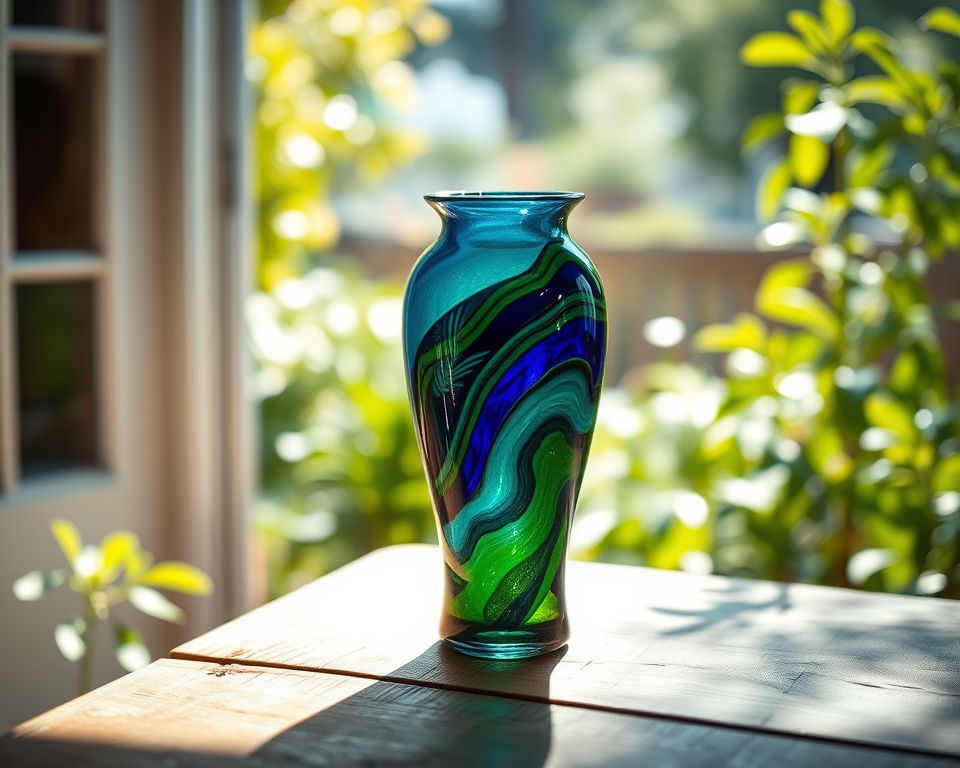
When I first stumbled upon pottery glass, my initial reaction was sheer awe. The richness, the colors, the artistic expressions—it’s like the love child of ceramics and glassmaking. If you’re here, you probably share that curiosity, wondering about the definition, properties, and how to integrate this beautiful material into your life. Well, let’s take a vibrant journey through pottery glass, exploring its definitions, production processes, applications, and even how it stacks up against other materials. Trust me, you’re in for a treat!
Table of Contents
- 1 Key Takeaways
- 2 Understanding Pottery Glass
- 3 Production Processes of Pottery Glass
- 4 Applications of Pottery Glass
- 5 Comparison with Other Glass Types
- 6 Visual Examples and Inspiration
- 7 Frequently Asked Questions
- 7.1 What is the history of pottery glass, and how did it evolve?
- 7.2 Are there different types of pottery glass, and what distinguishes them?
- 7.3 What safety standards should I consider when using pottery glass?
- 7.4 How can I tell if my pottery glass is collectible or valuable?
- 7.5 What are the common techniques used to create pottery glass?
- 7.6 Can pottery glass be repaired if it gets damaged?
- 7.7 What are the environmental impacts of pottery glass production?
- 7.8 How can I maintain and clean my pottery glass?
- 7.9 Are there any special considerations for decorating pottery glass?
- 7.10 What trends are emerging in pottery glass design?
Key Takeaways
- Pottery glass combines elements of both pottery and glass, resulting in unique art pieces that can be both functional and decorative.
- Understanding the production processes helps you identify the different types of pottery glass available and how to care for them properly.
- Safety is crucial; always check whether the pottery glass is food-safe if you plan to use it for tableware.
- Creating with pottery glass can be an inspiring blend of art and craft, tailored for both beginners and experienced creators.
- Comparing pottery glass with traditional glass and porcelain provides valuable insights into its unique qualities and usability.
Understanding Pottery Glass
What is Pottery Glass?
So, what exactly is pottery glass? Picture this—you’re mixing the artistic clay vibes of pottery with the sleekness of glass. Pottery glass isn’t just one thing; it embodies a beautiful marriage of craftsmanship and artistic flair. It’s like artistic glass, made through the techniques of traditional glassmaking, but you can often find it with the telltale signs of pottery—a hint of texture, striking colors, or an uneven finish that tells a story.
This type of glass is often handmade, which adds to its charm. The process usually involves creating a base of glass that is then shaped, colored, and sometimes glazed to obtain a specific artistic look. From vases to functional pieces like bowls and dishes, pottery glass incorporates a variety of techniques that harken back to centuries of craftsmanship.
Characteristics of Pottery Glass
You know how some materials just feel unique, right? Pottery glass boasts a set of characteristics that make it stand out. First off, let’s talk about texture. Unlike traditional glass, which is usually smooth and slick, pottery glass can have delightful surface treatments. Some artisans leave intentional tool marks, which create an almost tactile experience.
Color variations also play a crucial role; you’re looking at a spectrum that spans the whole color wheel, where earthy tones meet vibrant shades. Pottery glass can be translucent, allowing light to filter through beautifully, enhancing its aesthetic qualities. This uniqueness in appearance and texture adds to its allure, making every piece feel like a treasure.
“Each piece of pottery glass is not just crafted; it’s a work of art that embodies the spirit and intention of the maker.”
Production Processes of Pottery Glass
Techniques for Crafting Pottery Glass
Alright, let’s get into the nitty-gritty of how pottery glass is made. The production process is fascinating and showcases a variety of techniques. The paragraph could feature methods such as glassblowing, where the artisan shapes molten glass through blowing, yielding stunning forms. Then there’s molding, ideal for creating specific shapes, which is often a go-to for more uniform pieces.
Glazing and surface decorating is where the magic happens. This technique involves applying a liquid glass coating that then forms a glassy surface upon firing. I’ve seen some breathtaking pieces where the glazing adds various textural elements, making the piece pop!
For the DIY enthusiasts out there, crafting pottery glass at home can be exhilarating! Just make sure to equip yourself with the right tools like a kiln and some high-quality raw materials. Can you feel the excitement yet?
Safety Guidelines for Pottery Glass Use
Now, here’s where you need to pay attention. If you’re thinking about using pottery glass for food, it’s crucial to ensure it’s food-safe. Not every piece is created equal. Some beautiful decorative items may not withstand heat or may contain harmful substances. Always look for labels indicating safety standards.
Here are a few quick tips for safe usage:
– Always check if the product is labeled as food-safe.
– Use pottery glass items within the temperature range they’re designed for.
– When in doubt, hand wash them lightly instead of throwing them in the dishwasher.
To maintain that lovely pottery glass, cleaning is key! A simple mixture of warm water and mild soap usually does the trick. Gently scrub with a soft cloth and let it air dry.
Applications of Pottery Glass
Pottery Glass in Arts and Crafts
Alright, let’s talk creativity! Pottery glass isn’t just a pretty face—it has real versatility in arts and crafts. You can find it in all sorts of projects, ranging from decorative items for your home to functional tableware. Imagine throwing a get-together and serving your signature dip in a stunning, handmade pottery glass bowl—you’ll definitely impress your guests!
Many hobbyists and even professionals use this medium to explore their artistic expressions. Plus, there are pottery glass workshops popping up everywhere! I recently attended one where attendees learned about different crafting methods to create their unique pieces. The energy was infectious!
Be inspired by these crafting projects:
- Decorative vases: Use quirky shapes and diverse colors.
- Artistic glass mosaics: This involves breaking up pieces and creatively reassembling them.
- Functionally crafted items: Think mugs, bowls, and decorative plates that serve a dual purpose in your home.
Vintage and Collectible Pottery Glass
If you’re a collector or just a lover of unique items, let’s chat about vintage and collectible pottery glass. There’s something poetic about holding a piece that echoes history and artistry. Some of these collectibles, especially those made by renowned glass artists or historical brands, can fetch impressive prices.
For example, a vintage piece like the Murano glass vase can easily run between $100 to $500 depending on age and condition. You’ve got to be on the lookout at thrift stores and estate sales for these hidden gems, as they often come with stories of their own.
| Type of Pottery Glass | Price Range | Desired Qualities |
|---|---|---|
| Murano glass | $100 – $500 | Artistic flair, historical significance |
| Fenton glass | $25 – $300 | Unique patterns, vibrant colors |
| Blenko glass | $30 – $150 | Fun shapes, variety of uses |
| Vintage studio glass | $50 – $700 | One-of-a-kind craftsmanship, signed pieces |
You’ll find that the pottery glass market can be quite engaging, as digging through antique shops or online marketplaces can lead to the discovery of pieces that might add a unique touch to your collection.
Comparison with Other Glass Types
Pottery Glass vs. Traditional Glass
Let’s bring up the elephant in the room—how does pottery glass stack up against traditional glass? Though they might seem similar, they have some distinct differences. Traditional glass tends to lean into creating clear, sleek objects, while pottery glass is more about artistry and tactile quality.
For one, if you’re looking for durability, traditional glass might win out in some cases. Yet, pottery glass has that undeniable character and uniqueness that can elevate your living space. If you’re looking for stunning decor that doubles as a conversation starter, pottery glass is where it’s at!
Pottery Glass vs. Porcelain
Got a fondness for porcelain? Let’s compare! While both materials find their roots in artistry, they serve different aesthetics and functionalities. Pottery glass can often be more colorful and visually dynamic, whereas porcelain gives a more classic, sophisticated vibe.
With porcelain, you’re often looking for durability and elegance—but it’s less frequently found in striking colors and textures that you’d get from pottery glass. In a pinch, consider your decorating style and decide which texture and finish will smoothly integrate into your space.
“The beauty of pottery glass is in embracing its imperfections and celebrating the story it tells. It’s functional art you can enjoy every day!”
Visual Examples and Inspiration
Showcasing Pottery Glass Creations
One of the best parts about pottery glass is the sheer range of creations. I’ve seen stunning pottery glass exhibitions showcasing vibrant colors, unique shapes, and intricate designs that exude creativity. From community art shows to major gallery openings, artists find joy in sharing their handiwork with the world.
If you’re tempted to start showcasing, consider crafting your own pieces and arranging them on a simple bookshelf or mantle. Use subtle lighting to highlight their beauty, and watch your guests marvel at the artistry. A couple of pieces from local artisans can make your display pop.
How to Get Inspired by Pottery Glass
Feeling inspired yet? There’s no shortage of ideas for your artistic journey with pottery glass. Start by browsing Pinterest or Instagram—you’ll see a plethora of creative expressions in pottery glass. Create a mood board filled with images of pottery glass pieces that resonate with you.
Join local art classes or workshops to connect with fellow enthusiasts. Sharing ideas and techniques can spark creativity like nothing else. Don’t hesitate to experiment with your projects; every attempt is a step toward uncovering your unique artistic voice.
And there you have it! Pottery glass is more than just a material; it’s a canvas for creativity, a touch of artistry in daily living, and a collectors’ treasure waiting to be unearthed. Whether you’re a hobbyist or an experienced artist, this versatile medium invites you to explore, create, and appreciate beauty in all its forms.
Frequently Asked Questions
What is the history of pottery glass, and how did it evolve?
Pottery glass has roots in ancient glassmaking techniques that date back thousands of years. Over time, the process evolved through experimentation with different materials and firing methods, leading to the diverse styles and forms we see today. Historical findings suggest that cultures like the Romans and Egyptians significantly influenced its development, blending it with ceramics.
Are there different types of pottery glass, and what distinguishes them?
Yes, pottery glass encompasses various types, including decorative glass, functional glassware, and artistic glass pieces. The distinction often lies in their intended use, artistic techniques applied, and material properties. Some types focus on aesthetics, while others prioritize functionality, reflecting the craftsmanship involved in their creation.
What safety standards should I consider when using pottery glass?
When using pottery glass, especially for food-related items, it’s essential to ensure they meet food-safe standards. Look for certifications regarding lead content and other potentially harmful materials. Regular inspection for chips or cracks is also crucial as they can harbor bacteria and pose safety risks.
How can I tell if my pottery glass is collectible or valuable?
To determine whether your pottery glass is collectible, consider its age, rarity, brand, and condition. Research historical significance, check for markings or signatures, and consult with appraisers or collector’s guides. Vintage pieces from renowned artisans or manufacturers often hold higher value in the collector’s market.
What are the common techniques used to create pottery glass?
Several techniques are used in crafting pottery glass, including glassblowing, molding, and glazing. Each method adds unique characteristics, like texture and color, to the glass. Understanding these techniques can enhance your appreciation for the artistry involved and inspire your creative projects.
Can pottery glass be repaired if it gets damaged?
Yes, damaged pottery glass can often be repaired, though the method depends on the type and extent of the damage. Epoxy resins are commonly used for bonding, but be cautious with pieces intended for food use. Professional restoration services can also help restore more valuable items while maintaining their aesthetic appeal.
What are the environmental impacts of pottery glass production?
The production of pottery glass can have environmental impacts, such as energy consumption and the use of raw materials. However, many artisans are now adopting sustainable practices, such as using recycled materials and reducing waste. Supporting eco-friendly glassmakers can contribute to minimizing these environmental effects.
How can I maintain and clean my pottery glass?
To maintain your pottery glass, clean it with mild soap and warm water, avoiding abrasive materials that could scratch the surface. For decorative pieces, dust regularly and keep them out of direct sunlight to prevent fading. Ensure any food-safe items are thoroughly washed before use.
Are there any special considerations for decorating pottery glass?
When decorating pottery glass, choose materials that are compatible with the glass surface and safe for the intended use. Non-toxic paints and glazes are recommended for items that will hold food or drink. Always check for curing methods, as some techniques require specific temperature settings to ensure durability.
What trends are emerging in pottery glass design?
Current trends in pottery glass include the use of bold colors, mixed media, and sustainable practices. Artists are increasingly blending traditional techniques with modern aesthetics, fostering unique and innovative designs. Additionally, there is a growing emphasis on functional art, merging beauty with utility in everyday items.
