
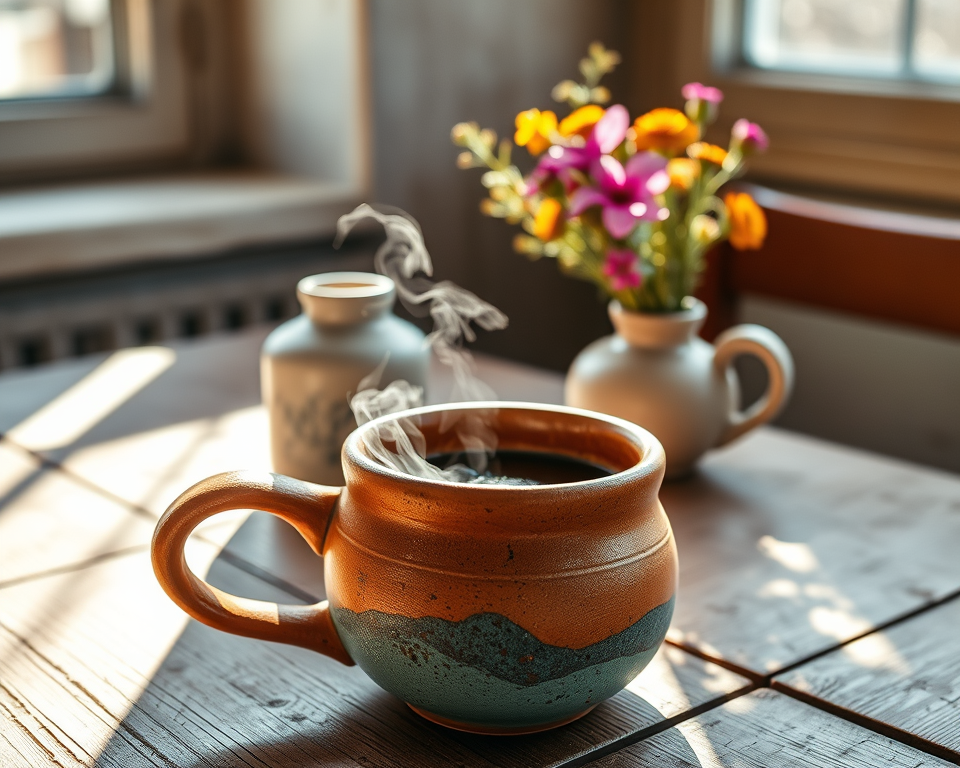
Pottery isn’t just about functionality; it’s about character, personality, and a touch of artistry in your home. If you’re like me, you love the idea of searching for unique pottery pieces that not only serve a purpose but also tell a story. Maybe it’s that perfect ceramic mug that cradles your morning coffee or the eye-catching vase that holds your fresh blooms. Whatever it is, I get your need to find the best places to buy pottery.
In the quest for beautiful ceramics, you might wonder, “Where do I even start?” Well, I’ve got your back. Let’s chat about where to find unique pottery, both online and in your local shops, and how to make sure you’re scoring the best finds.
Table of Contents
- 1 Key Takeaways
- 2 Where to Buy Pottery Online
- 3 Discovering Local Pottery Stores
- 4 Understanding Different Types of Pottery
- 5 Pottery Shopping Tips and Recommendations
- 6 Leveraging Online Resources for Pottery Purchases
- 7 Table of Recommended Online Pottery Stores
- 8 Frequently Asked Questions
- 8.1 What are the different clay types used in pottery?
- 8.2 What should I consider when attending a pottery class?
- 8.3 How can I find local pottery events or exhibitions?
- 8.4 What are some tips for starting a pottery collection?
- 8.5 What are the signs of a good pottery piece?
- 8.6 Can I customize pottery pieces from local artisans?
- 8.7 How do I properly care for my handmade pottery?
- 8.8 Why should I prefer buying handmade pottery over mass-produced items?
- 8.9 How can I effectively utilize online resources when shopping for pottery?
- 8.10 Are there specific environmental considerations when purchasing pottery?
Key Takeaways
- Explore Local Markets: Your town may have hidden pottery gems waiting to be discovered. Don’t underestimate local artisans.
- Shop Online Mindfully: Online stores offer a range of options but be sure to read reviews and compare prices before making a purchase.
- Understand What You’re Buying: Knowing the difference between handmade and factory-made pottery can elevate your buying experience.
- Keep Quality in Mind: Look for signs of craftsmanship—this guarantees you’re getting a piece that will last.
- Leverage Online Resources: Use customer reviews and comparison sites to make informed decisions.
Where to Buy Pottery Online
When considering online shopping for ceramics, it’s like entering a treasure trove of options. Let’s be honest—shopping for pottery online can be as thrilling as visiting a quaint pottery shop, but with some added convenience.
There are countless online pottery stores out there, but you want to land on the ones that have a good mix of variety, artisanship, and credibility. Places like Etsy.com are fantastic for discovering unique handcrafted ceramics from artisans across the globe. Here, every piece has a story and a creative touch that factory-produced items just can’t offer. You can score some exceptional finds, like a custom-made stoneware mug averaging around $30 or a beautiful ceramic platter for about $50.
Different Types of Online Pottery Vendors
As you explore online, you’ll encounter various types of pottery vendors. Some are larger e-commerce sites; others are specialty shops showcasing artisans’ works. Let’s break it down:
- Online Pottery Boutiques: These are places like The Little Market, which focus heavily on handmade items, where each piece feels like it was crafted with love. Prices here can range from $20 for smaller items to upwards of $100 for unique design pieces.
- Mass-Market E-Tailers: Websites like Amazon or Wayfair offer a mix but typically veer towards the factory-made side. You can find some decent deals, with prices often starting at about $15 for basic items.
- Marketplace Platforms: Places like Facebook Marketplace can be gold mines—especially for locals. You might find someone selling off a beautiful set of vintage pottery for $40. You never know until you take a peek!
“Online shopping for pottery opens up a world of artisanship that local stores may not always display.”
Benefits of Shopping for Pottery Online
Let’s chat about why you’d want to shop online versus hitting those local pottery stores. Sure, there’s something magical about visiting a shop and feeling the products. But online shopping has its perks:
- Convenience: You can browse dozens of shops from your couch while sipping coffee. No rushing or anxiety over store hours.
- Price Comparison: You can easily compare prices across multiple platforms to ensure you’re getting the best deal. Websites like ShopSavvy let you scan a barcode to find prices across the web.
- Customer Reviews: Many sites feature reviews that can provide insight into the quality and craftsmanship of the pottery. Kudos to those real-life experience vibes!
If you know what to look for, online pottery shopping can be rewarding and stress-free.
Discovering Local Pottery Stores
If you love the feel of clay between your fingers and the community vibe of shopping locally, you’re in for a treat. Local pottery shops often hold hidden gems that online shopping can’t replicate, like that artisanal feel and making connections with the artists themselves.
Finding Pottery Stores Near You
Okay, let’s talk logistics. How do you locate these local treasures? A quick Google search will do wonders—just type in “pottery stores near me” or check out Yelp recommendations.
Here’s what I usually do:
– Open Google Maps and type “pottery shops near me”. This usually yields a voice of option, so pick a few you’d like to check out.
– Look for local craft fairs or art markets; they often feature local potters showcasing their wares.
– Don’t forget social media—Instagram is filled with local artisans showing off their craft. You may even find special events or sales.
By engaging with local artisans, you not only score unique pieces but also help support your community. Not to mention, some shops offer workshops where you can get your hands dirty and discover your own artistic flair.
Engaging with Local Artisans
Here’s the cool part: engaging directly with local artisans can be incredibly fulfilling. They often have a wealth of knowledge about their craft and love sharing it with you.
Imagine strolling through a local craft fair, and you come across a booth that features stunning handmade pottery. The owner is super eager to tell you about the glazes they use and the techniques they’ve perfected over the years.
“Building a relationship with local artisans can lead to one-of-a-kind pieces that are truly special.”
It’s not just about buying—it’s about experience and connection. Plus, who knows? You might stumble upon pottery classes that can open an entirely new world for you!
Understanding Different Types of Pottery
Now that you’ve scoped out where to buy your pottery, let’s tackle some essential pottery knowledge. Understanding the different types of ceramics can honestly make you a more savvy shopper.
Handmade vs. Factory-Made Pottery
This is the bread and butter of pottery shopping! Knowing the difference between handmade and factory-made pottery is crucial.
Handmade pottery often has that unique character—think slight imperfections and variations that make each piece special. You might invest $30 for a lovely handmade bowl that’s one of a kind.
On the flip side, factory-made pottery is uniform, often cheaper, and mass-produced. So, if you just need basic plates, factory options starting at around $10 each might work. Just know that the craftsmanship won’t compare.
Quality Indicators in Pottery
When scouring shops for pottery, keep an eye out for quality indicators. Look for:
– Weight: Quality pottery usually has a good heft to it, signaling durability.
– Glazing: A smooth, even glaze is a sign of good craftsmanship. Check for drips or uneven areas.
– Details: Unique designs, identifiable marks, or signatures can indicate handmade artistry.
When in doubt, ask the seller or artisan about the materials and processes they used. They’ll usually be excited to share!
Pottery Shopping Tips and Recommendations
Okay, at this point, you’ve got some solid knowledge under your belt. Let’s get into actionable tips for your pottery shopping adventures.
What to Look for When Buying Pottery
When you walk into a store or browse an online shop, keep these essentials in mind for a stellar pottery shopping experience:
1. Define Your Needs: Are you looking for decorative pieces, functional dinnerware, or gifts? Knowing what you want narrows your search significantly.
2. Assess the Quality: Always check for cracks, chips, or signs of poor craftsmanship. If it’s not up to par, walk away.
3. Customer Reviews: Online, take a few moments to read past customer feedback. This can make or break your decision.
Finding that perfect piece is all about patience and being discerning. Don’t settle for second best!
The Importance of Customer Reviews
Let’s be real—nobody wants to be stuck with a poorly-made set of pottery. That’s where the power of customer reviews comes in! Always take a scroll through product ratings and reviews.
Good customer feedback helps you gauge not just the quality of the pottery but also the reliability of the vendor. Look for patterns in the reviews; if multiple people comment on a similar issue, it might be worth considering.
Here’s an example: if a particular potter at a local pottery fair consistently receives a glowing review for their unique glazing technique, you’re likely onto something great.
Leveraging Online Resources for Pottery Purchases
Speaking of reading reviews, let’s discuss how to use online resources to boost your pottery shopping game.
Social Media and Pottery
God bless social media! Platforms like Instagram and Pinterest are amazing for finding pottery inspiration. You can follow your favorite potters, discover trends, and even connect with fellow pottery lovers. Plus, you often find links to direct shop pages right in those posts.
Join online groups or communities dedicated to pottery lovers. Facebook, Reddit, and Instagram hosts communities where you can ask for recommendations or tips.
Online Forums and Communities
Don’t underestimate the power of forums! Sites like Pottery Heads or Reddit threads focused on pottery can become your best friends. Users willingly share their experiences, recommendations for shops, and tips for evaluating pottery.
Simply posting a question in these communities can yield fantastic insights about local and online pottery shops that you may never have come across on your own.
Table of Recommended Online Pottery Stores
| Store Name | Specialty | Average Price Range | Customer Rating |
|---|---|---|---|
| Etsy | Handmade items | $20 – $100 | ⭐⭐⭐⭐⭐ |
| The Little Market | Artisan crafts | $25 – $150 | ⭐⭐⭐⭐ |
| Amazon | Mass-produced ceramics | $10 – $50 | ⭐⭐⭐ |
| Wayfair | Home goods | $15 – $100 | ⭐⭐⭐⭐ |
| Facebook Marketplace | Vintage/local finds | $5 – $70 | N/A |
Remember, always check recent reviews on each platform to validate your purchase.
With this roadmap in hand, you’re all set to venture out or browse online for pottery that not only enhances your space but expresses your unique style. Happy pottery hunting!
Frequently Asked Questions
What are the different clay types used in pottery?
Ceramics can be made from various clay types, including earthenware, stoneware, and porcelain. Earthenware is porous and often used for decorative items. Stoneware is durable and suitable for functional pieces, while porcelain is known for its strength and whiteness, making it ideal for fine pottery and tableware.
What should I consider when attending a pottery class?
When choosing a pottery class, consider the instructor’s experience, class size, and available equipment. Check if you’re interested in specific techniques, such as wheel throwing or hand-building. Also, inquire about the materials provided and whether the studio has a welcoming environment for beginners.
How can I find local pottery events or exhibitions?
To discover local pottery events or exhibitions, check community calendars, local art organizations, or pottery guilds. Social media platforms like Facebook and Instagram can also highlight upcoming events. Visiting local galleries and pottery studios may provide information on workshops and open studio days.
What are some tips for starting a pottery collection?
When starting a pottery collection, focus on pieces that resonate with you personally. Consider various styles and artists, and aim for diversity in your collection. Look for local artisans or unique online shops to find one-of-a-kind items. Don’t hesitate to ask sellers about the background of their products.
What are the signs of a good pottery piece?
Quality pottery often exhibits uniform thickness, even glazing, and no visible imperfections or air bubbles. A well-made piece feels smooth and sturdy, without cracks or deformations. Additionally, the base should be clean and well-finished, indicating attention to detail during the crafting process.
Can I customize pottery pieces from local artisans?
Yes, many local artisans offer customization options for their pottery. This may include personalized glazing, size adjustments, or specific designs. It’s best to communicate your ideas with the artisan and understand their capabilities and limitations regarding personalizations.
How do I properly care for my handmade pottery?
To care for handmade pottery, avoid drastic temperature changes that might cause cracking. Hand wash with mild soap; do not use harsh detergents or put them in a dishwasher unless specified. Make sure to dry your pottery thoroughly and store it in a safe, padded environment to prevent chipping.
Why should I prefer buying handmade pottery over mass-produced items?
Buying handmade pottery supports local artisans and often provides unique designs that reflect craftsmanship and creativity. Handmade items typically exhibit better quality and attention to detail compared to mass-produced pieces, making them more special and often more durable as well.
How can I effectively utilize online resources when shopping for pottery?
Utilize online resources by visiting sites that specialize in pottery comparisons and customer reviews. Explore social media for trends and artisan profiles. Bookmark pottery blogs and forums for tips, and consider joining online pottery communities to stay updated on new collections and exclusive offers.
Are there specific environmental considerations when purchasing pottery?
Yes, environmental considerations include looking for artisans who use sustainable practices and materials. Research if the pottery is made using low-impact techniques or eco-friendly glazes. Supporting local artisans can also reduce the carbon footprint associated with shipping items from distant locations.
