
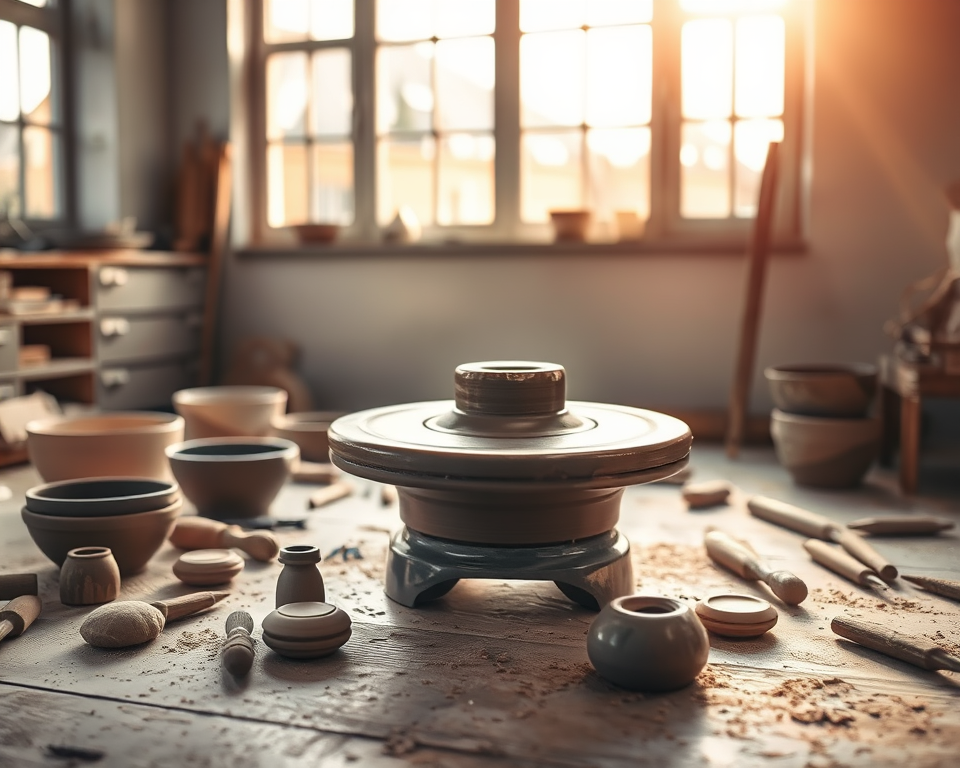
When I first stepped into the world of pottery, I was instantly captivated. There’s just something magical about shaping clay and watching your hands mold a lump of earth into something beautiful and functional. If you’re reading this, you might share that same spark of curiosity. You’re likely eager to know all about pottery wheels—the heart of creating exquisite ceramic pieces. Let me take you on this journey through the depths of potter’s wheels, sprinkling in practical tips, personal insights, and a bit of that high-energy vibe we all need to start off right!
Table of Contents
- 1 Key Takeaways
- 2 The Basics of Pottery Wheels
- 3 Types of Pottery Wheels
- 4 How to Use a Pottery Wheel
- 5 Maintaining Your Pottery Wheel
- 6 Community and Resources for Pottery Enthusiasts
- 7 Frequently Asked Questions
- 7.1 What are the key components of a pottery wheel?
- 7.2 How do I choose the right pottery wheel for my needs?
- 7.3 What are some essential tools for pottery besides the wheel?
- 7.4 What safety precautions should I take while using a pottery wheel?
- 7.5 How long does it typically take to learn pottery wheel techniques?
- 7.6 Can I use air-dry clay on a pottery wheel?
- 7.7 What is the importance of centering clay on the wheel?
- 7.8 How do I maintain my pottery wheel?
- 7.9 What are some common mistakes beginners make when using a pottery wheel?
- 7.10 Are there recommended online resources or communities for pottery beginners?
Key Takeaways
- A pottery wheel is used to shape clay by spinning it while you form your masterpiece, whether it’s a simple bowl or intricate vase.
- There are two main types of pottery wheels: electric and manual, each with unique benefits.
- Getting the right beginner pottery wheel can make or break your crafting experience, so choosing wisely is key.
- Understanding proper maintenance leads to enhanced user experience and longevity of your pottery wheel.
- Joining pottery communities can significantly boost your learning curve and connect you with fellow craft enthusiasts.
The Basics of Pottery Wheels
What is a Pottery Wheel Used For?
Let’s start with the basics. The pottery wheel is essentially a spinning platform that allows you to create and shape ceramic forms efficiently. If you think about it, it’s like a dance floor for clay—everything spins and spirals into beautiful creations. Whether you’re aiming to make functional pottery, like mugs and bowls, or purely decorative pieces, this tool gives you the ultimate control.
Creating masterpieces on a pottery wheel embodies the very essence of craftsmanship. It’s a combination of art, science, and just a dash of magic! You’ll find it’s not just about forming objects but also about expressing your creativity while enjoying a meditative experience. And trust me, after a long day, there’s nothing quite like getting your hands dirty as the wheel spins.
How Does a Pottery Wheel Work?
Now, you might be wondering how this thing actually functions. Well, it all starts with the wheel’s motor—if you’re using an electric model—or your own muscle power for a manual wheel. Once the wheel begins to spin, you’ll place a lump of clay in the center. The key to wheel throwing? Starting with clay that’s centered. This is where practice makes perfect; finding that sweet spot allows you to sculpt your piece uniformly.
Imagine this: as the wheel spins, you control the flow of the clay with your hands, using various techniques to create shapes by compressing, pulling, and shaping the material. The nature of the spinning wheel means that the clay moves smoothly, making it much easier to create consistent forms than if you were shaping it by hand alone.
“When you connect with the wheel, it’s as if the clay knows where it wants to go, and your job is to guide it there.”
Types of Pottery Wheels
Comparing Electric and Manual Pottery Wheels
So, are you team electric or manual? This is a crucial question if you’re searching for your first pottery wheel. Each type has its own flair. Electric wheels, such as the Shimpo VL-Lite ($495), give you the luxury of different speed settings and eliminate the physical effort needed with a kick wheel or manual type. Meanwhile, manual wheels like the Thomas Stuart Kick Wheel ($795) provide an old-school vibe that many potters love. Each time you kick the pedal, it adds a bit of rhythm to your crafting process.
| Feature | Electric Wheels | Manual Wheels |
|---|---|---|
| Power Source | Electricity | Mechanical (human-powered) |
| Speed Control | Multiple settings | Consistent due to user force |
| Ideal for | Beginners and quick projects | Traditionalists and exercise seekers |
| Price Range | $400 – $800 | $500 – $1000 |
Best Pottery Wheels for Beginners
Selecting the right pottery wheel can feel overwhelming, especially if you’re new to the game. I mean, you want something that’s forgiving yet effective, right? Here are a couple of suggestions that won’t break the bank but will get you started on your pottery journey:
Skutt KM-1020 ($720) – This electric wheel is known for its sturdy build and quiet motor. It’s got a solid reputation for being beginner-friendly, meaning you’ll have fewer frustrations as you learn.
Raimondi P3 ($300) – If you’re looking for a budget-friendly option, this one’s for you. It’s lightweight and portable, making it perfect for small spaces or even outdoor crafting.
BINBOK Pottery Wheel ($199) – This is a portable option for beginners that makes pottery accessible. It’s equipped with a USB power socket, so you can even work on the go!
But remember, no matter which option you choose, make sure it feels right for you. Spend some time at a local shop or take a class to see how each model feels under your hands.
How to Use a Pottery Wheel
Step-by-Step Guide to Using a Pottery Wheel
Alright, time to roll up those sleeves. Here’s a straightforward approach to using your pottery wheel:
- Set Up: Make sure your wheel is on a stable surface and has all your tools nearby. Have your clay ready and prepare for molding.
- Centering the Clay: Grab a lump of clay, throw it onto the wheel, and press down firmly to get it centered. This is crucial! If the clay isn’t centered, everything else goes haywire.
- Start Throwing: Use your hands—applied pressure is key. As the wheel spins, push down and start forming your shape. Remember, finesse over force!
- Shape It: Once you’re happy with the basic shape, you can start refining it. Pull, pinch, and bend until it’s just right!
- Trim and Finish: After it dries a bit, you can trim the foot, create designs, and prepare it for firing.
As you progress, you’ll find your rhythm, and it’ll become second nature.
Common Mistakes to Avoid When Using a Pottery Wheel
Even seasoned potters experience hiccups, so don’t feel bad if things don’t go perfectly right away. Here’s the lowdown on some common pitfalls:
- Poor Centering: If the clay isn’t centered, you’ll struggle from the get-go. Just keep practicing that foundational skill.
- Too Much Water: It’s tempting to use lots of water, but too much can make your clay soggy and unmanageable.
- Rushing the Process: Take your time. Pottery is as much about patience as it is about skill.
“Remember, every seasoned potter started with wobbly bowls and awkward shapes. It’s all part of the journey!”
Maintaining Your Pottery Wheel
Maintenance Tips for Your Pottery Wheel
So, you’ve got your pottery wheel, and things are looking great. Now, how do you maintain it? Here are some essential tips to keep it in tip-top shape:
- Clean After Each Use: Clay can dry quickly and become a real nuisance. Wipe down your wheel and tools after each session to prevent buildup.
- Check for Loose Parts: Regularly inspect your wheel for loose bolts or screws. It might not be glamorous, but it’s better than a malfunction mid-project!
- Store Properly: Cover your wheel when not in use to keep dust and debris from accumulating. It’s like tucking it into a cozy blanket!
One of the best pieces of advice I received is to view maintenance not as a chore but as a way to prolong the enjoyment of your craft. After all, every time you keep your tools healthy, you’re extending your creative possibilities.
Troubleshooting Common Issues with Pottery Wheels
Even the best tools have their quirks, and pottery wheels are no exception. Here’s how to tackle some typical issues that may arise:
| Issue | Solution |
|---|---|
| Wheel Won’t Spin | Check if it’s plugged in and ensure the motor is working properly. Sometimes, it just needs a gentle nudge. |
| Clay Sticking to Wheel | Use less water and keep your clay moist but not slippery. Finding the right balance is key. |
| Uneven Shapes | Spend more time on centering and be patient! Take your time to adjust your pressure as needed. |
Community and Resources for Pottery Enthusiasts
Joining Pottery Groups and Online Communities
Finding others who share your passion for pottery is like striking gold. Not only can you swap tips and techniques, but you can also soak in inspiration from fellow artists. Consider joining platforms like Pottery Heads or The Clay Hub on Facebook, where potters of all levels come together to share their work.
There are also loads of local pottery studios offering classes! Don’t underestimate the value of community—having mentors and peers to support you can skyrocket your progress. Plus, making friends over clay is just plain fun!
Recommended Resources for Pottery Learning
Let’s talk resources. There’s a treasure trove of knowledge out there, just waiting for you to tap into it:
- YouTube Channels: Channels like Pottery by Jake and The Clay Coach have fantastic video tutorials that walk you through various techniques. Seeing it done can be incredibly helpful!
- Books: Grab a copy of “The Complete Pottery Techniques” by Andrew Smith. It’s filled with insights and practical tips that’ll elevate your skills.
- Workshops: Don’t shy away from local studios—attending short courses can give you hands-on mentorship, which is invaluable if you’re just starting.
Whether you’re pulling from books, videos, or people, the learning never truly stops. Pottery is an ever-evolving art form, and there’s always something new to collect and experience.
As you explore the world of pottery wheels, remember to embrace the messiness of the process. The more you create, the more you learn. So, grab some clay, set up your wheel, and get to crafting—who knows what you might make today!
Frequently Asked Questions
What are the key components of a pottery wheel?
A pottery wheel typically consists of a rotating plate (wheel head), a motor (in electric versions), a foot pedal for speed control, and a shaft connecting the wheel head to the motor. Understanding these components helps you operate the wheel effectively and troubleshoot potential issues.
How do I choose the right pottery wheel for my needs?
When selecting a pottery wheel, consider factors such as your budget, the space you have available, whether you prefer electric or manual models, and the type of pottery you plan to create. Look for features like speed control, stability, and ease of use, especially if you’re a beginner.
What are some essential tools for pottery besides the wheel?
In addition to a pottery wheel, you’ll need tools such as trimming tools, wire cutters, rib tools, and sponges. Investing in quality tools will enhance your pottery-making experience and help you achieve better results with your creations.
What safety precautions should I take while using a pottery wheel?
To ensure safety while using a pottery wheel, wear an apron to protect your clothing and consider using a mask if you’re working with dry clay. Keep the workspace clean to prevent slipping and ensure your hands are dry before operating the wheel to maintain grip.
How long does it typically take to learn pottery wheel techniques?
Learning to use a pottery wheel varies by individual, but many beginners find they can produce basic forms, like bowls, within a few weeks of practice. Mastering advanced techniques may take months or even years, depending on your dedication and practice frequency.
Can I use air-dry clay on a pottery wheel?
Air-dry clay is generally not suitable for pottery wheels due to its lack of plasticity and inability to withstand the wheel’s rotational speed. Wheel-throwing requires clay that can be shaped and retains its form when wet, like stoneware or earthenware clays.
What is the importance of centering clay on the wheel?
Centering clay is crucial as it ensures even pressure and shaping while the wheel is in motion. Proper centering reduces the likelihood of wobbly forms and allows for greater control, leading to better results in your pottery project.
How do I maintain my pottery wheel?
Regular maintenance for your pottery wheel includes cleaning the wheel head after each use, checking for loose parts, and lubricating any moving components where necessary. Following the manufacturer’s guidelines for care will help extend the life of your wheel.
What are some common mistakes beginners make when using a pottery wheel?
Common mistakes include not wedging the clay properly, failing to center the clay, and not using enough water during the shaping process. Understanding these pitfalls can help you avoid frustration and improve your pottery-making skills quickly.
Are there recommended online resources or communities for pottery beginners?
Yes, many online platforms offer resources for beginners, including tutorials on video-sharing sites, pottery forums for sharing experiences, and social media groups where you can connect with other potters. These can provide valuable support and tips as you develop your skills.
